
马文化

Search documents
奔马迎春 骅骝奋跃
Xin Lang Cai Jing· 2026-02-15 01:08
Group 1 - The article highlights the significance of the "Bronze Galloping Horse," a cultural relic from the Han Dynasty, symbolizing speed and artistry, and its connection to Gansu province's historical relationship with horses [1][2] - Gansu has been a crucial area for horse management during the Han and Tang dynasties, serving as a key location for military horse breeding and a vital segment of the Silk Road [2][3] - The article discusses the preservation of wooden horse artifacts in Gansu due to its dry climate, showcasing the region's unique craftsmanship and cultural heritage [2] Group 2 - The presence of horses in ancient Chinese art is emphasized, with various representations found in Dunhuang murals and Han dynasty artifacts, reflecting the cultural importance of horses in Chinese history [3] - The article mentions the influence of the Silk Road on horse culture, highlighting the interactions between different ethnic groups and the artistic depictions of horses in various historical periods [3] - It concludes by asserting that the legacy of horses in Chinese civilization should not be forgotten, as they represent a significant aspect of cultural and historical identity [3]
骐骥驰骋话马年
Xin Lang Cai Jing· 2026-02-15 00:05
Group 1 - The article highlights the cultural significance of horses in Chinese history, particularly through artifacts like the "Galloping Horse" bronze statue, which symbolizes speed and grace, and serves as a cultural icon [4][5]. - Gansu province is identified as a key region for horse-related artifacts due to its historical role in horse breeding and its location along the Silk Road, facilitating trade and cultural exchange [5][6]. - The article discusses various horse-related artifacts from different dynasties, including wooden horses from the Han dynasty and Tang Sancai pottery, showcasing the artistic evolution and cultural importance of horses in Chinese art [5][6]. Group 2 - The significance of horses extends to modern cultural expressions, such as the design of zodiac stamps, which reflect the spirit of the times and incorporate traditional elements with contemporary design [9][12]. - The 2026 zodiac stamp features a horse design that combines traditional aesthetics with modern elements, symbolizing progress and vitality, and is part of a broader effort to engage the public in cultural heritage [12][13]. - The article emphasizes the ongoing relevance of horse symbolism in contemporary Chinese culture, representing qualities such as loyalty, courage, and the spirit of progress, which resonate with the national ethos [17].

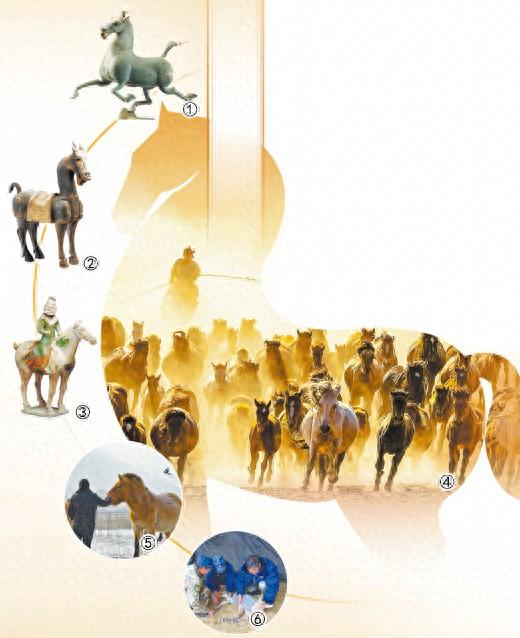
骐骥驰骋话马年(文化中国行)
Ren Min Ri Bao· 2026-02-14 23:37
Group 1: Cultural Significance of Horses - The horse is an important spiritual totem of the Chinese nation, symbolizing bravery, progress, and loyalty [5][11] - The historical significance of horses in Chinese culture is reflected in the creation of approximately 120 specialized characters related to horses, indicating their importance in daily life and agriculture [11][12] - The horse has played a crucial role in ancient military strategy, representing national military strength and serving as a vital transportation tool [12][13] Group 2: Artistic Representations and Innovations - The "Copper Galloping Horse" is a renowned artifact from Gansu, showcasing exceptional craftsmanship and serving as a cultural symbol [1][2] - The "Dunhuang Murals" and "Tang Sancai" pottery highlight the artistic representation of horses in ancient Chinese art, reflecting the cultural exchanges along the Silk Road [3][5] - The recent issuance of the "Bingwu Year" zodiac stamps represents a modern artistic interpretation of the horse, combining traditional aesthetics with contemporary design [6][8] Group 3: Exhibitions and Public Engagement - The "Horse Dance New Spring" exhibition at the Tianjin Museum features over 70% of exhibits that are publicly displayed for the first time, showcasing a wide range of artifacts from different historical periods [14][15] - Interactive activities and technological innovations, such as AR technology, enhance visitor engagement and provide a personalized experience [15] - The exhibition aims to connect the historical significance of horses with contemporary cultural expressions, fostering public interest in traditional culture [14][15]
马年相马!看古代“伯乐”相中的马
Xin Hua She· 2026-02-14 10:05
Core Viewpoint - The Shanxi Museum is hosting a special exhibition on horse artifacts to celebrate the upcoming Lunar New Year, showcasing the cultural significance of horses in ancient China and their evolution from labor companions to cultural symbols [1][2][3]. Group 1: Exhibition Highlights - The exhibition features ancient representations of horses, including a robust chestnut horse from the Northern Qi dynasty, which captivates viewers with its lifelike portrayal [1]. - A painted warrior figurine from the Northern Qi dynasty illustrates the image of heavily armored cavalry, emphasizing the importance of horse gear in enhancing riding capabilities [1]. - The exhibition includes a gold tomb horseball brick carving, depicting a horseball player, reflecting the vibrant competitive sports of ancient times [2]. Group 2: Cultural Significance of Horses - In Chinese culture, horses have transcended their natural attributes to become symbols of wealth and status, as seen in decorative items like the Qing dynasty jade belt buckle [2][3]. - The artistic representation of horses in various forms, such as the Ming dynasty yellow-glazed horse tile and Qing dynasty blue-and-white porcelain plates, conveys auspicious meanings and reflects the cultural heritage [3]. - Despite the decline of horses in labor roles, their symbolic meanings of endurance and progress remain deeply rooted in Chinese cultural identity [3].

一匹唐马的造型变迁
Bei Jing Wan Bao· 2026-02-14 09:04
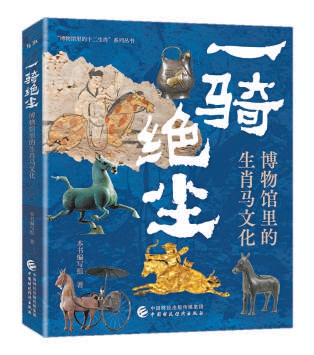
每逢农历马年,中华大地总会洋溢着一股昂扬奋进的气息。马,作为十二生肖中象征奔放、活力与 成功的属相,早已超越动物范畴,深植于民族文化的肌理之中。从新石器时代的驯化雏形到商周战车的 滚滚车轮,从《诗经》中十六色马匹的细致分类到"汗马功劳""龙马精神"的成语积淀,一部中国马文化 史,半部是中华文明的发展史。"博物馆里的十二生肖"系列丛书,也在农历马年即将到来之际推出了 《一骑绝尘:博物馆里的生肖马文化》通过不同的作者,不同的视角,来讲述马文化与中华文化的密切 关系,以及那些以马为载体的中华国宝的由来。 《一骑绝尘:博物馆里的生肖马文化》本书编写组 著中国财政经济出版社 中华先民的马文化起源 马文化,是人类在与马共处中创造出的精神财富的总和。它远不止于驯养和骑乘,更囊括了由此衍 生出的思想观念、行为习俗、艺术创作与价值认同。早在新石器时代,中华先民已开始尝试驯化马匹。 至商周时期,马已成为重要的生产力和军事工具,"服牛乘马,引重致远"记载于《周易》。马政的萌 芽,标志着马被系统性地纳入国家治理体系。 春秋战国时期,对马的认知趋于精细化。《诗经·鲁颂·駉》按毛色区分十六种马,相马术应运而 生,这背后是军事与农业对优良 ...
追寻千年“良骥”
Xin Lang Cai Jing· 2026-02-14 03:00
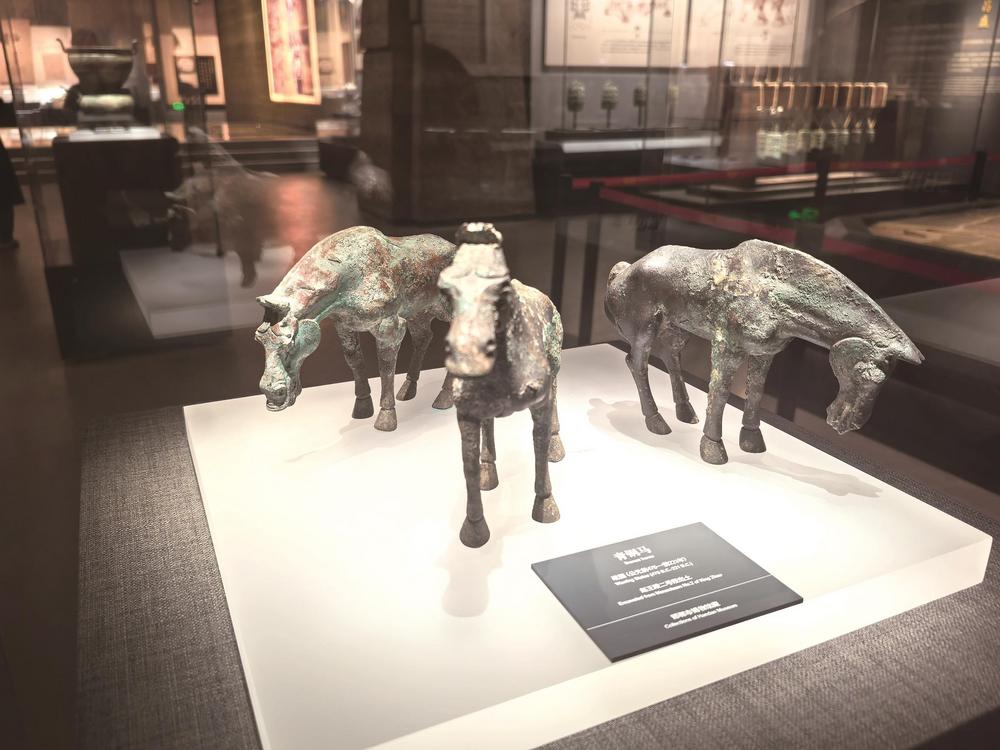
(来源:邯郸晚报) 14 2 10 1644 2 0 a st GNES 2 15 2 the state t 201 78 02 Are er be a plan 3 20 d le ff is 14/10/18 元代磁州窑白地黑绘狩猎纹罐 明代磁州窑白地黑绘褐釉奔马罐 元代磁州窑白地黑绘乌江渡马长方枕 乙巳缱绻而去,丙午奔赴前来。 邯郸,拥有过胡服骑射的改革,拥有过"赵地方二千里,带甲数十万,车千乘,骑万匹……"的盛赞,拥有过"醉骑白花马,西走邯郸城"的诗 意……马,于底蕴深厚的甘丹风华里,已成为锐意进取、奋发向上的精神图腾。 清代酱釉黑花奔马诗文瓷葫芦瓶 □曲宗红 马年新春在即,笔者寻访了邯郸市博物馆、磁县北朝考古博物馆、曲周县博物馆的"马"文物,观风骨,品气象,抚今追昔,又择其重点成文, 与读者朋友共同感受它们承载的厚重与力量。 (蟠螭纹马首耳大铜鉴-邯郸市博物馆) 这是与三匹青铜马在同一展区的另一件国家一级文物——蟠螭纹马首耳大铜鉴。它铸造于约公元前5世纪至公元前4世纪中叶的战国早期,是礼 器的典范之作。"器以载道",这尊于1972年从邯山区张庄桥汉墓出土的战国重器,高25.1厘米、口径45.1厘米 ...
上海新春看展:“奇骥奔腾”马年科技文化展
Jing Ji Guan Cha Bao· 2026-02-14 00:48
Group 1 - The "Qiji Bente" exhibition, co-hosted by the Shanghai Science and Technology Museum and the Palace Museum, officially opened on February 10 [1] - The exhibition focuses on the theme of "horse," with a narrative structure centered around "natural evolution, human-horse companionship, and inspiring the future," divided into four main sections: "The Emergence of the Qiji," "The Wild of Life," "The Legacy of the Steed," and "The Dialogue of Horses" [1] - Over 20 precious horse-themed artifacts from the Palace Museum are being showcased for the first time in Shanghai [1] Group 2 - The exhibition will be open to the public starting from February 17, coinciding with the first day of the Lunar New Year, and the reservation channel is now fully open [1] - The "Qiji Bente" exhibition is set to run until August 16, 2026 [1]
辽博“万马奔腾”生肖文物展邀您共赴马文化盛宴
Xin Lang Cai Jing· 2026-02-13 22:46
当天一进入展厅,记者就看见红色的四个大字——"万马奔腾",这正是本次展览的主题。作为辽博生肖 系列的策展人,辽博展览策划部研究馆员周颖说:"这是我在辽博做生肖展的第12年,能够用当年生肖 相关文物与观众共度12年,这是我的一种幸福。今年的生肖展览,非常值得一看。马位列十二生肖第 七,地支配属'午',自古为'六畜之首',在生产生活、交通军事、文化艺术中都占据重要地位。,辽 博"万马奔腾"生肖文物展邀您共赴马文化盛宴)为迎接丙午马年,我们深度挖掘馆藏资源,遴选百余件 文物精品,其中不乏首次公开亮相的珍品。" 为了能够让观众真正感受到中国人对马的热爱,本次展览以"马"为核心,设置五个单元。周颖说:"每 个生肖都有独特的文化内核,每策一个展,都要重新梳理文物脉络。马文化博大精深,要想在一个展览 完全展示出来,非常有难度。我们从马匹驯养、军事交通、娱乐活动、艺术创作到精神传承,用5个单 元层层递进、系统解读马在中华文明中的重要作用。这五个单元分别是'乘马在厩 驯育有道''扬鞭跃马 骁腾万里''马蹄轻扬 骑乐无穷''神骏凝华 艺境永恒''龙马精神 万载永续'。" 具有划时代意义的"鎏金铜木芯马镫"亮相展览 (来源:沈阳日 ...
春风骐骥:马文物里的中华精神
Xin Lang Cai Jing· 2026-02-13 18:32
Core Viewpoint - The "Spring Breeze Qiji: Year of the Horse Zodiac Exhibition" showcases the significance of horses in Chinese civilization, featuring various horse artifacts that reflect cultural heritage and artistic expression [8][14]. Group 1: Exhibition Highlights - The exhibition includes 16 horse artifacts, with the oldest being a round sculpture of a white jade horse from the Western Han Dynasty, symbolizing dreams and aspirations [8]. - The "Six Steeds of Zhao Ling" stone carvings from the Tang Dynasty are prominently displayed, illustrating the valor and historical significance of war horses in Chinese history [9]. - A collection of colorful pottery figurines from the Tang Dynasty represents the cultural exchange along the Silk Road, showcasing a different aspect of horse culture [10]. Group 2: Cultural Significance - Horses are depicted as symbols of courage, dreams, and success throughout Chinese history, reflecting the enduring legacy of equestrian culture [14]. - The exhibition features various artistic representations of horses, including a small bronze figure from the Tang Dynasty that symbolizes sports culture and historical interactions [13]. - The "Bronze Galloping Horse" from the Han Dynasty, known for its dynamic form, has become a popular cultural icon, transforming into various merchandise that resonates with contemporary audiences [12].
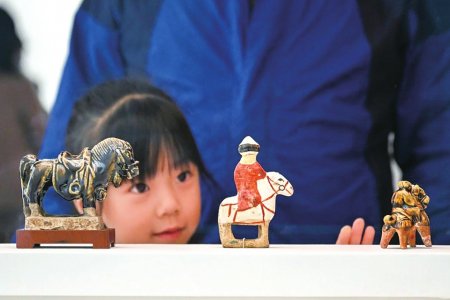
【马年说马】新疆博物馆马文物“出圈” 游客:沾沾喜气
Zhong Guo Xin Wen Wang· 2026-02-13 13:09
Core Viewpoint - The Xinjiang Uygur Autonomous Region Museum is experiencing a surge in popularity due to its horse-related artifacts, coinciding with the upcoming Year of the Horse, and has launched a special exhibition and various cultural products inspired by these artifacts [2]. Group 1: Exhibition and Artifacts - The museum has introduced a special exhibition titled "Qiji Chichun - Spring Special Exhibition for the Year of the Horse," featuring various horse artifacts that have become popular among visitors [2]. - Notable artifacts include colorful clay sculptures of horse figurines and polo players, which have gained significant attention [2]. Group 2: Cultural Products - The museum has developed a series of cultural products based on horse artifacts, including "Success at Once" scented sachets and wooden refrigerator magnets inspired by horse motifs [2]. - A collaboration with the Kizil Museum has resulted in the launch of a blind box inspired by the Przewalski's horse, showcasing the cultural significance of horses in the region [2]. Group 3: Cultural Significance - The horse symbolizes various positive qualities and aspirations in Chinese culture, such as success and loyalty, which are deeply embedded in the cultural memory [2]. - The enduring nature of horse artifacts reflects their historical significance, while the new cultural products infuse these artifacts with contemporary cultural meanings [2].