Mindfulness

Search documents
The Hidden Patterns of Reality: Akashic Insights | Nirjara Doshi | TEDxSPIPS Indore
TEDx Talks· 2025-10-01 15:45
Core Concepts - The Akasha, considered the first of the five elements, is a cosmic library containing information about past, present, and potential [2][4] - Thoughts, emotions, and intentions vibrate and send frequencies into the Akashic field, influencing one's reality [19][20] - Negative thinking patterns, if sustained, can lead to negative experiences, similar to the "onion guy" metaphor [17][18] - Consciously introducing positive thoughts can shift the energy field and create positive outcomes [26][27] Quantum Entanglement - At a quantum level, quarks within cells are entangled with the Akashic field, transmitting information about one's emotional state [23][25] - The Akashic field responds to the information it receives, providing reasons to support the dominant emotional state [25] Practical Applications - Practices like meditation, visualization, and mindful self-talk can help break negative thought patterns [28] - India's defense system utilizes principles from Vedas and quantum mechanics for secure communication through quantum key distribution [29][30] - A simple practice of expressing gratitude and positive affirmations over water can influence one's body chemistry and biology [32] - 98% of daily thoughts are recycled from previous days, highlighting the opportunity to introduce 2% of new, positive thoughts for transformation [15][28]


Unseen To Undeniable | Anshu Sisodia | TEDxQUT
TEDx Talks· 2025-09-30 15:10
Core Message - The brain doesn't differentiate between breaking down and breaking through; our stories determine that [10] - Deepest breakdowns are invitations to become antifragile, with the adolescent brain capable of rewiring itself for growth under stress [4] Three Interconnected Pathways to Transformation - **Relentless Resilience:** Mindfulness and meditation can reduce anxiety by training the mind to observe chaos, shrinking the amygdala (fear center) and enhancing learning/emotional control areas; eight weeks of mindfulness practice can ease these centers [5][6] - **Story Reclamation:** Narratives shape the brain; rewriting neural code through practices like compassion-based meditation can rewire empathy circuits, turning wounds into wisdom [8][9][11] - **Values-Based Action:** Aligning actions with core values reduces decision fatigue by 75% and increases life satisfaction by 50%, even under pressure [12] Practical Application - Alternate nostril breathing is suggested as a foundational practice, along with affirmations, to integrate into daily life, especially during breakdowns [15][16][17][18][19]

From Limiting Beliefs To Limitless Possibilities | Lionela Todirean | TEDxDGPS Youth
TEDx Talks· 2025-09-29 16:15
Core Message - The presentation uses a metaphor of "intruders" representing limiting beliefs and negative thoughts that invade one's mind, which is likened to a home [7][8] - The key idea is that individuals have the power to evict these negative thoughts and nurture a positive mental environment to unlock limitless possibilities [9][10] Practical Steps - The presentation outlines a three-step process for cultivating a positive mindset: awareness of negative thoughts, setting boundaries against them, and replacing them with positive affirmations [14][15][16] - Awareness involves recognizing that negative thoughts are not the truth [14] - Setting boundaries includes questioning negative thoughts by asking if they are true, helpful, and if you would say them to a loved one [15] - Nurturing a positive mindset involves replacing negative thoughts with positive and encouraging affirmations [16] Metaphorical Illustration - The speaker uses the analogy of planting seeds in a desert to illustrate that even with potential (seeds), a positive environment (fertile soil, water, right temperature) is crucial for growth and success [11][12][13] - Motivational talks and ideas will be ineffective if the mind's environment is negative [13] Practical Application - The presentation concludes with a guided exercise to practice nurturing a positive mindset by focusing on positive affirmations like "I am learning, I am good" [18][19][20][21] - The speaker emphasizes that nurturing the mind allows for limitless possibilities, resilience, and self-acceptance [22][23]

Scaling Mountains, Inspiring Ripples of Change | S. Jaahnavi | TEDxSIS Ajmer Youth
TEDx Talks· 2025-09-29 15:54
Personal Development & Goal Achievement - The core message revolves around the importance of embracing change, consistency, and adaptability to achieve personal goals, drawing parallels from mountaineering experiences [1][25][26][27] - Overcoming challenges and failures is presented as a crucial part of personal transformation, emphasizing resilience and continuous learning [23][24][28][30][31] - The speaker advocates for starting small, being consistent, and adapting to failures as key elements in achieving any goal, whether it's in music, sports, or public speaking [26][27][28] Lessons from Mountaineering - Scaling mountains is used as a metaphor for overcoming life's challenges, highlighting the significance of each small step towards reaching the summit [1][2] - The speaker's experiences on various peaks, including Mount Kilimanjaro (Africa), Mount Elbrus (Europe), Mount Kosciuszko (Australia), and Mount Denali (North America), illustrate the diverse challenges and adaptations required in different environments [3][11][15][19] - Mental strength is emphasized as being more critical than physical strength in mountaineering, particularly in situations where exhaustion and the urge to give up are overwhelming [22][23] Overcoming Adversity - The speaker's personal story includes her father's diagnosis with terminal lung cancer, which served as a motivation to push her limits and achieve more [15] - The experience of being denied a permit to climb Mount Everest due to age restrictions led to a change in plans and the successful climb of Mount Denali, demonstrating adaptability [18][19] - The speaker shares instances of having to turn back from summits due to illness or bad weather, emphasizing the importance of making smart decisions to preserve life and try again later [29][30] Importance of Continuous Learning - The speaker emphasizes the importance of remaining a learner throughout life, regardless of age or expertise, and being open to gaining knowledge from others [31][32] - The speaker's father, a mental health doctor, is presented as a role model for staying grounded and always being willing to learn from others [33]

How a nature photographer lives in the moment | Tony Baldasaro | TEDxPortsmouth
TEDx Talks· 2025-09-20 17:00
Core Message - The photography industry emphasizes being present in the moment and appreciating the beauty around us, rather than solely focusing on capturing the perfect image [6][15] - The industry highlights the importance of shifting perspective from "taking a picture of something" to "taking a picture from within something," leading to more meaningful and impactful photographs [8][16] - The photography industry values patience, perseverance, and a willingness to embrace unexpected moments, as these can lead to unique and life-changing photographic opportunities [12][19] Industry Trends - The ubiquity of digital images can potentially lower their value, making it crucial for photographers to find ways to create unique and meaningful work [7] - Modern conveniences can distract from being present in the moment, making it increasingly important for photographers to consciously slow down and appreciate their surroundings [6] - The industry encourages photographers to wander, seek out, and find the beauty in everyday moments, as these can often lead to the most rewarding and transformative experiences [19][21] Personal Growth & Philosophy - Losing something valuable (like a wallet) can lead to unexpected journeys and discoveries, highlighting the importance of embracing the unknown [1][18] - Choosing to be present and appreciate the moment can transform a potentially negative experience into a positive and memorable one [4][20] - A simple shift in perspective can lead to unexpected success and recognition, as demonstrated by the photographer's first cover photo [16]
X @Ansem
Ansem 🧸💸· 2025-09-19 21:14
RT Jay Alto (@theJayAlto)literally all of history’s greatest minds embraced solitude. long walks. isolated studios. late nights. early mornings. strict routines. solo trips. you have to deliberately strip away the noise of the external world to examine the internal one. create space to process the chaos. ...
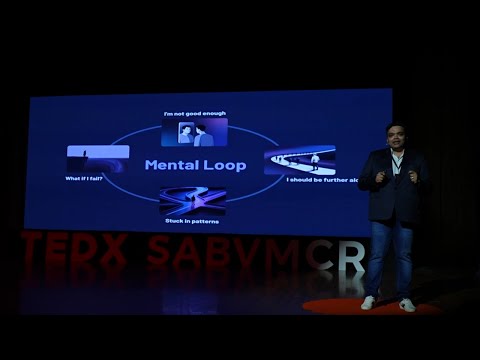
The Silent Reset | Dr. Cherag Shah | TEDxSABVMCRI
TEDx Talks· 2025-09-12 15:11
Core Argument - The presentation addresses the pervasive issue of digital noise and its impact on mental well-being, leading to anxiety, stress, and burnout [2][4] - It introduces the concept of "Mind Architect" to help individuals understand and manage their mental operating system for improved clarity, purpose, and presence [10] - The presentation proposes a framework of Reset, Rewire, and Rise (RRR) to combat mental loops and promote a more fulfilling life [18] Mental Well-being & Performance - The speaker shares personal experiences of burnout despite professional success, highlighting the importance of mental health [6] - The presentation emphasizes the need to reset the brain from past limiting beliefs and introduce new perspectives [19][20] - It differentiates between reacting and responding, advocating for clarity, peace, and purpose in decision-making [22][23] Practical Techniques - The presentation introduces three simple techniques for stress reduction and anxiety management: psychedelic sigh, gaze method, and five-finger breathing pattern [26][27][28] - The psychedelic sigh involves specific breathing patterns to reduce cortisol levels [26] - The gaze method involves eye movements to alleviate anxiety [27] - The five-finger breathing pattern utilizes acupressure to calm the rhythmic blood pattern [29] Analogy & Metaphor - The presentation uses the analogy of a computer with multiple tabs open to illustrate the impact of mental overload [24] - It compares the human mind to an operating system (like Apple or Android) that needs to be understood and optimized [10] - The presentation uses the metaphor of a cocoon and a butterfly to represent the transformation from a limited state to one of clarity and purpose [30]
Meditation: What, How, Why. | Markus Badwal | TEDxHHL
TEDx Talks· 2025-09-02 16:45
Core Argument - Meditation is not primarily about eliminating distracting thoughts, achieving blissful states, or being a mere health booster, but rather about cultivating mindfulness [6][8][9] - Mindfulness, in the context of meditation, is defined as a non-judgmental, open awareness of thoughts, emotions, and sensations as they arise, practiced moment by moment [13][14][15] - Meditation, specifically insight meditation (Vipassanā), is a mental practice aimed at training the mind to cultivate mindfulness [11][12][15] Practical Application - To begin meditating, the industry suggests utilizing digital applications for guidance and establishing a dedicated space and time for practice [16][17] - The practice involves focusing on the breath as an anchor, observing thoughts and sensations without judgment, and returning to the breath when the mind wanders [18][19][20] - Even a short practice, such as one minute, can provide an experience of the mind and the benefits of meditation [21][22] Benefits and Impact - Scientific data suggests meditation can lower anxiety and depressive symptoms, enhance attention, memory, and mood regulation, and lead to beneficial structural changes in the brain [24] - The quality of one's mind, which can be improved through meditation, determines the quality of one's life, influencing how one experiences and responds to the world [25][26] - Meditation allows for a deliberate response to external and internal events, enabling one to let go of negative emotions and begin again [27][28]

Live What You Learn | Fayez Atari | TEDxKhilda
TEDx Talks· 2025-09-02 16:14
[موسيقى] واو ما اجملكم هي اول مره الي على مسرح باي ذا واي كثير شكلكم حلو تمام حديثي اليوم رح يكون بعنوان ماذا لو كان الكتاب الذي عليك ان تقراه هو انت وليس كتابا اخر ولكن قبل ما اكمل حديثي حابب اشكر جماعه تدكس خلده على استضافتهم لي على هذا المسرح الجميل شكرا لكم كلكم شكلكم كثير طالع حلو شكرا لاهتمامكم [تصفيق] [موسيقى] الان بدي اياكم تعتبروا حديثي اشبه برله عشان هيك بدي اطلب منكم طلب غريب هو غريب كثير بس سريع بسيط بدي ايانا كلياتنا مع بعض ناخذ نفس عميق زي هيك ان 3 2 يا ما سمعت كمان انظون اوكي عشان هي رحله الا ...
Misery, Man, Meaning, and Mindfulness | Yashu Sharma | TEDxBITSPilani
TEDx Talks· 2025-09-02 15:04
हेलो एवरीवन मैं बहुत ही साधारण से परिवार से मैं जब 16 17 वर्ष का था तो बहुत परेशान रहा करता था कि क्या करें क्या और ये तो सबकी समस्या होती है मेरी कुछ थोड़ी ज्यादा थी ना और वो 90 का टाइम था कुछ ज्यादा आईडिया नहीं था क्या करें 90 का टाइम था कुछ ज्यादा आईडिया भी नहीं था कि क्या करें क्या ना करें पढ़ी खुद कोसना कपों को पो को पो को पो को कोसना बस यही चला करता था एक दिन मैं एक मंदिर गया हुआ था वहां एक स्वामी जी प्रवचन कर रहे थे कि मनुष्य अपने भाई और वो मेरा टर्निंग पॉइंट था तो मुझे लगा वो एक मौका है और मैंने उसप ...