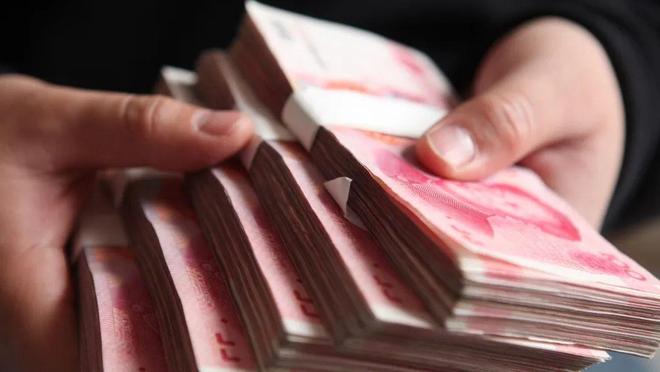
居民人均可支配收入

Search documents
2025年第三季度安徽省城镇、农村居民累计人均可支配收入之比为2.18:1,累计人均消费支出之比为1.5:1
Chan Ye Xin Xi Wang· 2025-10-29 03:10
Core Insights - The disposable income for urban residents in Anhui Province reached 39,508 yuan in Q3 2025, marking a year-on-year increase of 4.54%, while rural residents' disposable income was 18,115 yuan, with a growth of 5.69% [1] - The per capita consumption expenditure for urban residents was 23,400 yuan, reflecting a year-on-year increase of 4.48%, and for rural residents, it was 15,700 yuan, with a growth of 4.67% [1] Income Growth - Urban residents' disposable income has shown consistent growth over the past six years, indicating a positive trend in economic conditions [1] - Rural residents also experienced a steady increase in disposable income, suggesting improvements in rural economic development [1] Consumption Expenditure - The consumption expenditure for both urban and rural residents has increased, indicating a rise in consumer spending and economic activity in the region [1] - The growth rates in consumption expenditure are slightly lower than those in disposable income, which may suggest a cautious approach to spending among residents [1]


2025年第三季度福建省城镇、农村居民累计人均可支配收入之比为2.19:1,累计人均消费支出之比为1.76:1
Chan Ye Xin Xi Wang· 2025-10-29 03:10
Core Insights - The disposable income for urban residents in Fujian Province reached 48,644 yuan in Q3 2025, marking a year-on-year increase of 4.63%, while rural residents' disposable income was 22,245 yuan, with a growth of 5.94% [1] - Urban residents' average consumption expenditure was 30,700 yuan in Q3 2025, reflecting a year-on-year increase of 4.68%, whereas rural residents' consumption expenditure was 17,500 yuan, showing a growth of 6.42% [1] Income Trends - The disposable income for urban residents has shown a consistent annual increase over the past six years [1] - The disposable income for rural residents has also demonstrated a steady growth trend during the same period [1] Consumption Trends - The consumption expenditure for urban residents has been on an upward trajectory, with a notable increase in Q3 2025 [1] - Rural residents have experienced a higher percentage increase in consumption expenditure compared to their urban counterparts in Q3 2025 [1]

2025年第三季度河南省城镇、农村居民累计人均可支配收入之比为2.12:1,累计人均消费支出之比为1.49:1
Chan Ye Xin Xi Wang· 2025-10-29 03:10
Core Insights - The disposable income for urban residents in Henan Province reached 32,405 yuan in Q3 2025, marking a year-on-year increase of 4.62%, while rural residents' disposable income was 15,274 yuan, with a growth of 5.43% [1] - Urban residents' average consumption expenditure was 20,300 yuan in Q3 2025, reflecting a year-on-year increase of 3.43%, whereas rural residents' consumption expenditure was 13,600 yuan, showing a growth of 7.25% [1] Income Trends - Henan Province has seen a consistent year-on-year increase in both urban and rural residents' disposable income over the past six years [1] - The cumulative disposable income for urban residents from 2020 to Q3 2025 has been documented, indicating a positive growth trend [1] - Similarly, the cumulative disposable income for rural residents from 2020 to Q3 2025 has also shown an upward trajectory [1] Consumption Patterns - The cumulative consumption expenditure for urban residents from Q3 2024 to Q3 2025 has been analyzed, showing a steady increase [1] - The cumulative consumption expenditure for rural residents during the same period has also been tracked, indicating significant growth [1]

2025年第三季度浙江省城镇、农村居民累计人均可支配收入之比为1.73:1,累计人均消费支出之比为1.49:1
Chan Ye Xin Xi Wang· 2025-10-29 03:10
Core Insights - The per capita disposable income for urban residents in Zhejiang Province reached 63,079 yuan in Q3 2025, marking a year-on-year increase of 4.24%, while rural residents' per capita disposable income was 36,383 yuan, with a year-on-year growth of 5.34% [1] - The per capita consumption expenditure for urban residents in Zhejiang Province was 39,200 yuan in Q3 2025, reflecting a year-on-year increase of 4.34%, and for rural residents, it was 26,400 yuan, with a year-on-year growth of 5.51% [1] Income Growth - Urban residents' per capita disposable income has shown consistent growth over the past six years, indicating a positive trend in economic conditions [1] - Rural residents' per capita disposable income also demonstrates a steady increase, suggesting improvements in rural economic development [1] Consumption Expenditure - The increase in urban residents' per capita consumption expenditure indicates a growing consumer confidence and spending power [1] - The rise in rural residents' per capita consumption expenditure reflects enhanced living standards and economic conditions in rural areas [1]

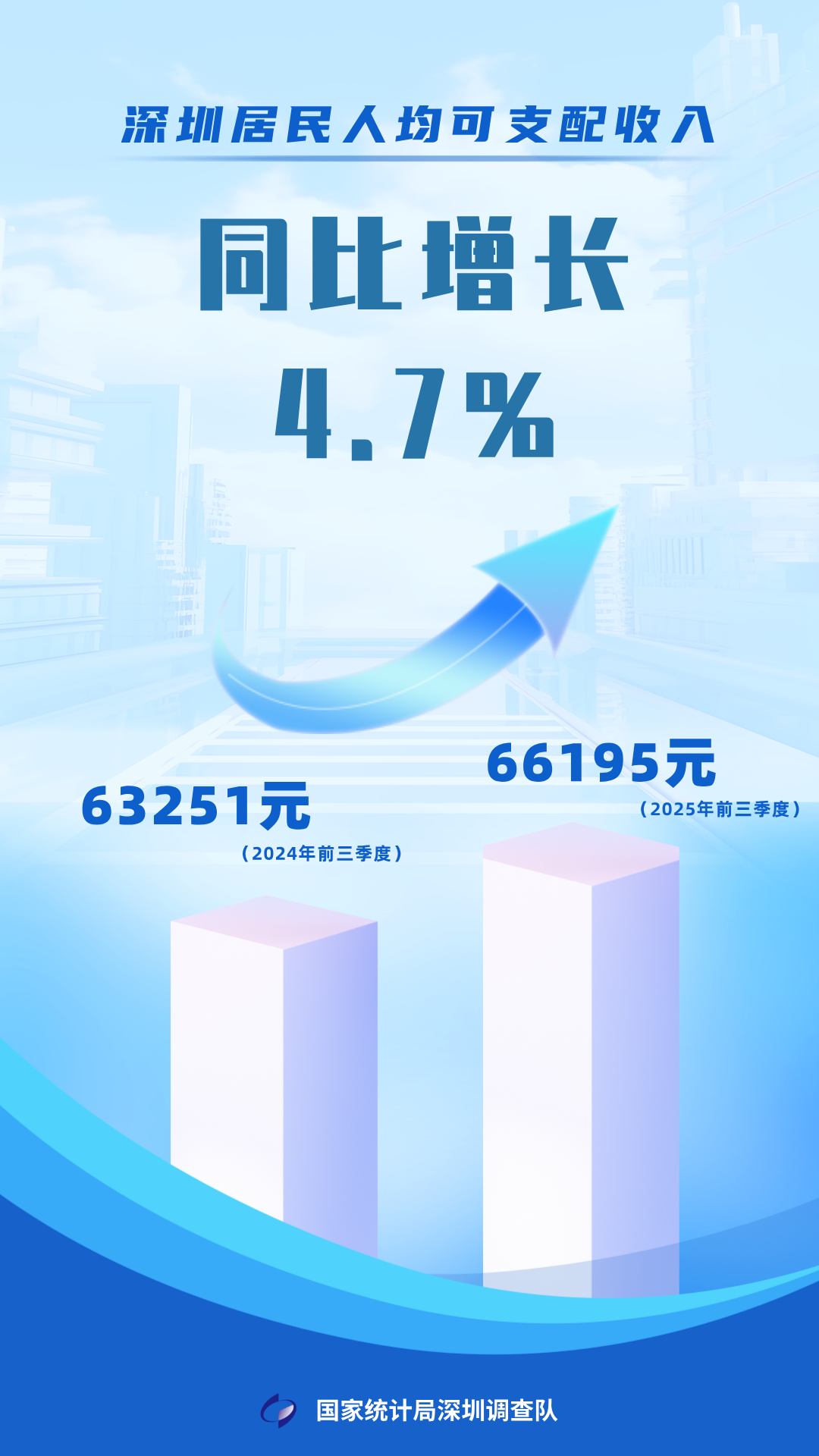
66195元!前三季度深圳居民人均可支配收入公布
Shen Zhen Shang Bao· 2025-10-28 07:08
Group 1 - The core viewpoint is that Shenzhen's per capita disposable income has shown a positive growth trend, indicating economic resilience and consumer spending potential [1][4] - In the first three quarters of 2025, Shenzhen's per capita disposable income reached 66,195 yuan, reflecting a year-on-year increase of 4.7% compared to 63,251 yuan in the same period of 2024 [1] - For the year 2024, the per capita disposable income in Shenzhen is projected to be 81,123 yuan, which is an increase of 4,213 yuan from 2023, representing a year-on-year growth of 5.5% and a real growth of 5.4% after adjusting for price factors [4]
2025年第三季度天津市城镇、农村居民累计人均可支配收入之比为1.84:1,累计人均消费支出之比为1.64:1
Chan Ye Xin Xi Wang· 2025-10-27 03:10
Core Insights - The disposable income for urban residents in Tianjin reached 47,990 yuan in Q3 2025, marking a year-on-year increase of 4.15%, while rural residents' disposable income was 26,112 yuan, with a growth of 5.35% [1] - Urban residents' average consumption expenditure was 29,800 yuan, reflecting a 4% increase year-on-year, and rural residents' consumption expenditure was 18,100 yuan, up by 4.26% [1] Income Growth - Urban disposable income has shown consistent growth over the past six years, indicating a positive trend in economic conditions for urban residents [1] - Rural disposable income also demonstrated a steady increase, suggesting improvements in the economic status of rural populations [1] Consumption Expenditure - The consumption expenditure for both urban and rural residents has increased, with urban residents spending an average of 29,800 yuan and rural residents 18,100 yuan, indicating a healthy consumer spending environment [1] - The growth rates in consumption expenditure for both urban and rural areas are relatively close, suggesting a balanced economic development [1]

2025年第三季度吉林省城镇、农村居民累计人均可支配收入之比为2.18:1,累计人均消费支出之比为1.86:1
Chan Ye Xin Xi Wang· 2025-10-27 03:10
Core Insights - The disposable income for urban residents in Jilin Province reached 30,366 yuan in Q3 2025, marking a year-on-year increase of 4.33%, while rural residents' disposable income was 13,941 yuan, with a growth of 5.62% [1] - Urban residents' average consumption expenditure was 21,000 yuan in Q3 2025, reflecting a year-on-year increase of 1.24%, whereas rural residents' consumption expenditure was 11,300 yuan, showing a growth of 4.84% [1] Income Trends - Jilin Province has seen a consistent annual increase in disposable income for both urban and rural residents over the past six years [1] - The cumulative disposable income statistics from 2020 to Q3 2025 indicate a positive growth trend for both urban and rural populations [1] Consumption Expenditure Trends - The cumulative consumption expenditure for urban residents from Q3 2024 to Q3 2025 shows a modest increase, while rural residents experienced a more significant growth in their consumption expenditure [1] - The data highlights the disparity in consumption patterns between urban and rural residents, with rural residents showing a higher growth rate in consumption expenditure [1]

2025年第三季度江苏省城镇、农村居民累计人均可支配收入之比为2.05:1,累计人均消费支出之比为1.58:1
Chan Ye Xin Xi Wang· 2025-10-27 03:10
Core Insights - The per capita disposable income for urban residents in Jiangsu Province reached 53,001 yuan in Q3 2025, marking a year-on-year increase of 4.33%, while rural residents' per capita disposable income was 25,806 yuan, with a year-on-year growth of 5.21% [1] - Urban residents' per capita consumption expenditure in Jiangsu Province was 32,600 yuan in Q3 2025, reflecting a year-on-year increase of 4.77%, whereas rural residents' per capita consumption expenditure was 20,600 yuan, showing a year-on-year growth of 6.1% [1] Income Growth - Jiangsu Province has seen a consistent annual increase in per capita disposable income for both urban and rural residents over the past six years [1] - The cumulative per capita disposable income statistics from 2020 to Q3 2025 indicate a positive trend in income growth for both demographics [1] Consumption Expenditure - The data indicates a steady rise in per capita consumption expenditure for both urban and rural residents in Jiangsu Province, with urban residents spending 32,600 yuan and rural residents spending 20,600 yuan in Q3 2025 [1] - The cumulative per capita consumption expenditure statistics from Q3 2024 to Q3 2025 further illustrate the upward trend in consumer spending [1]

前三季度云南省GDP超2.35万亿元 同比增长4.3%
Zhong Guo Xin Wen Wang· 2025-10-23 09:03
Core Insights - Yunnan Province's GDP for the first three quarters exceeded 2.35 trillion yuan, with a year-on-year growth of 4.3% [1] Economic Performance - The primary industry achieved a value-added of 250.37 billion yuan, growing by 2.8% [1] - The secondary industry recorded a value-added of 739.54 billion yuan, with a growth of 3.2% [1] - The tertiary industry saw a value-added of 1.36 trillion yuan, increasing by 5.2% [1] Agricultural Sector - The total output value of agriculture, forestry, animal husbandry, and fishery reached 427.62 billion yuan, with a year-on-year growth of 2.9% [1] - Summer grain and early rice production totaled 2.79 million tons, an increase of 0.63% compared to the previous year [1] Industrial Sector - The value-added of large-scale industries grew by 4.3%, accelerating by 0.3 percentage points compared to January-August [1] - Mining industry value-added increased by 9.7%, manufacturing by 4.6%, and electricity, heat, gas, and water production and supply by 1.9% [1] Consumer and Investment Trends - The total retail sales of consumer goods reached 953.77 billion yuan, with a year-on-year growth of 3.8% [2] - Fixed asset investment grew by 0.2%, with the primary industry investment increasing by 4.6%, while the secondary and tertiary industries saw declines of 0.1% and 0.3%, respectively [2] - The operating income of large-scale service industries was 251.23 billion yuan, growing by 6.4% [2] Income and Price Trends - The per capita disposable income of residents was 22,543 yuan, with a nominal growth of 5.0% and a real growth of 5.1% after adjusting for price factors [2] - The Consumer Price Index (CPI) saw a year-on-year decline of 0.1% [2] Policy and Future Outlook - The Yunnan Provincial Statistics Bureau indicated that economic indicators are stable and improving, supported by policies aimed at stabilizing the economy and employment [2] - Challenges such as insufficient effective demand and difficulties in transitioning between old and new growth drivers remain [2] - Future efforts will focus on enhancing the business environment, promoting economic growth, and developing a modern industrial system unique to Yunnan [2]
最新!31省份前三季度人均可支配收入发布
Di Yi Cai Jing Zi Xun· 2025-10-22 07:19
2025.10.22 浙江之后,天津、江苏、广东前三季度人均可支配收入均超过4.2万元,分列4到6位。福建前三季度人 均可支配收入达到39213元,位居第7。山东、重庆、辽宁和内蒙古前三季度居民人均可支配收入超过了 3万元,分列8到11位。 相比去年前三季度,今年前三季度居民人均可支配收入超过3万元的省份新增2个,新增的省份为辽宁和 内蒙古。 本文字数:1174,阅读时长大约2分钟 作者 |第一财经 林靖 国家统计局网站公布了31个省份2025年前三季度居民人均可支配收入情况。今年前三季度,有11个省份 居民人均可支配收入超过3万元。 居民可支配收入是指居民能够自由支配的收入,是居民可用于最终消费支出和储蓄的总和。可支配收入 既包括现金收入,也包括实物收入。按照收入来源,可支配收入包含四项,分别为工资性收入、经营净 收入、财产净收入和转移净收入。居民人均可支配收入是居民可支配收入除以常住人口数后得到的平均 数。这一指标可以用来衡量居民的生活水平和购买力,为制定保障和改善民生的政策提供重要参考。 国家统计局20日公布的数据显示,前三季度,全国居民人均可支配收入32509元,同比名义增长5.1%, 扣除价格因素实 ...