
日本再军事化

Search documents
日本官员叫嚣“拥核”,俄方表态
Xin Lang Cai Jing· 2025-12-20 14:59
Core Viewpoint - Russia opposes Japan's discussions regarding the potential for nuclear armament, asserting that Japan's re-militarization will heighten tensions in Northeast Asia [1] Group 1 - Russian Deputy Foreign Minister Andrei Rudenko stated that there are ongoing discussions in Japan about amending constitutional clauses related to the non-nuclear principle [1] - Rudenko emphasized a clear opposition to Japan's re-militarization, indicating that it would exacerbate tensions in the Northeast Asia region [1] - The statement suggests that Japan's military enhancements could provoke countermeasures from countries that perceive a threat [1]
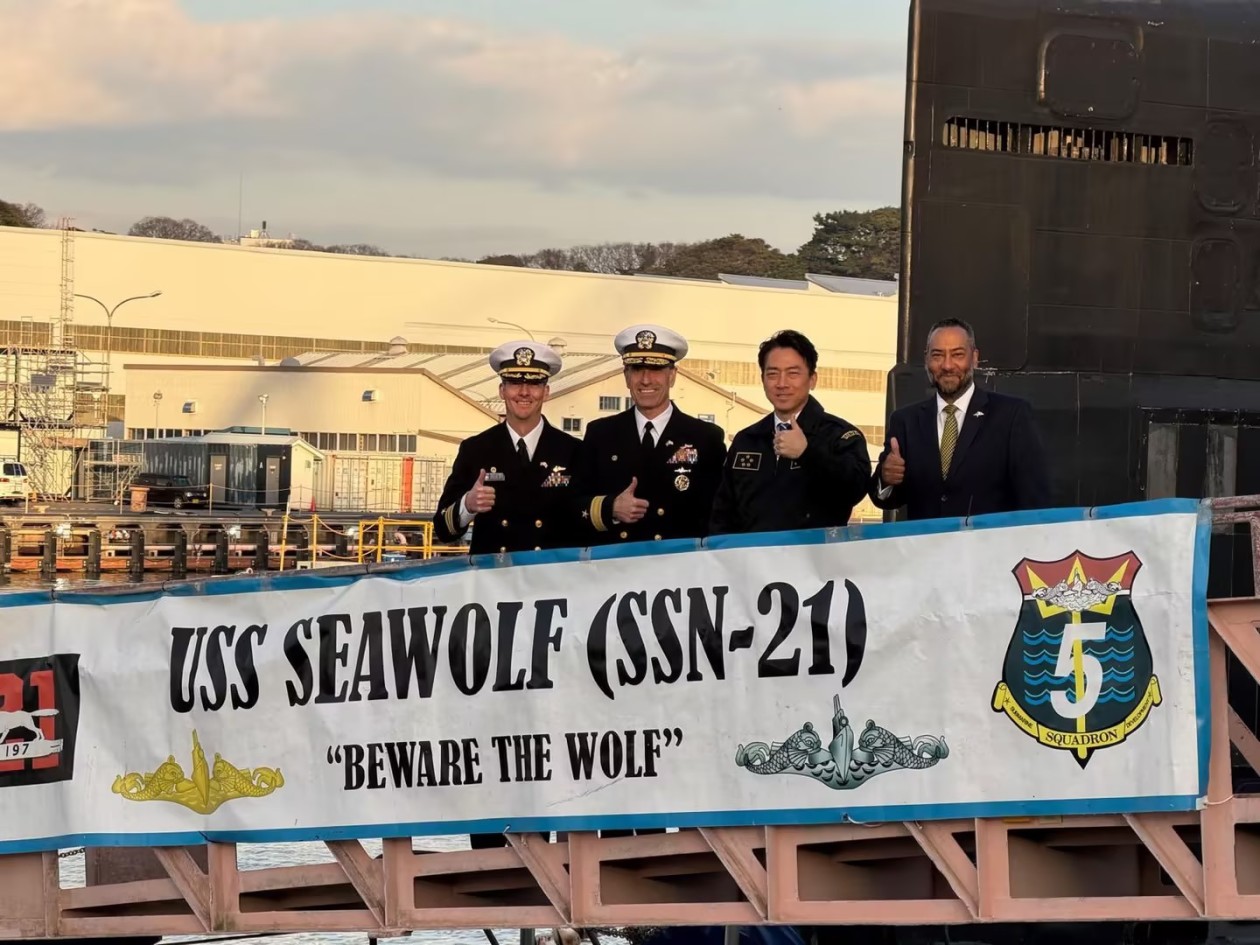
敏感时刻,小泉进次郎登上美国核动力潜艇
Huan Qiu Wang· 2025-12-20 08:07
Group 1 - Japan's Defense Minister, Koizumi Shinjiro, visited the US Navy's Yokosuka base and toured a Virginia-class nuclear submarine, indicating Japan's interest in acquiring next-generation submarines, including nuclear-powered ones [1] - Multiple civic groups in Japan protested against the government's pursuit of nuclear submarines, arguing that it contradicts Japan's "defensive posture" and escalates regional tensions [3] - A senior official from the Japanese Prime Minister's office suggested that Japan should possess nuclear weapons due to the increasingly severe security environment, which has drawn strong criticism from various political figures and organizations [3] Group 2 - China's Foreign Ministry expressed serious concern over Japan's potential move to acquire nuclear weapons, warning that it reflects a dangerous ambition to break international law and revive militarism [4] - The Chinese government highlighted Japan's recent military policy adjustments, including self-relaxation of collective self-defense rights and attempts to modify its "Three Non-Nuclear Principles," indicating a trend towards re-militarization [4]

中方:日方无端指责中国正当国防建设,令人不齿
Zhong Guo Xin Wen Wang· 2025-12-16 12:59
Group 1 - The Chinese government criticizes Japan's Defense Minister for making unfounded accusations regarding China's military spending, emphasizing that China's defense budget increase is legitimate and necessary for national security and international responsibilities [1] - Japan's defense spending has significantly increased over the past 13 years, with a nearly 60% rise in the last five years, leading to concerns among Asian neighbors and the international community about Japan's militarization [2] - Japan's military policy adjustments include the development of capabilities for "attacking enemy bases" and modifications to its arms export principles, raising alarms about a potential revival of militarism [2] Group 2 - The per capita defense spending in Japan for the fiscal year 2025 is projected to be three times that of China, with per capita defense personnel costs exceeding China's by more than two times [2] - The Chinese government asserts that Japan's actions contradict its commitments under international agreements and its own constitution, questioning Japan's adherence to its stated defense principles [2] - The article highlights a collective vigilance among peace-loving nations against any resurgence of Japanese militarism, emphasizing the importance of maintaining the outcomes of World War II [2]
外交部:日方无端指责、恶意抹黑中国正当国防建设,令人不齿
Xin Hua She· 2025-12-16 09:36
Core Viewpoint - The Chinese government strongly defends its defense spending against accusations from Japan, asserting that its military budget increase is legitimate and necessary for national security and international responsibilities [1][2] Group 1: Defense Spending Comparison - Japan's Defense Minister claims that China's military spending has increased sevenfold over the past 20 years, with a significant rise in the last three years, surpassing Japan's own military budget growth [1] - In the fiscal year 2025, Japan's per capita defense spending and per capita defense personnel costs are projected to be three times and more than twice that of China, respectively [1] Group 2: Historical Context and Military Policy - The Chinese spokesperson criticizes Japan's historical military aggression and suggests that Japan lacks the credibility to comment on China's defense policies [1][2] - Japan has been increasing its defense budget for 13 consecutive years, with a nearly 60% increase over the last five years, and is pursuing policies that could lead to a resurgence of militarism [2]
台湾回归中国的事实和法理不容置疑
Xin Hua She· 2025-12-09 01:51
Core Viewpoint - The Chinese government, represented by Foreign Minister Wang Yi, asserts that Taiwan has historically been part of China and condemns recent remarks by Japanese leaders regarding the use of force in Taiwan as a serious infringement on China's sovereignty and territorial integrity [1][2]. Group 1: Historical Context - Taiwan has been recognized as Chinese territory since ancient times, with the Cairo Declaration of December 1943 stating that Japan must return territories stolen from China, including Taiwan [2]. - The Potsdam Declaration, signed in July 1945, reiterated the conditions of the Cairo Declaration, which were to be implemented following Japan's defeat [2]. - Following Japan's surrender on August 15, 1945, the Chinese government announced the restoration of sovereignty over Taiwan on October 25, 1945, marking the end of Japanese rule [2]. Group 2: Legal and Political Assertions - The establishment of the People's Republic of China in 1949 replaced the Republic of China as the legitimate government of all Chinese territories, including Taiwan [2]. - The UN General Assembly Resolution 2758 in 1971 restored all rights of the People's Republic of China in the UN and expelled representatives of Taiwan, confirming Taiwan as a part of China [2]. - The 1972 Sino-Japanese Joint Statement acknowledged the People's Republic of China as the sole legitimate government of China and recognized Taiwan as an inseparable part of Chinese territory [2][3]. Group 3: Current Implications - Wang Yi emphasized that the historical and legal facts firmly establish Taiwan as part of China, and any attempts at "Taiwan independence" are seen as a violation of Chinese sovereignty and international law [3]. - The remarks by Japanese leaders are viewed as a challenge to the outcomes of World War II and pose a threat to peace in Asia and the world [1][3]. - Wang Yi called for reflection from Japan, especially given its historical actions in Taiwan, and urged the international community to prevent any resurgence of militarism or militarization from Japan [3].
王毅:台湾地位已被“七重锁定”
财联社· 2025-12-08 23:49
Core Viewpoint - The article emphasizes that Taiwan has historically and legally been a part of China, and recent statements from Japanese leaders regarding Taiwan are seen as a serious infringement on China's sovereignty and territorial integrity [1][6]. Historical Context - Taiwan has been recognized as Chinese territory since ancient times, with the Cairo Declaration of December 1943 stating that Japan must return Taiwan to China after World War II [2]. - The Potsdam Declaration of July 1945 reiterated the conditions of the Cairo Declaration, and Japan's surrender in August 1945 confirmed its commitment to these terms [3]. - The establishment of the People's Republic of China in 1949 marked the beginning of its sovereignty over all Chinese territory, including Taiwan [4]. - The UN General Assembly Resolution 2758 in 1971 restored the rights of the People's Republic of China in the UN and expelled representatives of Taiwan, affirming Taiwan as a part of China [4]. - The 1972 Sino-Japanese Joint Statement acknowledged the People's Republic of China as the sole legitimate government of China and recognized Taiwan as an inseparable part of Chinese territory [4]. Legal and Political Assertions - The article argues that a series of historical facts politically and legally confirm Taiwan as part of China, stating that any attempts at "Taiwan independence" are seen as a violation of both Chinese and international law [6]. - The article highlights the significance of the 80th anniversary of China's victory in the War of Resistance against Japan, urging Japan to reflect on its past actions and avoid militaristic rhetoric regarding Taiwan [6].
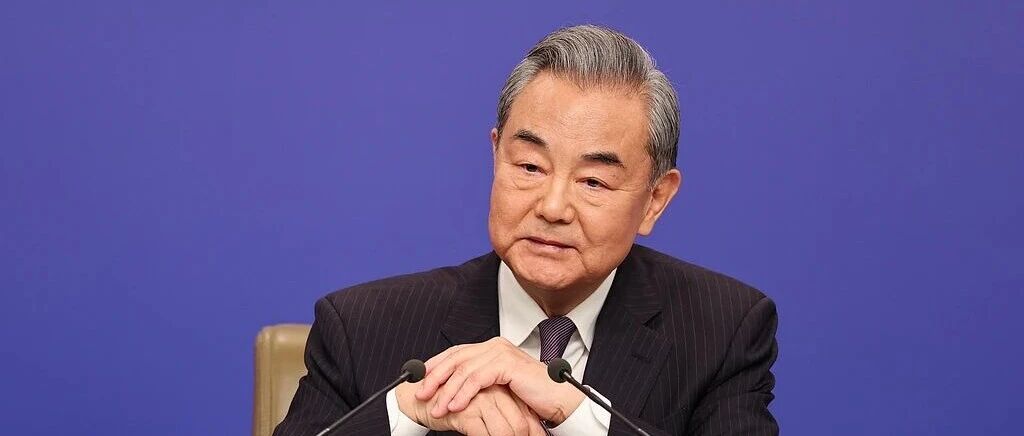
王毅:台湾地位已被“七重锁定”
Xin Hua She· 2025-12-08 21:11
Core Viewpoint - The Chinese Foreign Minister Wang Yi emphasized that Taiwan has historically and legally been part of China, responding to recent provocative statements from Japanese leaders regarding the use of force in Taiwan, which he claims violate China's sovereignty and challenge international order established post-World War II [1][2][3] Group 1: Historical Context - Taiwan has been recognized as Chinese territory since ancient times, with the Cairo Declaration of December 1943 stating that Japan must return territories stolen from China, including Taiwan [2] - The Potsdam Declaration of July 1945 reiterated the conditions of the Cairo Declaration, and Japan's surrender in August 1945 confirmed its commitment to these terms [2] - The Chinese government announced the restoration of sovereignty over Taiwan on October 25, 1945, following Japan's defeat [2] Group 2: Legal and Political Assertions - The establishment of the People's Republic of China in 1949 positioned it as the sole legitimate government representing all of China, including Taiwan [2] - The UN General Assembly Resolution 2758 in 1971 restored all rights of the People's Republic of China in the UN and expelled Taiwan's representatives, affirming Taiwan as a part of China [2] - The 1972 Sino-Japanese Joint Statement acknowledged the PRC as the only legitimate government of China and recognized Taiwan as an inseparable part of Chinese territory [2][3] Group 3: Current Implications - Wang Yi stated that the historical facts and legal principles firmly establish Taiwan's status as part of China, and any attempts at "Taiwan independence" are seen as a violation of both Chinese and international law [3] - He criticized Japan's current leadership for making threats regarding Taiwan, urging reflection on Japan's wartime actions and warning against militarization and revival of militaristic ambitions [3]