
一个中国原则

Search documents
外交部发布《中方关于联大第2758号决议的立场文件》
Xin Hua Wang· 2025-09-30 14:43
新华社北京9月30日电 9月30日,外交部发布《中方关于联大第2758号决议的立场文件》。全文如下: 1971年10月25日,第26届联合国大会以压倒性多数通过第2758号决议,"决定恢复中华人民共和国的一 切权利,承认中华人民共和国政府的代表为中国在联合国组织的唯一合法代表并立即把蒋介石的代表从 它在联合国组织及其所属一切机构中所非法占据的席位上驱逐出去"。该决议从政治上、法律上和程序 上干净彻底地解决了包括台湾在内全中国在联合国的代表权问题。它的合法性、有效性、权威性不容挑 战。 1971年9月第26届联大开幕时,支持中华人民共和国恢复在联合国席位的态势已经很清晰了,但美国不 甘心失败,还想试图阻挠。美国主要设置了两道障碍:一是"重要问题"提案,要求将驱逐蒋介石代表作 为《联合国宪章》第18条规定的"重要问题",必须由"到会及投票之会员国三分之二多数决定";二 根据《联合国宪章》的规定,中国是联合国创始成员国和安理会常任理事国。1945年联合国成立时,中 国的国号是中华民国。1949年,中国人民推翻中华民国政府,并改国号为中华人民共和国,成立中华人 民共和国中央人民政府。这属于一国内部新政权取代旧政权,中 ...
外交部:敦促有关国家停止为“台独”分子活动提供平台
Yang Shi Xin Wen Ke Hu Duan· 2025-09-30 08:17
(总台央视记者 黄惠馨) 责编:黄之安、王珊宁 9月30日,外交部发言人郭嘉昆主持例行记者会。有记者就台湾地区相关人员窜访波兰一事提问。对 此,郭嘉昆表示,世界上只有一个中国,台湾是中国领土不可分割的一部分,一个中国原则是中国和建 交国建立和发展外交关系的政治基础,也是国际关系的基本准则和国际社会的广泛共识。 郭嘉昆指出,中方一贯坚决反对建交国同中国台湾地区开展任何形式的官方往来。我们敦促有关国家严 格恪守一个中国原则,停止为"台独"分子活动提供平台,不向"台独"分裂势力发出任何错误信号。我们 要再次强调,近期赖清德当局频繁打着各种幌子四处窜访,散播"台独"分裂谎言谬论,渲染所谓"大陆 威胁",翻炒所谓"民主对抗威权"的谬论,诱拉外部势力为其谋"独"恶行壮胆,刻意挑动对立对抗,唯 恐世界不乱,险恶用心昭然若揭。无论民进党当局说什么做什么,都改变不了台湾是中国领土一部分的 历史和法理事实,撼动不了国际社会坚持一个中国原则的基本格局,更阻挡不了中国终将统一、也必将 统一的历史大势。 ...
任何挑战联大第2758号决议的言行都是妄图动摇战后国际秩序的根基
Ren Min Ri Bao Hai Wai Ban· 2025-09-29 22:30
Core Viewpoint - The spokesperson emphasizes that UN General Assembly Resolution 2758 is a "living document" that establishes "iron rules" and is a "hard truth" for maintaining the current international order, asserting that any challenge to this resolution undermines the post-war international order and interferes with China's internal affairs [1][2]. Summary by Sections Historical Context - The spokesperson references the Cairo Declaration and the Potsdam Proclamation, which stipulate the return of Taiwan and the Penghu Islands to China, forming an essential part of the post-war international order [1]. - The spokesperson notes that the 26th UN General Assembly overwhelmingly passed Resolution 2758 in 1971, confirming that there is only one China and that Taiwan is an inseparable part of Chinese territory [2]. Legal Implications - Resolution 2758 is stated to have definitively resolved the issue of representation for all of China, including Taiwan, in the UN, possessing broad and authoritative legal effect [2]. - The UN system expelled representatives of Taiwan and restored the legitimate seat of the People's Republic of China based on this resolution [2]. Practical Observations - Following the adoption of Resolution 2758, the UN and other international organizations have adhered to the one-China principle, stating that any issues regarding Taiwan's participation in international organizations must be handled under this principle [2]. - The official designation for Taiwan in UN documents is "Chinese Taipei," and 183 countries have established diplomatic relations with China based on the one-China principle [2]. Future Outlook - The spokesperson asserts that Taiwan's future lies in national reunification, emphasizing that with a strong motherland, the development space for Taiwanese compatriots will be greater, safer, and more dignified [3].
外交部:任何挑战联大第2758号决议的言行都是妄图动摇战后国际秩序的根基
Xin Hua She· 2025-09-29 11:06
Core Viewpoint - The spokesperson emphasizes that UN General Assembly Resolution 2758 is a "living document" that establishes "iron rules" and is a "hard truth" for maintaining the current international order, asserting that any challenge to this resolution undermines the post-war international order and interferes with China's internal affairs [1][2]. Summary by Relevant Sections Historical Context - The spokesperson references the Cairo Declaration and the Potsdam Proclamation, which state that Taiwan and the Penghu Islands, previously seized by Japan, should be returned to China, forming an essential part of the post-war international order [1][2]. Legal Standing - Resolution 2758 resolved the issue of representation for all of China, including Taiwan, in the UN, possessing broad and authoritative legal effect. Between 1971 and 1972, UN agencies expelled representatives of Taiwan and restored the legal seat to the People's Republic of China [2]. Practical Implications - Following the adoption of Resolution 2758, the UN system and other international organizations have adhered to the One China principle, stating that any issues regarding Taiwan's participation in international organizations must be handled under this principle. Official UN documents refer to Taiwan solely as "Chinese Taipei" [2]. Future Outlook - The spokesperson asserts that Taiwan's future lies in national reunification, emphasizing that with a strong motherland, the development space for Taiwanese compatriots will be greater, safer, and more dignified, and that the historical trend of China's eventual reunification is unstoppable [3].
外交部:敦促有关国家切实将坚持一个中国原则落到实处
Xin Hua She· 2025-09-29 10:40
郭嘉昆表示,我们要再次强调,世界上只有一个中国,台湾是中国领土不可分割的一部分,中华人民共 和国政府是代表全中国的唯一合法政府。这是国际社会普遍共识和国际关系基本准则。一个中国原则是 中国与所有国家建立和发展外交关系的前提和基础。个别西方政客出于一己私利,执意与台进行官方交 往,势必影响双边互信和互利合作。"我们敦促有关国家遵守对华政治承诺,切实将坚持一个中国原则 落到实处,约束有关政客与'台独'分裂分子划清界限,不要执意站在14亿多中国人民的对立面。" 郭嘉昆说,中国人民实现国家统一的正义事业不可阻挡,国际社会坚持一个中国的格局不可撼动。任何 妄图挑战一个中国原则、挑战国际法治和国际秩序的行径,必将遭到全体中国人民和所有热爱和平、支 持正义的各国人民的共同反对。 新华社北京9月29日电(记者袁睿、邵艺博)外交部发言人郭嘉昆29日表示,一个中国原则是中国与所 有国家建立和发展外交关系的前提和基础。敦促有关国家遵守对华政治承诺,切实将坚持一个中国原则 落到实处,约束有关政客与"台独"分裂分子划清界限,不要执意站在14亿多中国人民的对立面。 当日例行记者会上,有记者问:近期,台湾当局派员以不同名义和身份窜访有关国 ...
中国新增K字签证,外交部回应
证券时报· 2025-09-29 08:55
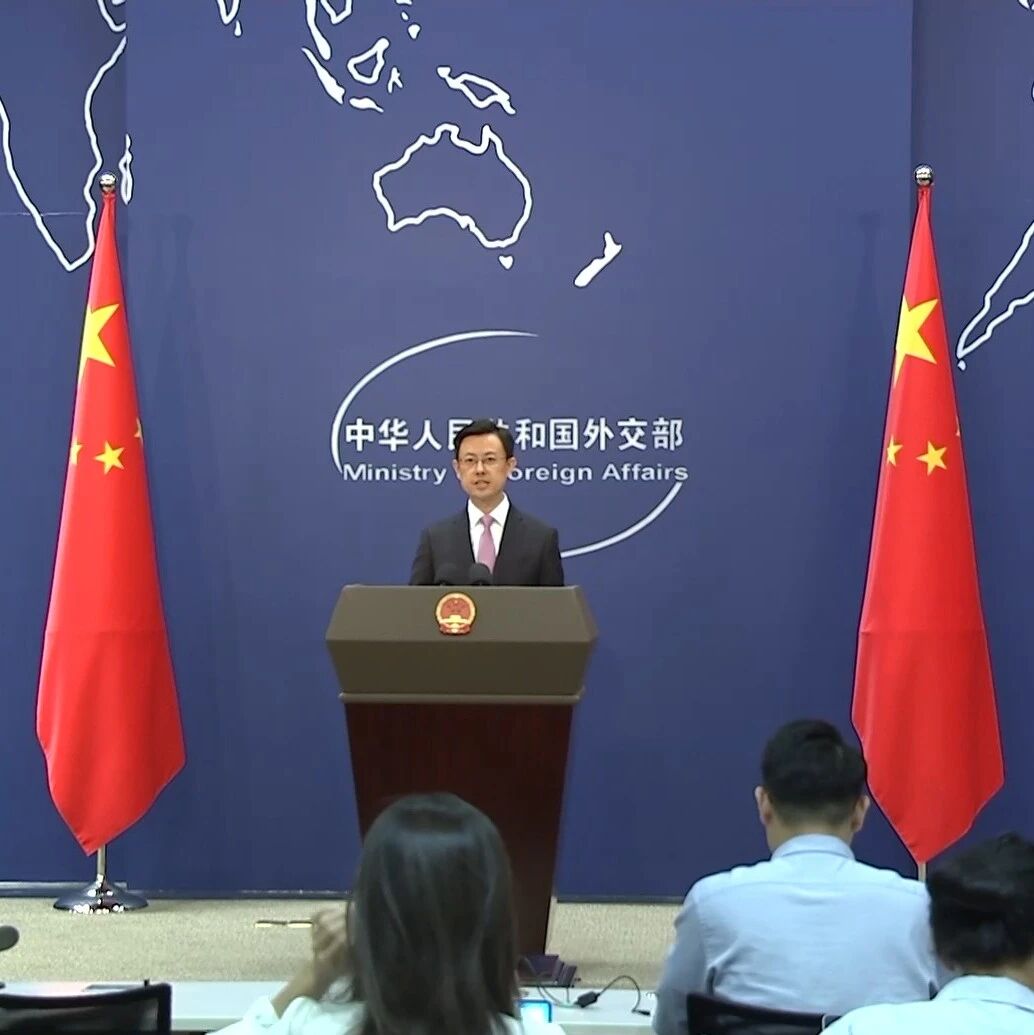
9月29日,外交部发言人郭嘉昆主持例行记者会。 有记者就中国推出"K字签证"相关问题提问。 对此,郭嘉昆表示,为促进中外青年科技人才交流与合作,中方决定在普通签证类别下,增设青年科技人才签证即"K字签证"。关于申办"K字签证"的具体事 宜,请关注中国驻外使领馆即将发布的相关信息。 有记者就中朝外长会谈有关情况提问。 对此,郭嘉昆表示,关于中朝两国外长举行会谈的相关情况,中方已经发布了消息,可以查阅。中方在半岛问题上的立场和政策,保持连续性、稳定性。中 方将继续以自己的方式,为维护半岛和平稳定,推动半岛问题政治解决进程发挥建设性作用。 有记者就近期台当局派员以不同名义和身份窜访有关国家提问。 对此,郭嘉昆表示,我们注意到有关情况。赖清德当局打着经贸、科技、文化等幌子,或以所谓私人身份、"非官方身份"窜访有关国家,大肆散播"台独"分裂 谎言谬论,极力诱拉外部势力为其谋"独"恶行壮胆,妄图通过自吹自擂掩盖施政无能的窘境。这些拙劣的表演只会让国际社会再次看清其丑陋嘴脸、险恶用心 和卑劣手段,无法改变台湾是中国一部分的事实,无法撼动国际社会坚持一个中国原则的基本格局。 版权声明 证券时报各平台所有原创内容,未经书面授权 ...

美国国会议员妄称中国大陆歪曲联大第2758号决议内涵 中方驳斥
Zhong Guo Xin Wen Wang· 2025-09-29 08:52
Core Viewpoint - The Chinese Foreign Ministry emphasizes the legitimacy of the UN General Assembly Resolution 2758, asserting that Taiwan is an inseparable part of China and rejecting any attempts to challenge this resolution [1][2]. Group 1: Historical Context - The UN General Assembly Resolution 2758 was passed in 1971, restoring the People's Republic of China's legitimate rights in the UN and confirming that there is only one China, with Taiwan being part of it [1][2]. - Previous attempts by certain countries to propose "dual representation" during the deliberation of Resolution 2758 failed, indicating that such efforts are unlikely to succeed now [2]. Group 2: Legal Standing - Resolution 2758 has broad legal authority, resolving the representation issue of Taiwan within the UN and emphasizing that Taiwan does not have independent status [2]. - The UN Secretariat has issued legal opinions affirming that Taiwan is a province of China, further solidifying the legal framework surrounding this issue [2]. Group 3: Practical Implications - Following the adoption of Resolution 2758, the UN and other international organizations have adhered to the One China principle, stating that any discussions regarding Taiwan's participation in international organizations must align with this principle [2]. - Official UN documents refer to Taiwan solely as "Chinese Taipei," and 183 countries have established diplomatic relations with China based on the One China principle [2]. Group 4: Future Outlook - The Chinese Foreign Ministry reiterates that Taiwan's future lies in national reunification, suggesting that a strong China will provide greater development opportunities and security for the people of Taiwan [2].
全国政协办公厅 中共中央统战部 国务院侨办 国务院港澳办 国务院台办 中国侨联联合举行国庆招待会
Yang Guang Wang· 2025-09-29 08:27
Core Points - The National Day reception was held to celebrate the 76th anniversary of the founding of the People's Republic of China, emphasizing the importance of unity and modernization for national rejuvenation [1][2] - Wang Huning highlighted the achievements of the Communist Party in economic development and social stability over the past 76 years, particularly since the 18th National Congress [1] - The reception included approximately 760 representatives from Hong Kong, Macau, Taiwan, and overseas Chinese communities, indicating a broad engagement with various sectors [2] Group 1 - The event was organized by multiple government bodies, showcasing a unified front in promoting national policies and strategies [1][2] - Emphasis was placed on the "One Country, Two Systems" principle and the importance of integrating Hong Kong and Macau into the national development framework [2] - The commitment to the "One China" principle and opposition to separatism was reiterated, reflecting the government's stance on Taiwan relations [2]
外交部:敦促有关国家约束有关政客与“台独”分裂分子划清界限
Zhong Guo Xin Wen Wang· 2025-09-29 08:20
我们要再次强调,世界上只有一个中国,台湾是中国领土不可分割的一部分,中华人民共和国政府是代 表全中国的唯一合法政府。这是国际社会普遍共识和国际关系基本准则。一个中国原则是中国与所有国 家建立和发展外交关系的前提和基础。个别西方政客出于一己私利,执意与台进行官方交往,势必影响 双边互信和互利合作。我们敦促有关国家遵守对华政治承诺,切实将坚持一个中国原则落到实处,约束 有关政客与"台独"分裂分子划清界限,不要执意站在14亿多中国人民的对立面。 中国人民实现国家统一的正义事业不可阻挡,国际社会坚持一个中国的格局不可撼动。任何妄图挑战一 个中国原则、挑战国际法治和国际秩序的行径,必将遭到全体中国人民和所有热爱和平、支持正义的各 国人民的共同反对。(完) 中新网北京9月29日电 (记者 曾玥 郭超凯)外交部发言人郭嘉昆29日主持例行记者会。 有记者提问:近期,台湾当局派员以不同名义和身份窜访有关国家。发言人对此有何评论? 郭嘉昆:我们注意到有关情况。赖清德当局打着经贸、科技、文化等幌子,或以所谓私人身份、非官方 身份窜访有关国家,大肆散播"台独"分裂谎言谬论,极力诱拉外部势力为其谋"独"恶行壮胆,妄图通过 自吹自擂掩盖 ...
外交部:坚持一个中国原则就应反对“台独”分裂
Yang Shi Xin Wen· 2025-09-29 07:47
9月29日,外交部发言人郭嘉昆主持例行记者会。有记者就台湾问题相关话题提问。对此,郭嘉昆表 示,台湾问题是中国核心利益中的核心,是中美关系第一条不可逾越的红线。一个中国原则是国际关系 基本准则和国际社会的普遍共识,也是中美关系的政治基础。坚持一个中国原则,就理所应当反对"台 独"分裂。 (总台央视记者 黄惠馨) ...