
中央八项规定精神

Search documents
10名干部违规聚餐,5人喝掉4瓶白酒,从中午十二点持续到下午两点,1人死亡后组局者没立即向组织汇报,反而试图隐瞒真相
新浪财经· 2026-01-12 09:49
Core Viewpoint - The article highlights a significant case of corruption involving Li Xianlin, a former official in Luo County, Henan Province, who organized a banquet that led to severe consequences, including the death of a participant and subsequent disciplinary actions against several officials [2][4][6]. Group 1: Incident Details - On March 21, 2025, a meeting was held to promote the implementation of the Central Eight Regulations, yet the next day, Li Xianlin organized a banquet with 10 officials, including his superiors, violating the regulations [6][10]. - During the banquet, 5 out of the 10 attendees consumed 4 bottles of liquor, leading to one participant's death shortly after the event [8][10]. - Li Xianlin attempted to cover up the incident by borrowing 900,000 yuan from a local businessman to compensate the deceased's family, while misleading reports were submitted to higher authorities [12][10]. Group 2: Financial Aspects - The total cost of the banquet was over 7,170 yuan, with more than 4,000 yuan spent on alcohol, which was recorded under the unit's account [14][15]. - Li Xianlin expressed that if the incident had not occurred, the banquet expenses would have been reimbursed through other means [14]. Group 3: Consequences and Reactions - Following the incident, Li Xianlin was expelled from the party and public office, with criminal charges being pursued against him [15]. - The Henan provincial government initiated a comprehensive review and education campaign to address similar misconduct, deploying 19 supervisory teams for inspections and establishing a reporting mechanism for problem clues [16].


壹视界·微视频丨“窑洞之问”,我们这样回答
Ren Min Wang· 2026-01-12 06:45
Core Viewpoint - The article emphasizes the importance of maintaining the original mission and continuously addressing the "Yaodong Question" as a means to write a worthy answer for the people in the new era [2]. Group 1 - The year 2025 marks the 80th anniversary of the "Yaodong Question," which poses a critical inquiry into how the Party can escape the historical cycle of governance and chaos [2]. - The year 2025 is also the concluding year of the "14th Five-Year Plan," during which China's economy is expected to progress under pressure and achieve major social and economic development goals [2]. - Under the strong leadership of the Party Central Committee, significant strides are being made towards Chinese-style modernization, reflecting a commitment to the original mission and future responsibilities [2].
电视专题片《一步不停歇 半步不退让》第一集《纠风治乱为民》
Zhong Yang Ji Wei Guo Jia Jian Wei Wang Zhan· 2026-01-12 06:28
Core Viewpoint - The article emphasizes the intertwined issues of party conduct and corruption, highlighting the need for comprehensive measures to address these problems within the party's governance framework [2][11]. Group 1: Party Conduct and Corruption - The current focus is on addressing the prominent issue of intertwined party conduct and corruption, as pointed out by General Secretary Xi Jinping [2]. - The approach involves a dual strategy of "same investigation" and "same treatment" to tackle the common roots of corruption and misconduct [2][11]. - The Central Commission for Discipline Inspection (CCDI) is intensifying efforts to investigate and rectify issues related to the "Four Winds" (formalism, bureaucracy, hedonism, and extravagance) [2][11]. Group 2: Case Study of Tang Rinjian - Tang Rinjian, former Secretary of the Party Leadership Group and Minister of Agriculture and Rural Affairs, exemplifies the characteristics of corruption intertwined with misconduct [3][5]. - His case illustrates how personal indulgence and a lavish lifestyle led to a cycle of corruption, with many illicit agreements made during social gatherings [3][4]. - The investigation revealed that Tang's corrupt practices were often concealed under the guise of legitimate business transactions, such as the sale of purported antiques [5][10]. Group 3: Consequences and Reforms - The CCDI has initiated reforms in response to the issues highlighted by Tang's case, emphasizing the need for systemic changes to prevent similar occurrences [11][20]. - The article notes that the implementation of the Central Eight Regulations has led to significant disciplinary actions against numerous officials, indicating a broader commitment to combating corruption [21][22]. - The focus on rectifying misconduct and corruption is seen as essential for maintaining public trust and ensuring effective governance [32][33].

新思想引领新征程丨扎实开展学习教育 推进作风建设常态化长效化
Yang Guang Wang· 2026-01-12 04:52
Core Viewpoint - The article emphasizes the importance of adhering to the Central Eight Regulations as a fundamental measure to improve party conduct and governance, highlighting the need for ongoing education and enforcement to combat corruption and maintain public trust in the party [1][2][5]. Group 1: Implementation of Central Eight Regulations - The Central Eight Regulations are viewed as essential for the party's image and survival, with a focus on addressing the "Four Winds" issues and promoting a culture of integrity [1]. - In 2025, a nationwide educational campaign will be launched to deepen the understanding and implementation of the Central Eight Regulations, aiming for significant improvements in party conduct [1][2]. - The campaign is seen as a critical step in consolidating the achievements of previous educational efforts and ensuring the party's governance remains robust [2]. Group 2: Results and Impact - In 2025, Jining City has implemented a "public meal" reform, eliminating formal dining for public receptions and promoting a more efficient and transparent dining process [3]. - Public reception expenditures in Jining City have decreased by 41.2% year-on-year in 2025, reflecting the effectiveness of the reforms [4]. - Nationwide, over 250,000 violations of the Central Eight Regulations were reported in the first eleven months of 2025, with more than 320,000 individuals receiving criticism or disciplinary action [4]. Group 3: Ongoing Challenges and Future Directions - Despite progress, there are indications of a resurgence of undesirable practices in some areas, necessitating continued vigilance and enforcement [1][4]. - The need for a comprehensive approach to address both corruption and the "Four Winds" issues is emphasized, with calls for a mechanism to investigate and rectify underlying corrupt practices [4]. - The Central Eight Regulations are framed as a long-term commitment rather than a temporary measure, underscoring the importance of sustained efforts in governance reform [4].
省委常委会召开2025年度民主生活会暨巡视整改专题民主生活会
Da Zhong Ri Bao· 2026-01-12 01:25
Group 1 - The meeting focused on implementing the spirit of the Central Eight Regulations and addressing issues raised in the Central Inspection feedback [2][3] - The Provincial Party Committee conducted a thorough self-examination, identifying gaps and shortcomings, and proposed corrective measures [3] - The meeting emphasized the importance of adhering to the principles of "faith, pragmatism, responsibility, and self-discipline" as outlined by General Secretary Xi Jinping [4] Group 2 - The Provincial Party Committee engaged in extensive discussions and solicited opinions to prepare for the meeting, ensuring a comprehensive analysis of prominent issues [2] - Reports were presented on the implementation of the Central Eight Regulations and efforts to reduce formalism and lighten the burden on grassroots [2] - The meeting concluded with a commitment to enhance political capabilities and maintain a focus on high-quality development and reform [4]
自我革命这根弦必须绷得更紧——写在二十届中央纪委五次全会召开之际
Ren Min Ri Bao· 2026-01-12 00:27
Core Viewpoint - The article emphasizes the importance of the Communist Party's self-revolution and strict governance to ensure effective leadership and promote economic and social development in China. Group 1: Party Governance and Self-Revolution - The Central Committee, led by Xi Jinping, is committed to strict party governance and self-revolution to address corruption and improve party conduct, ensuring progress in national affairs [1][2]. - In 2025, the implementation of the Central Eight Regulations is highlighted as a key task for party building, aiming to maintain discipline and improve party style [1][2]. Group 2: Education and Institutional Measures - The emphasis on deepening the education of the Central Eight Regulations is seen as a way to consolidate the achievements of party discipline education and promote strict governance [2][3]. - New regulations, such as the revised "Regulations on Rural Cadres' Integrity," are introduced to support grassroots officials in performing their duties with integrity [3][4]. Group 3: Anti-Corruption Efforts - In 2025, significant efforts were made to combat corruption, with 840,000 cases of misconduct reported, resulting in the recovery of 66.62 billion yuan for the public [7][8]. - The article notes that the fight against corruption is ongoing, with a focus on addressing both minor and major corruption issues to maintain public trust [9][10]. Group 4: Political Supervision and Accountability - Political supervision is emphasized as a crucial measure to ensure adherence to the Central Committee's leadership and to promote accountability among party members [6][9]. - The article discusses the importance of establishing a correct view of political achievements, linking it to the overall development of the party and the nation [5][10]. Group 5: Cultural and Systemic Reforms - The promotion of a culture of integrity is identified as a foundational project for advancing anti-corruption efforts, with plans for a three-year action plan to enhance integrity culture [13][14]. - The article highlights the need for continuous reform and innovation in the mechanisms of power operation and supervision to combat new forms of corruption effectively [14][15].
10名干部违规吃喝致1人酒后死亡,详情披露
Xin Lang Cai Jing· 2026-01-11 17:16
Core Viewpoint - The documentary emphasizes the ongoing efforts of the disciplinary inspection and supervision agencies to combat corruption and promote integrity, particularly focusing on the implementation of the Central Eight Regulations and addressing issues of misconduct and corruption that affect the public [1][2]. Group 1: Corruption and Misconduct Cases - The documentary highlights a case involving ten officials from Luoshan County, Xinyang City, who violated the Central Eight Regulations by engaging in improper dining practices, leading to severe consequences including one death and disciplinary actions against the others [3][5]. - The case illustrates a broader issue where the "Four Winds" problems persist, indicating that corruption and misconduct are still prevalent and require sustained efforts to address [1][4]. Group 2: Institutional Responses and Measures - The Central Committee has reiterated the importance of adhering to the Central Eight Regulations, emphasizing that the construction of a disciplined political environment is an ongoing process that requires continuous effort [2][12]. - In response to the incident, the Henan provincial authorities have initiated extensive educational campaigns and inspections to combat improper dining practices, establishing a mechanism for reporting issues and implementing strict regulations to prevent future occurrences [12][13]. Group 3: Public Sentiment and Impact - The public has shown strong support for the policies aimed at curbing improper dining practices, viewing them as essential for restoring integrity and trust in governance [13]. - The enforcement of the Central Eight Regulations has led to significant disciplinary actions, with over 220,000 cases reported nationwide from January to October 2025, reflecting a commitment to improving party conduct and public trust [13].
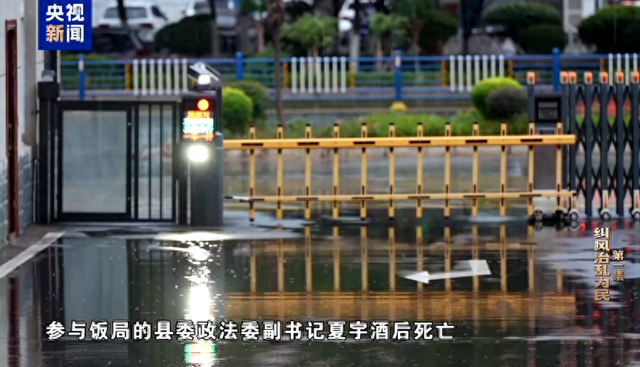
详情披露:10名干部违规聚餐,5人喝掉4瓶白酒,从中午十二点持续到下午两点,1人死亡后组局者没立即向组织汇报,反而试图隐瞒真相
Zhong Guo Ji Jin Bao· 2026-01-11 16:29
Core Viewpoint - The article highlights a significant case of corruption involving ten officials in Luo County, Henan Province, who violated the Central Eight Regulations during a learning education period, emphasizing the ongoing commitment to strict governance and the consequences of misconduct [1][3][14]. Group 1: Incident Overview - In March 2025, ten officials from Luo County engaged in a banquet that violated the Central Eight Regulations, leading to severe repercussions, including one death and disciplinary actions against the remaining nine [1][3]. - The banquet was organized by Li Xianlin, who was aware of the regulations but chose to disregard them, reflecting a broader issue of complacency among officials regarding compliance [3][5]. Group 2: Consequences and Reactions - The aftermath of the banquet resulted in Li Xianlin being expelled from the Party and public office, with criminal charges filed against him, highlighting the serious consequences of such violations [17][18]. - The incident prompted a comprehensive review and crackdown on similar misconduct across the province, with the establishment of oversight mechanisms and stricter regulations to prevent future violations [20][22]. Group 3: Broader Implications - The case serves as a reminder of the importance of adhering to the Central Eight Regulations, with the potential for significant personal and professional costs for those who fail to comply [24][26]. - The article underscores the need for continuous efforts to improve governance and maintain a strong connection between the Party and the public, as well as the importance of addressing corruption at all levels [26][28].
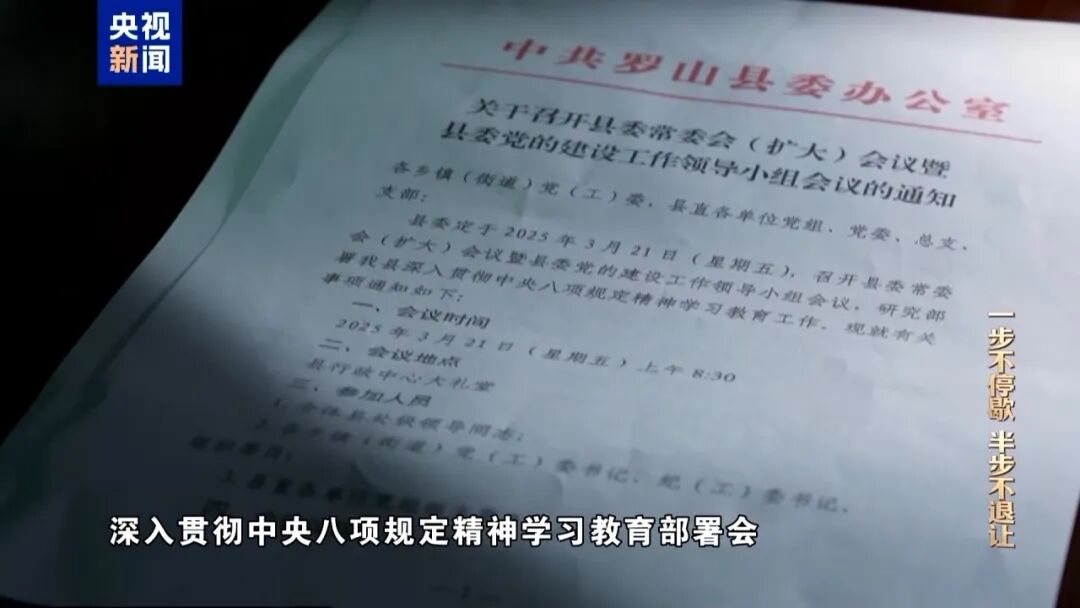
详情披露:10名干部违规聚餐,5人喝掉4瓶白酒,从中午十二点持续到下午两点,1人死亡后组局者没立即向组织汇报,反而试图隐瞒真相
中国基金报· 2026-01-11 16:10
来源: 中央纪委国家监委网站、央视新闻 1月11日晚,反腐专题片《一步不停歇 半步不退让》第一集播出。 其中剖析了 河南省信阳市、罗山县10名干部在学习教育期间违规吃喝严重违反中央八项规定 精神问题 。 以下为部分实录: 2025年3月,党中央部署开展深入贯彻中央八项规定精神学习教育,再次向全党宣示作风建 设永远在路上,表明一锤接着一锤敲、一抓到底的坚定决心。制定实施中央八项规定是我们 党在新时代的徙木立信之举,中央八项规定是必须长期坚守的铁规矩、硬杠杠。党中央响鼓 重锤、三令五申,但仍有一些党员干部政治意识极其淡薄,对党中央推进全面从严治党坚定 决心和意志的认识极不清醒,对党的纪律和规矩毫无敬畏戒惧之心。2025年3月发生的河南 省信阳市、罗山县10名干部在学习教育期间违规吃喝严重违反中央八项规定精神问题,就是 一起典型案例。 河南省 信阳市罗山县委原常委、政法委原书记 李献林 : 自己的底线没守住,带来一圈的 事,害了一圈的人。所以这也是我这段时间一直在忏悔的原因。 河南省 信阳市罗山县检察院 原 党组书记、检察长 段巍巍 : 当时知道自己付出这么沉重的 代价,肯定是不会去,但是现在没有办法去挽回这个事情 ...
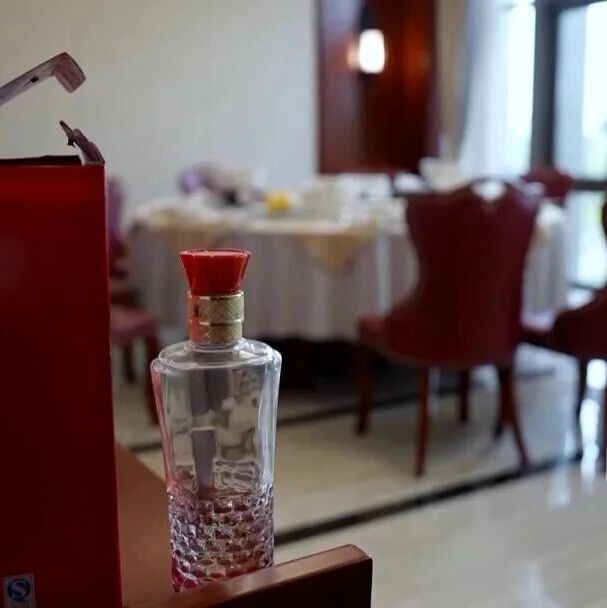
勇于自我革命 答好"窑洞之问"——写在二十届中央纪委五次全会召开之际
Zhong Yang Ji Wei Guo Jia Jian Wei Wang Zhan· 2026-01-11 15:46
Core Viewpoint - The Chinese Communist Party (CCP) emphasizes the importance of self-revolution and strict governance to maintain its leadership role in the modernization of socialism in China, particularly in response to historical challenges and contemporary issues [3][4][7]. Group 1: Self-Revolution and Governance - The CCP is committed to addressing the "Yaodong Question" posed 80 years ago, which focuses on the relationship between the party and the people, and emphasizes self-revolution as a key answer to historical cycles of rise and fall [3][4]. - The party's self-revolution is seen as essential for overcoming unique challenges faced by large political organizations, ensuring the CCP remains a strong leadership core for socialism with Chinese characteristics [2][3][4]. Group 2: Anti-Corruption Efforts - In 2025, the Central Commission for Discipline Inspection reported that 65 senior officials were investigated for serious violations of discipline and law, highlighting the ongoing commitment to anti-corruption efforts [8][9]. - The CCP has intensified its anti-corruption campaign, with significant numbers of cases being investigated and resolved, including 78.9 million cases nationwide, demonstrating a strong stance against corruption [9][10]. Group 3: Political Supervision and Public Engagement - Political supervision is being enhanced to ensure the implementation of major decisions made by the Central Committee, with a focus on addressing public concerns and improving governance [19][22]. - The party is actively engaging with the public to gather feedback on pressing issues, aiming to rectify problems that affect people's lives, such as food safety and rural development [19][21]. Group 4: Cultural and Institutional Reforms - The CCP is promoting a culture of integrity and accountability, with initiatives to enhance the awareness of anti-corruption and the importance of ethical governance among party members [14][15]. - Revisions to laws and regulations, such as the Anti-Waste Regulations and the Supervision Law, are being implemented to strengthen the framework for anti-corruption and improve the efficiency of governance [13][14].