
窑洞之问

Search documents
铭记“窑洞之问”践行“四下基层”
Xin Lang Cai Jing· 2026-02-23 20:40
Group 1 - The core idea emphasizes the relationship between the party and the people, highlighting the importance of understanding and serving the public as fundamental methods for party members and cadres [1][2] - The "窑洞之问" (Cave Question) serves as a deep examination of party members' political stance and capabilities, urging them to prioritize the well-being of the people in decision-making processes [1][2] - The concept of "四下基层" (Four Down to the Grassroots) is presented as a practical example of the new era's mass line, focusing on two-way interaction and problem-solving in grassroots engagement [2][3] Group 2 - The article stresses the need for party members to embody a sense of responsibility and execution in their roles, aiming for high-quality development and improved living standards [3] - It calls for a focus on enhancing governance effectiveness by adapting to modern governance requirements and employing legal and reformative approaches to resolve issues [3] - The importance of addressing public concerns in areas such as employment, education, healthcare, and housing is highlighted, with an emphasis on turning pain points into highlights of community life [3]
持之以恒 久久为功
Zhong Yang Ji Wei Guo Jia Jian Wei Wang Zhan· 2026-02-12 01:00
Group 1 - The core message emphasizes the importance of adhering to the Central Eight Regulations to improve party conduct and governance, which is seen as a long-term commitment rather than a temporary measure [1][2][3] - The implementation of the Central Eight Regulations has led to significant changes in public service practices, such as more regulated use of official vehicles and reduced public spending on meals and travel, which has garnered public support [1][2] - The relationship between the party and the people is highlighted as central to addressing issues of governance, with a focus on self-revolution and accountability to maintain public trust [2][3] Group 2 - The effectiveness of party governance is linked to the overall strength of the nation, with a call for continuous self-revolution among party members to enhance their capabilities and service to the public [3][4] - The need for vigilance against complacency and the resurgence of negative practices is stressed, indicating that ongoing efforts are required to maintain progress [2][3] - The narrative encourages a proactive approach to governance, emphasizing the importance of achieving results for the people through diligent and responsible actions [3][4]
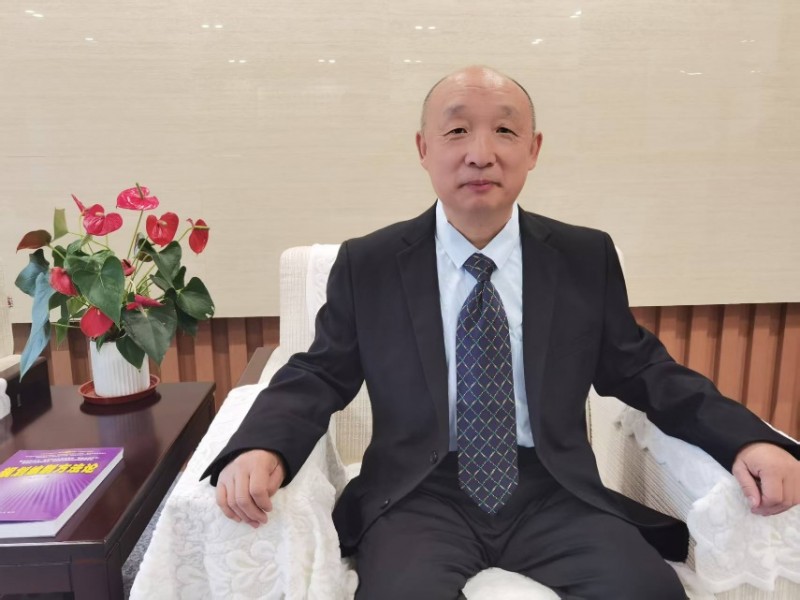
战略学家禹国印专访:以《规划编制方法论》破解窑洞之问与历史周期律难题
Sou Hu Wang· 2026-01-19 07:28
Core Viewpoint - The article emphasizes the importance of addressing the "cave question" and the historical cycle of governance through systematic planning methodologies, aiming for sustainable national governance and civilization development [1][16]. Group 1: Historical Cycle of Governance - The "historical cycle" refers to the repetitive lifecycle of dynasties characterized by phases of establishment, growth, prosperity, decline, struggle, collapse, and extinction, which many regimes find difficult to escape [3]. - Historical evidence shows that Chinese dynasties have clear "lifespan boundaries," with longer-lasting dynasties surviving over 200 years, while others like Qin and Sui lasted only 15 and 38 years respectively [3]. - Recognizing the existence of the historical cycle serves as a perpetual reminder for governance self-reflection, prompting the search for solutions to avoid repeating past mistakes [3]. Group 2: Root Causes of the Historical Cycle - The formation of the historical cycle is attributed to the failure and absence of effective planning and management systems that support regime operation [4]. - A robust planning management system is crucial for ensuring the implementation of governance strategies and maintaining sustainable development [4][5]. - The decline of a regime is often marked by the deterioration of its planning management system, leading to inefficiencies and an inability to address emerging risks and existing problems [5]. Group 3: Solutions through Planning Methodology - The key to breaking the historical cycle lies in establishing a modern planning governance system that is agile, scientific, and efficient, focusing on preventive measures against governance risks [6]. - The "Planning Compilation Methodology" serves as a theoretical tool to systematically identify national core needs and design comprehensive solutions [8]. - A strong planning management system is essential for timely problem resolution, which acts as a protective barrier against the historical cycle [8][9]. Group 4: Implementation Strategies - Establishing a rigid mechanism for planning compilation can prevent the escalation of minor issues into major crises [9]. - A people-centered planning philosophy should be integrated into the entire planning process to ensure alignment with public needs and enhance governance legitimacy [10]. - Continuous iteration of high-quality planning is necessary to adapt to new developmental demands and maintain the vitality of governance [10][11]. Group 5: Talent and Capacity Building - Developing a high-level planning think tank and strategic talent pool is vital for enhancing the capacity of planning compilation [11][12]. - Strong planning capabilities are essential for self-reform and adapting to changing circumstances, ensuring that governance remains relevant and effective [12][13]. - Effective execution of planning is crucial for achieving tangible results in governance, necessitating a well-trained and capable administrative team [13][14].

文化之约 | 回望延安 汲取自我革命的力量
Zhong Yang Ji Wei Guo Jia Jian Wei Wang Zhan· 2026-01-16 00:24
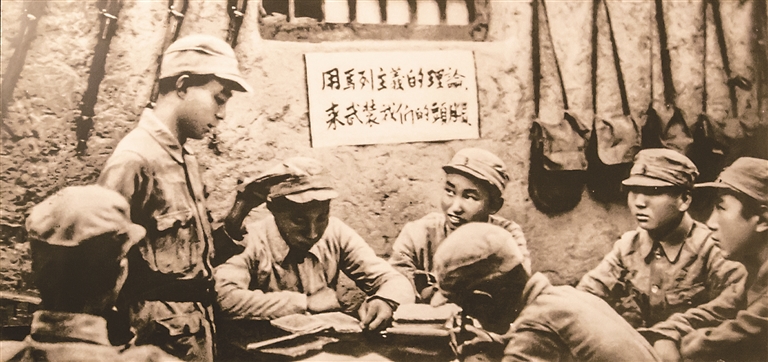
Core Viewpoint - The article reflects on the historical significance of the Yan'an period in the Chinese Communist Party's development, emphasizing the importance of self-revolution and discipline in governance, as well as the need for continuous engagement with the populace to ensure accountability and integrity in leadership [5][10][15]. Group 1: Historical Context - The Yan'an period is characterized by the Communist Party's focus on self-reform and ideological education, particularly through the Yan'an Rectification Movement, which aimed to strengthen party unity and discipline [7][9]. - Mao Zedong's dialogue with Huang Yanpei in 1945 highlighted the necessity for the people to supervise the government, a principle that remains relevant today [5][6]. Group 2: Party Discipline and Education - The article discusses the emphasis on discipline within the party, noting that the establishment of political discipline was crucial for the party's ability to lead effectively [10][12]. - The Yan'an Rectification Movement involved widespread self-criticism and reflection among party members, fostering a culture of accountability and collective responsibility [8][11]. Group 3: Leadership and Governance - Key leaders, including Mao Zedong, Zhu De, and Liu Shaoqi, exemplified the values of hard work and simplicity, which helped to cultivate a strong connection with the masses and build trust [14][15]. - The article highlights the "Ten No's" of the Yan'an period, which served as a moral compass for the party, promoting integrity and self-reliance among its members [14][15]. Group 4: Legacy and Modern Implications - The legacy of the Yan'an period continues to influence the Communist Party's approach to governance, with a focus on innovation, reform, and addressing the needs of the people in contemporary China [16]. - The article concludes by asserting that the principles established during the Yan'an period remain vital for the party's ongoing mission to serve the people and respond to their expectations [16].
【延安】新加坡人民行动党代表团成员走进延安
Shan Xi Ri Bao· 2026-01-13 00:34
Group 1 - The visit of the Singapore People's Action Party delegation to Yan'an highlights the historical significance of the Chinese Communist Party (CCP) and its governance experience, emphasizing the importance of learning from history for future guidance [1][3][4] - The establishment of an annual "reciprocal visits" mechanism between the CCP and the Singapore People's Action Party in 2024 signifies deepening cooperation between China and Singapore across various fields [2] - The delegation's interest in local conflict resolution methods and community engagement in Yan'an reflects a desire to adopt systematic approaches to governance and public service back in Singapore [4] Group 2 - The delegation's exploration of historical sites in Yan'an, such as the Zhaoyuan Revolutionary Site, provided insights into the CCP's early struggles and the values that shaped its leadership [3] - The emphasis on the CCP's commitment to serving the people and improving their lives was a key takeaway for the delegation, showcasing the party's focus on grassroots governance [4] - The discussions around the role of volunteers in community mediation and the structured approach to conflict resolution in Yan'an were particularly noted as valuable experiences for potential application in Singapore [4]
壹视界·微视频丨“窑洞之问”,我们这样回答
Ren Min Wang· 2026-01-12 06:45
Core Viewpoint - The article emphasizes the importance of maintaining the original mission and continuously addressing the "Yaodong Question" as a means to write a worthy answer for the people in the new era [2]. Group 1 - The year 2025 marks the 80th anniversary of the "Yaodong Question," which poses a critical inquiry into how the Party can escape the historical cycle of governance and chaos [2]. - The year 2025 is also the concluding year of the "14th Five-Year Plan," during which China's economy is expected to progress under pressure and achieve major social and economic development goals [2]. - Under the strong leadership of the Party Central Committee, significant strides are being made towards Chinese-style modernization, reflecting a commitment to the original mission and future responsibilities [2].
持续答好“窑洞之问”的检察答卷
Xin Lang Cai Jing· 2026-01-11 23:23
Core Viewpoint - The article emphasizes the importance of answering the "Cave Question" posed by history, highlighting the need for self-revolution and public supervision in the judicial system to ensure accountability and effectiveness in the prosecution sector [1][4]. Group 1: People's Supervision - The exercise of prosecutorial power must be for the people, accountable to them, and subject to their supervision, ensuring satisfaction among the populace [2]. - There is a need to actively accept supervision from the National People's Congress and the Chinese People's Political Consultative Conference, transforming this oversight into a driving force for the prosecution to address its challenges and better serve development [2]. - The implementation and improvement of the People's Supervisor system should be continued, broadening the channels for public participation and supervision in prosecutorial work [2]. Group 2: Self-Revolution - The article asserts that self-revolution is a distinctive trait and significant advantage of the party, which must be fully embraced in the prosecution sector [3]. - Prosecutorial agencies are urged to enhance their internal construction and fulfill their responsibilities in strict party governance, thereby promoting effective self-revolution [3]. - A focus on political and legal integration is necessary, ensuring that prosecutorial work aligns with party directives and maintains a correct political orientation [3]. Group 3: Integration of Supervision and Self-Revolution - The relationship between accepting public supervision and self-revolution is interlinked, with external supervision serving as a remedy and internal self-revolution acting as a form of immunity [4]. - Prosecutorial agencies are encouraged to enhance their performance quality through conscious acceptance of supervision and a commitment to self-revolution, aiming for high-quality outcomes in their duties [4].
勇于自我革命 答好"窑洞之问"——写在二十届中央纪委五次全会召开之际
Zhong Yang Ji Wei Guo Jia Jian Wei Wang Zhan· 2026-01-11 15:46
Core Viewpoint - The Chinese Communist Party (CCP) emphasizes the importance of self-revolution and strict governance to maintain its leadership role in the modernization of socialism in China, particularly in response to historical challenges and contemporary issues [3][4][7]. Group 1: Self-Revolution and Governance - The CCP is committed to addressing the "Yaodong Question" posed 80 years ago, which focuses on the relationship between the party and the people, and emphasizes self-revolution as a key answer to historical cycles of rise and fall [3][4]. - The party's self-revolution is seen as essential for overcoming unique challenges faced by large political organizations, ensuring the CCP remains a strong leadership core for socialism with Chinese characteristics [2][3][4]. Group 2: Anti-Corruption Efforts - In 2025, the Central Commission for Discipline Inspection reported that 65 senior officials were investigated for serious violations of discipline and law, highlighting the ongoing commitment to anti-corruption efforts [8][9]. - The CCP has intensified its anti-corruption campaign, with significant numbers of cases being investigated and resolved, including 78.9 million cases nationwide, demonstrating a strong stance against corruption [9][10]. Group 3: Political Supervision and Public Engagement - Political supervision is being enhanced to ensure the implementation of major decisions made by the Central Committee, with a focus on addressing public concerns and improving governance [19][22]. - The party is actively engaging with the public to gather feedback on pressing issues, aiming to rectify problems that affect people's lives, such as food safety and rural development [19][21]. Group 4: Cultural and Institutional Reforms - The CCP is promoting a culture of integrity and accountability, with initiatives to enhance the awareness of anti-corruption and the importance of ethical governance among party members [14][15]. - Revisions to laws and regulations, such as the Anti-Waste Regulations and the Supervision Law, are being implemented to strengthen the framework for anti-corruption and improve the efficiency of governance [13][14].
勇于自我革命 答好“窑洞之问”——写在二十届中央纪委五次全会召开之际
Xin Hua She· 2026-01-11 14:50
Group 1 - The core message emphasizes the importance of self-revolution within the Communist Party of China (CPC) to address the historical "cave question" posed by Huang Yanpei, which seeks to prevent the cyclical rise and fall of political power [3][25] - The CPC is committed to maintaining a strong leadership role in the modernization of socialism with Chinese characteristics, ensuring that the party remains the core of governance [2][7] - The year 2025 marks significant anniversaries for the CPC, including the 80th anniversary of the "cave question," highlighting the ongoing relevance of self-revolution in the party's governance strategy [3][4] Group 2 - The CPC's self-revolution is framed as a necessary response to the challenges of governance, with a focus on strict party discipline and anti-corruption measures [4][6] - The implementation of the Central Eight Regulations and the fight against the "Four Winds" (formalism, bureaucracy, hedonism, and extravagance) are highlighted as key strategies in the party's self-revolution efforts [5][8] - The CPC has reported significant progress in anti-corruption efforts, with numerous high-profile cases leading to disciplinary actions against officials, reflecting a commitment to maintaining integrity within the party [9][11] Group 3 - The CPC is enhancing its political supervision mechanisms to ensure that major decisions are effectively implemented, particularly in the context of the upcoming "15th Five-Year Plan" [6][20] - The party is actively engaging with the public to address concerns and improve governance, as seen in initiatives like the "pointed rectification" surveys conducted by local party committees [21][23] - The focus on reducing bureaucratic burdens on grassroots officials is part of a broader strategy to foster a more effective and responsive governance structure [22][23]
新华全媒头条丨勇于自我革命 答好“窑洞之问”——写在二十届中央纪委五次全会召开之际
Xin Hua She· 2026-01-11 14:40
Group 1 - The core message emphasizes the importance of self-revolution within the Communist Party of China (CPC) to maintain its leadership role in the modernization of socialism with Chinese characteristics [3][4][7] - The CPC is committed to addressing the "Yaodong question" by ensuring that the party remains strong and effective in governance, focusing on self-discipline and anti-corruption measures [2][5][6] - The year 2025 marks significant anniversaries for the CPC, highlighting the ongoing efforts to strengthen party governance and address historical challenges [4][18] Group 2 - The CPC has implemented a series of measures to combat corruption, including the establishment of a long-term mechanism to address issues related to the "Four Winds" [5][8][9] - In 2025, the CPC reported significant achievements in anti-corruption efforts, including the investigation of high-ranking officials and the recovery of substantial amounts of embezzled funds [9][10][14] - The CPC is enhancing its political supervision to ensure that major decisions are effectively implemented, particularly in the context of the Hainan Free Trade Port's development [19][20] Group 3 - The CPC is focusing on grassroots governance and reducing bureaucratic burdens to enhance the effectiveness of local officials and improve public service delivery [23][24][25] - The promotion of a culture of integrity and anti-corruption is being prioritized, with initiatives aimed at fostering a clean political environment and public trust [15][16][21] - The CPC is actively engaging with the public to address their concerns and improve governance, ensuring that policies are responsive to the needs of the people [21][22]