
二十四节气

Search documents
文化中国行丨二十四节气·立冬 在沉静中孕育下一场春暖花开
Yang Shi Xin Wen Ke Hu Duan· 2025-11-08 02:01
Core Viewpoint - The article highlights the significance of the "Lidong" solar term, marking the transition into winter, and emphasizes the cultural and natural beauty associated with this period [2] Group 1: Natural Changes - As Lidong arrives, nature transitions from vibrancy to tranquility, with rivers slowing down and vegetation shedding its lushness [2] - Traditional wisdom reflects a deep understanding of seasonal changes, as illustrated by the saying "Lidong one day, water cools three parts" [2] Group 2: Cultural Practices - The customs associated with Lidong include "welcoming winter" and "supplementing winter," where families gather to enjoy warm meals, enhancing familial bonds [2] - In the Northeast region, agricultural crops enter their winter dormancy, while in areas like Jianghuai, the busy autumn harvest season comes to a close [2]


二十四节气·立冬
Yang Shi Wang· 2025-11-07 12:32
Core Points - The article discusses the significance of the "Lidong" solar term, marking the beginning of winter and the transition of nature from vibrancy to tranquility [1][3][4] - It highlights traditional customs associated with Lidong, such as family gatherings and seasonal foods, emphasizing the cultural importance of this time [2][3] Summary by Sections - **Cultural Significance** - Lidong is recognized as the 19th solar term in the Chinese calendar, symbolizing the onset of winter [1] - Traditional practices include "welcoming winter" and "supplementing winter," where families gather to enjoy seasonal dishes, enhancing familial bonds [2][3] - **Natural Changes** - As Lidong arrives, nature transitions into a quieter state, with rivers slowing down and vegetation shedding its vibrancy [3][4] - The article notes the agricultural implications, with crops in northeastern regions entering their winter dormancy and the end of the busy autumn harvest in areas like Jianghuai [3]
酷玩推荐官·人间好时节:立冬
人民网-国际频道 原创稿· 2025-11-07 03:21
Core Points - The article discusses the significance of the "Lidong" (立冬) solar term in China, marking the official start of winter and its cultural implications [2] - It highlights various winter traditions and practices in both domestic and international contexts, emphasizing the importance of preparation for the winter season [2] Group 1: Seasonal Transition - "Lidong" is one of the 24 solar terms in China, representing a crucial seasonal transition [2] - The arrival of "Lidong" indicates the end of autumn and the beginning of winter, prompting various cultural and agricultural activities [2] Group 2: Agricultural Practices - For farmers, "Lidong" is a key time for wrapping up agricultural work and storing supplies [2] - New grains from the autumn harvest are stored, and traditional practices such as watering fields with "frozen water" are employed when temperatures stabilize between 0 to 5°C [2] - In northern rural areas, grains are stored on heated kang beds to prevent moisture, while vegetables like cabbage and radishes are layered with soil in cellars for preservation [2] Group 3: Cultural Traditions - Different countries have unique winter traditions, such as viewing the aurora in Finland, skiing in Canada, and winter festivals in Norway [2] - In China, northern regions typically consume dumplings and lamb soup, while southern regions enjoy a variety of warm foods to "supplement winter" [2]
今日立冬
中国能源报· 2025-11-06 23:08
Core Points - The article discusses the significance of the "Lidong" solar term, which is the 19th of the 24 solar terms in the Chinese calendar, marking the beginning of winter and the end of the growth season [1] Group 1 - The term "Lidong" signifies the start of a period where vitality begins to retreat, indicating that all living things enter a state of rest and conservation [1]

苏城秋天“进度条”几时拉满 本周最低气温10℃左右
Su Zhou Ri Bao· 2025-11-03 00:26
Core Viewpoint - The article describes the recent weather changes in Suzhou, highlighting the transition from autumn to winter with a focus on temperature fluctuations and upcoming weather patterns [1] Weather Conditions - Suzhou experienced a shift in weather due to the arrival of weak cold air, leading to a clear and sunny day on November 2, with temperatures remaining comfortable despite a slight drop [1] - The city is currently seeing significant temperature fluctuations influenced by cold air and clear skies, with cooler mornings and evenings [1] Upcoming Weather Forecast - According to the Suzhou Meteorological Station, there will be a small rain event from the night of November 6 to November 9, with the rest of the week characterized by changing cloud patterns [1] - Temperatures are expected to gradually rise, with minimum temperatures around 10°C anticipated on the morning of November 3 [1] Seasonal Transition - November 7 marks the beginning of the 19th solar term, "Lidong," which signifies the start of winter [1] - Suzhou typically enters meteorological winter in late November [1]
文化中国行丨二十四节气·霜降 霜降见霜 米谷满仓
Yang Shi Xin Wen Ke Hu Duan· 2025-10-24 01:48
Core Points - The "Frost's Descent" is the eighteenth solar term in the twenty-four solar terms, showcasing the beauty of tranquility in nature [1] - In regions like Northeast and Northwest, snowflakes are falling, while most southern areas experience vibrant autumn colors, described as "frost leaves redder than February flowers" [3] - The season brings gifts from nature, such as sweet persimmons hanging in orange-red hues after frost, and chrysanthemums blooming proudly, encouraging gatherings for activities like climbing, flower admiring, and leaf tasting [5]
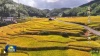
二十四节气·霜降|跟随镜头领略“霜叶红于二月花”的诗情画意
Yang Shi Wang· 2025-10-24 01:38
Group 1 - The "Frost's Descent" is the eighteenth solar term in the twenty-four solar terms, showcasing the beauty of tranquility in nature [1] - According to agricultural proverbs, "seeing frost during Frost's Descent means a full granary," indicating the nearing end of autumn harvest in northern fields and the busy activities of harvesting late rice and planting oilseed rape in southern regions [3] - In northeastern and northwestern areas, snowflakes are falling, while most southern regions experience vibrant autumn colors, described as "frosty leaves redder than February flowers" [4] Group 2 - The season brings forth orange-red persimmon trees, with frost-ripened persimmons being particularly sweet, symbolizing nature's gifts during this time [6] - This period also sees chrysanthemums blooming proudly, and it is a common practice to invite friends to enjoy climbing, appreciating chrysanthemums, and tasting red leaves, which has become a refined activity during the Frost's Descent season [9]

二十四节气·霜降
Yang Shi Wang· 2025-10-23 14:11
Core Viewpoint - The article highlights the beauty and significance of the "Frost's Descent" solar term, emphasizing the seasonal changes and agricultural activities associated with this time of year [1] Summary by Relevant Sections - **Seasonal Changes** - The "Frost's Descent" marks the 18th solar term in the 24 solar terms, showcasing a tranquil beauty in nature [1] - Regions such as Northeast and Northwest experience snowfall, while southern areas display vibrant autumn colors [1] - **Agricultural Activities** - The saying "Frost's Descent sees frost, grains fill the granary" reflects the nearing end of autumn harvest in northern fields [1] - In southern regions, activities include harvesting late rice and planting oilseed crops [1] - **Natural Gifts** - The season brings sweet persimmons, which are particularly delicious after frost, symbolizing nature's gifts during this time [1] - Chrysanthemums bloom proudly, and social activities such as climbing, appreciating chrysanthemums, and enjoying red leaves become popular [1]
节令之美|霜降:秋色向晚,好“柿”成“霜”
Xin Hua She· 2025-10-23 08:52
Group 1 - The article discusses the arrival of the frost season, marking the end of autumn and the preparation for winter, emphasizing the changes in temperature and nature [1][2] - It highlights the vibrant autumn scenery across various regions, particularly in Jilin and Yunnan, showcasing the colorful landscapes and the impact of the frost on local flora [1][2] - The article notes the cultural significance of the frost season, including traditional practices and observations related to the first frost, which is seen as a time for harvest and preparation for winter [3] Group 2 - In Jilin, farmers are experiencing a bountiful harvest, with significant quantities of rice and corn being distributed nationwide, indicating a successful agricultural season [2][3] - The article mentions the ecological changes that occur during the frost season, such as the dormancy of plants and animals, reflecting a natural cycle of life [2][3] - It emphasizes the importance of the frost season in agricultural practices, where farmers prepare for the next planting season by managing crop residues effectively [2][3]
【二十四节气里的锦绣神州】霜降:凝露结为霜 篱边菊正黄
Zhong Guo Xin Wen Wang· 2025-10-23 02:15
Core Viewpoint - The article highlights the beauty of the "Frost's Descent" solar term, marking the last solar term of autumn, and emphasizes the rich imagery associated with this season in Chinese poetry [1] Summary by Relevant Sections - **Seasonal Significance** - "Frost's Descent" signifies the transition into winter, characterized by the formation of frost and the blooming of chrysanthemums [1] - **Cultural Reflection** - The article suggests that the beauty of this season is captured in poetry, reflecting the cultural appreciation of nature's changes [1] - **Imagery and Symbolism** - The phrase "霜裹秋实添丰裕" (Frost wraps autumn fruits, adding abundance) symbolizes the harvest and prosperity associated with this time of year [1]