研发费用加计扣除

Search documents
企业必看!研发费用加计扣除五大误区与真相
蓝色柳林财税室· 2025-09-16 06:21
Core Viewpoint - The article discusses the tax policies related to research and development (R&D) expenses, clarifying misconceptions about eligibility for tax deductions, especially for companies experiencing losses or operating in specific industries [5][7][8]. Group 1: R&D Expense Deduction Eligibility - Certain activities are not eligible for tax deductions under the R&D expense policy, including routine upgrades of products/services, direct application of existing technologies, and market research [4]. - Companies experiencing losses can still benefit from R&D expense deductions, as losses can be carried forward to future years [7][8]. - Failed R&D activities can qualify for tax deductions if they meet specific criteria [10][11]. Group 2: Industry-Specific Restrictions - Real estate companies are prohibited from enjoying R&D expense deductions, while other industries may qualify [13][14]. - Industries that cannot utilize the R&D expense deduction policy include tobacco manufacturing, accommodation and catering, wholesale and retail, real estate, leasing and business services, and entertainment [14]. Group 3: Accounting and Taxation Methods - The R&D expense deduction policy applies to resident enterprises with sound accounting practices and those that implement a bookkeeping method to accurately collect R&D expenses [15][17]. - Companies under a fixed assessment method are not eligible for the R&D expense deduction policy [15]. Group 4: Credit Management and Compliance - The article outlines the credit management system for tax compliance, detailing behaviors that lead to credit deductions and how to rectify them [21][26]. - Timely correction of tax compliance issues can lead to credit restoration, with specific guidelines on how points can be regained based on the timing of corrections [30][34].


一问一答 | 这份出口退(免)税政策基础与合规要点,请您查收!(二)
蓝色柳林财税室· 2025-09-10 08:28
Group 1 - Export goods and services that occurred before the export tax refund (exemption) registration can still apply for tax refunds after the registration is completed [3] - Export enterprises must withdraw their export tax refund (exemption) registration before canceling tax registration [3] - Electronic sales contracts signed with foreign merchants are compliant with the registration document requirements [4] Group 2 - The retention period for export tax refund (exemption) registration documents is five years [4]

以下3种情形,不用申报纳税?
蓝色柳林财税室· 2025-09-05 13:30
Core Viewpoint - The article emphasizes the importance of accurate tax reporting and compliance, particularly for businesses involved in agricultural production and processing, highlighting the need to distinguish between taxable and non-taxable sales to avoid tax risks [2][3][4]. Group 1: Tax Reporting Compliance - Businesses must file tax returns even if no tax is due, known as zero reporting, to maintain operational and tax credit integrity [2]. - Accurate classification of sales is crucial; for instance, agricultural products may be exempt from VAT, but processed goods are taxable and must be reported correctly [3][4]. Group 2: Small Business Tax Exemptions - Small-scale taxpayers with quarterly sales under 300,000 yuan can be exempt from VAT, but this exemption does not apply if they issue special VAT invoices [4]. - The distinction between special and general VAT invoices is critical; special invoices allow for input tax deductions and must be reported differently [4]. Group 3: Common Tax Filing Errors - Misclassifying exempt sales as taxable or vice versa can lead to underpayment or overpayment of taxes, creating potential tax liabilities [3][4]. - Businesses should ensure they fill out the VAT exemption details accurately in the tax return forms to avoid discrepancies [3].

社保缴费纳入纳税缴费信用管理,这些情形可能影响您的信用评分
蓝色柳林财税室· 2025-09-05 05:56
Group 1 - The article discusses the penalties for failing to comply with tax declaration deadlines, including specific scoring systems based on the timing of corrections [5][6][7] - It outlines the consequences for not fulfilling withholding obligations, detailing point deductions based on the duration of non-compliance and the amount involved [7] - The article emphasizes that if the last day of the correction period falls on a legal holiday, the deadline is extended to the next working day [7] Group 2 - The article provides guidance on the retention of documentation for tax benefits related to R&D expenses, stating that the main institution must keep records for cross-provincial consolidated tax-paying enterprises [13][14] - It clarifies that individuals selling or purchasing housing are exempt from stamp duty according to specific regulations established in 2008 [20][21]

保障人防安全!防空地下室易地建设费申报指南请收好
蓝色柳林财税室· 2025-09-05 05:56
Core Viewpoint - The article provides a comprehensive overview of the non-tax revenue, specifically focusing on the "Air Defense Underground Construction Fee" and its related policies, payment processes, and exemptions. Group 1: Definition and Scope - The "Air Defense Underground Construction Fee" is a fee charged for the construction of air defense underground facilities when certain geological or spatial constraints prevent their simultaneous construction with new civilian buildings in key urban areas [2][3]. - The fee is applicable to construction projects that are required to build air defense basements but cannot do so due to specific limitations [5][8]. Group 2: Payment Obligations - Construction units that are unable to build the required air defense basements due to geological conditions or other constraints must apply for an exemption and pay the fee as approved by the relevant civil defense authority [8][9]. - The fee is calculated based on the area of the required air defense basement multiplied by the established fee standard [10]. Group 3: Fee Standards - The fee standards vary by region, with specific rates set for different categories of areas in Chongqing: - Class 1 area: 45 yuan per square meter - Class 2 area: 35 yuan per square meter - Class 3 area: 25 yuan per square meter [10][11]. Group 4: Exemptions - Certain projects are exempt from the fee, including industrial plants, government-subsidized housing, temporary buildings, and projects that restore buildings damaged by disasters [13][14]. - Economic housing projects with an average unit size of 60 square meters or less are also exempt, while larger units are subject to reduced fees [14][15]. Group 5: Payment Process - The payment process involves submitting an application through the electronic tax bureau or in person at tax service halls, with specific steps outlined for fee declaration and payment [18][21].

享受研发费用加计扣除优惠政策,要注意哪些问题?
蓝色柳林财税室· 2025-08-31 11:17
Group 1 - The article emphasizes the importance of understanding the differences between accounting income and tax income recognition, particularly in determining the main business activities of a company [3] - It clarifies that not all research and development (R&D) activities qualify for tax deductions, specifically excluding routine upgrades and direct applications of existing technologies [3] - The article states that failed R&D activities can still benefit from tax deductions, highlighting the supportive tax policies for innovation [3] Group 2 - It is noted that only personnel directly involved in R&D activities can have their wages and related costs deducted, and companies must accurately allocate costs between R&D and operational expenses [3] - The article outlines the specific types of personnel costs that qualify for tax deductions, including salaries, social insurance, and external R&D personnel fees [3] - Companies are advised to maintain proper records of personnel activities to ensure compliance with tax deduction policies [3]

这些企税税前扣除易错点你遇到过吗?
蓝色柳林财税室· 2025-08-29 13:15
Core Viewpoint - The article discusses the regulations and implications of employee education expenses, supplementary medical insurance, and R&D expenses in relation to tax deductions for companies, emphasizing compliance with tax laws and the importance of proper categorization of expenses [7][11][14]. Group 1: Employee Education Expenses - Companies are encouraged to support employees' education, but expenses for social degree education must be borne by individuals and cannot be deducted from employee education funds [7]. - The regulation states that costs incurred for employees' social degree education do not qualify for tax deductions under employee education expenses [7]. Group 2: Supplementary Medical Insurance - Companies have recently purchased supplementary medical insurance for employees, with a deduction limit set at 5% of total employee wages [9]. - Payments made by companies for supplementary medical insurance for retired employees are not eligible for tax deductions [10][11]. Group 3: R&D Expenses - R&D expenses related to product upgrades are eligible for tax deductions under specific conditions, but routine upgrades and direct applications of existing technologies do not qualify [14]. - The article outlines that only certain R&D activities are eligible for tax deductions, excluding routine upgrades and market research [14].

【涨知识】一文了解无形资产税收小知识
蓝色柳林财税室· 2025-08-24 01:06
Core Viewpoint - The article discusses the treatment of intangible assets in corporate income tax, including their definition, tax basis, and amortization methods according to Chinese tax law [1][3][4]. Summary by Sections Definition of Intangible Assets - Intangible assets are defined as non-monetary long-term assets held by enterprises for production, service provision, leasing, or management, including patents, trademarks, copyrights, land use rights, non-patent technology, and goodwill [1]. Tax Basis for Intangible Assets - The tax basis for intangible assets is determined by historical cost, which refers to the actual expenditure incurred when acquiring the asset. Changes in asset value during the holding period do not adjust the tax basis unless specified by the relevant authorities [2]. Amortization of Intangible Assets - Intangible assets can be amortized for tax purposes, with the amortization calculated using the straight-line method. The minimum amortization period for intangible assets is set at 10 years [3]. Special Case of Goodwill - For purchased goodwill, the expenditure is deductible only during the overall transfer or liquidation of the enterprise. Intangible assets acquired as investments can be amortized based on the specified useful life in relevant laws or contracts [4]. Non-Deductible Intangible Assets - Certain intangible assets are not eligible for amortization deductions as specified in the tax law [5]. R&D Expense Deductions - When calculating R&D expense deductions, amortization costs for intangible assets used in R&D activities, such as software and patents, are included. If an intangible asset is used for both R&D and non-R&D activities, the company must allocate the amortization costs based on actual usage [7].

出售研发活动中形成的产品和废料时,研发费用加计扣除冲减要准确
蓝色柳林财税室· 2025-08-16 00:34
Group 1 - The article discusses the importance of correctly handling R&D expenses for tax deductions, emphasizing that materials directly consumed in R&D activities must be deducted accordingly [3][5] - It highlights a specific case where a manufacturing company did not deduct the costs of materials that were either wasted or turned into products, raising concerns about compliance with tax regulations [3] - The article references the policy from the National Taxation Bureau regarding the scope of R&D expense deductions, indicating that companies must be aware of the requirements to avoid potential issues [5] Group 2 - The article provides an example of employee housing benefits that can be deducted from taxes, noting that there are specific limits and requirements for such deductions [9][10] - It explains that the maximum deductible amount for employee welfare expenses is capped at 14% of the total salary expenses, and companies must maintain accurate records to comply with tax regulations [11] - The article stresses the importance of setting up separate accounts for employee welfare expenses to ensure compliance and avoid penalties from tax authorities [11]

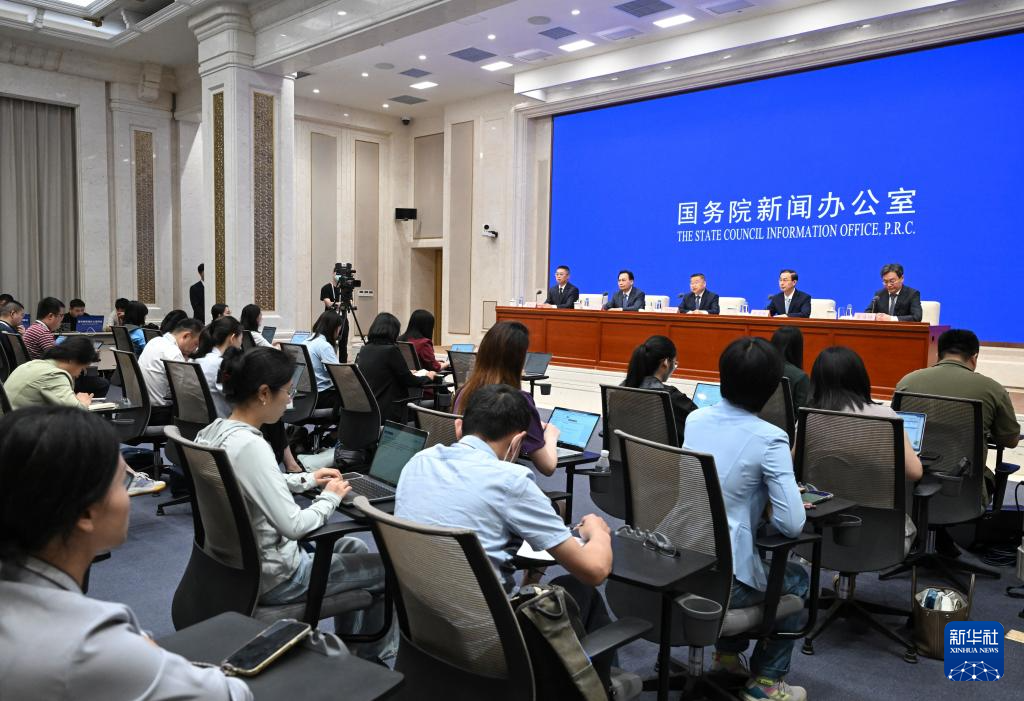
高质量完成“十四五”规划丨“十四五”期间我国减税降费预计超10万亿元
Xin Hua Wang· 2025-08-12 06:10
Core Insights - The National Taxation Administration of China announced that during the "14th Five-Year Plan" period, the cumulative new tax cuts and fee reductions are expected to exceed 10 trillion yuan [2] - From 2021 to the first half of this year, the cumulative new tax cuts and fee reductions reached 9.9 trillion yuan, with an expected total of 10.5 trillion yuan by the end of this year, averaging over 2 trillion yuan annually [2] - The focus of tax reduction policies is on supporting technological innovation and advanced manufacturing, with 3.6 trillion yuan in new tax cuts, accounting for 36.7% of the total [2] Tax Reduction and Beneficiaries - Among various economic entities, private enterprises and individual businesses benefited from 7.2 trillion yuan in new tax cuts, representing 72.9% of the total [2] - Small and medium-sized enterprises shared 6.3 trillion yuan in new tax cuts, making up 64% of the total [2] High-Quality Development and Manufacturing Sector - The manufacturing sector's sales revenue has maintained a steady share of around 29% of total enterprise sales from 2021 to 2024, with advancements in high-end and intelligent manufacturing [3] - Sales revenue in equipment manufacturing and high-tech manufacturing grew annually by 9.6% and 10.4%, respectively [3] R&D Tax Incentives - The R&D expense deduction policy has been continuously optimized, with companies enjoying 3.32 trillion yuan in deductions in 2024, an increase of 25.5% from 2021 [3] - The number of companies benefiting from this policy reached 615,000, reflecting a growth of 16.7% compared to 2021 [3] Tax Administration and Policy Implementation - The tax authorities are committed to effectively implementing tax and fee reduction policies, utilizing big data to ensure that policies reach taxpayers quickly and efficiently [3]