长三角一体化发展

Search documents
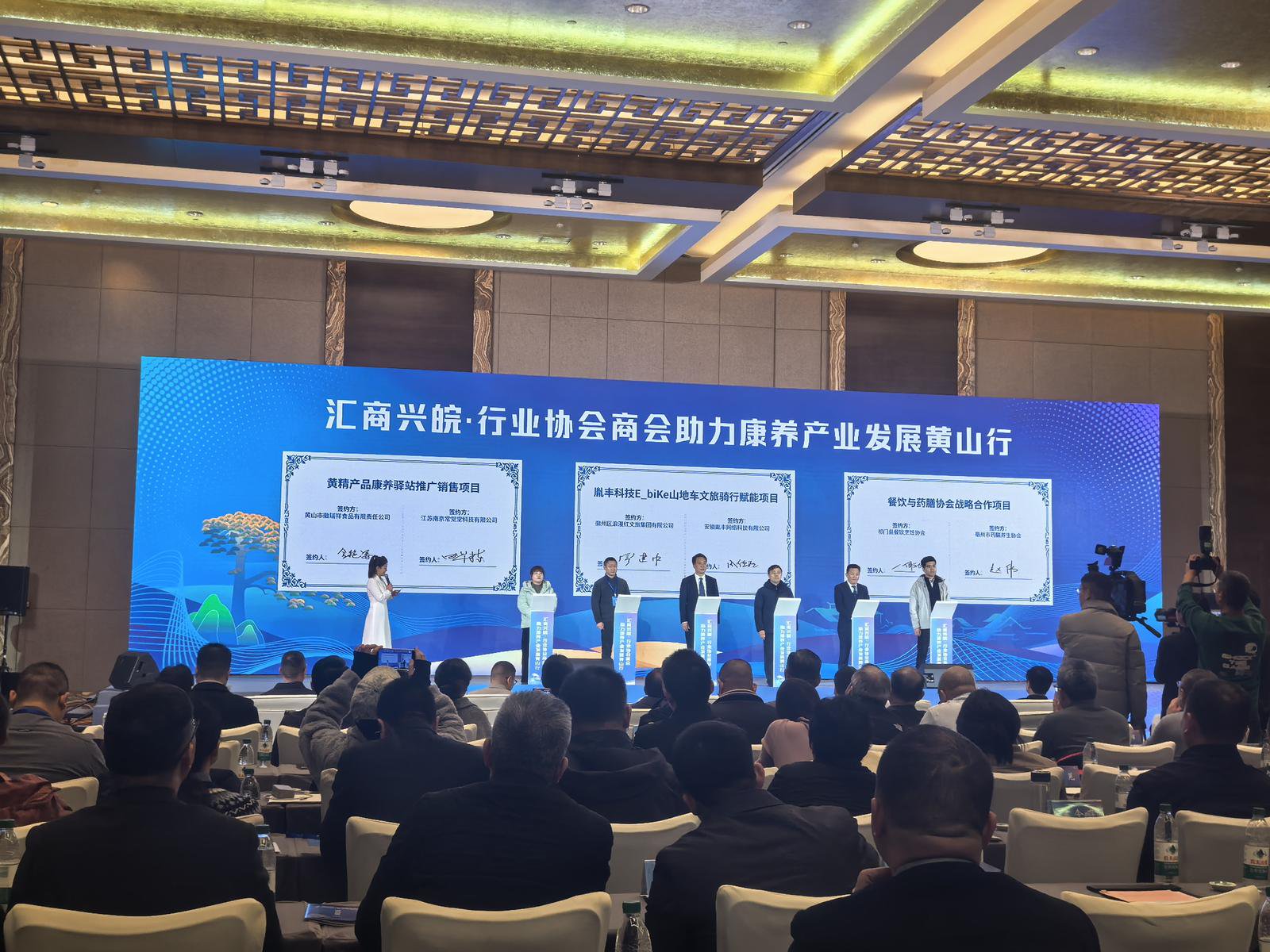
签约总金额4.2亿元!140余家长三角客商云集黄山话康养
Xin Lang Cai Jing· 2025-12-27 15:38
Group 1 - The event "Hui Shang Xing Wan: Industry Association and Chamber of Commerce Supporting the Development of Health and Wellness Industry in Huangshan" took place from December 25 to 26, gathering over 140 representatives from key industry associations and member enterprises in the health and wellness sector from the Yangtze River Delta region [1][3] - A total of 6 intended cooperation projects were reached during the event, with a total signed amount of 420 million yuan [1][3] - The event was co-hosted by the Anhui Provincial Department of Social Work and the Huangshan Municipal Government, aiming to enhance the role of industry associations in promoting investment attraction, industrial upgrading, and government-enterprise communication [3] Group 2 - Huangshan City is leveraging its natural and cultural resources to develop a distinctive health and wellness industry, having established 7 provincial-level health service demonstration zones and 38 wellness bases [5] - The local government is focusing on cultivating 20 types of health products across 7 categories and has created 185 related application scenarios [5] - The Huangshan Xiaozhu official platform has introduced an innovative policy offering free admission to 12 scenic spots for guests staying 8 days and 7 nights, attracting over 160,000 visitors and generating a transaction volume exceeding 12 million yuan [5]

上海这条"1岁"的市域铁路为何大家都说"真香"?
Xin Lang Cai Jing· 2025-12-27 12:30
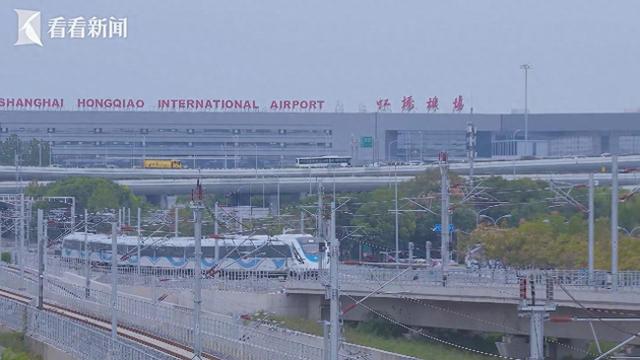
Core Insights - The Shanghai Airport Link has celebrated its first anniversary, becoming one of the fastest-growing rail transit lines in the city due to its efficient and comfortable travel experience [1][12] Group 1: Operational Performance - The Airport Link spans approximately 59 kilometers with 7 stations and can reach speeds of up to 160 kilometers per hour, with a total travel time of about 40 minutes [3] - Initial daily passenger flow was estimated at around 18,000, but the first day saw 33,400 passengers, which increased to 58,000 during the "May Day" holiday and surpassed 68,000 on October 8 [3][7] - Cumulatively, the line has transported over 15.56 million passengers, achieving an average daily flow of approximately 43,000, which is 2.4 times the initial forecast [7] Group 2: User Experience - Passengers have reported that the Airport Link offers a faster and more convenient travel experience, especially for those carrying luggage [4][6] - The line effectively meets the commuting needs of residents in Shanghai and surrounding areas, significantly reducing travel time compared to previous multi-transfer options [6] Group 3: Operational Enhancements - The Airport Link is evolving towards a more "bus-like" operation model, with upgraded signaling systems allowing for train intervals as short as 2 to 3 minutes, and ongoing tests conducted at night [9] - To accommodate the growing passenger numbers, the operator has optimized capacity by deploying larger trains during peak hours, reducing the peak load factor from 118% to about 85% [10] Group 4: Economic Impact - The Airport Link is becoming an essential backbone for the integrated development of the Yangtze River Delta region, transitioning from merely connecting two airports to being part of a comprehensive urban transport network [12]
杭衢高铁正式开通运营,长三角城际快速交通网再添新动脉
Bei Jing Ri Bao Ke Hu Duan· 2025-12-26 14:53
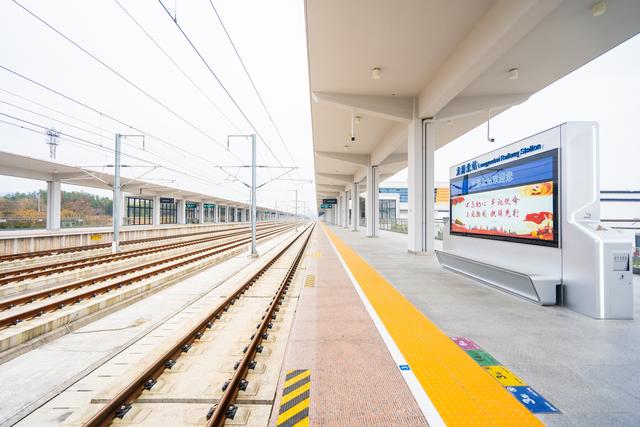
Core Viewpoint - The Hangzhou-Quchi High-Speed Railway officially commenced operations on December 26, enhancing the intercity rapid transit network in the Yangtze River Delta region [1]. Group 1: Project Overview - The Hangzhou-Quchi High-Speed Railway connects Hangzhou and Quchi in Zhejiang Province, with a total length of 131 kilometers and a design speed of 350 kilometers per hour [3]. - The railway features five stations: Jiande, Jiande South, Longyou North, Quchi West, and Jiangshan, and it forms a dual-channel high-speed rail link with the existing Hangzhou to Quchi section of the Hukun High-Speed Railway [3]. Group 2: Connectivity and Impact - After the opening of the Hangzhou-Quchi High-Speed Railway, travel times from Quchi West to Hangzhou West and Shanghai Hongqiao stations are reduced to 73 minutes and 2 hours 37 minutes, respectively [5]. - The railway is a crucial component of the Yangtze River Delta intercity rapid transit network, significantly improving the regional transportation structure and promoting integrated development in the Yangtze River Delta [5].
杭州至衢州高铁开通运营
Zhong Guo Jing Ji Wang· 2025-12-26 09:10
中国经济网北京12月26日讯(记者 佟明彪)中国国家铁路集团有限公司(以下简称国铁集团)发布消息 称,杭州至衢州高铁(以下简称杭衢高铁)开通运营,长三角城际快速交通网再添新线路,杭州至衢州间 形成高铁双通道,杭州西至衢州西站最快1小时13分可达。 杭衢高铁建成通车后,最高时速按350公里运营。开通运营初期,每日开行动车组列车12列,均为 跨线列车。衢州西至杭州西、上海虹桥站分别最快1小时13分、2小时37分可达。为满足旅客不同出行需 求,铁路部门在杭衢高铁实施灵活折扣、差异化的市场化票价机制,为旅客出行提供更多选择,具体票 价可通过铁路12306查询。 杭衢高铁在建德站通过杭州至黄山高铁接入杭州枢纽,在衢州西站连接九景衢铁路,向西通达武 汉、九江等地,在江山站可同站换乘沪昆高铁,是长三角城际快速交通网的重要组成部分,与既有沪昆 高铁杭州东至衢州段共同形成杭州与衢州间的高铁双通道。杭衢高铁建成通车后,将进一步完善区域路 网结构,对推动长三角一体化发展具有十分重要的意义。 杭衢高铁连接浙江省杭州市和衢州市,与既有沪昆高铁杭州东至衢州段形成高铁双通道,线路全长 131公里,设计时速350公里,2020年5月开工建设 ...
杭衢高铁开通运营 长三角城际快速交通网再添新动脉
Xin Hua She· 2025-12-26 01:35
2025年12月26日 杭州至衢州高铁 开通运营 长三角城际快速交通网再添新动脉 - 207 mill Ach the 杭衢高铁通车后,杭州西至衢州西站最快73分钟可达。作为长三角城际快速交通网的重要组成部分,杭衢 高铁开通运营,将进一步完善区域路网结构,对推动长三角一体化发展具有十分重要的意义。 原标题:新华社权威快报|杭衢高铁开通运营 长三角城际快速交通网再添新动脉 编辑:饶治美 责编:王光建 审核:廖异 新华社消息,12月26日9时许,首趟始发列车C3132次从衢州西站开出,沿着新建杭州至衢州高速铁路驶向 杭州方向,标志着杭衢高铁正式开通运营,长三角城际快速交通网再添新动脉。 杭衢高铁连接浙江省杭州市和衢州市,与既有沪昆高铁杭州至衢州段形成高铁双通道,线路全长131公 里,设计时速350公里。全线共设建德、建德南、龙游北、衢州西、江山5座车站。 ...
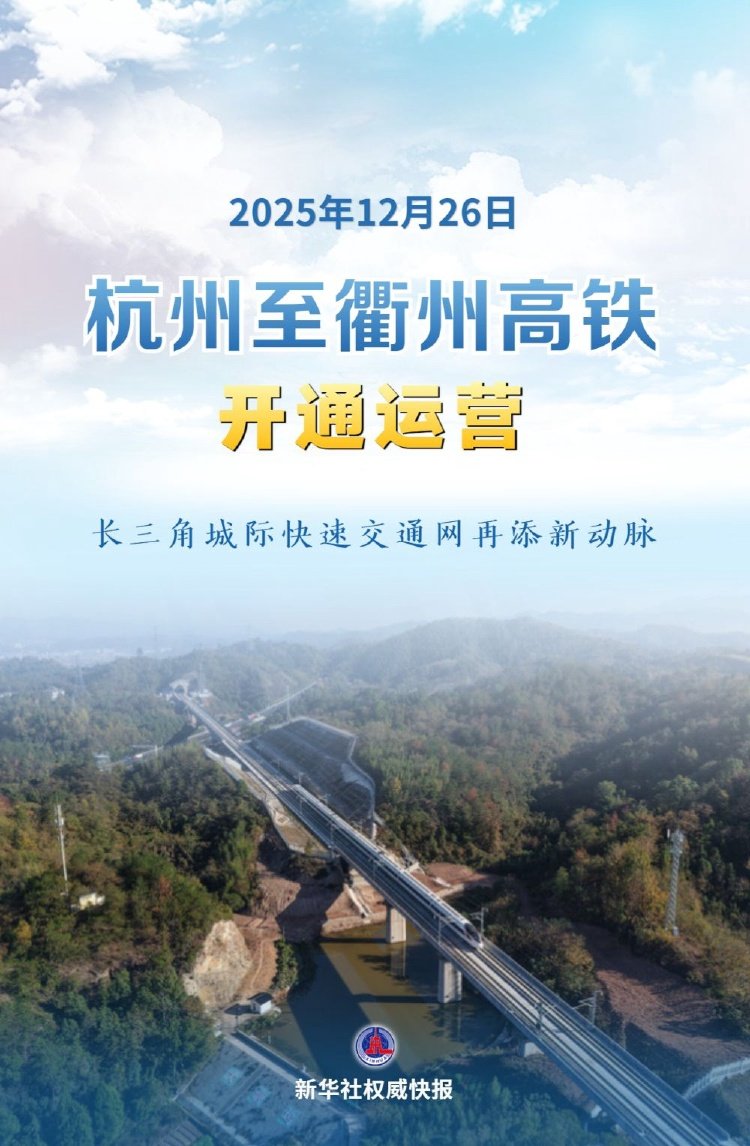
新华社权威快报丨杭衢高铁开通运营 长三角城际快速交通网再添新动脉
Xin Hua She· 2025-12-26 01:28
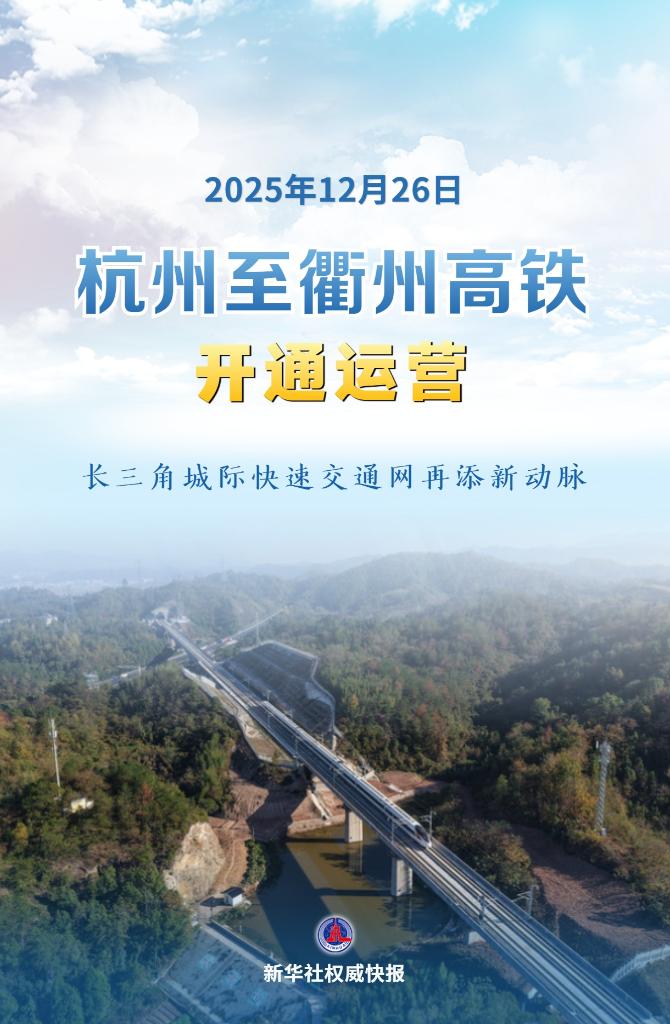
记者:魏一骏、樊曦 海报制作:吴彬尔 新华社国内部、新华社浙江分社联合出品 12月26日9时许,首趟始发列车C3132次从衢州西站开出,沿着新建杭州至衢州高速铁路驶向杭州 方向,标志着杭衢高铁正式开通运营,长三角城际快速交通网再添新动脉。 杭衢高铁连接浙江省杭州市和衢州市,与既有沪昆高铁杭州至衢州段形成高铁双通道,线路全长 131公里,设计时速350公里。全线共设建德、建德南、龙游北、衢州西、江山5座车站。 杭衢高铁通车后,杭州西至衢州西站最快73分钟可达。作为长三角城际快速交通网的重要组成部 分,杭衢高铁开通运营,将进一步完善区域路网结构,对推动长三角一体化发展具有十分重要的意义。 2025年12月26日 杭州至衛州高铁 开通运营 长三角城际快速交通网再添新动脉 新华社权威快报 ...
2024年长三角区域发展指数稳步提升
Zhong Guo Xin Wen Wang· 2025-12-25 15:23
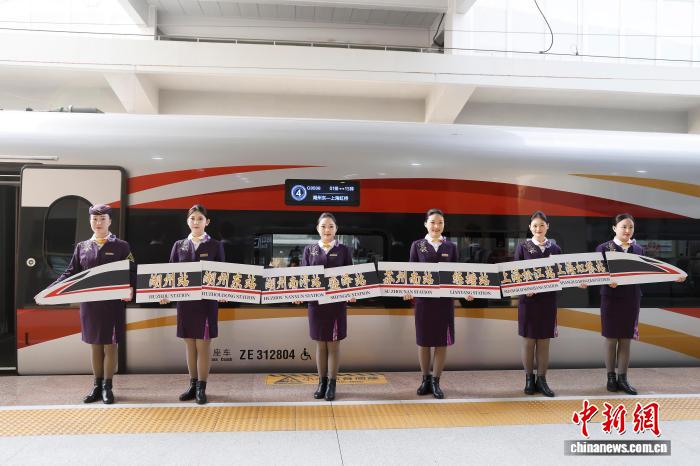
值得注意的是,长三角区域绿色共保指数在各分项指数中提升最快,2024年达到163.8,比2023年提高 6.3,与2018年相比年均提高5.6。 2024年,长三角区域生态环境共保联治进一步加强,取得明显成效,生态环境质量进一步提升。例如重 点跨界水体监管进一步加强,三省一市合力保护修复长江生态环境,持续深化太湖综合治理,太湖水质 总体达到Ⅲ类,创30年来最好水平,太浦河(含水乡客厅)成为全国首个跨省域美丽河湖优秀案例;594 个地表水国考断面优良水体比例为94.3%,同比上升0.9个百分点,达到历史最好水平。(完) (文章来源:中国新闻网) 2024年12月26日,湖州东-上海虹桥的G9508次高铁列车从湖州东站开出,标志着沪苏湖高铁正式开通 运营。殷立勤摄 具体来看,2024年长三角区域在创新共建方面,科技创新投入不断加力,区域研究与试验发展经费投入 达1.12万亿元,比2023年增长10.5%,占全国比重为30.9%;区域研发投入强度达3.39%。科技创新产出 成果丰硕,2024年长三角区域新增发明专利近30万件,每万人新增发明专利拥有量超12件,是2018年的 1.6倍;区域内专利转移数量超1.6万件 ...
杭衢高铁即将开通运营
Xin Hua Wang· 2025-12-25 11:16
新华社北京12月25日电(记者樊曦、魏一骏)记者25日从中国国家铁路集团有限公司获悉,杭州至 衢州高铁将于12月26日开通运营,长三角城际快速交通网再添新线路,杭州至衢州间形成高铁双通道, 杭州西至衢州西站最快73分钟可达。 杭衢高铁连接浙江省杭州市和衢州市,与既有沪昆高铁杭州至衢州段形成高铁双通道,线路全长 131公里,设计时速350公里,全线共设建德、建德南、龙游北、衢州西、江山5座车站,其中建德站、 江山站为改扩建车站,其余为新建车站。 杭衢高铁自2020年5月开工建设,正线共设隧道38座、桥梁119座,桥隧比达78.7%。据参建单位中 铁十一局项目负责人黄保良介绍,全长约4154米的天池山隧道是杭衢高铁全线最长隧道。该隧道最大埋 深达297米,穿越2条断层带。施工过程中,建设者积极应用地质雷达、超前地质预报、三维激光扫描等 先进技术,有效降低施工风险,确保隧道顺利贯通。 杭衢高铁由中国铁建铁四院牵头的社会资本方主导项目投资和工程总承包建设,并由国铁上海局代 建,是全国首条由央企资本控股的高铁"PPP+EPC"(社会资本与政府资本合作+工程总承包)项目和浙 江省首批高铁投融资改革示范项目。 从路网位置来 ...
江靖长江隧道双电源工程首条线路送电
Xin Hua Ri Bao· 2025-12-24 22:23
隧道建设阶段,国网江阴市供电公司主动对接,全程跟进电力保障需求。为满足隧道建成后的长期可靠 用电需求,该公司科学制定双电源供电方案,由两条线路供电。此次率先送电的10千伏线路,将保障隧 道内照明、通风、监控等关键系统的稳定运行。第二条线路将于明年初送电,全线双电源投运后将形成 高标准电力保障体系,确保隧道安全稳定运营。 江靖长江隧道是我省在建的重要过江通道,全长约11.8公里,其中过江隧道段约6.4公里,是国内第二长 的长江隧道。建成通车后,将有效缓解江阴大桥的通行压力,更好促进长三角一体化发展。 本报讯(张卅)日前,江阴靖江长江隧道双电源工程首条线路顺利送电,为后续全面调试和通车奠定坚实 基础。 ...
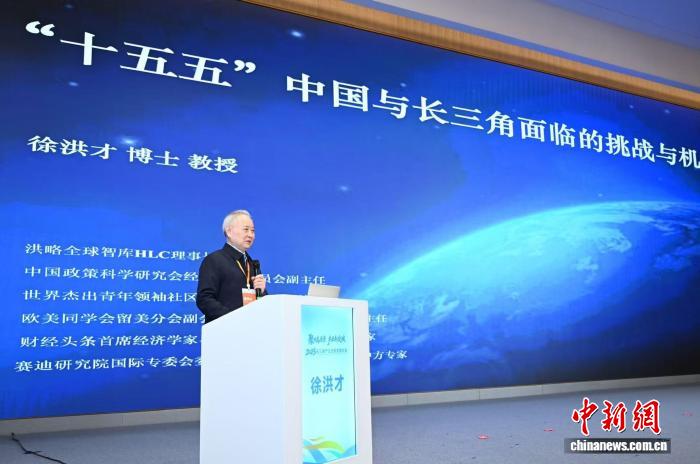
专家解读:长三角发展的“四重机遇”与一体化密码
Zhong Guo Xin Wen Wang· 2025-12-23 09:25
Core Insights - The Yangtze River Delta (YRD) is entering a period of "fourfold opportunities" as it approaches the 14th Five-Year Plan, emphasizing the need for collaborative innovation ecosystems, institutional openness, infrastructure improvement, and innovative regional cooperation mechanisms [1][3]. Group 1: Fourfold Opportunities - The YRD is experiencing a convergence of national strategic initiatives, industrial cluster development, rich scientific and technological resources, and accelerated open economy growth [3]. - The region's strategic position is increasingly prominent as it leads China's economic development while balancing regional growth [1]. Group 2: Collaborative Innovation - There is a strong emphasis on leveraging the YRD's technological innovation resources to establish cross-regional collaborative innovation mechanisms [3]. - Initiatives include the joint development of major scientific infrastructure and a collaborative plan focusing on key sectors such as integrated circuits, artificial intelligence, and biomedicine [3][4]. Group 3: Institutional Openness - The YRD provinces and cities are encouraged to pioneer institutional openness in areas such as rules, regulations, management, and standards, aligning with international high-standard trade rules [4][5]. - Efforts to eliminate hidden barriers to the free flow of resources are essential, particularly in technology transactions and talent evaluation [5]. Group 4: Infrastructure Development - Infrastructure connectivity is identified as a foundational element for YRD integration, with a call to accelerate the construction of a world-class port and airport network [5]. - The development of digital infrastructure and collaborative platforms for computing power is also highlighted as a priority [5]. Group 5: Shared Benefits and Cost Mechanisms - The establishment of various forms of benefit-sharing and cost-sharing mechanisms is recommended to promote collaborative advantages in the YRD [5]. - The success of collaborative industrial funds should be leveraged to create a metropolitan area industrial innovation fund [5].