
杭衢高铁

Search documents
第一次坐高铁回家过年
Xin Lang Cai Jing· 2026-02-14 16:39
Core Viewpoint - The opening of the Hangzhou-Qichun high-speed railway has significantly improved transportation convenience for travelers returning home for the Spring Festival, enhancing the overall experience of family reunions during this festive season [1][2]. Group 1: Impact on Travelers - The high-speed railway has reduced travel time from Hangzhou to Kaifa to just over one hour, making the journey faster and more comfortable for passengers [2]. - Travelers express satisfaction with the ease of travel, highlighting that they no longer need to worry about delays or complicated transfers, which were common in the past [2]. Group 2: Economic and Social Benefits - The high-speed railway not only facilitates the return of migrant workers but also strengthens local economies by allowing them to bring local products back to their hometowns [2]. - The improved transportation network contributes to a sense of happiness and fulfillment among the local population, as it enhances their ability to celebrate the New Year with family [2].
杭衢高铁首次参加春运“大考”
Zhong Guo Qing Nian Bao· 2026-02-13 11:45
Group 1 - The Hangzhou-Quzhou High-speed Railway participated in its first Spring Festival travel season, showcasing the dedication and youthful spirit of its average 26-year-old railway staff in serving passengers [1] - The railway, which began operations on January 26, features a speed of 350 km/h and a bridge-tunnel ratio of 78.7%, connecting scenic spots like the ancient city of Yanzhou and Jianglang Mountain [1] - Volunteer service stations were established at key stations to assist passengers, particularly those with special needs, by providing one-on-one support and promoting local attractions [1] Group 2 - An innovative communication coverage solution, combining "macro base stations + site stations," was implemented to enhance signal coverage by 3.2 times compared to traditional methods, ensuring seamless communication for train dispatch and passenger services [2] - A team of young workers, including a member born in the 2000s, actively participated in testing and maintaining communication equipment, demonstrating commitment to operational excellence [2] - The precision of track measurements was tightened to within ±0.3 mm, compared to the national standard of ±0.5 mm, to enhance passenger comfort during travel [2]


衢州,天上又续八省通衢路
Xin Lang Cai Jing· 2026-02-08 17:26
Core Viewpoint - The historical significance of Quzhou as a vital commercial hub due to its strategic location along ancient trade routes and modern transportation networks is emphasized throughout the articles. Group 1: Historical Significance - Quzhou has been a crucial inland commercial port since ancient times, benefiting from the ancient Qiantang River trade route, which attracted merchants and established it as a bustling trade center [1][2] - The ancient roads connecting Quzhou to various provinces formed a "golden corridor," enhancing its status as a key transportation hub during the Song Dynasty [2][3] - The establishment of the official post station in Caoping Village during the Tang Dynasty further solidified Quzhou's role in facilitating trade and communication [4][5] Group 2: Modern Transportation Development - The 320 National Road, which spans approximately 3,695 kilometers from Shanghai to Yunnan, has its starting point in Quzhou, highlighting its continued importance in modern transportation [4][5] - The G60 Expressway, which also begins in Shanghai and extends to Yunnan, represents a significant advancement in transportation infrastructure, further enhancing Quzhou's connectivity [6][7] - The completion of the Hangzhou-Qucheng high-speed railway has improved the transportation network, making Quzhou a more accessible location and continuing its legacy as a hub for trade and travel [7]
长三角议事厅·周报|杭衢高铁牵引“1小时都市圈”向西扩容
Xin Lang Cai Jing· 2026-01-06 07:56
Core Viewpoint - The opening of the Hangzhou-Qiuzhou High-Speed Railway significantly enhances connectivity in the Yangtze River Delta, reducing travel time between Qiuzhou and Hangzhou to as little as 73 minutes, thereby transforming regional collaboration and economic dynamics [1][3][4]. Group 1: Infrastructure Development - The Hangzhou-Qiuzhou High-Speed Railway spans approximately 131 kilometers with a design speed of 350 km/h, facilitating faster travel and improved accessibility [1]. - The railway connects Qiuzhou with the existing high-speed rail network, creating a dual-channel system that enhances travel efficiency between Zhejiang's western regions and Hangzhou [3][4]. - Initial operations will feature 12 daily trains, with plans to increase to 34 trains per day by the first quarter of 2026, making cross-city travel more routine [4]. Group 2: Economic Integration - The railway's opening marks a shift from administrative-driven "mountain-sea cooperation" to market-driven collaboration, allowing industries to connect based on comparative advantages rather than reliance on government initiatives [5]. - The establishment of the Qiuzhou Hai Chuang Park, which has attracted over 140 companies, exemplifies the integration of R&D and production capabilities between Qiuzhou and Hangzhou [5][6]. - Significant investments in lithium battery materials projects in Qiuzhou, totaling nearly 479 billion yuan, highlight the region's growing industrial capacity and its ability to support high-value manufacturing [6]. Group 3: Urban and Regional Development - The Hangzhou-Qiuzhou High-Speed Railway contributes to a new urban network in the Yangtze River Delta, evolving from simple point-to-point connections to a more integrated and sustainable commuting framework [7]. - By 2025, the total investment in the Yangtze River Delta railway construction is expected to exceed 600 billion yuan, with over 2,600 kilometers of new rail lines, enhancing the overall connectivity of the region [7]. - The railway facilitates a shift in the relationship between Qiuzhou and the core areas of the Yangtze River Delta, moving from mere connectivity to deeper integration and collaboration [8].
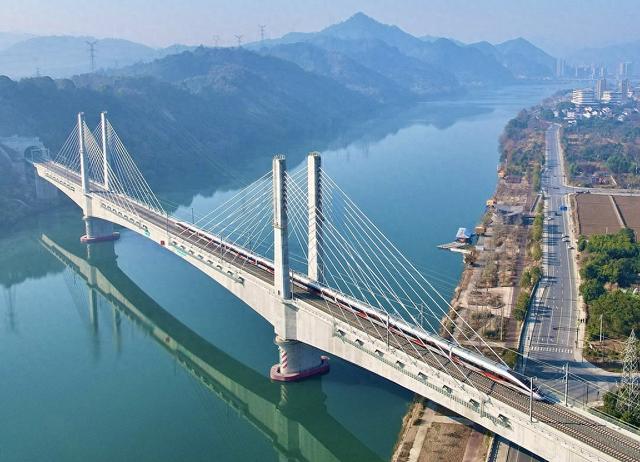
开化高铁站客流“双向奔赴”
Xin Lang Cai Jing· 2026-01-02 17:26
Core Viewpoint - The opening of the Hangzhou-Quchi High-Speed Railway has significantly improved travel convenience, reducing travel time to major cities like Hangzhou and Shanghai, thus enhancing regional connectivity and boosting local tourism and economy [1] Group 1: Travel Convenience - The travel time from Quchi to Hangzhou has been reduced to just over one hour, and to Shanghai in about three hours, making it much easier for travelers [1] - Passengers have expressed relief over the reduced travel times compared to previous experiences of driving, which could take four to five hours, especially during peak traffic [1] Group 2: Passenger Growth - Since the opening of the high-speed railway, there has been a notable increase in passenger flow at the Kaifa Station, with a 104% increase in passenger volume on December 31 compared to the previous day [1] - The majority of the passenger traffic is directed towards major cities such as Shanghai and Hangzhou, indicating a strong demand for high-speed rail services in these directions [1] Group 3: Operational Adjustments - To manage the increased passenger flow during the holiday peak, the railway station has deployed additional staff to ensure smooth operations and provide better guidance and services to travelers [1]
元旦当天长三角铁路增开管内动车组列车99列 227列动车组列车重联运行
Xin Lang Cai Jing· 2026-01-01 05:25
Core Viewpoint - On New Year's Day, the Yangtze River Delta Railway is expected to send 3.7 million passengers, setting a record for passenger volume during the holiday period, and preparing for the peak travel day in 2026 [1] Group 1: Passenger Demand and Travel Patterns - The passenger flow during the New Year holiday follows the typical pattern of short holidays, primarily driven by short-distance tourism, family visits, and commuting needs [3] - On New Year's Day, the Shanghai Railway Group anticipates that over 80% of the passenger flow will be within its jurisdiction [3] Group 2: Capacity and Service Enhancements - The Yangtze River Delta Railway has increased capacity by adding 99 new train services and arranging 227 trains for double-header operations to strengthen capacity in high-demand routes such as Xuzhou, Lianyungang, Hangzhou, and Ningbo [4] - As of 8 AM on January 1, there were still available tickets for various destinations including Beijing, Jinan, and Xi'an, indicating sufficient capacity for passenger travel [4] Group 3: Weather Preparedness and Safety Measures - Due to a cold wave affecting the region, the railway department activated emergency plans to ensure passenger safety during low temperatures, including food supplies and heating provisions at stations [6] - Emergency drills were conducted at several stations to prepare for adverse weather, equipment failures, and overcrowding situations [7] Group 4: New Railway Lines Impact - The newly opened Hangzhou-Qichun and Hefei-Xinjiang high-speed rail lines are expected to boost tourism in Zhejiang and Anhui provinces, despite being in a transitional operational phase [7] - The opening of these lines has already shown a significant increase in tourist traffic, with plans for a new train schedule in the first quarter of 2026 to further enhance service [7]
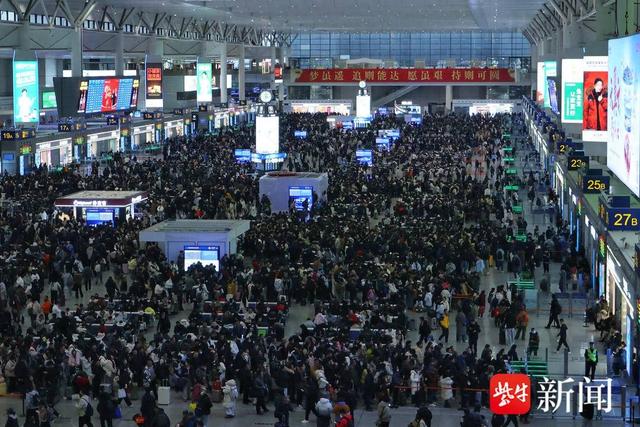
七条高铁开通!高铁第一省再度易主,湖北增量第一
3 6 Ke· 2025-12-31 03:00
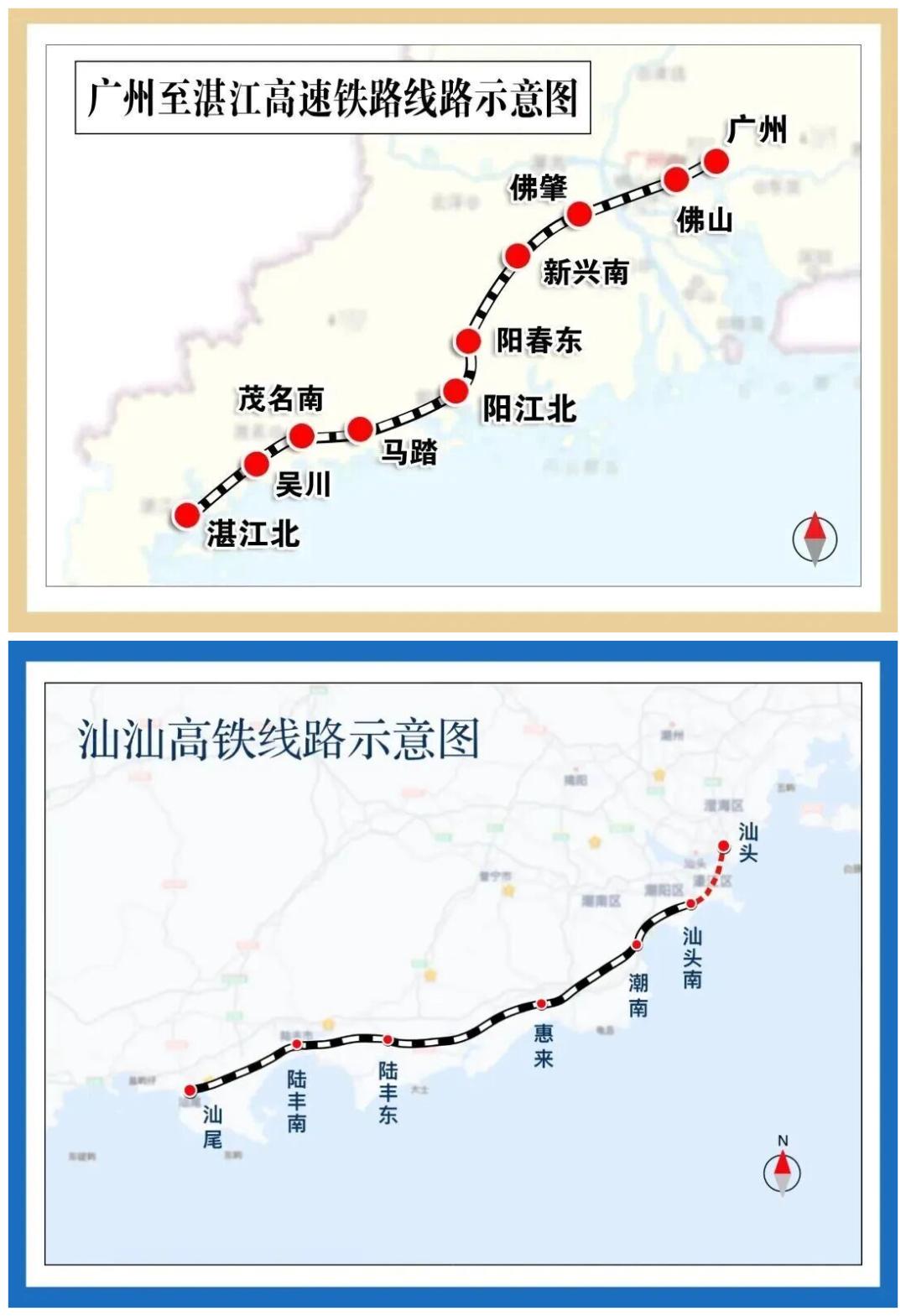
Core Insights - In the last ten days of December, seven high-speed rail lines were opened, marking a significant expansion of China's high-speed rail network [1][19][21] Group 1: New High-Speed Rail Openings - The Guangzhan High-Speed Rail and the Shanshan High-Speed Rail opened on December 22, significantly reducing travel time from Zhanjiang to Guangzhou from 2.5 hours to 1.5 hours [2] - The Baoyin High-Speed Rail's Baohui section opened on December 23, completing a total length of 519 kilometers, with a design speed of 250 km/h, connecting seven cities in Inner Mongolia to the national high-speed rail network [5] - The Wuyi High-Speed Rail, part of the East-West artery, opened on December 26, covering 314 kilometers at a speed of 350 km/h, reducing the commute time from Wuhan to Yichang to 69 minutes [7][10] - The Hangzhou-Qingzhou High-Speed Rail opened, covering 131 kilometers at a speed of 350 km/h, allowing travel from Quzhou West to Hangzhou West in 1 hour and 13 minutes [14] - The Xiyan High-Speed Rail, with a length of 299.8 kilometers and a design speed of 350 km/h, will reduce travel time from Xi'an to Yan'an from 2.5 hours to about 1 hour [15] - The Hefei-Xin High-Speed Rail's Hezi section opened on December 30, covering 198 kilometers with five new stations [17] Group 2: National High-Speed Rail Developments - By the end of 2025, a total of 12 new lines are expected to open, contributing to a national high-speed rail operating mileage exceeding 50,000 kilometers, achieving the "14th Five-Year Plan" goal [21][31] - Guangdong regained its position as the top province in high-speed rail mileage, surpassing Shandong with a total of 3,437 kilometers after adding approximately 421 kilometers in 2025 [23][25] - Hubei achieved the highest growth in high-speed rail mileage in 2025, adding 429 kilometers, which elevated its ranking from 13th to 5th nationally [27] - Inner Mongolia ranked third in growth with the opening of the Baoyin Railway's Baohui section, contributing 402 kilometers [28] - The total high-speed rail operating mileage in China is now the largest in the world, covering 97% of cities with populations over 500,000 and handling 80% of passenger traffic [22][21] Group 3: Future High-Speed Rail Plans - The national railway construction is set to continue aggressively, with plans to reach 180,000 kilometers of railway by 2030, including 60,000 kilometers of high-speed rail [36] - Major cities are actively planning and constructing new high-speed rail stations to enhance connectivity, with significant projects underway in cities like Zhengzhou, Shanghai, and Shenzhen [49][51]
这个小城,挤进杭州都市圈
3 6 Ke· 2025-12-30 02:45
Core Viewpoint - The Hangzhou-Quzhou High-Speed Railway, which officially opened on December 26, 2023, is expected to significantly enhance connectivity between Hangzhou and Quzhou, reducing travel time from over one hour to approximately 40 minutes, thereby promoting regional integration and economic development [1][5]. Group 1: Infrastructure and Investment - The Hangzhou-Quzhou High-Speed Railway has a total length of 131 kilometers and a design speed of 350 kilometers per hour, with an estimated investment of 23.6 billion yuan, utilizing a "PPP+EPC+construction agency" model [3][4]. - The investment structure involves a 49% contribution from government entities and a 51% contribution from social capital, with Quzhou contributing over 30% of the government share [3]. Group 2: Regional Economic Impact - The railway is seen as a strategic project for Quzhou, which has historically been at a transportation disadvantage, and is expected to restore its status as a transportation hub [4][5]. - The completion of the railway connects Quzhou to the "one-hour commuting circle" of Hangzhou, facilitating labor mobility and industrial collaboration [2][5]. Group 3: Industry Collaboration and Development - Quzhou aims to leverage its cost advantages in land and labor to attract industries from Hangzhou, particularly in the digital economy sector, promoting a model of "R&D in Hangzhou, production in Quzhou" [7][8]. - Since 2021, several major digital economy projects have been established in Quzhou, indicating a successful collaboration between the two cities [8]. Group 4: Future Development Strategies - Quzhou's development strategy emphasizes deepening integration with Hangzhou, focusing on infrastructure connectivity and shared public services [6][9]. - The collaboration is expected to enhance Quzhou's role as a bridgehead for the Yangtze River Delta's outreach to inland provinces, creating more development opportunities [5][9].
出行更便利、物流更高效!多项交通工程迎新进展
Yang Shi Xin Wen Ke Hu Duan· 2025-12-27 06:40
Core Insights - A series of new transportation projects have been launched in China, enhancing connectivity and efficiency in logistics and travel, which is expected to accelerate economic and social development. Group 1: High-Speed Rail Developments - The Xi'an to Yan'an high-speed railway officially opened on December 26, marking the entry of the Shaanxi revolutionary area into the high-speed rail era, with a total length of 299 kilometers and a design speed of 350 km/h. Travel time from Xi'an North to Yan'an is reduced to 68 minutes, a 62-minute decrease compared to conventional trains [1]. - The Hangzhou to Quzhou high-speed railway also commenced operations on December 26, adding a new artery to the Yangtze River Delta intercity rapid transit network. The line is 131 kilometers long with a design speed of 350 km/h, allowing travel from Hangzhou West to Quzhou West in 73 minutes [1]. - The Wuhan to Yichang section of the Huhuo Railway opened on December 26, creating a new rapid passenger transport corridor in the Yangtze River Economic Belt. The line is 314 kilometers long with a design speed of 350 km/h, reducing travel time to 69 minutes, a 34-minute reduction from previous services [4]. Group 2: Highway Infrastructure - The Urumqi to Yili Highway was completed on December 26, significantly improving north-south transportation in Xinjiang. The travel time from Urumqi to Korla is cut from 7 hours to 3.5 hours, enhancing local mobility and logistics [5][7]. - The Yin-Chong Highway, connecting Chongqing and Shaanxi, was completed on December 25, reducing travel time from 140 minutes to approximately 40 minutes between Chongqing Chengkou and Shaanxi Ankang [8]. Group 3: Airport Developments - The Jiaxing Nanhu Airport, the first specialized air cargo hub in the Yangtze River Delta, officially commenced operations on December 26, focusing on cargo with supplementary passenger services. Initial routes include flights to Beijing Daxing and Guangzhou [12]. - The third runway at Xi'an Xianyang International Airport was successfully put into operation on December 25, making it the first airport in Northwest China to operate three runways, enhancing its capacity as a major international aviation hub [13].
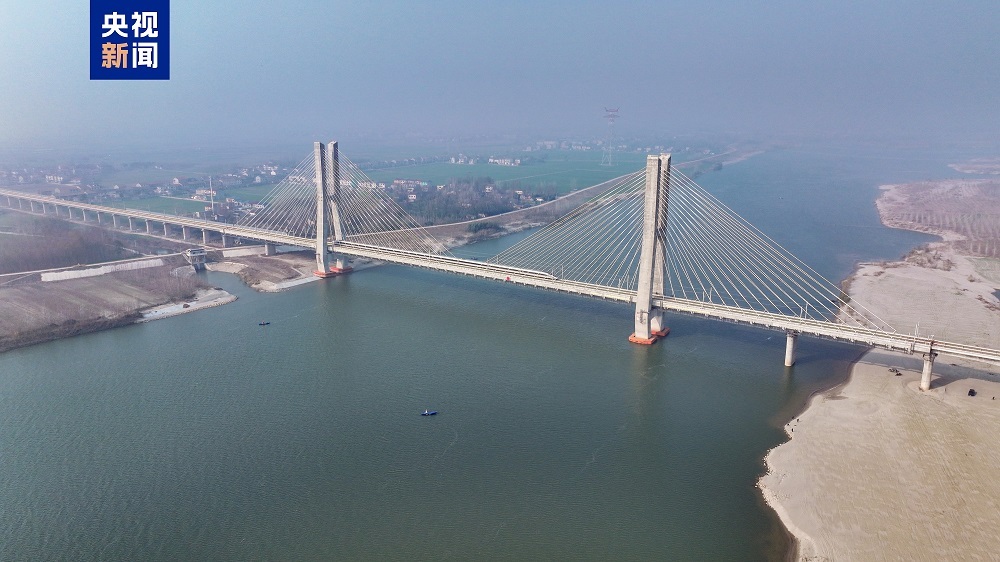
西延高铁正式开通运营 我国高铁里程突破5万公里
Yang Guang Wang· 2025-12-27 01:58
Core Points - The Xi'an to Yan'an high-speed railway officially opened on December 26, marking the entry of the Shaanxi Northern Revolutionary Area into the high-speed rail era and pushing China's high-speed rail operating mileage beyond 50,000 kilometers [1][2] Group 1: High-Speed Rail Development - The Xi'an to Yan'an high-speed railway is 299 kilometers long with a design speed of 350 kilometers per hour, significantly reducing travel time between the two cities to as short as 68 minutes [1] - The railway is a crucial part of China's "Eight Vertical and Eight Horizontal" high-speed rail network, enhancing connectivity and integrating Yan'an into the "one-hour economic circle" of Xi'an [2] Group 2: Economic and Social Impact - The opening of the Xi'an to Yan'an high-speed railway is expected to accelerate the flow of people, goods, and information, contributing to regional economic development [2] - To promote tourism, all scenic spots in Ganquan County will offer free admission to high-speed rail passengers until the Spring Festival, along with free shuttle services [2] Group 3: National High-Speed Rail Statistics - As of the opening, China's high-speed rail operating mileage has increased by approximately 32% since the end of 2020, with 12,000 kilometers of high-speed rail expected to be completed during the 14th Five-Year Plan [2] - High-speed rail now accounts for about 80% of passenger traffic in China, with urban clusters within a 500-kilometer radius achieving 1 to 2-hour travel times [2]