
全球气候变暖

Search documents
大暴雨,又来了?极端降雨预报难在哪
Hu Xiu· 2025-08-02 13:16
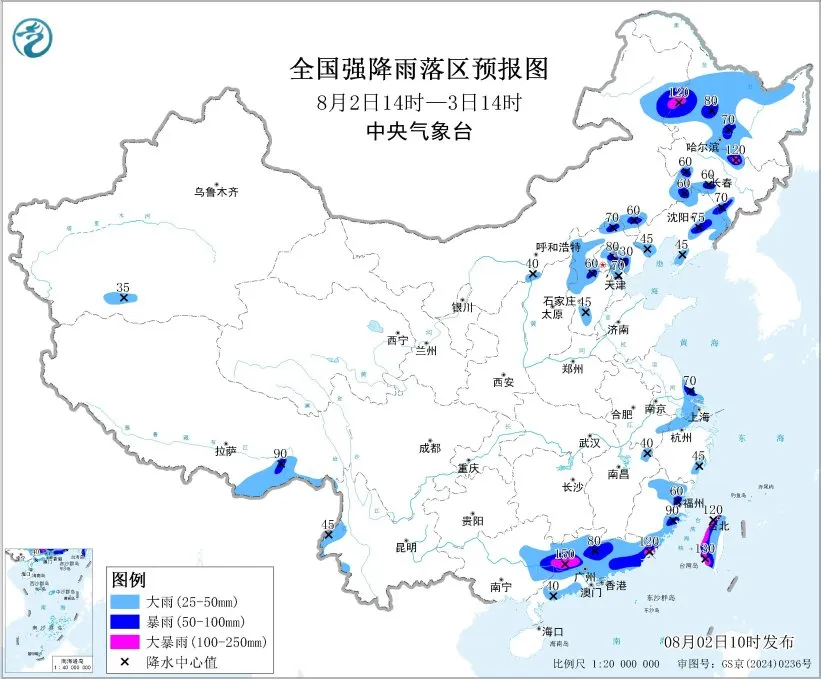
Core Viewpoint - The article discusses the increasing frequency and intensity of extreme weather events, particularly heavy rainfall in northern China, and the challenges associated with accurately forecasting such events due to climate change and atmospheric instability [4][10][18]. Group 1: Extreme Weather Events - Northern regions are experiencing significant rainfall, with Beijing facing a record 147 hours of continuous rain, marking the longest duration of heavy rainfall in its meteorological history [6]. - The Central Meteorological Observatory issued blue alerts for heavy rain, predicting substantial rainfall across various regions, including parts of Inner Mongolia, Heilongjiang, and Hebei [2][3]. - The article highlights the correlation between global warming and the increased frequency and intensity of extreme weather events, confirming that climate change is a significant factor [18][21]. Group 2: Forecasting Challenges - The difficulty in accurately predicting extreme rainfall is attributed to the instability of the atmosphere and the limitations of current observation systems and weather prediction models [9][10]. - Specific weather systems, such as the mesoscale convective systems responsible for localized heavy rainfall, are challenging to forecast due to their small spatial scale and sudden onset [7][8]. - Historical data indicates that extreme rainfall events in Beijing, categorized under specific atmospheric circulation patterns, have occurred multiple times, suggesting a pattern that could be linked to climate change [11][14]. Group 3: Societal Implications and Preparedness - The article emphasizes the need for improved public awareness and participation in weather forecasting and disaster preparedness, suggesting that community involvement can enhance the effectiveness of early warning systems [23][31]. - Urban infrastructure, such as drainage systems, must be updated to account for increased rainfall intensity due to climate change, indicating a need for new construction standards [29][30]. - The concept of a collaborative warning chain involving government, research institutions, media, and the public is proposed to ensure timely and accurate dissemination of weather-related information [26][27].

全球变暖下极端降雨预报难在哪?北大物理学院大气与海洋科学系教授张庆红谈预警链如何扛住“大考”
Mei Ri Jing Ji Xin Wen· 2025-08-02 09:24
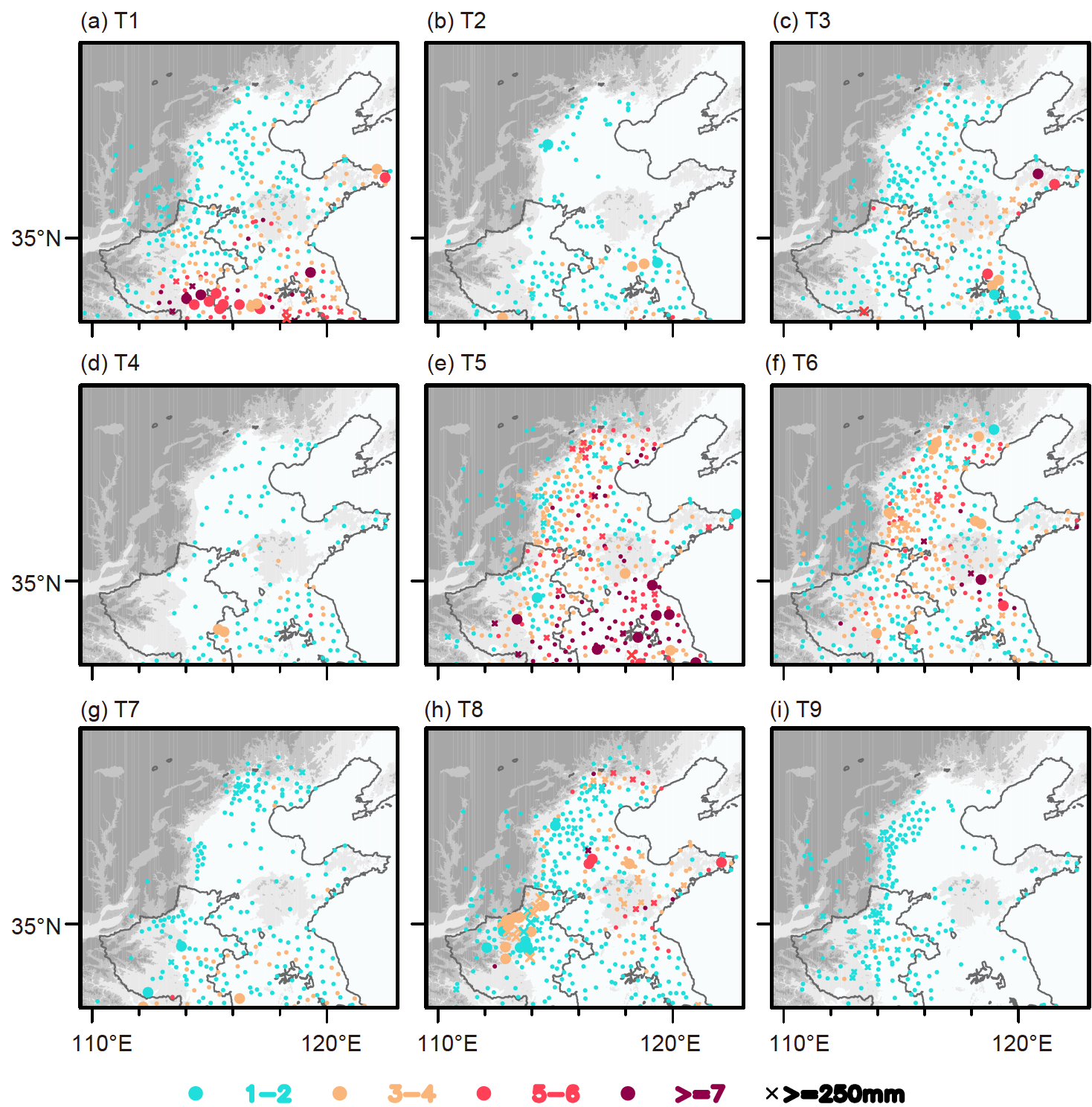
Group 1 - The article discusses the increasing frequency and intensity of extreme weather events due to global warming, highlighting recent heavy rainfall in Beijing and its implications for disaster preparedness and response [1][9] - Zhang Qinghong, a professor at Peking University, emphasizes the challenges in accurately predicting extreme precipitation events, particularly those caused by small-scale convective systems [3][4] - The article notes that the predictability of extreme rainfall is constrained by current observational systems and weather prediction models, which are affected by the non-linear dynamics of weather systems [4][11] Group 2 - The T8 atmospheric circulation pattern is identified as a significant factor influencing summer rainfall in northern China, with historical data showing its correlation with extreme precipitation events [7][8] - The article mentions that the northward shift of the subtropical high-pressure system may lead to changes in rainfall patterns in the Northern Hemisphere, affecting regions like Beijing [9][10] - Zhang advocates for a collaborative approach to weather warning systems, involving government, research institutions, media, and the public to enhance the effectiveness of early warning mechanisms [13][15] Group 3 - The article highlights the need for urban infrastructure to adapt to increasing extreme weather events, suggesting that current designs based on historical data may not suffice [16][17] - Public participation in weather observation and reporting is emphasized as crucial for improving disaster response and enhancing predictive models [16][19] - The impact of hail on agriculture and renewable energy infrastructure is discussed, with a call for better understanding of hail formation processes to improve forecasting capabilities [17][19]
慕再报告:2025年上半年,全球自然灾害造成损失约1310亿美元
Jing Ji Guan Cha Wang· 2025-08-01 08:59
报告还显示,美国今年上半年还多次遭遇强雷暴事件,引发强降雨和龙卷风。其中,3-5月发生四次严 重风暴系列事件,包括几场强龙卷风,造成约190亿美元的总损失,其中保险损失146亿美元。总体来 看,2025年上半年美国各类强对流风暴造成的总损失达340亿美元,保险损失约260亿美元。 尽管遭遇多起气象灾害事件,欧洲上半年总损失仍低于2024年,约50亿美元,其中超半数为保险损失。 2025年上半年欧洲损失最高的自然灾害是今年6月的雷暴及冰雹天气,袭击了法国、奥地利和德国,造 成总损失12亿美元,保险损失约8亿美元。 7月29日,慕尼黑再保险发布《2025年上半年自然灾害损失报告》。报告显示,2025年上半年,全球自 然灾害造成的总损失约1310亿美元(上一年度经通胀调整后为1550亿美元),其中保险损失达800亿美元 (2024年为640亿美元);总损失与保险损失均显著高于过去十年及三十年的平均值(经通胀调整后:总损 失分别为1010亿及790亿美元;保险损失分别为410亿及260亿美元)。2025年上半年的保险损失在1980年 有记录以来的上半年数据中,排名第二,仅低于2011年上半年,当年日本发生严重地震并引 ...
卫星图直击欧洲野火 今年已烧毁近30万公顷土地
Xin Hua She· 2025-07-31 13:51
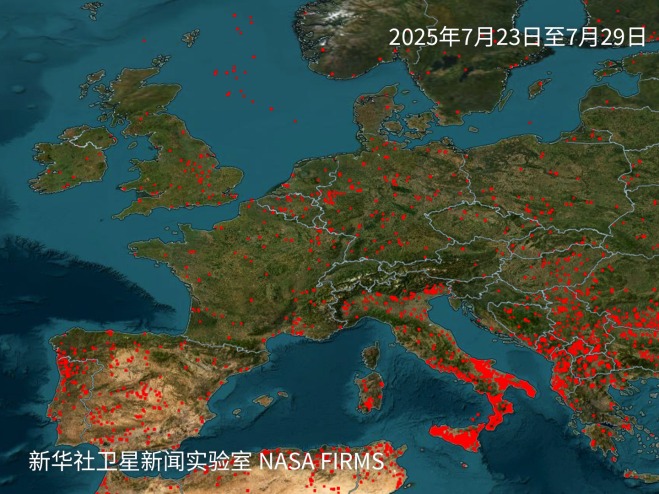
极端高温、强风和持续干旱导致欧洲多地爆发野火,迫使数千人逃离家园。根据欧洲森林火灾信息系统29日公布的数据,截至当天,欧盟地区今年已发生 1339起野火,高于去年同期的861起,近30万公顷土地被烧毁,而过去19年每年同期被烧毁土地的平均值约为16.3万公顷。 专家警告,随着气候变化不断加剧,欧洲大陆尤其是南部地中海地区未来可能面临更加频繁和极端的火灾季节。在欧洲救灾中发挥关键作用的欧盟民防机制 多次启动,各国消防和应急部门持续处于高度警戒状态。 在西班牙阿维拉省的库埃瓦斯-德尔巴列,一场野火28日午夜爆发并迅速蔓延,当地居民被紧急疏散。同日,在西班牙中部城市普埃托利亚诺附近,另一场 大火过火面积约180公顷,造成马德里到安达卢西亚段高铁服务中断;在特内里费岛,大火吞噬了60公顷山地。 葡萄牙北部和中部地区也遭到野火侵袭。例如,在北部的佩内达-热雷什国家公园内,山火猛烈、地形崎岖、风势强劲,给灭火工作带来相当大困难,当地 出动了大量人员、车辆和直升机参与灭火工作。葡萄牙海洋和大气研究所发布的高火险预警指出,干热、多风天气仍将持续,防火形势严峻。该国北部和中 部大部分地区处于"极高"火险等级。除里斯本、莱里亚和 ...
持续高温干旱致南欧多国野火肆虐
Xin Hua She· 2025-07-30 02:13
Group 1 - Southern Europe is experiencing severe wildfires due to prolonged high temperatures, strong winds, and drought conditions, with experts warning of more frequent and extreme fire seasons in the Mediterranean region due to climate change [1][3] - In Portugal, multiple wildfires have occurred, particularly in the Pontalegre area and Peneda-Gerês National Park, with hundreds of firefighters and equipment deployed for firefighting efforts [1] - Greece has recorded over 50 wildfires in the past week, with temperatures reaching 45.8 degrees Celsius, prompting the government to request international assistance through the EU Civil Protection Mechanism [1][2] Group 2 - Italy is facing severe wildfires, especially in Sicily, where temperatures have exceeded 40 degrees Celsius, leading to the evacuation of approximately 30 households and damage to infrastructure [2] - Bulgaria has over 260 active fire points, with the southwest Strumyani region being the most affected, and international firefighting support has been coordinated through the EU Civil Protection Mechanism [2] - Croatia has reported 501 more wildfires this year compared to the same period last year, but effective emergency responses have reduced the burned area by nearly half [2]
【环球财经】持续高温干旱致南欧多国野火肆虐
Xin Hua She· 2025-07-29 09:12
Group 1 - Southern Europe is experiencing severe wildfires due to prolonged heat, strong winds, and drought, with experts warning of more frequent and extreme fire seasons in the Mediterranean region due to climate change [1][3] - In Portugal, multiple wildfires have occurred, with the northern and central regions under "very high" fire risk, and a yellow weather alert issued for most of the country [1][2] - Greece has recorded over 50 wildfires in the past week, with temperatures reaching 45.8 degrees Celsius, prompting the government to request international assistance through the EU civil protection mechanism [1][2] Group 2 - Italy is facing severe wildfires, particularly in Sicily, where temperatures have exceeded 40 degrees Celsius, leading to the evacuation of approximately 30 households [2] - Bulgaria has over 260 active fire points, with the southwest region experiencing the most severe conditions, although the situation has slightly improved [2] - Croatia has reported 501 more wildfires this year compared to the same period last year, but effective emergency responses have reduced the burned area by nearly half [2][3]
综述丨持续高温干旱致南欧多国野火肆虐
Xin Hua Wang· 2025-07-29 08:32
葡萄牙海洋和大气研究所发布的高火险预警指出,该国北部和中部大部分地区处于"极高"火险等级。除 里斯本、莱里亚和阿威罗外,葡本土大部分地区已被列入黄色气象预警。未来几日,全国将持续干热少 雨天气,防火形势依然严峻。 近期希腊局地气温高达45.8摄氏度,干旱与强风进一步加剧了火情蔓延速度。希腊全国过去一周内共记 录超过50处野火,多个村镇被迫疏散,房屋、农田受损严重。面对灾情,希腊政府已启动欧盟民事保护 机制,请求国际援助。意大利和捷克等国已派出灭火飞机和人员驰援,6名消防人员在扑救过程中受 伤,部分消防车辆损毁。 意大利多地也正遭遇严重野火,尤以西西里岛形势最为严峻。当地气温突破40摄氏度。部分火势波及民 宅,约30户居民被紧急疏散,道路与基础设施受损。专家称,意大利近年来夏季野火频发,强度升高, 干旱与高温成为火灾多发的关键原因。 新华社罗马7月28日电 综述|持续高温干旱致南欧多国野火肆虐 新华社记者任耀庭 受持续高温、强风和长期干旱影响,近期南欧多国发生野火,消防与应急部门全力投入灭火行动。专家 警告,随着气候变化不断加剧,地中海地区未来或面临更加频繁和极端的火灾季节。 葡萄牙出现多处山火。波塔莱格雷区的 ...
请回答「Knock Knock 世界」NO. 250727
声动活泼· 2025-07-27 02:00
Group 1 - The article discusses the upcoming selection meeting for topics, highlighting the workload involved in preparing for it [1] - It poses questions about the implications of potential events, such as the blockade of the Strait of Hormuz and its impact on oil transportation [2] - The article raises concerns about ongoing construction in areas experiencing land subsidence, questioning the motivations behind such developments [3] Group 2 - The article mentions the recent Typhoon Wipha and its unexpected effects on weather in distant regions like Liaoning and Jilin [4] - It addresses the unusual summer heat across China, including temperatures reaching over 30 degrees Celsius in Harbin, linking it to global climate change [4] - The article explores the financial aspects of museums, questioning how they generate revenue despite many offering free admission [4] Group 3 - The article introduces the podcast "Knock Knock World," produced in collaboration with "Sound and Vibrancy," aimed at engaging young audiences with global events [7] - It notes that the first season of "Knock Knock World" is available on major audio platforms, with three episodes offered for free [8] - The first season is scheduled to run from March 25, 2025, to March 24, 2026, with a purchase price of 365 yuan [9]

伊朗经历今年最热一周
Xin Hua She· 2025-07-21 06:51
Group 1 - Iran is experiencing its hottest week of the year, with temperatures exceeding 50 degrees Celsius in some areas, leading to a water crisis [1] - The Iranian government is urging citizens to conserve water, with a recommendation to reduce water usage by at least 20% to alleviate supply pressure [1][2] - The capital Tehran recorded temperatures of 40 degrees Celsius on July 20, with forecasts of 41 degrees Celsius on July 21 [1] Group 2 - Water supply in Tehran is at its lowest level in a century due to insufficient rainfall, prompting the implementation of water rationing measures in some areas [2] - The Iranian Energy Minister has apologized for the water supply issues and explained that rationing is necessary for better resource management [2] - The government is investing in infrastructure projects such as reservoirs and desalination plants to secure water supply [2]
罕见!北极圈内城市气温高达30℃
财联社· 2025-07-19 13:56
Group 1 - The core viewpoint of the article highlights the unusual heatwave currently affecting Rovaniemi, Finland, where temperatures have reached around 30 degrees Celsius, similar to Southern Europe [1][3] - The Finnish Meteorological Institute reports that temperatures exceeding 30 degrees Celsius have been recorded in multiple regions of Finland, which is rare but becoming more frequent [3]
