
缺水危机

Search documents
美媒:氨含量过高,新德里深陷水污染危机
Huan Qiu Shi Bao· 2026-02-02 23:01
Core Viewpoint - Millions of residents in New Delhi are facing a severe water pollution crisis due to a sharp increase in ammonia levels in the Yamuna River, leading to the shutdown of six out of nine major water treatment plants and intermittent water shortages across the capital [1][2]. Group 1: Water Supply Crisis - Approximately 2 million residents in 43 communities are experiencing varying degrees of water shortages, with reports of water being available only every three days in some areas [1][2]. - Residents are relying on stored water or purchasing bottled water, as municipal water supply is deemed unreliable and often contaminated [2]. Group 2: Pollution Sources - The ammonia contamination is linked to long-term pollution of the Yamuna River, exacerbated by industrial waste and untreated sewage discharge, with New Delhi contributing approximately 76% of the river's pollution despite only 2% of its length flowing through the city [2]. - Factors contributing to the water crisis include reduced winter flow in the Yamuna, the closure of the Munak Canal for maintenance, and the lack of specialized ammonia removal facilities at the Wazirabad water treatment plant [2]. Group 3: Community Response - Local residents express concern that the water pollution crisis may become a regular occurrence, with no effective solutions provided by municipal authorities [3].
形势“极其危急”!伊朗总统:若持续不降雨,将被迫从德黑兰撤离
Huan Qiu Wang· 2025-11-08 04:19
Core Insights - Iran is facing an unprecedented water and energy crisis in Tehran due to historically low reservoir water levels, threatening drinking water supply and power generation [1][3] - The Iranian President warned that if it does not rain in Tehran by the end of November, water rationing measures will be implemented, and potential evacuation from the city may be necessary [3] Water Resource and Energy Crisis - Tehran's reservoir water levels have reached the lowest point in 60 years, with some reservoirs holding less than 10% of their total capacity [3] - The city has experienced six consecutive years of drought, leading to a significant drop in hydropower generation, which is crucial for the energy supply of the approximately 9.1 million residents [3] - The energy system in Iran remains heavily reliant on hydropower and fossil fuels, with the current water scarcity directly impacting electricity production [3] Climate Change and Management Issues - The extreme high temperatures and climate change have exacerbated the water crisis in Iran, alongside issues of over-extraction of groundwater and poor management practices [3] - The Iranian President indicated that due to urban expansion, worsening water shortages, and increasing ground subsidence threats, relocating the capital from Tehran to the south of the country may be the only option [3]

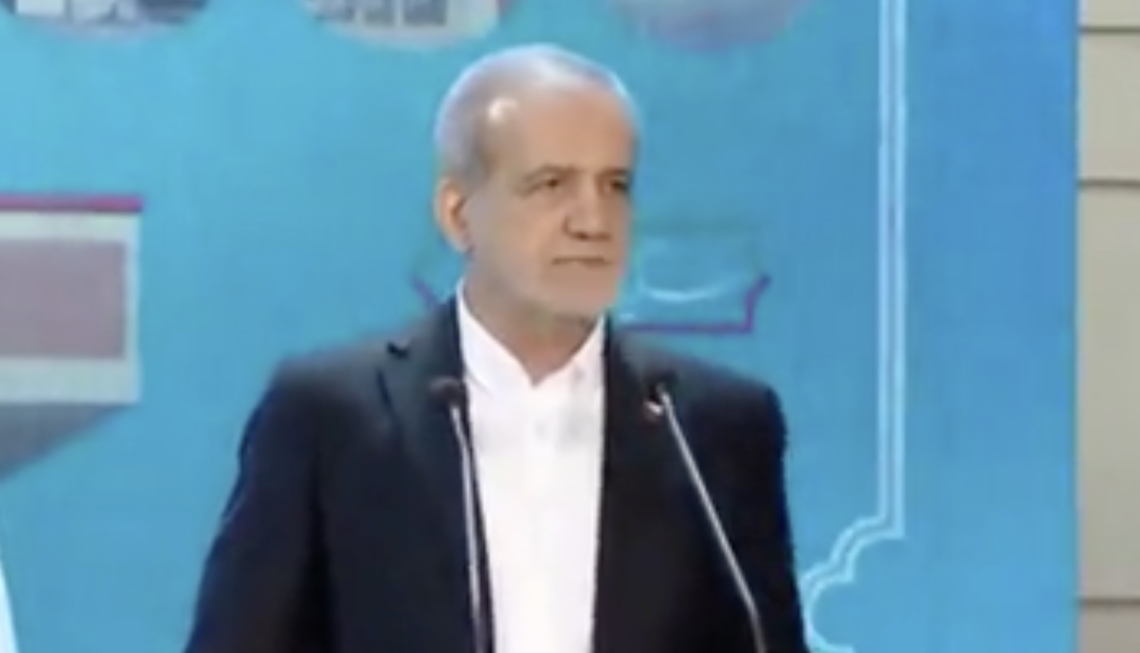
伊朗总统:“别无选择”,必须迁都
中国能源报· 2025-10-03 09:24
Core Viewpoint - The Iranian President has stated that due to the worsening water crisis, urban expansion, and ground subsidence, Iran has no choice but to relocate its capital from Tehran to the south of the country [3][5]. Group 1: Water Crisis - The Iranian President highlighted that Tehran, Karaj, and Qazvin are currently facing a severe water crisis that is not easily resolvable [5][8]. - Last year's rainfall was only 140mm, which is about 60% lower than the standard rainfall of 260mm, indicating a significant decline in water availability [7][8]. - The cost of transporting water to Tehran could reach up to 4 euros per cubic meter, emphasizing the urgent need for a change in approach to water management [7][8]. Group 2: Urban Expansion and Ground Subsidence - Tehran has developed into a city with over 10 million inhabitants, consuming nearly a quarter of Iran's total water resources [8]. - Ground subsidence is a critical issue, with some areas sinking by 30 centimeters annually, indicating a depletion of underground water resources [7][8]. - The President's remarks suggest that merely accepting the current situation without planning for the future is insufficient [5]. Group 3: Historical Context and Future Planning - There have been long-standing discussions about relocating the capital to the Persian Gulf coast, where water resources are less strained [8]. - The current President is the first to view the relocation as an unavoidable necessity, despite previous criticisms of such proposals [5][8].
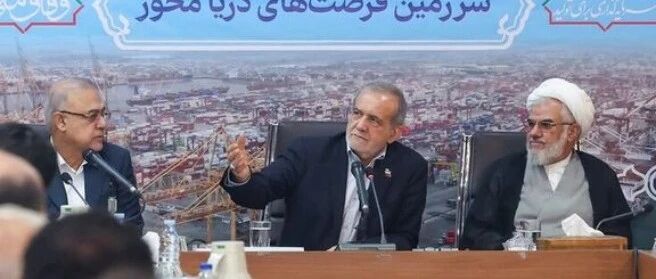
伊朗总统:已向哈梅内伊提出 伊朗必须迁都!曾称德黑兰真的没有水了 形势严峻
Mei Ri Jing Ji Xin Wen· 2025-10-03 07:51
Core Viewpoint - The Iranian President, Ebrahim Raisi, has indicated that relocating the capital from Tehran to the south is becoming a necessity due to severe water shortages, urban expansion, and ground subsidence threats [1][3]. Group 1: Water Crisis - Tehran is facing a critical water shortage, with the population of 15 million potentially needing to relocate [3]. - Over 20 out of 31 provinces in Iran are experiencing water crises, with major reservoirs at risk of drying up within weeks [3]. - Seven major reservoirs in Iran have water levels below 10%, with two dams in Hormozgan and Fars provinces completely dry [3]. Group 2: Government Response - The Iranian government has closed schools and government offices until at least October 26 in response to the water and energy crisis [3]. - Many factories have shut down due to the crisis, leading to anticipated large-scale layoffs [3]. - Critics have accused both central and provincial governments of inadequate responses to the weather challenges [3].

伊朗总统再谈“迁都”:缺水危机加剧,别无选择
Huan Qiu Wang· 2025-10-03 07:22
Core Viewpoint - The Iranian President, Pezeshkian, announced the necessity of relocating the capital from Tehran to the southern region of the country due to severe urban expansion, worsening water shortages, and increasing ground subsidence threats [1][3]. Group 1: Urban Expansion and Water Crisis - Pezeshkian emphasized that the current resource crisis in Iran is urgent, necessitating the relocation of the capital, despite previous criticisms of such proposals [3]. - Tehran, Karaj, and Qazvin are currently facing a severe water crisis, which is not easily resolvable [3]. - The region of Hormozgan, located along the Persian Gulf, is seen as a more viable option for relocation due to better access to water resources and trade opportunities [3]. Group 2: Climate and Environmental Challenges - The rainfall in Iran has significantly decreased, with last year's rainfall recorded at 140 mm, compared to a standard of 260 mm, indicating a decline of approximately 50% to 60% [5][6]. - Ground subsidence in Tehran is alarming, with some areas sinking by 30 cm annually, indicating a critical depletion of water resources [6]. - Tehran's population exceeds 10 million, consuming nearly one-quarter of Iran's total water resources, exacerbating the water crisis [6]. Group 3: Historical Context and Future Planning - Iran has been exploring the idea of relocating the capital to the Persian Gulf coast for a long time, as water supply issues are less severe in that region [6]. - Pezeshkian is the first Iranian president to view the relocation of the capital as an unavoidable choice, highlighting the urgency of the situation [6].
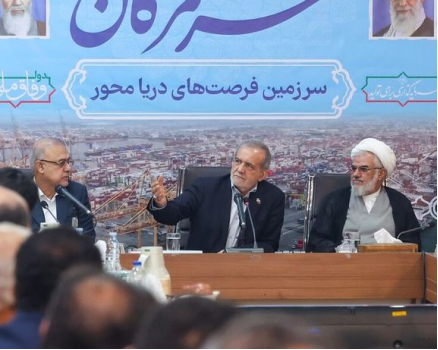
伊朗总统:别无选择 必须迁都
第一财经· 2025-10-03 06:53
Core Viewpoint - The Iranian President, Ebrahim Raisi, has stated that relocating the capital from Tehran to the south is no longer a choice but a necessity due to urban expansion, worsening water shortages, and increasing ground subsidence threats [1][3]. Group 1 - The Iranian government is facing significant challenges including urban sprawl, which has led to a crisis in water availability [1][3]. - Ground subsidence is becoming a serious threat, prompting the need for a strategic relocation of the capital [1][3]. - President Raisi has proposed moving the capital towards the Persian Gulf, indicating that this decision has been communicated to the Supreme Leader, Ali Khamenei [1][3].
伊朗总统:德黑兰缺水危机加剧,伊朗“别无选择”,必须迁都
Huan Qiu Wang· 2025-10-03 04:21
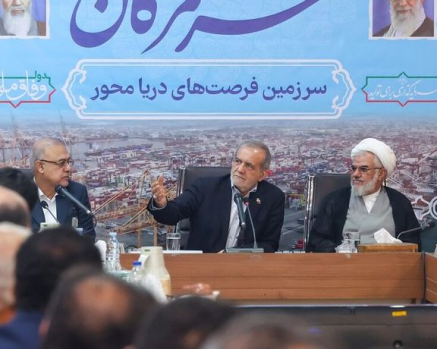
Core Viewpoint - Iran's President Pezeshkian announced the necessity of relocating the capital from Tehran to the southern region due to urban expansion, worsening water shortages, and increasing ground subsidence threats [1][3]. Group 1: Urban Expansion and Resource Crisis - The President emphasized that the current resource crisis in Iran is urgent, necessitating a shift in development strategy towards the Persian Gulf region [3]. - Tehran, Karaj, and Qazvin are facing severe water shortages that are not easily resolvable [3]. Group 2: Water Shortage Statistics - Last year's rainfall was recorded at 140 millimeters, significantly below the standard of 260 millimeters, indicating a decrease of approximately 50% to 60% [5][6]. - The cost of transporting water to Tehran could reach up to 4 euros per cubic meter, highlighting the financial burden of the water crisis [6]. Group 3: Ground Subsidence Issues - Ground subsidence in some areas of Tehran is reported to be as severe as 30 centimeters per year, indicating a critical depletion of water resources [6]. - Tehran has developed into a city with over 10 million inhabitants, consuming nearly one-quarter of Iran's total water resources [6]. Group 4: Historical Context and Future Plans - Iran has been exploring the idea of relocating the capital to the Persian Gulf coast for a long time, as water supply issues are less severe in that region [6]. - Pezeshkian is the first Iranian president to view the relocation of the capital as an unavoidable choice, despite previous criticisms of similar proposals [6].
伊朗经历今年最热一周
Xin Hua She· 2025-07-21 06:51
Group 1 - Iran is experiencing its hottest week of the year, with temperatures exceeding 50 degrees Celsius in some areas, leading to a water crisis [1] - The Iranian government is urging citizens to conserve water, with a recommendation to reduce water usage by at least 20% to alleviate supply pressure [1][2] - The capital Tehran recorded temperatures of 40 degrees Celsius on July 20, with forecasts of 41 degrees Celsius on July 21 [1] Group 2 - Water supply in Tehran is at its lowest level in a century due to insufficient rainfall, prompting the implementation of water rationing measures in some areas [2] - The Iranian Energy Minister has apologized for the water supply issues and explained that rationing is necessary for better resource management [2] - The government is investing in infrastructure projects such as reservoirs and desalination plants to secure water supply [2]
缺水危机日趋严重,阿富汗首都喀布尔5年后或无地下水可用
Huan Qiu Shi Bao· 2025-07-20 22:50
Core Insights - Kabul is facing a severe water crisis, potentially becoming the first capital in the world without available water if no measures are taken [1] - The International Medical Corps reports that Kabul's reliance on groundwater has led to a depletion rate that far exceeds natural replenishment, with half of the city's wells already dried up [1] Group 1: Water Crisis Details - Over the past decade, the groundwater level in Kabul has dropped by 30 meters, with annual extraction exceeding natural replenishment by 44 million cubic meters [1] - Many residents struggle to afford water, with some families spending 30% of their income on purchasing water, leading to debt for over two-thirds of households [1] - Families in need of water often have to save for six months to afford digging a well, costing around 40,000 Afghanis (approximately 4,100 RMB) [1] Group 2: Water Quality and Health Issues - More than 80% of Kabul's groundwater is unsafe, contaminated by sewage or exceeding arsenic and salinity levels [1] - Public health issues are prevalent, with many residents experiencing symptoms like vomiting and diarrhea due to water pollution [1] Group 3: Contributing Factors - The water crisis is exacerbated by a rapidly increasing population, over-extraction of groundwater, and climate change [1] - UNICEF predicts that if the water shortage continues, Kabul's groundwater could be depleted by 2030 [1] Group 4: Impact of International Aid - The reliance on international aid for local jobs means that the freezing of funds by the Trump administration could worsen the water crisis in Kabul [2] - The UN Office for the Coordination of Humanitarian Affairs planned to invest $264 million in water and sanitation improvements in Afghanistan, but only $8.4 million has been disbursed [2]