无核三原则

Search documents
视频丨日本广岛市长称日政府应坚持“无核三原则”
Yang Shi Xin Wen Ke Hu Duan· 2025-12-27 02:24
Core Viewpoint - The Mayor of Hiroshima, Matsui Kazumi, emphasized that the Japanese government should clearly state its unwavering commitment to the "Three Non-Nuclear Principles" and not be swayed by personal opinions [2] Group 1: Government Stance - The "Three Non-Nuclear Principles" are considered a national policy that must remain unshakeable [2] - A government official recently suggested that Japan should possess nuclear weapons, indicating a potential shift in policy [2] Group 2: Political Implications - Prime Minister Suga Yoshihide's administration is reportedly exploring modifications to the "Three Non-Nuclear Principles" during the revision of the "Security Three Documents" [2] - There is widespread concern in Japanese public opinion that any alteration to the "Three Non-Nuclear Principles" by Suga could provoke strong domestic and international backlash [2]
日本广岛市长称日政府应坚持“无核三原则”
Xin Lang Cai Jing· 2025-12-27 00:11
日本首相官邸一名负责安全保障政策的官员近期宣称"日本应拥有核武器"。据称,日本首相高市早苗11 月中旬就开始探讨在修订"安保三文件"时对"无核三原则"进行修改。日本舆论认为,高市早苗如果修 改"无核三原则",必将引发国内外强烈批评。 本文转自【央视新闻客户端】; 日本广岛市市长松井一实26日表示,"日本政府应明确,不会受到个人观点左右并将坚持'无核三原 则'的立场"。松井一实强调,"无核三原则"是国家方针、不可动摇。 ...
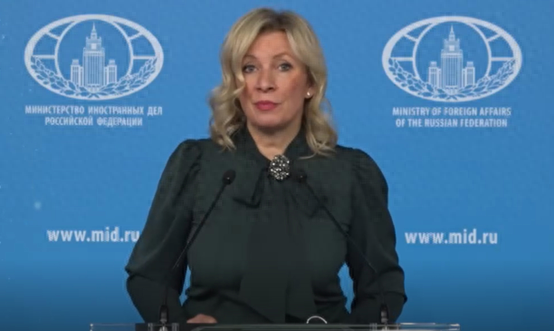
日本首相官邸高官鼓吹“日本应拥核”,扎哈罗娃表态
Xin Lang Cai Jing· 2025-12-26 12:56
Group 1 - The core viewpoint is that Japan's potential abandonment of its non-nuclear status would directly violate its obligations under the Treaty on the Non-Proliferation of Nuclear Weapons (NPT) [1][3] - Russian Foreign Ministry spokesperson Zakharova emphasized that any modification to Japan's "Three Non-Nuclear Principles" would complicate the Northeast Asian situation and provoke countermeasures from countries threatened by such policies [3] - The remarks made by a senior official in the Japanese Prime Minister's office advocating for Japan to possess nuclear weapons have drawn widespread condemnation and are seen as a significant deviation from Japan's post-war commitment to peace [4] Group 2 - China's Foreign Ministry expressed shock at the statements made by Japanese officials regarding nuclear armament, viewing them as a blatant provocation to the post-war international order and nuclear non-proliferation system [4] - The Japanese government's lack of clarification on these statements, coupled with the Defense Minister's comments that do not rule out any options regarding the "Three Non-Nuclear Principles," raises concerns about Japan's commitment to peace [4]

妄言“拥核”日官员身份曝光:系高市早苗“亲信”
Xin Jing Bao· 2025-12-26 06:42
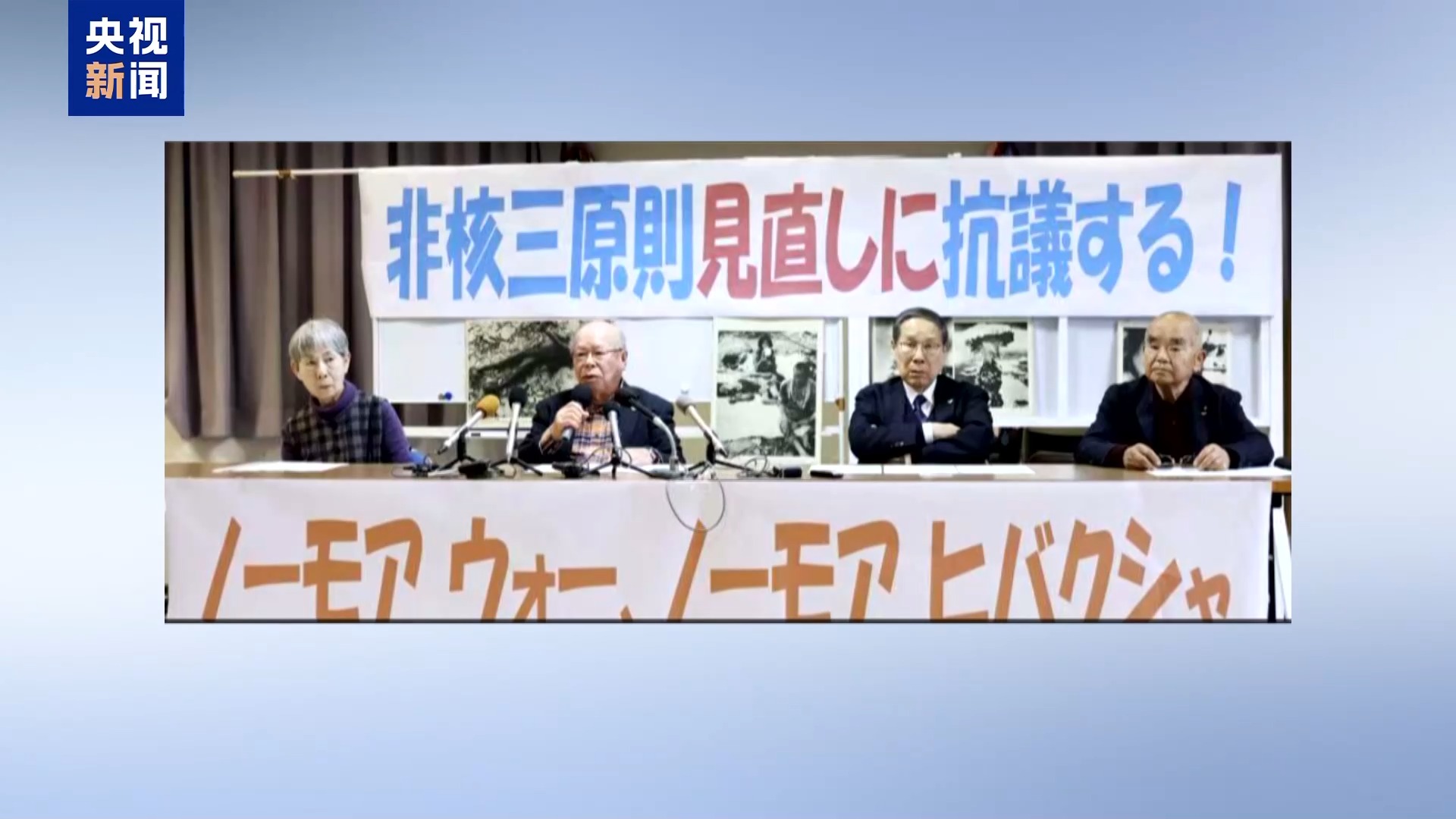
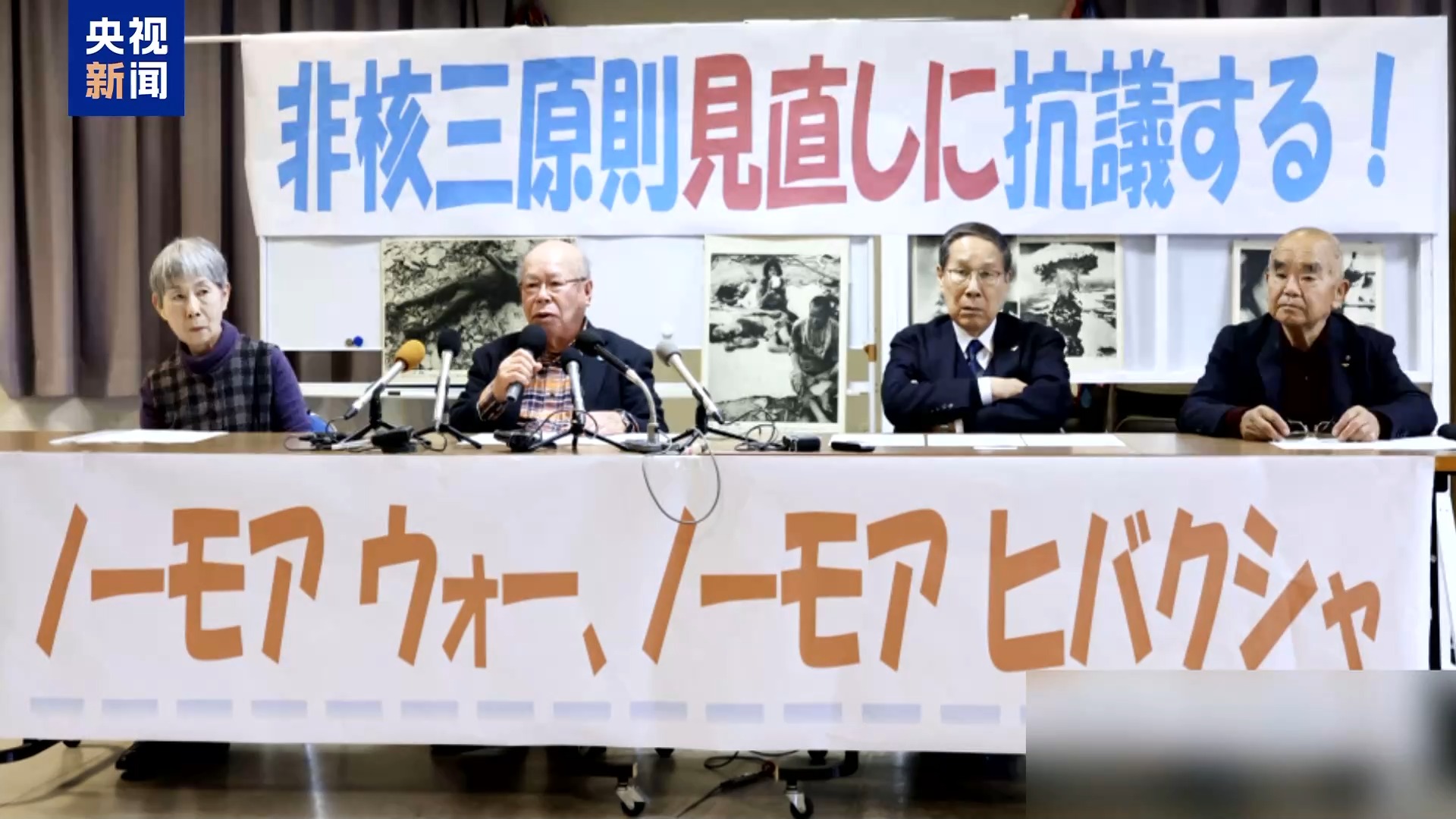
12月24日,报道称,发表"日本应拥有核武器"言论的日本官员是首相辅佐官尾上定正。尾上定正是日本 首相高市早苗在防卫问题上的"亲信",负责核军控、核不扩散事务。 长崎市市长铃木史朗25日公开反对"拥核"言论。24日,长崎的4个核爆受害者团体召开联合记者会,呼 吁政府坚持"无核三原则"。 编辑易向荃制作罗伟伟 当日高市早苗谈及"拥有核潜艇"问题时称,"不排除任何选项"。高市政府近期围绕"无核三原则"的一系 列试探遭到舆论一致反对。 ...
从拥核言论到巨额军费 日本右翼“冒天下之大不韪”或酿重大灾难
Yang Shi Xin Wen Ke Hu Duan· 2025-12-26 02:09
Core Viewpoint - Recent statements by high-ranking officials in Japan advocating for nuclear armament have sparked strong domestic backlash and international concern, revealing a dangerous trend towards historical revisionism and military expansion within the Japanese government [1][2][14] Group 1: Nuclear Armament Discussions - Japanese Prime Minister Suga Yoshihide's aide, who is responsible for nuclear disarmament, made controversial remarks suggesting Japan should consider nuclear capabilities, indicating a significant shift in Japan's defense policy [2][5] - The Chinese government has condemned these pro-nuclear statements, labeling them as a serious provocation against international norms and a threat to regional stability [1][14] Group 2: Domestic Reactions - Various groups within Japan, including nuclear bomb survivors, have expressed strong opposition to the pro-nuclear rhetoric, emphasizing that it undermines the suffering experienced over the past 80 years [5][7] - Public protests have emerged, with citizens rallying against the government's militaristic policies and calling for the resignation of Prime Minister Suga [7][9] Group 3: Military Budget and Expansion - Japan's upcoming budget proposal for the fiscal year 2026 is expected to reach a record high of 122 trillion yen, with defense spending surpassing 9 trillion yen for the 14th consecutive year [9][11] - The budget includes provisions for increasing arms exports and enhancing Japan's security capabilities, reflecting a clear intent to expand military operations [9][11] Group 4: Historical Revisionism - The influence of historical revisionism is evident in Japan's military education, where textbooks are incorporating "Yasukuni views," promoting a militaristic narrative among future military leaders [13][14] - Experts warn that Japan's nuclear ambitions could embolden right-wing factions, potentially leading to aggressive foreign policies and regional conflicts [14]
叫嚣“拥核”的日本高官被曝负责核裁军 核爆受害者发声抗议
Yang Shi Xin Wen Ke Hu Duan· 2025-12-26 02:08
Core Viewpoint - Recent statements by a senior official in the Japanese Prime Minister's office advocating for nuclear armament have sparked significant backlash both domestically and internationally, with criticism from former politicians, political parties, and civil organizations in Japan, as well as strong opposition from neighboring countries [1][3]. Group 1: Domestic Reactions - Four survivor groups from the Nagasaki nuclear bombings held a press conference to protest the remarks about Japan possessing nuclear weapons, stating that such views undermine the 80-year journey of suffering endured by nuclear victims and are unacceptable [3]. - The survivor groups called for the Japanese government to adhere to the "Three Non-Nuclear Principles" and to shift away from a security policy reliant on nuclear deterrence [3]. Group 2: International Implications - A senior Japanese journalist emphasized that Japan cannot pursue nuclear armament due to its commitment to the "Three Non-Nuclear Principles" and warned that such a move would lead to severe international criticism and potential sanctions [3][5]. - The journalist also noted that if Japan attempted to acquire nuclear weapons, it might have to withdraw from the International Atomic Energy Agency, which would jeopardize its access to nuclear fuel and lead to economic collapse [5].
总台现场直击丨日本民众集会反对武器出口 谴责高市错误言论
Yang Shi Xin Wen Ke Hu Duan· 2025-12-26 02:06
Group 1 - Japanese citizens are protesting against the government's arms export policy, emphasizing the need for peace as per Article 9 of the Japanese Constitution [1][5] - Protesters express concerns over the government's push for military expansion and the involvement of Japanese companies in the arms industry, which they believe poses a significant danger [5][12] - There is a growing fear among the public that discussions around nuclear weapons and military policies are eroding Japan's long-standing pacifist stance [8][10] Group 2 - Representatives from 12 civil organizations have submitted petitions to the ruling Liberal Democratic Party and the Japan Innovation Party, demanding a ban on arms exports due to the alarming rhetoric from some politicians [8][12] - The Japanese Consumers' Union editor highlights the contradiction between the Constitution's prohibition of war and the current trend of arms manufacturing and export for profit [8][12] - The Peace Committee of Japan calls for a return to the previous arms prohibition policy, expressing concerns that the current military shift threatens public safety [12]
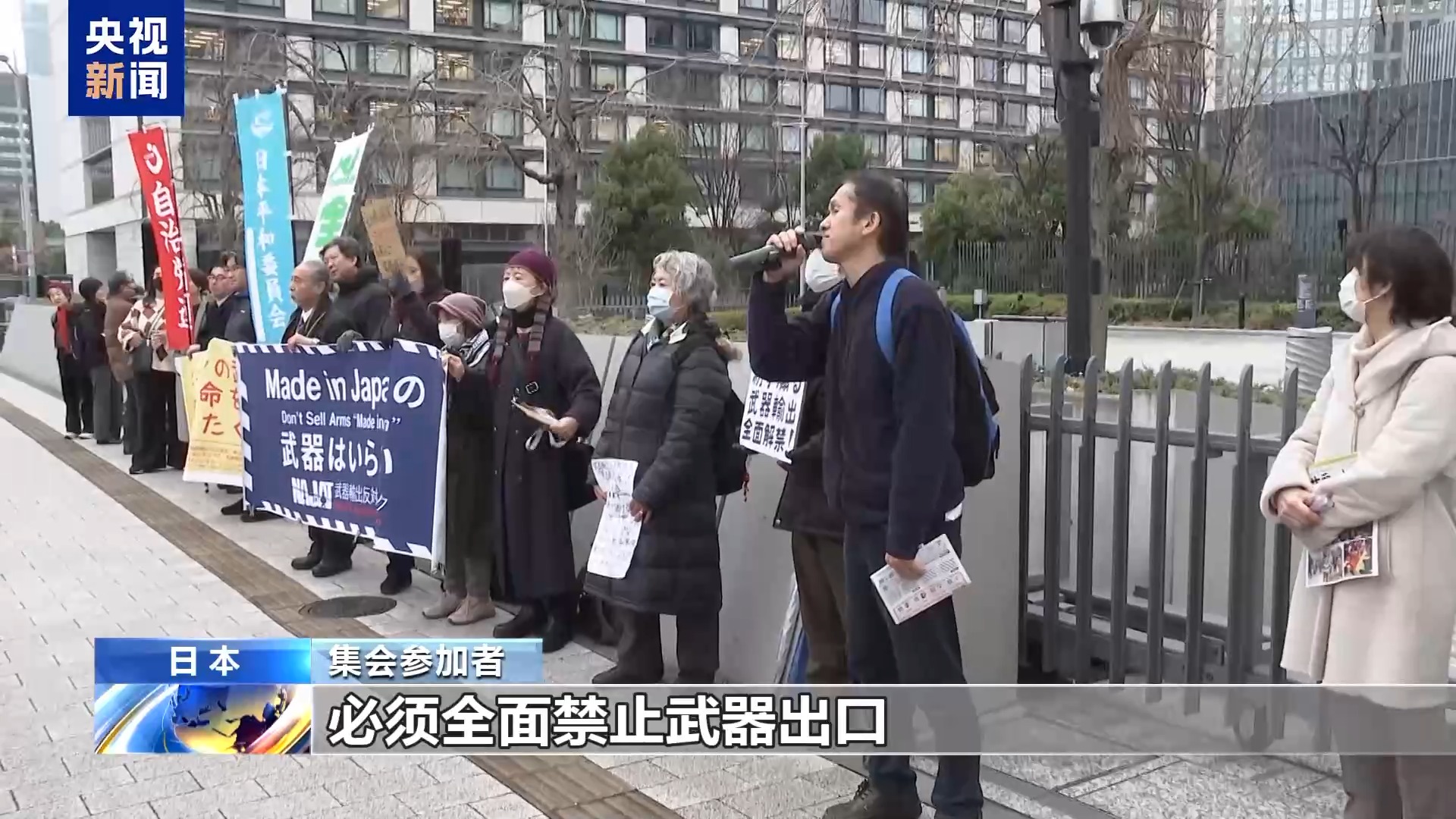
视频丨叫嚣“拥核”的日本高官被曝负责核裁军 核爆受害者发声抗议
Yang Shi Xin Wen Ke Hu Duan· 2025-12-25 23:06
日本长崎4个核爆受害者团体的代表24日举行记者会,就日本首相官邸高官有关"日本应拥有核武器"的错误言论发表抗议声明。声明指出,"日本拥核论"是 在践踏核爆受害者从苦难年代走过来的80年历程,不可接受。声明还呼吁日本政府坚持"无核三原则",并转变依赖核威慑的安全保障政策。 日本媒体人:若日本"拥核"将遭国际社会制裁 日本首相官邸高官近日发表拥核言论,引发日本国内外震动,日本前政要、朝野政党、各地方和民间组织纷纷提出批评,很多周边国家也表示强烈反对。据 悉,有首相官邸相关人士透露,发表该言论的是日本首相高市早苗的亲信、首相辅佐官尾上定正,此人正是负责核裁军、核不扩散事务。 0:00 尾上定正与高市早苗同是奈良出身,两人关系密切。消息人士还称,认为应该拥核的人却负责核裁军事务,尾上是完全不称职的;发表这种言论本应被撤 换,但由于尾上与高市关系密切,因此还没有被追责。 长崎核爆受害者团体抗议"日本拥核"言论 日本《朝日新闻》前记者 佐藤章:日本必须反省80年前的那场战争,而且这种反省不是在某个时间点就可以结束的,而是必须持续不断地进行。如果日本 真的试图拥有核武器,毫无疑问会在国际社会遭到极其强烈的批判。例如日本可能 ...
妄言“拥核”日官员身份曝光,系高市早苗“亲信”
Huan Qiu Shi Bao· 2025-12-25 22:54
Group 1 - The Japanese government, particularly Prime Minister Kishi Nobuo, has made controversial statements regarding nuclear weapons, which have been criticized by China's Ministry of National Defense as a provocation to the post-war international order and a serious threat to regional and international peace [1] - Kishi Nobuo's recent comments about considering the option of acquiring nuclear submarines have sparked significant public backlash, especially following previous remarks from government officials suggesting Japan should possess nuclear weapons [3] - The official responsible for the pro-nuclear comments, who is a close aide to Kishi Nobuo, has not faced any disciplinary action, leading to speculation that the government may be tacitly supporting these views to test public reaction and potentially shift Japan's nuclear policy [3] Group 2 - The sales revenue of Japanese department stores from foreign tourists has decreased by 2.5% year-on-year in November, attributed in part to a significant drop in the number of Chinese tourists visiting Japan [4] - The decline in Chinese tourist numbers began in late November, which analysts believe is a key factor contributing to the overall decrease in sales [4]
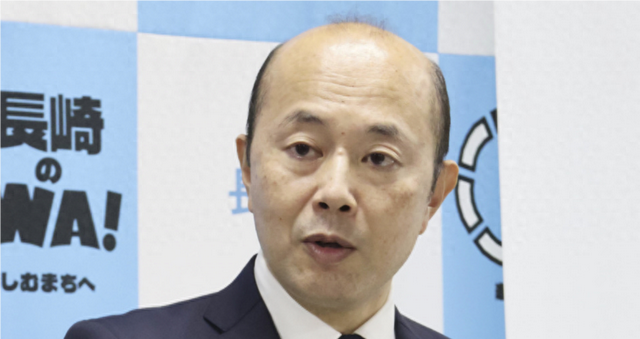
长崎市长批日本首相官邸高官拥核言论
Xin Lang Cai Jing· 2025-12-25 15:19
转自:北京日报客户端 据日本共同社报道,日本长崎市市长铃木史朗当地时间25日召开记者会,就日本首相官邸高官的拥核言 论批评说,核爆的实际情况没被了解,希望此人先来到核爆地,实际用心感受一下。 日首相官邸高官拥核言论已引发多方批评,据日本共同社报道,立宪民主党党首野田佳彦22日再次要求 日本首相高市早苗尽快撤换发表"日本拥核论"的官员。日本《赤旗报》22日报道,日本共产党政策委员 长山添拓21日在日本广播协会的一档电视节目中说,日本是唯一在战争中遭到过原子弹轰炸的国家,公 然否定"无核三原则"绝对不可接受,应该撤回相关言论并罢免相关人士。 外交部发言人林剑24日表示,日本首相官邸高官的拥核言论绝非孤立事件。日本首相高市早苗发表涉台 错误言论之后,其侧近人士再次发表谬论,暴露出高市早苗首相和日本右翼势力的一贯错误主张和持续 推动"再军事化"的野心,传递出极其危险的信号。 来源:环球网 作者: 闫珮云 当地时间 12月25日,长崎市长铃木史朗召开记者会。 图源:日媒 ...