
日本军国主义

Search documents
国际人士表示高市早苗错误言论无视历史非常危险 日本人士敦促高市早苗立即撤回错误言论
Yang Guang Wang· 2025-12-07 04:51
Group 1 - The core viewpoint of the articles highlights the dangerous implications of Japanese Prime Minister Kishi Nobuo's remarks, which are seen as a revival of militarism and a disregard for historical responsibilities, potentially threatening regional peace [1][2] - Malaysian analyst Lin Wenjie emphasizes the need for collective efforts to prevent historical tragedies from recurring, indicating that certain factions in Japan are attempting to revive militaristic ideologies [1] - Iraqi political scholar Ayman Shammari asserts that Japan's statements interfere with China's internal affairs and violate its sovereignty, calling for Japan to retract its erroneous comments and adhere to international law [1] Group 2 - Japanese scholars stress the importance of stable Sino-Japanese relations, urging Prime Minister Kishi to retract her controversial statements, which are inconsistent with Japan's established diplomatic stance [2] - Political economist Uekusa Hideo points out that Kishi's remarks violate existing political agreements between China and Japan, highlighting the need for Japan to take responsibility for its historical actions [2]
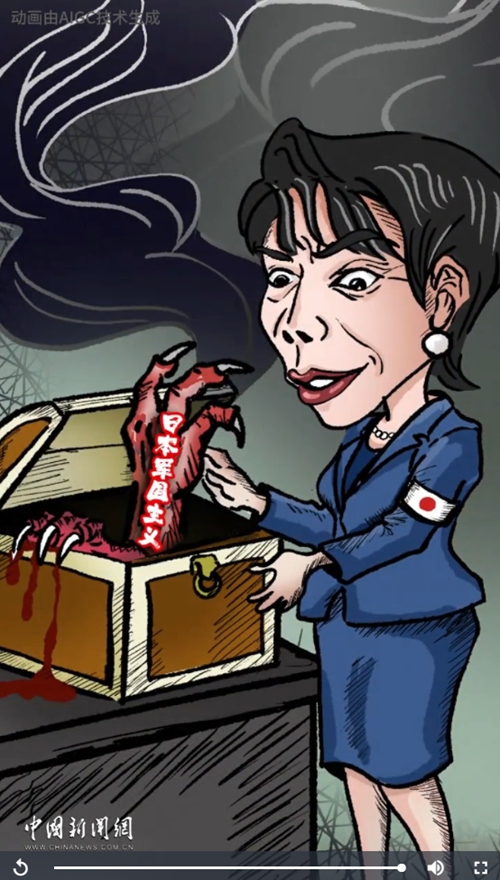
如开启“潘多拉魔盒”,高市言论推高东亚军事风险|新漫评
Zhong Guo Xin Wen Wang· 2025-12-04 13:34
日本首相高市早苗近日在国会公然宣称"台湾有事"可能构成日本行使所谓"集体自卫权"的"存亡危机事 态",暗示可能武力介入台海问题。此番挑衅言论,无异于打开藏着日本军国主义亡魂的"潘多拉魔 盒",不仅意在将东亚推向军事对峙边缘,更可能把日本引向万劫不复的战争歧途。国际社会绝不允许 日本军国主义否定历史、重蹈覆辙。日本军国主义的"魔盒"一旦打开,后果不堪设想,只要"露头",必 将遭到迎头痛击! ...

高市挑衅言行对地区国家构成严重威胁——访俄国家杜马国际事务委员会第一副主席诺维科夫
Xin Hua Wang· 2025-12-03 10:36
新华社莫斯科12月3日电 专访|高市挑衅言行对地区国家构成严重威胁——访俄国家杜马国际事务委 员会第一副主席诺维科夫 新华社记者黄河 俄罗斯国家杜马(议会下院)国际事务委员会第一副主席德米特里·诺维科夫日前接受新华社记者专访 时表示,日本首相高市早苗公然发表涉台错误言论,图谋修改"无核三原则",其一系列挑衅言行对地区 国家构成严重威胁。 今年是中国人民抗日战争暨世界反法西斯战争胜利80周年。"令人遗憾的是,日本军国主义在今年明显 抬头。"诺维科夫指出,二战结束以来,日本在思想与意识形态层面从未真正实现非军事化。 "日本政治体制中有相当一部分人并未认识到祖辈犯下的滔天罪行,这些罪行在日本国内政治传统中也 未受到应有的谴责。因此,如今我们看到日本军国主义野心正在回潮。"诺维科夫说。 在他看来,日本正利用其与美国的同盟关系来实现军国主义野心。 日本近年来大幅调整安保政策,逐年增加防卫预算。据日本媒体披露,高市早苗还企图在修订《国家安 全保障战略》等"安保三文件"时,对"无核三原则"中不引进核武器的原则进行修改。诺维科夫对此指 出,高市一系列言行"极其危险",将造成台湾地区乃至亚太地区局势失衡,对中国和该地区所有国家 ...
专访丨高市挑衅言行对地区国家构成严重威胁——访俄国家杜马国际事务委员会第一副主席诺维科夫
Xin Hua She· 2025-12-03 05:56
新华社莫斯科12月3日电 专访|高市挑衅言行对地区国家构成严重威胁——访俄国家杜马国际事务委员 会第一副主席诺维科夫 新华社记者黄河 在他看来,日本正利用其与美国的同盟关系来实现军国主义野心。 日本近年来大幅调整安保政策,逐年增加防卫预算。据日本媒体披露,高市早苗还企图在修订《国家安 全保障战略》等"安保三文件"时,对"无核三原则"中不引进核武器的原则进行修改。诺维科夫对此指 出,高市一系列言行"极其危险",将造成台湾地区乃至亚太地区局势失衡,对中国和该地区所有国家都 构成威胁。 诺维科夫特别强调,台湾是中国的一部分,俄罗斯坚定奉行一个中国原则。如果日本将其错误言论和扩 军图谋付诸实践,俄罗斯有权采取反制措施以维护自身安全。"我们决不能允许挑衅者实现其野心。" 责编:张荣耀、卢思宇 俄罗斯国家杜马(议会下院)国际事务委员会第一副主席德米特里·诺维科夫日前接受新华社记者专访 时表示,日本首相高市早苗公然发表涉台错误言论,图谋修改"无核三原则",其一系列挑衅言行对地区 国家构成严重威胁。 今年是中国人民抗日战争暨世界反法西斯战争胜利80周年。"令人遗憾的是,日本军国主义在今年明显 抬头。"诺维科夫指出,二战结束以 ...
专访|高市挑衅言行对地区国家构成严重威胁——访俄国家杜马国际事务委员会第一副主席诺维科夫
Xin Hua She· 2025-12-03 04:22
专访|高市挑衅言行对地区国家构成严重威胁——访俄国家杜马国际事务委员会第一副主席诺维 科夫 在他看来,日本正利用其与美国的同盟关系来实现军国主义野心。 日本近年来大幅调整安保政策,逐年增加防卫预算。据日本媒体披露,高市早苗还企图在修订 《国家安全保障战略》等"安保三文件"时,对"无核三原则"中不引进核武器的原则进行修改。诺 维科夫对此指出,高市一系列言行"极其危险",将造成台湾地区乃至亚太地区局势失衡,对中国 和该地区所有国家都构成威胁。 诺维科夫特别强调,台湾是中国的一部分,俄罗斯坚定奉行一个中国原则。如果日本将其错误言 论和扩军图谋付诸实践,俄罗斯有权采取反制措施以维护自身安全。"我们决不能允许挑衅者实现 其野心。" 新华社记者黄河 俄罗斯国家杜马(议会下院)国际事务委员会第一副主席德米特里·诺维科夫日前接受新华社记者 专访时表示,日本首相高市早苗公然发表涉台错误言论,图谋修改"无核三原则",其一系列挑衅 言行对地区国家构成严重威胁。 今年是中国人民抗日战争暨世界反法西斯战争胜利80周年。"令人遗憾的是,日本军国主义在今年 明显抬头。"诺维科夫指出,二战结束以来,日本在思想与意识形态层面从未真正实现非军事 ...
侵蚀和平土壤,谁在育“毒苗”结“恶果”?
Zhong Guo Xin Wen Wang· 2025-12-01 02:53
Core Viewpoint - The article highlights provocative remarks made by Japanese Prime Minister Sanae Takaichi in the National Diet regarding Taiwan, which are perceived as military threats and calls for war [1] Group 1 - The resurgence of militaristic rhetoric in Japan is seen as a toxic influence that undermines regional cooperation [1] - There is a concern that the remnants of militarism are attempting to take root in a peaceful environment, exacerbating tensions in the region [1] - The need to counteract these destabilizing influences is emphasized, advocating for the promotion of international justice and peace [1]
人民日报:高市早苗宣称“日本又回来了”,我们不禁要问,一个什么样的日本又回来了?!
Ren Min Ri Bao· 2025-11-30 23:58
Core Viewpoint - The article argues that Japan's claim of "undetermined status of Taiwan" reflects a misunderstanding of history and a misjudgment of reality, revealing Japan's intentions to militarily intervene in the Taiwan Strait [1][2]. Historical Context - Japan's occupation of Taiwan began in April 1895 through an unequal treaty, and the legal basis for Taiwan's return to China is established through international agreements such as the Cairo Declaration and the Potsdam Proclamation [1][2]. - The San Francisco Peace Treaty, cited by Japanese Prime Minister Sanae Takaichi, is criticized as an illegal document that contradicts established international law and the principles of the post-war order [2]. Japan's Historical Actions - The article highlights the dark history of Japanese colonial rule in Taiwan, including atrocities committed against the Taiwanese people, such as mass killings during the colonial period [3]. - It questions the implications of Takaichi's statement "Japan is back," suggesting that it could indicate a resurgence of militarism rather than a commitment to peace [3]. Taiwan's Status - Taiwan is emphasized as a core interest of China, with a strong assertion of China's capability and determination to counter any interference regarding Taiwan's status [4]. - The article warns Japanese politicians against provocative actions related to Taiwan, urging them to reflect on historical responsibilities [4].
十天内,俄罗斯三批日本!
Xin Hua She· 2025-11-28 15:49
Core Viewpoint - The Russian Foreign Ministry spokesperson Maria Zakharova has issued strong criticisms of Japan's recent actions, particularly targeting Prime Minister Fumio Kishida's remarks regarding Taiwan, emphasizing the need for Japan to reflect on its historical mistakes and warning of the serious threats posed by Japan's military actions in the region [1][2][3][4] Group 1: Historical Reflection - Zakharova highlighted the importance of Japan reflecting on its past, especially in light of the 80th anniversary of the victory in the World Anti-Fascist War, urging Japanese leaders to acknowledge the darker aspects of their history [2] - She criticized Kishida's provocative statements regarding Taiwan, asserting that Japan has not learned from its historical errors and continues to deny the outcomes of World War II [3] Group 2: Military Expansion Concerns - Zakharova pointed out Japan's deployment of offensive weapons on surrounding islands, which she claims undermines regional security and poses a serious threat to neighboring countries [4] - She expressed concern over Japan's militarization under U.S. influence, stating that such actions exacerbate tensions in the region and ignore the peace aspirations of local residents [4] - Zakharova warned that any moves by Japan to modify its "Three Non-Nuclear Principles" would have irreversible consequences for global strategic security [4]
视频丨美国知名学者:高市早苗迈出错误一步 日方应谨言慎行
Yang Shi Xin Wen Ke Hu Duan· 2025-11-28 08:23
日本首相高市早苗近期发表的涉台错误言论接连引发多方批评。美国哥伦比亚大学教授杰弗里·萨克斯在接受总台专访时表示,日本首相高市早苗近期发表 一系列错误言论,迈出了错误的一步。 杰弗里·萨克斯还表示,日本从未真正地正视其对外发动侵略战争的历史。他认为,日本军国主义抬头将损害日本和国际社会的利益,会将全世界卷入灾难 之中。 美国哥伦比亚大学教授 杰弗里·萨克斯:我们应该尽一切可能避免冲突,但是就日本而言,事实是,在过去的十年中,日本不那么坚持和平主义了,反而更 多地以军事为导向,日本正在增加军费开支,以更加强硬的态度发表言论。在我看来,这些都有悖于日本自身的利益。在我看来,日本从未真正地正视那些 在东亚和东南亚的战争中的所作所为。军国主义是危险且过时的,它不应该在我们的世界上存在。我认为,日本进行军事扩张,以及可能引发的大规模军备 竞赛是最大的灾难。 责编:张靖雯、王瑞景 日本从未真正正视其对外发动侵略战争的历史,日本军国主义抬头将带来"最大的灾难"。 0:00 美国哥伦比亚大学教授 杰弗里·萨克斯:高市早苗的言论,极大地加剧了中日之间的紧张关系。总体而言,实话说,日方应该谨言慎行。在1894年到1945年 期间, ...
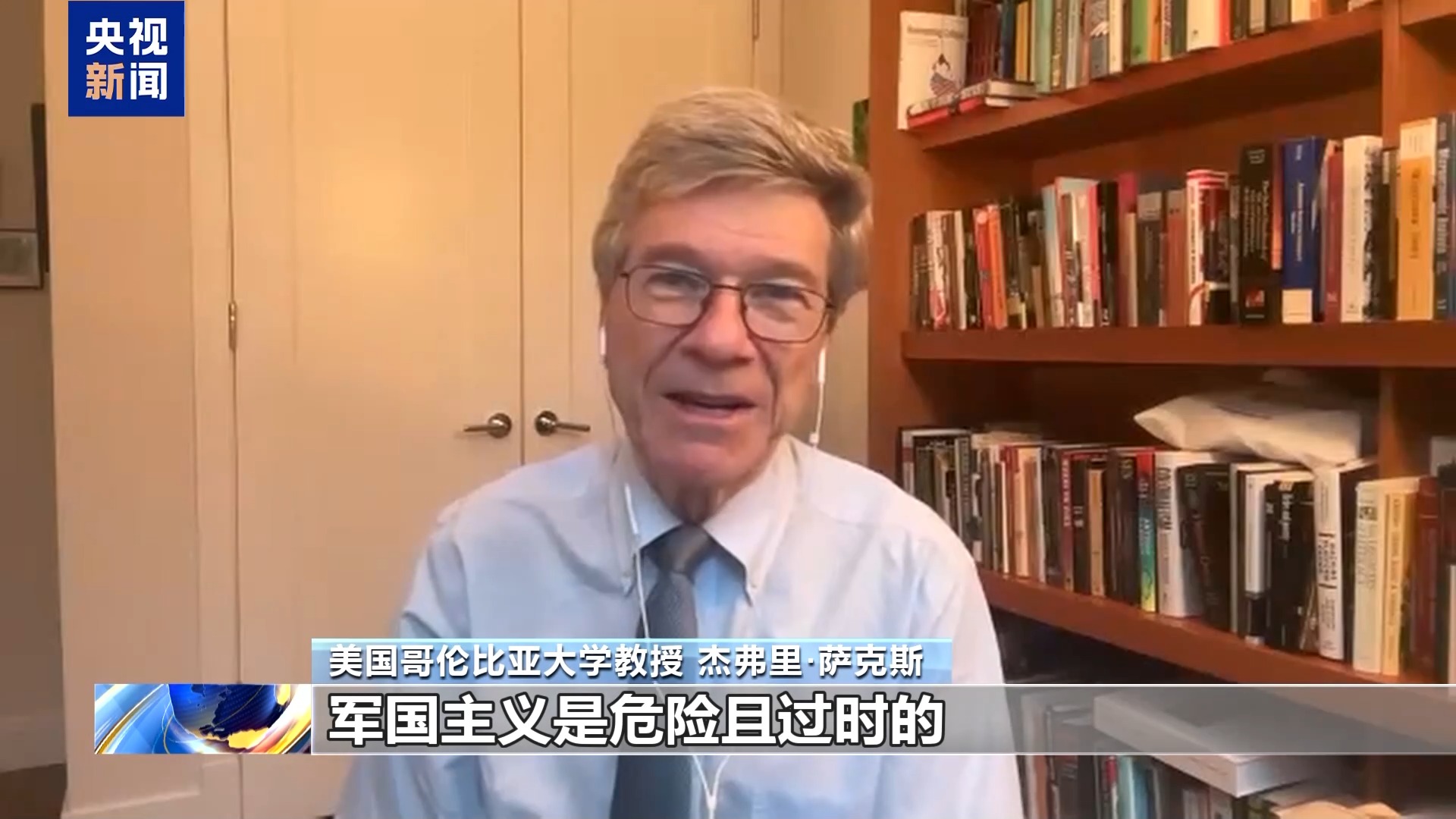
美国知名学者:高市早苗迈出错误一步 日方应谨言慎行
Yang Shi Xin Wen Ke Hu Duan· 2025-11-28 07:46
美国哥伦比亚大学教授 杰弗里·萨克斯:我们应该尽一切可能避免冲突,但是就日本而言,事实是,在过去的十年中,日本不那么坚持和平主义了,反而更 多地以军事为导向,日本正在增加军费开支,以更加强硬的态度发表言论。在我看来,这些都有悖于日本自身的利益。在我看来,日本从未真正地正视那些 在东亚和东南亚的战争中的所作所为。军国主义是危险且过时的,它不应该在我们的世界上存在。我认为,日本进行军事扩张,以及可能引发的大规模军备 竞赛是最大的灾难。 日本军国主义抬头将带来"最大的灾难" 杰弗里·萨克斯还表示,日本从未真正地正视其对外发动侵略战争的历史。他认为,日本军国主义抬头将损害日本和国际社会的利益,会将全世界卷入灾难 之中。 日本首相高市早苗近期发表的涉台错误言论接连引发多方批评。美国哥伦比亚大学教授杰弗里·萨克斯在接受总台专访时表示,日本首相高市早苗近期发表 一系列错误言论,迈出了错误的一步。 日本从未真正正视其对外发动侵略战争的历史,日本军国主义抬头将带来"最大的灾难"。 美国哥伦比亚大学教授 杰弗里·萨克斯:高市早苗的言论,极大地加剧了中日之间的紧张关系。总体而言,实话说,日方应该谨言慎行。在1894年到1945年 ...