
Housing affordability

Search documents
Housing affordability is so strained that Trump is considering a 50-year mortgage. Here are 11 things to know
Fastcompany· 2025-11-11 18:15
Core Insights - The announcement by FHFA Director Bill Pulte indicates that Fannie Mae and Freddie Mac will remain in conservatorship, alleviating concerns about rising mortgage rates due to potential exits from conservatorship [3] - A new 50-year mortgage option is being considered to help improve housing affordability, with the government planning to sell up to 5% of shares back to the public [3] Mortgage Rate Implications - A 50-year mortgage is expected to carry a higher interest rate, estimated to be 42 to 57 basis points above the standard 30-year fixed mortgage rate [7][8] - The average 30-year fixed mortgage rate was reported at 6.22%, suggesting a potential 50-year mortgage rate between 6.64% and 6.79% [8] Monthly Payment Analysis - The primary advantage of a 50-year mortgage is lower monthly payments, with a $400,000 mortgage at 6.22% resulting in a monthly payment of approximately $2,455 for a 30-year term, compared to about $2,297 for a 50-year term, yielding a savings of roughly $158 per month [9][10] Long-term Financial Considerations - Borrowers using a 50-year mortgage would pay significantly more in total interest, with an estimated total interest payment of around $980,000 compared to $483,000 for a 30-year mortgage [14] - The slower pace of principal repayment in a 50-year mortgage means homeowners build equity much more slowly, with only about 9% of the balance paid off after 10 years compared to 20% for a 30-year mortgage [16] Market Demand and Public Sentiment - The introduction of a 50-year mortgage could create some additional housing demand, but it is unlikely to be substantial due to the current housing market conditions [19] - Early polling indicates that public sentiment towards the 50-year mortgage is largely unfavorable, which may hinder its implementation [20]


How Much a 50-Year Mortgage Saves You Now, Costs You Later
Barrons· 2025-11-10 16:36
Core Viewpoint - The introduction of a 50-year mortgage could provide short-term savings for home buyers but may lead to higher long-term costs and risks in the housing market [2][3][4]. Group 1: Mortgage Structure and Implications - A 50-year mortgage could save borrowers approximately $280 monthly on a $400,000 loan at a 6.3% interest rate compared to a 30-year loan [4][5]. - If held to maturity, borrowers would pay over $425,000 more in interest with a 50-year mortgage than with a 30-year mortgage, exceeding the initial loan amount [5][6]. - The typical first-time home buyer's age reached 40 years as of June 2025, indicating a trend towards older buyers in the current housing market [4][7]. Group 2: Market Dynamics and Challenges - The suggestion of a 50-year mortgage highlights the ongoing challenge of addressing high home purchase costs in an unaffordable housing market, where both mortgage rates and home prices have risen significantly [3][6]. - A longer loan term could potentially lead to increased home prices, as it may subsidize demand without addressing supply issues, negating any savings from lower monthly payments [6][7]. - Homeowners' equity growth would be slower with a 50-year mortgage, with less than 4% of the principal paid off after ten years compared to nearly 16% for a 30-year mortgage [6].
Explaining America’s housing affordability crisis
MSNBC· 2025-11-09 19:19
New York City's mayoral election was fought and won largely on the issue of affordable housing. It's easy to understand why. According to realtor.com, the median asking rent in New York City accounted for 55% of a typical household income, which is well above the commonly accepted 30% affordability threshold. End quotes. Households that spend more than 30% of their income on rent are considered costburdened by the government.New York City is America's most expensive city, but home affordability is not just ...

Black Coffee: Fish Head Soup
Len Penzo Dot Com· 2025-11-08 09:00
Group 1 - Jack in the Box divested Del Taco for $115 million, significantly less than the $575 million it paid for the chain less than four years ago [3] - Yum Brands is considering divesting the struggling Pizza Hut chain, which has seen its market share decline from nearly 23% in 2019 to 18.7% last year, with sales continuing to decline into 2025 [3] - The US National Debt has surpassed $38 trillion, equating to $330,000 for every American taxpayer, with projections indicating another trillion dollars will be added before the end of 2026 [9][12] Group 2 - Nvidia has become the first company to reach a market value of $5 trillion, surpassing the market capitalization of six of the eleven sectors in the S&P 500 Index [15] - American households now hold 80% of their wealth in equities, an all-time high, which is even greater than during the Dot-com Bubble peak [18] - The Nasdaq index experienced a 3.1% decline, marking its deepest weekly loss since April, while the S&P 500 and Dow also finished the week lower [22]


Rates Remain Near 2025 Lows
Globenewswire· 2025-11-06 17:00
Core Insights - The 30-year fixed-rate mortgage (FRM) averaged 6.22% as of November 6, 2025, indicating a slight increase from the previous week's average of 6.17% [1][4] - Compared to a year ago, the current average of 6.22% shows a decrease from 6.79%, suggesting an improvement in affordability for homebuyers [1][4] - The 15-year FRM averaged 5.50%, up from 5.41% the previous week, and down from 6.00% a year ago [4] Mortgage Market Overview - The PMMS® focuses on conventional, conforming, fully amortizing home purchase loans for borrowers with excellent credit who put 20% down [2] - Freddie Mac's mission is to enhance liquidity, stability, and affordability in the housing market across all economic cycles [3]

Mortgage rates fall for fourth consecutive week, lowest level in over a year
Fox Business· 2025-10-30 20:59
Mortgage Rates - Mortgage rates have decreased for the fourth consecutive week, with the average rate on a 30-year fixed mortgage falling to 6.17% from 6.19% last week, compared to 6.72% a year ago [1][4] - The average rate on a 15-year fixed mortgage also declined to 5.41% from 5.44% last week, down from 5.99% a year ago [4] Market Dynamics - Nearly 1 in 5 American homes have reduced prices as buyers gain leverage in the shifting market, attributed to lower mortgage rates encouraging more homebuyers to enter the market [2] - The recent decline in mortgage rates, which have fallen 87 basis points from their mid-January peak, has provided relief for potential buyers and homeowners considering refinancing, although the housing market remains challenging due to economic uncertainties and rising house prices [9] Federal Reserve Actions - The Federal Reserve announced a second interest rate cut of the year, lowering the benchmark federal funds rate by 25 basis points to a range of 3.75% to 4%, following a similar cut in September [4] - Fed Chairman Jerome Powell indicated that the ongoing government shutdown may impact the central bank's decision-making process, emphasizing a cautious approach until clearer economic data is available [5][6] Treasury Yields - The benchmark U.S. 10-year Treasury note yield experienced its largest daily rise since June 6, increasing by about 2.3 basis points to 4.095%, which closely influences mortgage rates [8]
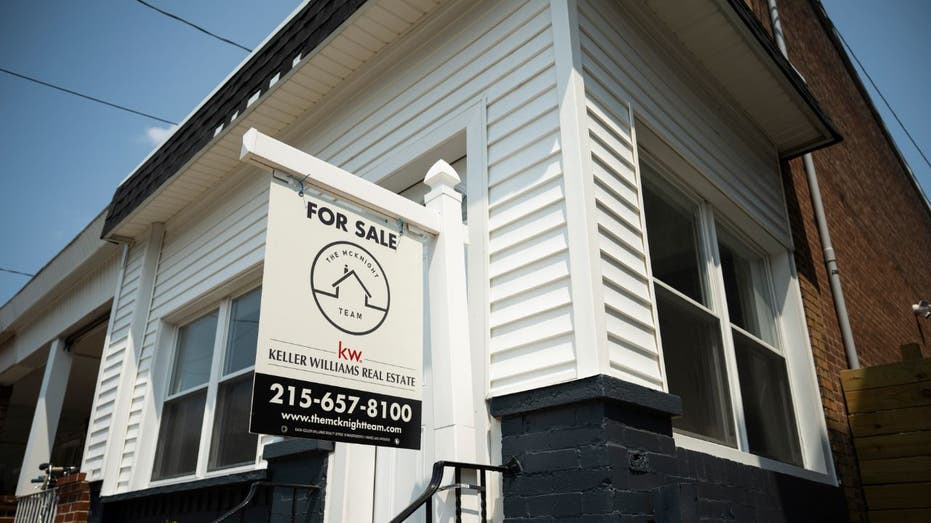
What Lumber And Steel Futures Are Telling Flatbedders As We Wrap Up 2025
Yahoo Finance· 2025-10-27 19:33
Core Insights - The housing market is experiencing a slowdown, leading to builders cutting prices and offering incentives to sell finished homes, which in turn affects the demand for construction materials like lumber [1][3][19] - Lumber futures have decreased significantly from their August peak of around $695 per thousand board feet to the $590–$610 range, indicating a shift in market dynamics where supply exceeds demand [3][4][17] - Steel demand is also weak, with global prices under pressure due to insufficient consumption across various sectors, although certain regions still show strong demand for steel related to infrastructure and industrial projects [12][16][20] Lumber Market Analysis - Builders overestimated the demand for new homes, leading to excess inventory and a subsequent decline in lumber prices as housing starts and permits dropped [2][3][4] - The lumber market is signaling that housing is not absorbing materials quickly enough, which is a precursor to a slowdown in flatbed freight related to residential construction [8][19] - The expectation is that flatbed carriers heavily reliant on residential construction will face increased competition and need to diversify their service offerings to maintain profitability [10][18] Steel Market Analysis - Global steel demand has been weak throughout 2025, with prices affected by oversupply and insufficient end-use demand, particularly in Asia [12][13] - U.S. steel mills are benefiting from tariffs that limit imported steel, allowing them to maintain production levels despite weak global demand [14][16] - Certain sectors, such as energy and infrastructure, continue to drive demand for steel, indicating that while the overall market is soft, opportunities still exist in specific regions and industries [15][20] Future Outlook - The overall sentiment for flatbed freight heading into 2026 is one of caution, with expectations of a slow recovery in both lumber and steel markets [17][20] - The best opportunities for flatbed carriers will likely shift away from residential construction towards non-residential projects that are less sensitive to interest rates, such as utility infrastructure and industrial builds [18][20] - Carriers are advised to adapt to the changing landscape by broadening their service areas and focusing on sectors that continue to show demand despite the cooling housing market [10][18]
Taylor Morrison CEO: Solving home affordability requires collaboration among stakeholders
Youtube· 2025-10-22 16:43
Market Guidance - The company has revised its closing guidance for 2025 down to a midpoint of 12,900 units, a reduction of 100 units from previous estimates, reflecting a choppy market environment [1][2] - Despite the adjustment in closings, the company has maintained its margin guidance without changes [2] Mortgage Applications and Market Conditions - Mortgage applications have decreased for four consecutive weeks, with the 30-year fixed mortgage rate hovering around 6.3% [3] - There is an expectation that the market will eventually respond positively to the easing conditions [3] Affordability and Market Dynamics - The company is focused on delivering homes at prices affordable for first-time buyers, with approximately 70% of its business affected by macroeconomic factors [4] - Current consumer confidence is not at a peak, and resolution of macro-level issues, including political factors and interest rate declines, is anticipated to improve market conditions [5] Industry Relations and Housing Supply - The company is actively engaging with the administration to address housing shortages and improve affordability, emphasizing that builders are eager to increase housing supply [6][7] - There is a recognition of excess inventory in the market, and the company is working to manage this responsibly while collaborating with various stakeholders to tackle the affordability issue [8][9] Inventory Management - The company is addressing mixed messages regarding the number of lots it controls, noting that some land is not yet entitled [10] - The priority remains on moving inventory quickly and responsibly, with a commitment to work with the administration to find solutions for housing affordability [11]

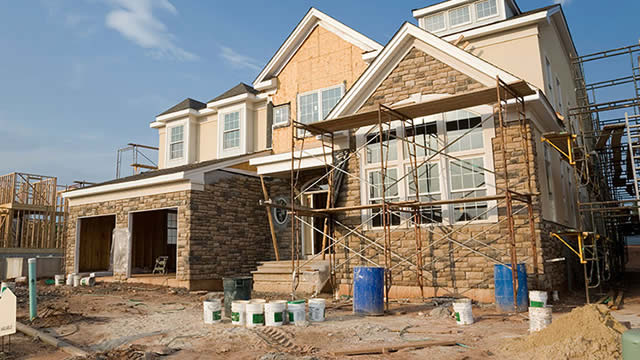
Here are the 5 most (and least) affordable cities in the US for housing — plus how to budget for rising costs
Yahoo Finance· 2025-10-22 16:00
Core Insights - The analysis by SmartAsset ranks the 50 largest U.S. cities based on housing costs relative to median household income, highlighting affordability issues across the country [2] Housing Affordability - A poll by Redfin indicates that 44% of over 4,000 homeowners and renters have struggled to afford mortgage or rent payments, leading many to change their living situations [5] - The median sale price of a house in the U.S. was $410,800 in Q2 2025, reflecting a nearly 30% increase from $317,100 five years prior [6] - National median rent has increased by over 32% from 2020 to 2024, indicating a significant rise in rental costs [6] Budgeting and Financial Management - The average percentage of income spent on housing is 28.43%, with a weighted monthly housing payment of $2,422 and a median household income of $102,235 [8] - It is recommended that individuals spend no more than 30% of their gross income on housing, but many are exceeding this threshold due to rising costs [3][7] - The traditional budgeting model suggests allocating 50% of the budget to needs, 30% to wants, and 20% to debt repayment and savings, which may need adjustment if housing costs exceed 50% of needs [11]
Black Coffee: Everyone Out of the Pool!
Len Penzo Dot Com· 2025-10-11 08:00
Group 1: Company News - Rite Aid, once a major pharmacy chain in the US, has closed its remaining 89 stores after filing for bankruptcy for the second time in less than two years [2] - The number of individual Chapter 7 bankruptcy filings in the US increased by 15% in the first nine months of the year compared to the previous year, totaling 249,152 filings [7] - Maxwell House coffee is rebranding as "Maxwell Apartment" and temporarily lowering its price to $39.99 for four canisters, aiming to save consumers over $1000 annually compared to cafe purchases [15] Group 2: Economic Indicators - Housing affordability in the US has improved, with the monthly principal and interest payment on an average-priced home at $2148, which is 30% of the median household income, still above the long-run average [10][11] - Shipping costs from Shanghai to Los Angeles have dropped to $2311, the lowest since December 2023, with US import volumes projected to decline by 19% year-over-year by January 2026 [15] - The US national debt is nearing $38 trillion, with annual deficits approaching $2 trillion, raising concerns about the sustainability of the current debt-based monetary system [20][25] Group 3: Market Performance - The stock market experienced significant declines, with the Dow losing 1.9%, the S&P 500 falling approximately 2.7%, and the Nasdaq sliding 3.6% in response to President Trump's tariff promises [18] - Gold prices have increased by approximately 50% this year, marking the best annual performance since 1979, yet 40% of fund managers still do not own gold [32]
