
一街一策

Search documents
灯城一体的自贡,你真的不来看看?
Xin Lang Cai Jing· 2026-02-08 21:39
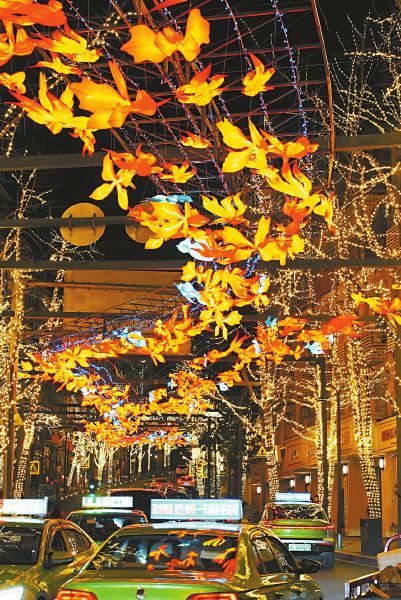
Core Viewpoint - The recent enhancement of street lighting in Zigong City, particularly for the 32nd Zigong International Dinosaur Lantern Festival, has gained significant attention on social media, showcasing a blend of creativity and local culture [2] Group 1: Project Overview - The project aims to create a unique urban atmosphere by customizing lighting for each street, enhancing the city's identity as "China's Lantern City" [2] - The design philosophy emphasizes the integration of light and landscape, translating the city's cultural and historical narratives into visual experiences [3] Group 2: Design and Implementation - The design team has tailored lighting solutions for various streets, such as the "Salt Well Lantern" inspired by the local salt production history, and traditional handmade lanterns to celebrate local customs [4] - A smart management system has been implemented to control the lighting, ensuring it does not disturb residents or traffic, with specific timings set for peak periods [4][5] Group 3: Craftsmanship and Innovation - The successful execution of the lighting designs relies on skilled craftsmanship, particularly in creating complex lighting effects like the "dome effect" in the Oriental Square [5] - This year marks a significant innovation by integrating traditional lantern-making techniques into urban lighting, allowing for a more immersive experience in public spaces [6]

一街一策”破解停车难,胡同停车高手“退出江湖
Xin Jing Bao· 2025-11-28 02:26
Core Viewpoint - The article discusses the transformation of parking management in Beijing's traditional hutongs, highlighting efforts to improve parking order and enhance the living environment for residents [2][5][20]. Group 1: Parking Management Improvements - Beijing has implemented measures to improve parking order in hutongs, including the addition of 70 no-parking hutongs by 2025 as part of its urban planning [2][5]. - The "no-parking" initiative aims to return hutongs to more livable spaces, reducing vehicle congestion and enhancing the aesthetic appeal of these historical areas [3][20]. - The transformation of specific hutongs, such as the "烂缦胡同," showcases the positive impact of parking management, turning previously chaotic environments into orderly and attractive locations [6][12]. Group 2: Community Involvement and Feedback - Local authorities have engaged with residents to understand their parking needs and concerns, conducting surveys and community meetings to gather input [10][13]. - The implementation of "one car, one discussion" strategies allows for tailored parking solutions based on individual household needs, fostering community support for the no-parking policies [12][13]. - Residents have formed volunteer groups to monitor parking compliance and promote the benefits of the new regulations, indicating a shift in community attitudes towards parking management [20][21]. Group 3: Infrastructure Development - The construction of multi-level parking facilities has been a key strategy in addressing parking shortages, with over 97,000 new parking spaces added in the central urban area over the past three years [14][17]. - Innovative solutions such as utilizing under-bridge spaces for parking have been explored, resulting in the creation of over 12,000 new parking spots [18][19]. - The development of smart parking systems and mobile applications has facilitated better management of parking resources, enhancing user experience and efficiency [17][19].
北京已试点审核录入3.8万起电动自行车违停行为
Xin Jing Bao· 2025-10-23 07:33
Core Insights - Beijing's comprehensive traffic governance has achieved significant progress this year, improving citizens' travel experience through various initiatives [1][2][3] Group 1: Traffic Governance Achievements - A total of 213 enforcement devices have been updated, with 38,000 instances of electric bicycle violations recorded [1][2] - 38 dead-end roads have been transformed, enhancing connectivity within the city [1] - 234 bridge spaces have been renovated, adding 3,733 square meters of greenery and over 12,000 parking spaces [1] Group 2: Parking Solutions - New parking spaces totaling 24,000 have been created through the repurposing of underutilized areas, including 4,753 spaces in civil air defense projects [1][2] - The establishment of 70 "no parking alleys" in core areas has been completed [1] Group 3: Public Transport Integration - 61 rail stations have undergone optimization, with over 100 bus routes adjusted, expanding the network by 63.2 kilometers [2] - 90% of bus stops at rail stations are now within 50 meters of station entrances, facilitating smoother transfers [2] Group 4: Infrastructure Development - Key infrastructure projects have been completed, significantly reducing travel times, such as the average travel time on Jingmi Road being shortened by 44% [3] - The East Sixth Ring Road renovation has improved cross-regional travel efficiency, with tunnel travel times reduced to 7 minutes [3] Group 5: Governance Model - The "One Street, One Policy" approach has been pivotal in addressing regional governance challenges, fostering a collaborative governance model involving multiple stakeholders [3]
十五运会广州赛区场馆首批精致街区改造完成
Nan Fang Ri Bao Wang Luo Ban· 2025-05-20 08:12
Core Points - The venues for the 15th National Games, including Guangdong Provincial Sports Stadium and Tianhe Sports Center, have completed their surrounding area renovations, enhancing the environment for the upcoming events and showcasing the spirit of "Passionate National Games, Vibrant Greater Bay Area" [1] Group 1: Venue Renovations - The Tianhe Sports Center has undergone significant renovations, transforming previously closed spaces into open, green areas for public use, enhancing accessibility and aesthetics [2][3] - The renovation principles focus on "delicate design, tailored solutions; precise repairs, frugal reuse," emphasizing detailed construction and the integration of green spaces for community enjoyment [2][4] - The upgrades include improved pedestrian pathways and the integration of public facilities like restrooms into green spaces, enhancing the overall urban landscape [3][4] Group 2: Urban Integration - The renovation of Guangdong Provincial Sports Stadium emphasizes the integration of the venue with the surrounding urban fabric, connecting it to historical sites like the Heroes Square and Martyrs' Cemetery [4] - The design aims to create a seamless connection between different urban spaces, promoting a cohesive community environment and enhancing the cultural narrative of the area [4] Group 3: Thematic Design in University Town - The University Town's road design reflects the "one street, one policy" concept, using distinct colors to represent the area's ecological, cultural, innovative, and vibrant characteristics [6] - Each road in University Town is themed with specific colors to enhance the identity of different zones, promoting a lively and interconnected urban experience [6]