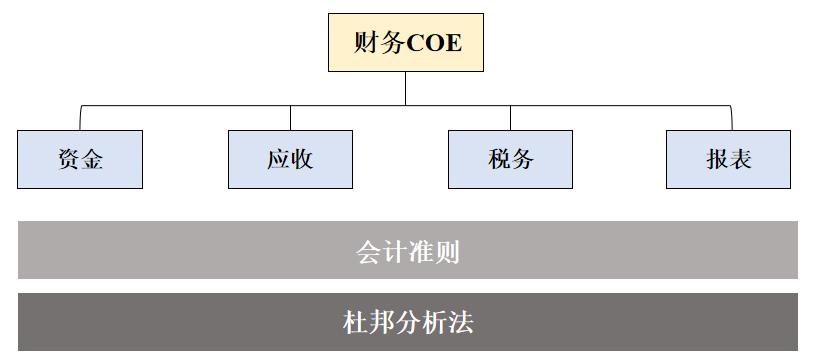
三支柱模型

Search documents
为什么在有些企业中财务BP和HRBP沦为鸡肋?
Sou Hu Cai Jing· 2025-07-24 15:56
Core Viewpoint - The article discusses the challenges faced by financial business partners (BP) and human resources business partners (HRBP) in organizations, highlighting their ineffective value creation mechanisms and the need for a transformation to become strategic engines for business growth rather than being perceived as redundant roles [2][21]. Group 1: Role Positioning and Organizational Design - The three-pillar model (COE, SSC, and BP) is often implemented in a formal manner, leading to BPs being viewed merely as extensions of traditional functions, which undermines their credibility and strategic involvement [2]. - There is an imbalance between authorization and control, with BPs often leaning towards control due to a lack of data access, resulting in fragmented information and ineffective analysis [3]. Group 2: Business Understanding and Professional Capability - BPs often have a superficial understanding of the business, lacking in-depth analysis of business models, customer needs, and competitive logic, which leads to generic recommendations [4]. - The misuse of professional tools occurs when BPs fail to connect financial or HR tools with business scenarios, resulting in analyses that are seen as irrelevant by business departments [5]. Group 3: Communication Mechanisms and Collaboration Models - There exists a "language gap" between BPs and business departments, where BPs focus on accounting standards while business units prioritize market opportunities, leading to misunderstandings [6]. - Trust between BPs and business leaders is fragile, as BPs often rely on informal relationship-building rather than demonstrating professional value through strategic support [7]. Group 4: Capability Shortcomings and Talent Supply Mismatch - There is a scarcity of hybrid talent that possesses both functional expertise and business insight, leading to a mismatch in expectations when hiring BPs [8]. - Companies often neglect the continuous capability development of BPs, resulting in a lack of advanced skills necessary for driving business transformation [9]. Group 5: Incentive Mechanisms and Value Measurement - Performance metrics for BPs are still largely based on traditional functional indicators rather than business outcomes, which limits their focus on identifying business pain points [10]. - BPs face an asymmetry in incentives, where they bear the consequences of business failures without corresponding rewards for successful initiatives, leading to conservative decision-making [11]. Group 6: Resource Support and Data Infrastructure - BPs frequently encounter challenges due to data silos and outdated tools, which hinder their ability to perform timely and effective analyses [12]. - Headquarters often fail to provide standardized frameworks and tools for BPs, resulting in inconsistent practices across different regions and departments [13]. Group 7: Path to Transformation - BPs should redefine their roles, with financial BPs transitioning from data handlers to business model architects, and HRBPs evolving from policy enforcers to organizational architects [14][15]. - Establishing a business-oriented capability system through job rotation and practical training can enhance the ability of BPs to apply professional tools effectively [16][17]. - Optimizing collaboration and incentive mechanisms by adopting dual-track communication and value-sharing incentive schemes can improve BP engagement and effectiveness [18][19]. - Strengthening data and platform support by creating cross-departmental data centers and integrating automated analysis tools will empower BPs with real-time insights [20]. - Headquarters COE should provide standardized methodologies while allowing BPs to adapt them to specific scenarios, facilitating a comprehensive transformation [21].

超级大厂变革职能部门,未来新趋势?
3 6 Ke· 2025-05-13 06:13
Core Viewpoint - The trend of "BPization" in organizations is driven by the need for flexibility and empowerment in business units, balancing management and operational demands [3][4][7]. Group 1: Reasons for BPization - Organizational transformation is the primary reason for the shift towards BPization, as businesses seek to empower frontline units while maintaining control [3][4]. - The need to address authorization issues arises from the challenge of balancing strict management with the need for flexibility in decision-making [4]. - BP serves as a balance point for incentive issues, allowing for localized policies that cater to specific business needs while adhering to overall corporate guidelines [5][6]. - BP also addresses empowerment challenges by integrating professional methods with business experience, ensuring that operational decisions are informed by expertise [6][7]. Group 2: Evolution of BP Roles - The role of BP is evolving from a traditional "policy enforcer" to a more strategic partner that actively contributes to business decision-making [8][17]. - New definitions of BP roles emphasize their involvement in business strategy and decision-making processes, moving beyond mere execution of policies [7][18]. - The emergence of a "third type" of BP in middle and back-office functions reflects the growing recognition of their strategic importance in supporting frontline operations [23][24]. Group 3: Challenges and Future Directions - Companies face challenges in effectively implementing BP roles, as many organizations still operate under rigid traditional models that limit BP's influence [19][20]. - The need for a more flexible and localized approach to budgeting and process management is becoming apparent, as businesses seek to better align resources with operational needs [19][20]. - The evolution of BP roles is not uniform across organizations, with some companies successfully integrating BP functions while others struggle to define their impact [25][27]. - The ultimate goal is to create a collaborative environment where BP can effectively drive business outcomes, necessitating a shift in organizational culture and structure [30][31].