
三治融合

Search documents
“党建红”引领“治理蓝”,静安城管以执法赋能绘就基层善治新图景
Xin Lang Cai Jing· 2026-02-27 08:05
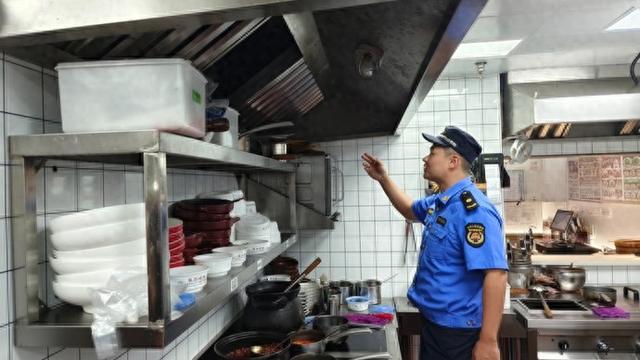
(来源:上观新闻) 冬日暖阳下,家住静安区大宁路街道新梅共和城的张女士,终于能安心开窗了。曾经困扰居民的沿街餐 饮油烟难题,在党建引领物业治理及大宁路街道城管执法中队的实践下,得到了根治。 构建党建引领物业治理新格局 法治共治智治融合攻坚顽疾 面对千头万绪的物业治理,静安区城管执法局始终将党组织建设贯穿物业治理全程,构建"纵向贯通、 横向联动"的体系,推动治理重心与力量双下沉。 静安区城管执法局基层治理专班负责人介绍,区局部署开展了党建引领物业治理"百日攻坚"专项行动, 推动执法资源向社区一线聚集。一支由36名党员骨干组成的"多格合一""城挚"党员突击队应运而生,43 名干部常驻综合网格,264名执法骨干定点联系居民区,10名优秀青年党员投身"百名青年党员赋能网 格"行动。 制度创新同步跟进。中队明确城管进社区7项重点工作,并创新探索"城管+物管一件事"模式,旨在打造 物业集成治理新生态。通过与房管部门建立管执联动、线索移交机制,与居委会、业委会、物业公司搭 建"四方议事"平台,累计协同处置问题252件,"社区吹哨、部门报到、联动处置"的共治格局日益成 熟。 "1+3+X"体系下的执法赋能 结合辖区老旧小区多 ...

大通县构建“三治融合”网络综合治理新体系
Xin Lang Cai Jing· 2026-02-24 18:21
在机制创新方面,大通县以专项行动统筹六大体系,形成可推广的基层治理经验。针对复杂舆情,精准 实施"九个一"战术打法,系统破解研判、流转、处置、复盘等全链条堵点。同时,积极推动网络应急指 挥中心、新时代文明实践中心、融媒体中心"三中心"协同联动,实现风险共管、资源共享、治理合力进 一步增强。 围绕"三治融合"的实践路径,大通县在"法治"层面持续发力,网信、公安、市监等部门开展常态化联合 执法,整治曝光"大通浩南"等负面典型,并深入开展"文化护盾"专项行动,筑牢未成年人网络保护屏 障。"清朗阅评官"小程序上线以来,累计兑现奖金4100元,有效激发社会监督参与热情。在"德治"引领 方面,依托全省首个网络文明教育实践基地,推出《四碗吃包子》《茜茜被骗记》等多部贴近群众的原 创音视频作品,举办网络文明集市,以文化浸润提升网络文明素养。此外,成立全省首个县级自媒体联 盟,积极组织成员参与网络生态治理,通过开展直播带货、倡树文明新风等活动,切实将网络"流量"转 化为服务地方发展的"正能量"。 为夯实治理根基,大通县着力建强县级网络应急指挥中心,严格按照"四有标准"夯实技术底座。通过整 合3套舆情监测系统与2套新媒体巡检系统 ...
阿拉善盟以“三治融合”绘就新春惠民画卷
Xin Lang Cai Jing· 2026-02-23 20:39
□本报记者 许敬 通讯员 邱瑜 (来源:内蒙古日报) 转自:内蒙古日报 法治护民生 护航守平安 "警官和网格员上门给我讲了反诈知识,还帮我安装了国家反诈中心APP,现在心里踏实多了,转账、 购物再也不怕被骗了。"阿拉善左旗额鲁特街道居民陈丽对"网格+警格"融合模式带来的安全感赞不绝 口。 为让群众过一个平安年,该旗创新深化"网格+警格"融合治理,将网格员的基层优势与公安民警的专业 优势相结合,通过"万警万员进万家"活动,深入辖区开展法治宣传、矛盾调解、隐患排查等工作,努力 做到"小事不出格、大事不出社区",以网格"小平安"筑牢新春全局"大稳定"。 在阿拉善右旗巴丹吉林镇满达社区,一场法治主题活动热闹非凡。社区工作人员通过典型案例宣讲、法 治知识问答等形式,向居民普及婚姻家庭、财产继承等法律常识,让法治理念在新春氛围中深入人心。 新春伊始,阿拉善大地年味浓郁,红彤彤的春联贴满门窗,热腾腾的关怀浸润人心。阿拉善盟委社会工 作部深入贯彻自治区党委"1571"工作部署及盟委(扩大)会议暨全盟经济工作会议精神,以铸牢中华民 族共同体意识为主线,统筹各旗区将"自治、法治、德治"基层治理实践与新春惠民服务深度融合,通过 议 ...
“三治融合”基层治理体系的演变、内涵与实践
Zhong Guo Jing Ji Wang· 2025-03-13 05:55
Core Viewpoint - The "Three Governance Integration" system under the leadership of the Party is essential for grassroots governance, combining self-governance, rule of law, and moral governance to address the evolving social contradictions and modernize the national governance system [1][6][7]. Historical Context of "Three Governance Integration" - The concepts of self-governance, rule of law, and moral governance have historically played significant roles in Chinese social governance, with their integration facing challenges due to the tension between official and unofficial governance [2][3]. - The historical roots of these governance ideas can be traced back to ancient Chinese philosophies, which emphasized the importance of self-governance, legal governance, and moral governance [2][3]. Development of the "Three Governance Integration" System - Since the establishment of the People's Republic of China, self-governance, rule of law, and moral governance have continued to play crucial roles in grassroots governance, with significant legal frameworks established to support these systems [3][4]. - The integration of these governance methods is seen as a response to the changing social landscape and the need for a more effective governance model that addresses the complexities of modern society [6][7]. Theoretical Implications of "Three Governance Integration" - The integration emphasizes the complementary strengths of self-governance, rule of law, and moral governance, aiming to create a more effective grassroots governance framework [7][8]. - The Party's leadership is crucial in guiding this integration, ensuring that governance is responsive to community needs while maintaining order and promoting moral values [8][12]. Practical Innovations in "Three Governance Integration" - Various local practices have emerged, such as the "One Agreement, Two Meetings, Three Groups" model and the village contract management model, showcasing the adaptability and effectiveness of the "Three Governance Integration" approach [15][16]. - The establishment of community discussion halls has also been a significant innovation, enhancing residents' participation in governance and decision-making processes [16]. Challenges and Conditions for Implementation - Despite the progress, challenges remain, including limited depth and breadth of self-governance, insufficient legal governance capabilities, and declining moral constraints within communities [18][19]. - The successful implementation of the "Three Governance Integration" system requires a robust framework that encourages public participation, strengthens legal governance, and revitalizes moral education [20][21].