业财一体

Search documents
【金猿案例展】三花智控——“智能问数”数据智能体创新项目
Xin Lang Cai Jing· 2025-12-25 12:40
Group 1 - The core objective of the project is to enhance data application efficiency and decision-making speed by implementing the Data Agent system, transitioning from retrospective reporting to proactive insights and predictions [3][34] - The project aims to address systemic challenges such as data silos, inconsistent metric definitions, and reliance on individual expertise for data analysis [2][32] - The implementation timeline includes starting in early November 2025, with key milestones for data cleaning and indicator setup [33] Group 2 - The Data Agent will monitor and analyze internal reimbursement processes, focusing on reducing the return rate through automated insights and interventions [34][35] - The project is structured into three capability layers: data governance, intelligent analysis, and smart service integration [4][35] - The strategic goal is to establish a data-driven decision-making framework that enhances operational transparency and efficiency [40] Group 3 - The implementation strategy involves a three-pronged approach: platform support, scenario deepening, and capability reuse [41] - The project will be executed in four phases: environment preparation, intelligent agent construction, embedded deployment, and full-scale promotion [42][52] - The first phase focuses on creating a high-quality data foundation for the Data Agent, ensuring clean and consistent data inputs [43] Group 4 - The project aims to achieve significant improvements in reimbursement efficiency, with targets to reduce the return rate from 23.6% to 9.2% and processing time from 5.8 days to 3.1 days [58] - Enhanced budget control is expected, with the proportion of returns due to budget issues decreasing from 34% to 8% [58] - The initiative will also improve organizational behavior, with a 74% reduction in return rates among the top 10 returners due to proactive training and reminders [58] Group 5 - The project is a collaboration between NetEase Shufan and Sanhua Intelligent Control, aiming to create a comprehensive data-driven governance framework [25][28] - The Data Agent system is designed to be scenario-based, autonomous, embeddable, and evolvable, driving a shift from data availability to intelligent autonomy [35] - The project will culminate in a showcase at the 2025 China Big Data Industry Annual Data Agent Innovation Application Awards [30][63]



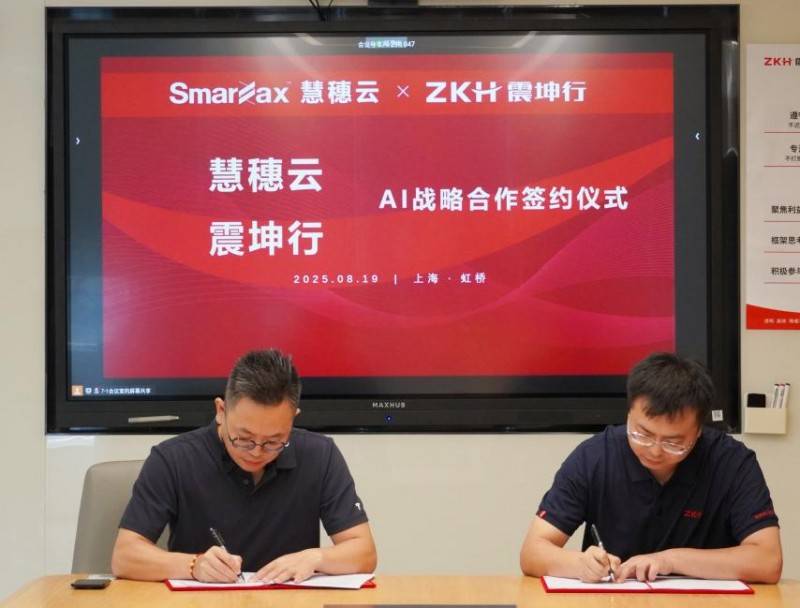
震坤行x慧穗云推出“三码融合业财一体”方案:赋能企业降本增效
Sou Hu Cai Jing· 2025-08-21 07:08
Core Insights - The article discusses the challenges faced by industrial enterprises due to the independent operation of three key data systems: supplier product codes, internal material codes, and tax codes, leading to inefficiencies and compliance risks [1][2]. Group 1: Challenges in Current Systems - The manual conversion and matching of codes create efficiency bottlenecks and compliance risks, such as difficulties in cross-factory allocation and tax code mismatches [1]. - In cross-border scenarios, the complexity of "one product, multiple suppliers" results in low efficiency in HS code matching and prolonged tax refund cycles [1]. - The need for extensive manual verification of supplier information and tax codes increases operational costs and tax audit risks [1]. Group 2: Strategic Solutions - A strategic partnership between Zhenkunhang Industrial Supermarket and Huishui Digital Technology aims to address the operational stagnation caused by the disconnection of the three data systems through an AI-driven solution [2]. - The "three-code integration, business-finance unity" solution enhances tax efficiency, compliance assurance, and cost optimization for industrial enterprises by integrating procurement, warehousing, finance, and tax data [2]. Group 3: AI Implementation and Benefits - AI technology is utilized to correct manual entry errors and ensure the accuracy of tax information, significantly improving tax data pre-check pass rates from 60% to 98% and reducing manual verification workload by 70% [4]. - The AI material manager generates a unique digital identity code for each material, ensuring tax code consistency and facilitating cross-factory coordination [5][6]. - The solution also addresses the slow cross-border tax refund process by standardizing tax identifiers and significantly reducing the data preparation cycle from weeks or months to within 3 days [7]. Group 4: Future Directions - Zhenkunhang plans to continue integrating AI technology with business scenarios to create customized support for various industrial enterprises, enhancing the digital empowerment of the entire procurement chain [7].