中产阶级意识改革

Search documents
全球中产大败局?
Sou Hu Cai Jing· 2025-11-02 18:38
Group 1 - The concept of "middle class" is vague and has various definitions based on income, assets, occupation, education level, and social status [3][4] - In China, middle-class families are often defined as those with an annual income between 100,000 to 500,000 yuan for a typical three-person household [3] - The perception of being middle class tends to fluctuate with economic conditions, with more people identifying as middle class during economic upturns and fewer during downturns [4][5] Group 2 - Globally, the middle class is characterized by high education levels, decent incomes, and a lifestyle that includes modern and fashionable products, but they also face financial pressures such as high mortgages and job insecurity [6][7] - Reports indicate that the middle class is increasingly being "squeezed," with a decline in their share of national income and growing internal inequality [8][11] - In the U.S., the percentage of people living in middle-class households has dropped from 61% in 1971 to 51% in 2023, reflecting a long-term trend of middle-class decline [11][12] Group 3 - Economic growth and industrial development are crucial for the stability of the middle class, as they directly impact income and job opportunities [12][19] - The shift towards a "dual labor market" has resulted in a stark divide between "good jobs" and "bad jobs," making it difficult for many to achieve middle-class status [17][18] - The decline of traditional manufacturing jobs in the U.S. has contributed to the shrinking middle class, as many high-paying jobs have been lost to globalization and automation [14][16] Group 4 - The volatility of assets that middle-class individuals rely on for financial security, such as real estate and stocks, has increased their financial instability [21][24] - Many middle-class individuals have seen their investments in real estate and financial markets yield uncertain returns, further exacerbating their financial anxiety [23][27] - The trend of "credential inflation" has also affected the middle class, as the value of educational qualifications has diminished over time [26] Group 5 - The middle class often falls into a consumption trap, striving to emulate the lifestyles of the wealthy, which leads to unsustainable spending habits [29][30] - This phenomenon is not unique to any one country, as similar patterns of behavior can be observed among middle-class individuals globally [34][35] - A shift in mindset is necessary for the middle class to reassess their spending and investment strategies, moving away from the traditional belief that hard work alone guarantees financial success [35]

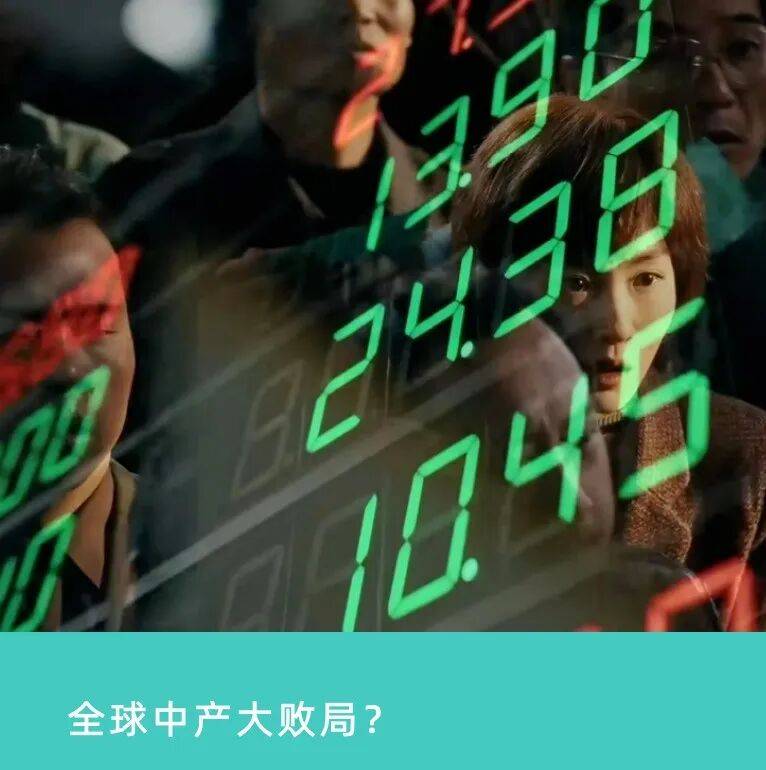
全球中产大败局?
首席商业评论· 2025-11-02 03:44
Group 1 - The article discusses the concept of the "middle class," highlighting its ambiguous definition and the various criteria used to categorize it, such as income, assets, and social status [6][7][8] - It notes that the perception of being middle class often exceeds objective standards during economic upturns and declines during downturns, with historical examples from Japan and South Korea illustrating this phenomenon [7][8][11] - The article emphasizes the increasing financial strain on the middle class, with reports indicating a decline in their share of national income and a growing disparity within the class itself [8][11] Group 2 - The article identifies economic growth and industrial development as key factors influencing the stability and anxiety of the middle class, with historical context provided on the rise and fall of middle-class jobs in the U.S. [13][15][16] - It discusses the emergence of a "dual labor market," where high-quality jobs are contrasted with low-quality, unstable employment, further complicating the middle class's ability to maintain its status [16][17] - The article highlights the volatility of assets that the middle class relies on for financial security, such as real estate and stocks, which have not provided the expected stability [17][20] Group 3 - The article points out that the middle class often falls into a consumption trap, where they aspire to lifestyles of the wealthy, leading to financial strain and anxiety [22][23] - It discusses the societal pressures that drive middle-class individuals to invest heavily in education and luxury goods, despite economic instability [23][24] - The article concludes with a call for a "conscious reform" among the middle class to reassess spending and investment habits, moving away from outdated notions of hard work leading to financial success [24]

全球中产大败局?
创业邦· 2025-11-01 03:18
Core Viewpoint - The article discusses the concept of the "middle class," highlighting its ambiguous definition and the pressures it faces globally, particularly in the context of economic downturns and rising inequality [5][6][7]. Group 1: Definition and Characteristics of the Middle Class - The middle class is a vague concept with various definitions based on income, assets, education, and social status, with different standards applied in different countries [5][6]. - In China, middle-class households are often defined as those with an annual income between 100,000 to 500,000 yuan for a typical three-person family [5]. - The article references a theory by sociologist Li Qiang, categorizing the middle class into four groups, including traditional cadres, new middle-class professionals, employees of successful enterprises, and individual entrepreneurs [5]. Group 2: Economic Pressures on the Middle Class - The article notes that during economic upturns, more individuals identify as middle class, while this perception declines during downturns [6]. - Historical examples from Japan and South Korea illustrate that during economic booms, a significant portion of the population identified as middle class, but this changed drastically during economic crises [7]. - Reports indicate that the middle class in the U.S. has shrunk from 61% in 1971 to 51% in 2023, reflecting a long-term trend of middle-class decline [8][11]. Group 3: Global Trends and Inequality - The article cites a report from France showing that the income share of middle-class households has decreased from 65% in the 1980s to 54% in 2024, with increasing internal inequality [8]. - The OECD report highlights that the middle class has been shrinking due to stagnant economic growth, rising living costs, and a lack of job security for younger generations [11]. - The article emphasizes that while the middle class in developing countries may be growing, many still face vulnerabilities due to rising costs in housing, education, and healthcare [11]. Group 4: Sources of Middle-Class Anxiety - Economic growth and industrial development are crucial for middle-class stability, as they directly impact income and job opportunities [13]. - The article discusses how the decline of manufacturing jobs in the U.S. has led to a loss of middle-class positions, exacerbated by globalization and neoliberal policies [14][15]. - The concept of a "dual labor market" has emerged, where high-quality jobs are contrasted with low-quality, unstable jobs, making it difficult for many to achieve middle-class status [15]. Group 5: Financial Instability and Investment Risks - Middle-class individuals often rely on assets like real estate and stocks for financial security, but these investments can be volatile and risky [17]. - The article points out that many middle-class families have seen their financial stability eroded by market fluctuations and economic crises, leading to increased anxiety [19]. - The trend of "credential inflation" has also made educational investments less reliable, as degrees do not guarantee job security or financial success [19]. Group 6: Consumer Behavior and Social Pressure - The article highlights that many middle-class individuals fall into a consumption trap, trying to emulate the lifestyles of the wealthy, which can lead to financial strain [21][22]. - The pursuit of luxury goods and high-status lifestyles has created a disconnect between actual financial stability and perceived social status among the middle class [22]. - The pressure to provide expensive education for children further exacerbates financial anxiety, as families strive to maintain their middle-class identity despite economic challenges [23].