中俄文化交流

Search documents
新春中国行丨中国年遇上“送冬节”:中俄民众共赴春天之约
Xin Hua She· 2026-02-24 08:13
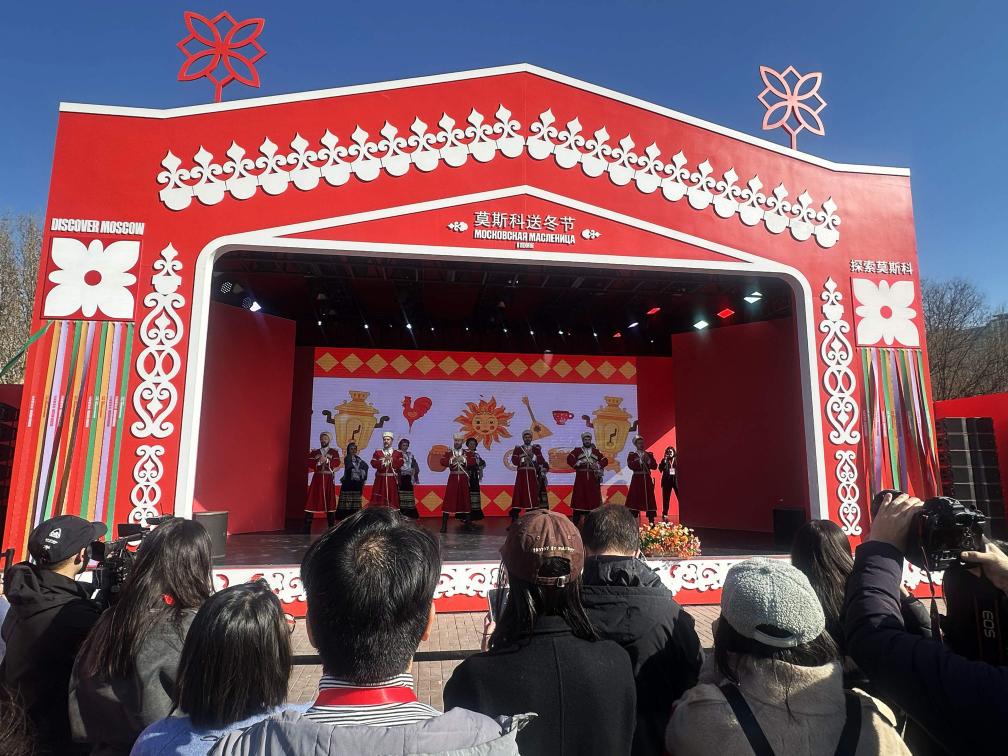
Core Viewpoint - The "Moscow Winter Festival" held in Beijing celebrates the end of winter and the arrival of spring, showcasing cultural exchange between China and Russia, with various activities and performances that highlight the festive spirit of both nations [1][2]. Group 1: Event Overview - The "Moscow Winter Festival" took place from February 19 to 22 in Beijing, organized by the Moscow city government and the Russian embassy in China, bringing traditional Russian customs and festive culture to the Chinese public [2]. - The festival coincides with the Chinese New Year, creating a unique opportunity for cultural interaction and shared joy among participants from both countries [2]. Group 2: Cultural Exchange and Tourism - The event featured traditional Russian performances, food stalls, and interactive experiences, attracting a diverse audience and enhancing the festive atmosphere [3]. - Recent years have seen various cultural exchange initiatives between China and Russia, including "China-Russia Sports Year" and "China-Russia Cultural Year," which have facilitated travel and cultural understanding [3]. - Data from Beijing's cultural and tourism bureau indicates that in 2025, the number of Russian tourists visiting Beijing reached 504,900, marking a 72.2% increase year-on-year [3]. Group 3: Cooperation Agreements - During the festival's opening ceremony, a memorandum of understanding was signed between the Moscow City Tourism Committee and Beijing's cultural and tourism bureau, focusing on tourism promotion, industry exchange, route development, and talent training [4].

龙绕枞树处,年味正浓时
Xin Lang Cai Jing· 2026-02-23 07:19
Core Viewpoint - The celebration of the Chinese New Year in Moscow has become a significant cultural event, showcasing Chinese traditions and fostering cultural exchange between China and Russia [2][4]. Group 1: Event Overview - The third "Happy Spring Festival" event took place in Manezh Square, Moscow, attracting large crowds despite heavy snowfall [2]. - Performances included traditional Chinese arts such as Yingge dance, martial arts, and acrobatics, which captivated the audience [2]. - The event has established itself as a new festive tradition in Moscow, drawing more attendees each year [2]. Group 2: Cultural Significance - The horse, symbolizing loyalty and strength in both Chinese and Russian cultures, is prominently featured in the celebrations, reflecting shared values [3]. - The event integrates Chinese New Year themes into everyday life in Moscow, with a themed subway train and various cultural exhibitions [3]. - The "Spring Festival - Old Beijing Flavor" exhibition showcases traditional Chinese art forms, enhancing local interest in Chinese culture [3]. Group 3: Community Engagement - Chinese students in Russia express a sense of belonging and cultural connection during the celebrations, finding the atmosphere more vibrant than in their hometowns [4]. - The Chinese ambassador to Russia emphasized the importance of the Spring Festival as a means to convey New Year blessings and promote cultural exchange [4].
“送冬迎春”共庆佳节
Xin Lang Cai Jing· 2026-02-23 00:09
Core Viewpoint - The "Moscow Winter Festival" held in Beijing celebrates both Russian and Chinese cultural traditions, enhancing mutual understanding and tourism between the two countries [1][2]. Group 1: Event Overview - The "Moscow Winter Festival" took place from February 19 to 22 in Beijing's Chaoyang Park, coinciding with the first day of the Russian winter festival [1]. - The festival featured various cultural experiences, including traditional Russian pancakes, performances, and art installations, attracting many visitors [1]. Group 2: Cultural Exchange - The festival highlighted the similarities between the Russian "Winter Festival" and the Chinese Spring Festival, both symbolizing new beginnings and family reunions [1]. - Visitors from Moscow expressed their appreciation for the vibrant Chinese New Year atmosphere, noting the warmth and cultural exchange experienced during their visit [2]. Group 3: Tourism Insights - With the implementation of mutual visa exemption policies, travel between China and Russia is becoming increasingly convenient, leading to a significant increase in tourist numbers [2]. - Projections indicate that by 2025, the number of Russian tourists visiting Beijing will reach 504,900, a 72.2% increase year-on-year, while over 470,000 Chinese tourists are expected to visit Moscow, reflecting a 10% growth [2].
(新春见闻)马年春节巧遇送冬节 中俄民众共同“送冬迎春”
Xin Lang Cai Jing· 2026-02-19 16:52
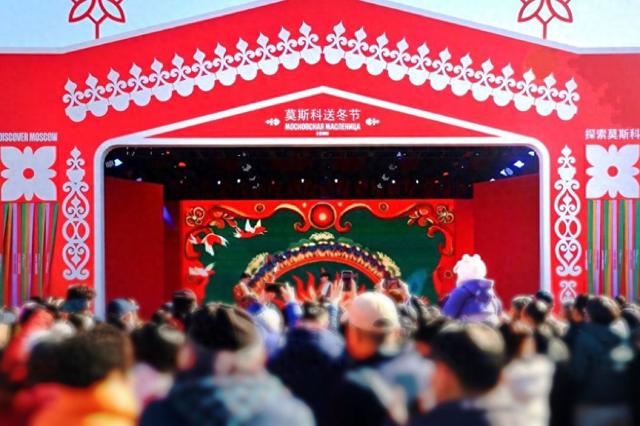
Core Viewpoint - The "Moscow Winter Festival" held in Beijing coincides with the Chinese New Year celebrations, showcasing cultural exchange between China and Russia, emphasizing the theme of welcoming spring and bidding farewell to winter [1][6]. Group 1: Event Overview - The "Moscow Winter Festival" commenced on February 19, coinciding with the third day of the Lunar New Year, attracting citizens and tourists to experience Russian culture in Beijing's Chaoyang Park [3][6]. - The festival features traditional Russian activities, including performances, the sale of unique souvenirs, and the opportunity to taste Russian pancakes, which are popular among attendees [1][3]. Group 2: Cultural Exchange - The event serves as a significant platform for cultural exchange between the capitals of China and Russia, aiming to deepen mutual understanding and promote tourism and cultural interactions between Moscow and Beijing [6]. - Russian participants, such as performers and cultural ambassadors, engage with visitors, sharing their traditions and experiences, thereby enhancing the festival's international atmosphere [3][4].
“莫斯科送冬节”在京启幕 俄式风情拥抱京城春日
Xin Lang Cai Jing· 2026-02-19 14:50
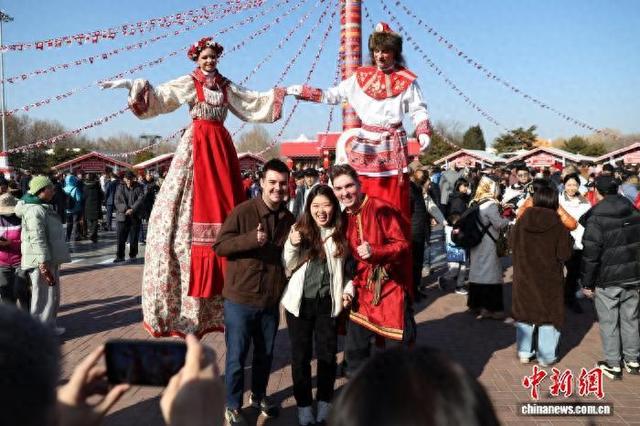
Group 1 - The "Moscow Send Winter Festival" is a cultural event held in Beijing's Chaoyang Park, celebrating the transition from winter to spring with traditional Russian music and dance [2][15] - The festival features a "Moscow Alley" decorated with festive ornaments designed by Russian youth, symbolizing the cycle of seasons and the rebirth of nature [4] - A prominent "Send Winter Festival Column" serves as a major attraction, with performers in traditional costumes engaging with visitors, creating a lively atmosphere [7] Group 2 - The main stage hosts authentic Russian performances, while workshops allow children to create traditional crafts, enhancing cultural immersion [9] - The event includes diverse activities such as music performances, street theater, and food stalls offering traditional Russian cuisine, creating a rich sensory experience [10] - Interactive installations like traditional windmills and a "Karaoke Bus" encourage visitor participation and photo opportunities [12] Group 3 - A "Moscow" tourism promotion booth utilizes virtual reality to showcase Moscow's attractions, enhancing visitor engagement [14] - The festival is part of broader cultural interactions between China and Russia, with expectations of over 20,000 Chinese tourists visiting Moscow for the Spring Festival [15]
央视:俄罗斯民众冒雪看春晚
Xin Lang Cai Jing· 2026-02-17 03:54
Core Viewpoint - The event highlights the cultural exchange between China and Russia, showcasing the popularity of the Chinese New Year celebrations in Moscow despite harsh weather conditions [1] Group 1: Event Details - The Moscow city government hosted the "Moscow Spring Festival" for the third consecutive year, emphasizing its role as an important cultural exchange platform between China and Russia [1] - The event took place at Manezh Square, featuring a dedicated exhibition area with a 160-inch outdoor screen, CMG branding, and a mobile broadcasting studio [1] - This year marked the third consecutive live broadcast of the Spring Festival Gala on Russia's largest social media platform, VK, and the first time the gala was showcased near the iconic Red Square [1] Group 2: Attendance and Weather Conditions - Despite the extreme weather conditions, with temperatures dropping to minus 15 degrees Celsius and wind gusts of around 7 levels, many local Russians and Chinese tourists attended the outdoor screening of the gala [1]
东西问·马年说马丨北京俄罗斯文化中心主任吴丹娜:我属马,你呢?
Xin Lang Cai Jing· 2026-02-16 13:00
Core Viewpoint - The interview with Tatiana Urzhumtseva, the Russian cultural attaché in China, highlights the cultural significance of traditional festivals like the Chinese New Year and Russia's Maslenitsa, emphasizing their roles in fostering mutual understanding and cultural exchange between China and Russia [3][11]. Group 1: Cultural Significance of Festivals - The Chinese New Year is a rich and colorful celebration, with traditions such as eating dumplings that symbolize home and family, which resonates with Russian customs of dumplings [4][5]. - Maslenitsa, a week-long Russian festival, shares similarities with the Chinese New Year, focusing on family reunions and the welcoming of spring, symbolized by pancakes [7][11]. - Both festivals serve as informal platforms for cultural exchange, helping to overcome stereotypes and enhance mutual understanding between the two nations [11]. Group 2: Growing Interest in Chinese Culture in Russia - There has been a noticeable increase in celebrations of the Chinese New Year in Russia, with major cities like Moscow and St. Petersburg organizing events featuring Chinese decorations and cuisine [9]. - The popularity of Chinese food has grown significantly in Russia, with many Russians now familiar with traditional Chinese customs, such as giving red envelopes during the New Year [9][11]. - The cultural exchange is further enriched by Russians learning simple Chinese phrases to participate in the celebrations, indicating a growing interest in Chinese culture [9]. Group 3: Personal Reflections and Recommendations - Urzhumtseva suggests that first-time Russian visitors to China during the New Year should try traditional dishes and engage in local customs to fully appreciate the festival's significance [11]. - The shared values of family, prosperity, and the welcoming of spring in both cultures highlight the commonalities that can strengthen ties between the two nations [11].

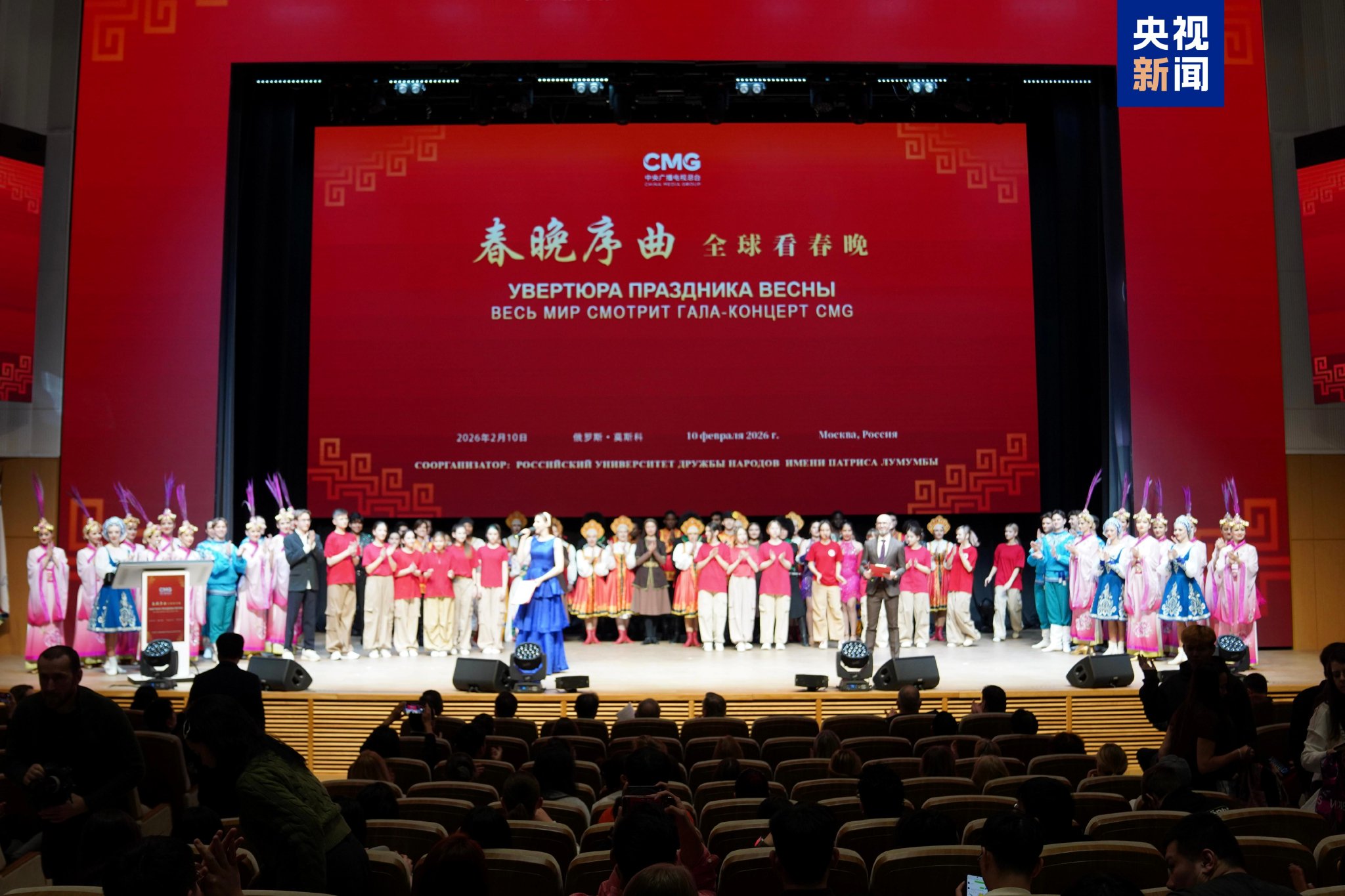
全球看春晚!总台“春晚序曲”俄罗斯专场活动在莫斯科举行
Xin Lang Cai Jing· 2026-02-11 15:36
Core Viewpoint - The "Spring Festival Prelude: Global Viewing of the Spring Festival Gala" event was held in Moscow, showcasing the cultural significance of the Chinese Spring Festival and enhancing Sino-Russian relations through cultural exchange [2][3]. Group 1: Event Overview - The event was co-hosted by China Central Radio and Television and the People's Friendship University of Russia, attended by over 1,000 guests including officials and media representatives from both countries [2][3]. - The theme for this year's Spring Festival Gala is "The Galloping Steed, Unstoppable Momentum," utilizing advanced technologies like "5G+4K/8K+AI" to enhance the viewing experience [3]. Group 2: Cultural Significance - The Spring Festival Gala has been held for 43 years and is considered a "spiritual New Year's Eve dinner" for global Chinese communities, promoting cultural understanding and connection [3]. - The event serves as a platform for showcasing Chinese traditional culture and modern achievements, inviting global audiences to experience the festive spirit [3][7]. Group 3: Diplomatic Statements - Chinese Ambassador to Russia, Zhang Hanhui, emphasized the importance of the Spring Festival as a reflection of the deepening Sino-Russian relationship, coinciding with significant anniversaries in bilateral cooperation [6]. - Russian representatives highlighted the historical peak of Sino-Russian relations and the growing interest in Chinese culture among the Russian populace, with the Spring Festival becoming a shared celebration [7]. Group 4: Educational Cooperation - The event is part of the broader "Sino-Russian Education Year" initiative, aimed at enhancing educational exchanges and cooperation between the two countries [8][10]. - The involvement of international students from over 100 countries underscores the role of higher education institutions as platforms for multicultural exchange [9].
我市10幅作品在国际艺术创作大赛中获奖
Zhen Jiang Ri Bao· 2026-01-05 23:41
Core Viewpoint - The "Golden City Under the Blue Sky" International Art Creation Competition announced its award winners in Stavropol, Russia, with 10 winning artworks from the city [1] Group 1: Competition Overview - The competition, themed around Sino-Russian cultural exchange, invited entries from the host city and other international friendly cities [1] - A total of 26 artworks were submitted by the city in collaboration with the Foreign Affairs Office, Education Bureau, and Youth Palace [1] Group 2: Award Details - Ten artworks won awards, including Xu Yitong's piece "Elder in Severe Cold," which received the Grand Prize [1] - Other notable winners include Wang Yizhang's "Small Round Bread," Cao Yufei's "Zayushkina's Cottage," and Zhao Zimu's "Pulling Radishes," which all received First Prizes [1] - Additionally, there were three Second Prizes and three Third Prizes awarded [1] Group 3: City Relations - The city established a friendly city relationship with Stavropol on December 20, 2012, leading to close exchanges and cooperation in various fields [1] - In 2014, a friendly school relationship was formed between Stavropol's No. 24 Middle School and Zhenjiang's No. 3 Middle School, resulting in effective cooperation in cultural and youth exchanges [1]
中俄迎新年文艺演出在边城呼玛精彩上演
Xin Lang Cai Jing· 2025-12-21 12:29
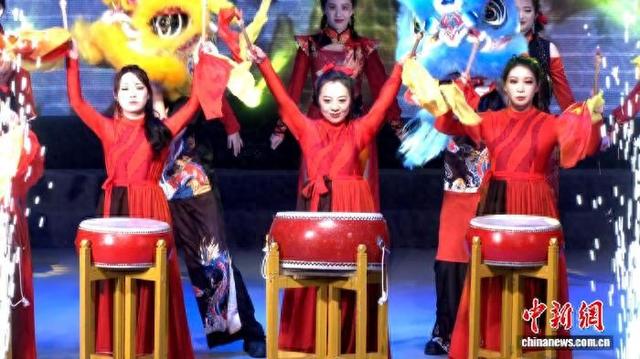
Core Viewpoint - The "China-Russia Friendship: Winter Melody and Joy" New Year cultural performance was held in Huma County, showcasing a blend of Chinese and Russian cultural elements through music and dance, fostering friendship between the two nations [1][3]. Group 1: Event Overview - The event took place on the evening of December 20, featuring performances by artists from both China and Russia, highlighting traditional and contemporary cultural expressions [1][3]. - The performance opened with a Chinese drum dance titled "Words Correct and Tone Round," emphasizing the strength and charm of traditional Chinese culture [3]. Group 2: Performance Highlights - Chinese performances included the dance "Chinese Soul," which showcased the spirit of the Chinese nation, receiving enthusiastic applause from the audience [3]. - Russian performances featured vibrant dances such as "Azerbaijani Dance," which conveyed rich Central Asian culture, and "Pastoral Song," reflecting the tranquility and joy of Russian countryside life [6]. - The performance concluded with the song "Heading North to Xing'an," where both Chinese and Russian performers expressed their love for the Xing'an region, culminating in a standing ovation from the audience [6]. Group 3: Cultural Significance - The event included a spectacular fireworks display that illuminated the night sky, enhancing the festive atmosphere and marking the cultural exchange between China and Russia [8]. - This cultural performance and fireworks display contributed to the third Polar Forest Ice and Snow Carnival, serving as a bridge for cultural exchange between local communities in China and Russia [8].