
热茶

Search documents
“送冬迎春”共庆佳节
Xin Lang Cai Jing· 2026-02-23 00:09
Core Viewpoint - The "Moscow Winter Festival" held in Beijing celebrates both Russian and Chinese cultural traditions, enhancing mutual understanding and tourism between the two countries [1][2]. Group 1: Event Overview - The "Moscow Winter Festival" took place from February 19 to 22 in Beijing's Chaoyang Park, coinciding with the first day of the Russian winter festival [1]. - The festival featured various cultural experiences, including traditional Russian pancakes, performances, and art installations, attracting many visitors [1]. Group 2: Cultural Exchange - The festival highlighted the similarities between the Russian "Winter Festival" and the Chinese Spring Festival, both symbolizing new beginnings and family reunions [1]. - Visitors from Moscow expressed their appreciation for the vibrant Chinese New Year atmosphere, noting the warmth and cultural exchange experienced during their visit [2]. Group 3: Tourism Insights - With the implementation of mutual visa exemption policies, travel between China and Russia is becoming increasingly convenient, leading to a significant increase in tourist numbers [2]. - Projections indicate that by 2025, the number of Russian tourists visiting Beijing will reach 504,900, a 72.2% increase year-on-year, while over 470,000 Chinese tourists are expected to visit Moscow, reflecting a 10% growth [2].
北京的冬天
Xin Lang Cai Jing· 2026-02-17 07:00
Group 1 - The article reflects on the experience of winter in Beijing, describing a sense of numbness towards the cold and the indoor lifestyle it promotes [1] - The author mentions a trip to Beijing's hutongs during the New Year holiday, highlighting the contrast between the bustling city and the personal nostalgia associated with past experiences [2] - A visit to the Lu Xun Museum is described, emphasizing the cold weather and the warmth of human interactions, which evoke memories of youth and past enjoyment of the city [3] Group 2 - The article illustrates the beauty of winter in Beijing, with descriptions of bare trees and the unique atmosphere that the season brings [2] - The experience of drinking coffee on a rooftop café is highlighted, showcasing the blend of cold weather and warm sunlight, creating a memorable moment [2] - The narrative captures a sense of connection with the past, as the author reflects on changes in personal experiences and perceptions of winter in Beijing over the years [3]
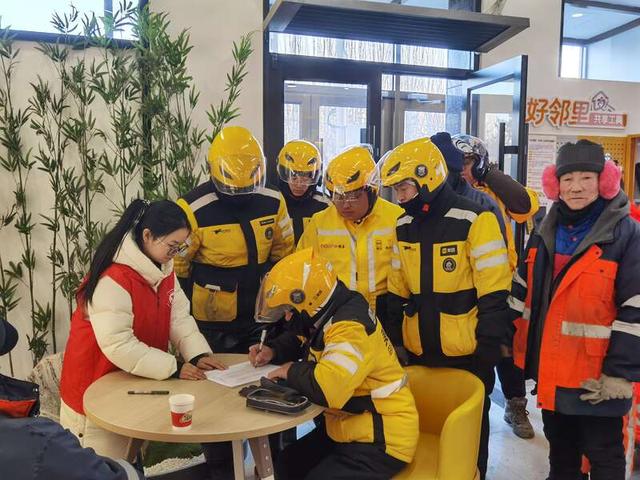
包头青年志愿者为“城市奔跑者”送饺子
Xin Lang Cai Jing· 2025-12-22 13:12
Core Viewpoint - The "Youth Gathering, Dumpling Friends" winter solstice event organized by the Communist Youth League of Inner Mongolia Baotou City aims to provide warmth and respect to outdoor workers during the cold season through food and community engagement [1][2] Group 1: Event Overview - The event took place in Baotou City, specifically at the Xinxing Field Party-Mass Service Center and the East Gate of Qingshan Wanda Plaza, where service stations were set up to distribute hot dumplings and warm drinks to outdoor workers [1] - The initiative targeted "urban runners" such as delivery riders and sanitation workers, offering them a moment of respite and appreciation for their hard work [1] Group 2: Community Engagement - Volunteers engaged with outdoor laborers by providing information about youth programs and services, including the Youth University and public welfare holiday care classes, while also collecting their "micro-wishes" for future support [1] - The event fostered a sense of community and care, with participants expressing gratitude for the warmth and kindness shown through the distribution of food and drinks [1] Group 3: Future Plans - The Communist Youth League of Inner Mongolia Baotou City plans to further integrate resources and innovate methods to provide ongoing support and guidance to youth in emerging sectors, aiming to transform seasonal care into regular, practical assistance [2]

冬天一躺下就“烧心”?快自查你的睡姿和枕头
Bei Jing Qing Nian Bao· 2025-12-22 01:02
Core Viewpoint - The article discusses the seasonal increase in gastroesophageal reflux disease (GERD) during winter, highlighting the reasons behind this trend and providing dietary and lifestyle recommendations to manage symptoms effectively. Group 1: Seasonal Factors Contributing to GERD - Winter is identified as a peak season for GERD due to three main factors: cold weather causing bodily responses that increase stomach acid and relax the lower esophageal sphincter, dietary changes towards heavier and high-fat foods, and reduced physical activity leading to increased abdominal pressure [2][3]. Group 2: Dietary Recommendations - Dinner timing is crucial; it is advised to wait at least three hours after eating before lying down to allow for proper digestion [3]. - Portion control is emphasized, with a recommendation to eat until 70% full to reduce pressure on the stomach [4]. - Foods are categorized into "green light" (recommended), "yellow light" (moderate consumption), and "red light" (avoid), with specific examples provided for each category [4]. Group 3: Common Misconceptions - Drinking full-fat milk before bed is discouraged as it can increase stomach acid production, worsening symptoms [5]. - Alcohol consumption is also advised against, as it can irritate the esophagus and lead to inflammation [5]. Group 4: Sleep Position Recommendations - The best sleeping position for GERD patients is left-side sleeping, which minimizes acid reflux risk due to the anatomical position of the stomach [6]. - Other positions are ranked, with back sleeping being moderate and right-side sleeping being less favorable, while stomach sleeping is strongly discouraged [6][7]. Group 5: Proper Bed Adjustment - Elevating the head of the bed is recommended to create an incline that helps prevent acid reflux, with specific height guidelines provided [9][10]. - The focus should be on adjusting the bed rather than just the pillow height to ensure proper alignment and support [9][10]. Group 6: Winter Care Package for GERD - A summary of four key practices for managing GERD during winter includes eating a light dinner, engaging in post-meal activity, avoiding late-night snacks, and maintaining an elevated sleeping position [11][12][13][14].