
中医养生理念

Search documents
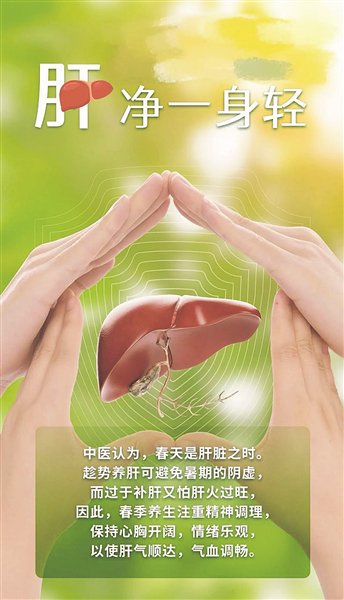
春季养肝正当时
Xin Lang Cai Jing· 2026-02-24 19:18
Group 1 - The article emphasizes the importance of adjusting health practices in spring to align with the natural revival of life and energy, as per traditional Chinese medicine [2] - It highlights the need to prevent health issues related to seasonal changes, such as colds, skin diseases, and fluctuations in blood pressure, by modifying lifestyle habits [2] - Recommendations include increasing outdoor activities, practicing gentle exercises, and performing acupressure on specific points to balance the body's energy [2] Group 2 - Dietary adjustments are advised, focusing on consuming more vegetables and fruits, particularly those that are fresh and light, to avoid internal heat and dampness [3] - The article suggests incorporating green beans in meat dishes and increasing the proportion of green vegetables to prevent heat-related issues and protect the digestive system [4] Group 3 - It discusses the relationship between spring, the liver, and the potential for increased internal heat, which can lead to various symptoms such as headaches and irritability [5] - Recommendations for managing liver heat include using specific traditional Chinese medicines and herbal teas that have cooling properties [5] Group 4 - Emotional regulation is highlighted as crucial for overall health, with specific acupressure points suggested to help manage stress and maintain emotional balance [6] - The article also recommends seasonal herbal teas to promote comfort and well-being, tailored to different health needs [6]

春节胃肠道疾病高发 中医护航健康团圆
Xin Lang Cai Jing· 2026-02-09 22:25
Core Viewpoint - The article emphasizes the increase in gastrointestinal diseases during the Spring Festival, highlighting the importance of preventive measures from a traditional Chinese medicine perspective to ensure a healthy holiday season [2][3]. Group 1: Increase in Gastrointestinal Diseases - Every year during the Spring Festival, there is a noticeable increase in patients with gastrointestinal diseases, with common symptoms including bloating, stomach pain, diarrhea, acid reflux, and constipation [2]. - The rise in these conditions is attributed to dietary habits, irregular schedules, and emotional fluctuations during the holiday period, which disrupt the digestive function [2][3]. Group 2: Preventive Measures - Preventive care for gastrointestinal health should focus on dietary, lifestyle, and emotional adjustments, following the traditional Chinese medicine principle of "adapting to circumstances and differential treatment" [3]. - Key dietary recommendations include avoiding overeating, maintaining a balanced intake of food, and incorporating more fiber-rich vegetables while reducing greasy and cold foods [3][4]. - It is advised to maintain a regular sleep schedule, avoid staying up late, and engage in light physical activity after meals to promote digestion [4]. Group 3: Emotional Well-being - Emotional regulation is crucial, as fluctuations in mood can affect digestive health; maintaining a calm demeanor and practicing simple stretching exercises can help alleviate stress and support digestive function [4]. Group 4: Emergency Recommendations - For mild symptoms like bloating or indigestion, over-the-counter remedies such as digestive enzymes or probiotics are suggested, while hydration with warm saline is recommended for diarrhea [4].