
甲骨文面条

Search documents
热气腾腾的中国年丨在殷墟寻一份3000载的年味
Xin Lang Cai Jing· 2026-02-22 01:29
Group 1 - The article emphasizes the importance of inheriting and developing excellent traditional Chinese culture under the guidance of Xi Jinping's cultural thoughts, which has become a trend in society [1] - The Yinxu Museum has become a popular destination during the Spring Festival, showcasing significant historical artifacts such as the "Yazhang Bull Zun" and providing insights into the Shang Dynasty's civilization [1] - Xi Jinping visited the Yinxu Museum in October 2022, expressing his desire to learn more about Chinese civilization and its application in modern nation-building [1] Group 2 - The Yinxu site features over 400 types of goods, including themed food and beverages like "Oracle Bone Coffee" and "Oracle Bone Noodles," enhancing visitor engagement with history [2] - The museum has attracted over 4.6 million visitors since the opening of the new pavilion in February 2024, indicating its popularity and cultural significance [2] - The article highlights the use of technology, such as naked-eye 3D and VR glasses, to make historical experiences more interactive and accessible to the public [2]
走,去博物馆“干饭”!
Xin Lang Cai Jing· 2026-01-25 01:48
Group 1 - The article highlights a trend where museums across China are transforming artifacts into food items, creating a unique dining experience for visitors [1][2] - At the Anhui Museum, visitors can enjoy desserts inspired by historical artifacts, such as a velvet cake shaped like a jade eagle from 5,000 years ago [3] - The Henan Anyang Yin Xu Museum offers "oracle bone script noodles," which are printed with various oracle bone characters using edible squid ink, enhancing the cultural experience of dining [6] Group 2 - The Hunan Provincial Museum features a drink called "Junxing Coffee," inspired by the cloud-patterned lacquer ear cup from the Mawangdui Han Tomb, with inscriptions that translate to "please enjoy your meal" [7][8] - The cultural significance of these food items is emphasized, as they not only provide visual appeal but also convey historical narratives, making learning about history more engaging for visitors [10][12] - The experience of consuming these themed dishes, such as the "Zhou Dynasty bell egg beef noodles," allows visitors to connect with ancient traditions and appreciate the craftsmanship of historical artifacts [13]
博物馆美食,更香了!
Xin Lang Cai Jing· 2026-01-12 23:09
Core Viewpoint - Museums are evolving into multifunctional spaces that not only offer exhibitions but also affordable dining options, enhancing the overall visitor experience and cultural engagement [4][9]. Group 1: Dining Experience in Museums - Visitors can enjoy affordable meals in museums, such as a tomato beef brisket set with traditional Beijing snacks, which enhances their cultural experience [5]. - The introduction of culturally themed dishes, like "Oracle Bone Noodles" and "Changxin Palace Lantern" steamed eggs, reflects a trend of integrating cultural elements into museum dining [6]. - The availability of quality, reasonably priced food has resolved the long-standing issue of dining difficulties for museum visitors, allowing them to spend more time enjoying exhibitions [8]. Group 2: Visitor Engagement and Cultural Experience - The combination of dining and cultural experiences creates a lively atmosphere, making cultural symbols more accessible and shareable for visitors [7]. - The trend of sharing museum dining experiences on social media has increased visitor engagement, particularly among younger demographics who enjoy showcasing unique culinary experiences [8][9]. - Museums are becoming more integrated into daily life, attracting local residents who may not have previously visited for exhibitions, thus expanding their audience [10]. Group 3: Future Developments and Innovations - Museums are implementing strategies to manage increased visitor flow, such as online ordering and timed reservations to enhance service efficiency [12]. - Future upgrades in museum dining should focus on storytelling through menus, maintaining reasonable pricing, and creating comfortable spaces for families [12]. - The potential for museums to host evening cultural events and themed dining experiences could further integrate them into the urban cultural landscape [12].

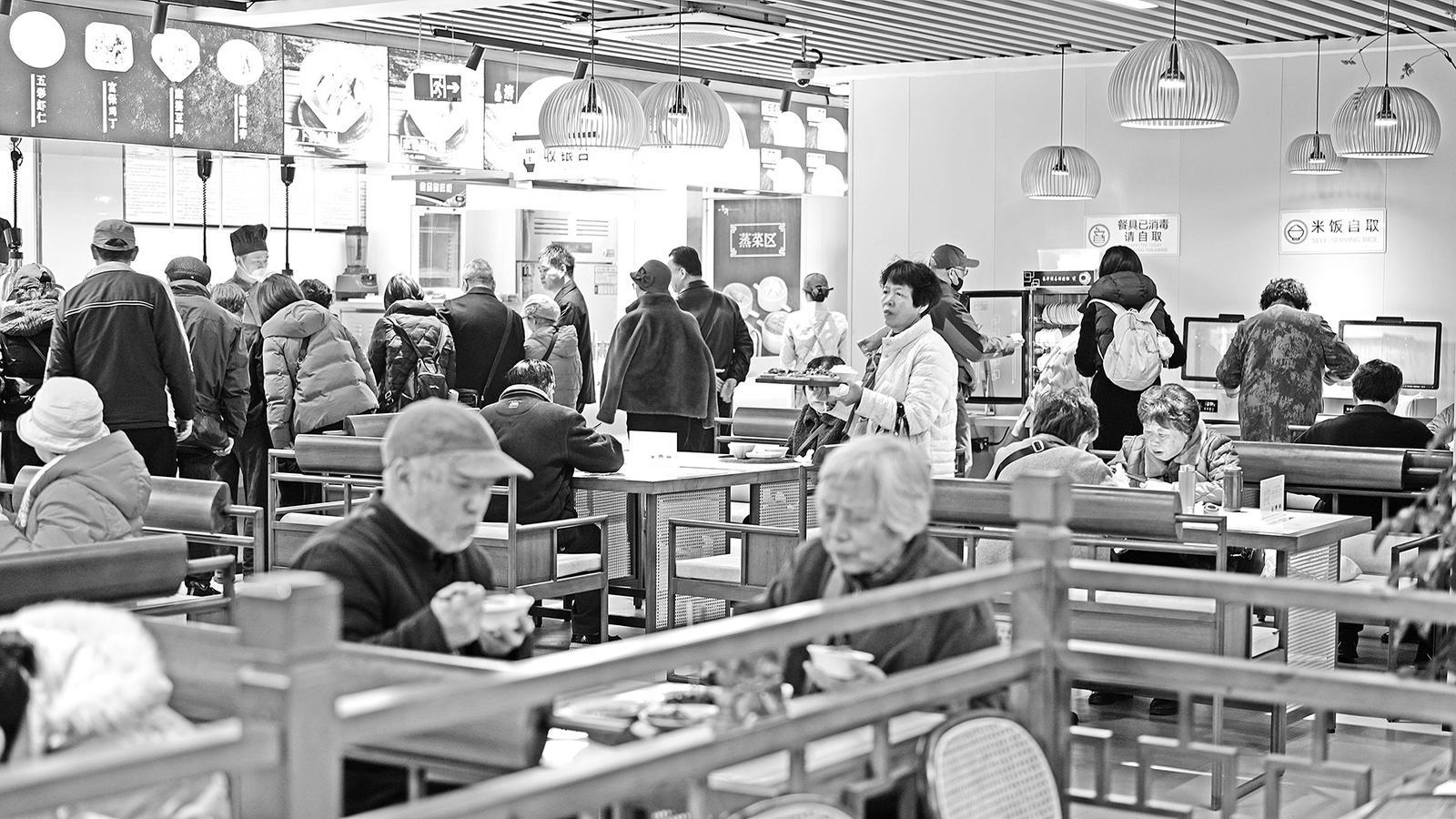
博物馆开启“隐藏副本” 年轻人抢着去博物馆“干饭”
Xin Lang Cai Jing· 2025-12-23 19:08
Core Viewpoint - The trend of museums offering unique dining experiences, referred to as "hidden copies," is gaining popularity among young people, transforming traditional museum visits into engaging cultural experiences [8][11]. Group 1: Museum Dining Experiences - Many museums across the country are opening cafeterias, featuring themed dishes like oracle bone noodles and cultural desserts, which attract younger visitors [8][9]. - The "oracle bone noodles" at Anyang Yin Ruins Museum sell up to 600 bowls on weekends, showcasing the creative integration of cultural elements into food [9]. - The Hebei Museum's "Changxin Palace Lantern" noodle dish has become a social media sensation, drawing crowds eager to experience the unique culinary offerings [9]. Group 2: Cultural Engagement and Innovation - Museums are evolving from being occasional attractions to becoming integral cultural spaces in daily life, reflecting a shift in how cultural institutions engage with the public [9][11]. - The Sichuan Museum's dining options include over 60 affordable small dishes, with prices starting at 3 yuan, enhancing the visitor experience by combining dining with cultural activities [9]. - The rise of museum dining reflects a broader trend of cultural venues innovating to create memorable experiences that resonate emotionally with visitors [14][16]. Group 3: Nighttime Museum Activities - Museums are breaking the traditional "daytime only" model by introducing nighttime events, such as themed light shows and interactive experiences, which have become popular among families [12][13]. - The National Natural History Museum's "Light Rhythm" night series and the "Night Stay" program have attracted significant interest, allowing families to explore exhibits in a new light [12]. - The integration of nighttime activities is seen as a way to revitalize cultural spaces and contribute to the local economy, positioning museums as key players in the "night economy" [13].
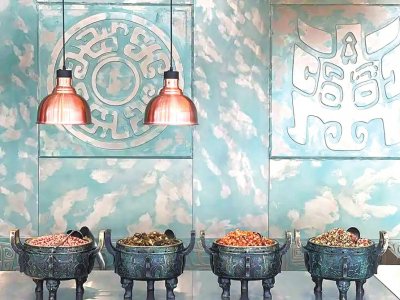
文物化身“掌中餐” 中国多地博物馆成年轻人新“社交餐桌”
Zhong Guo Xin Wen Wang· 2025-12-14 01:32
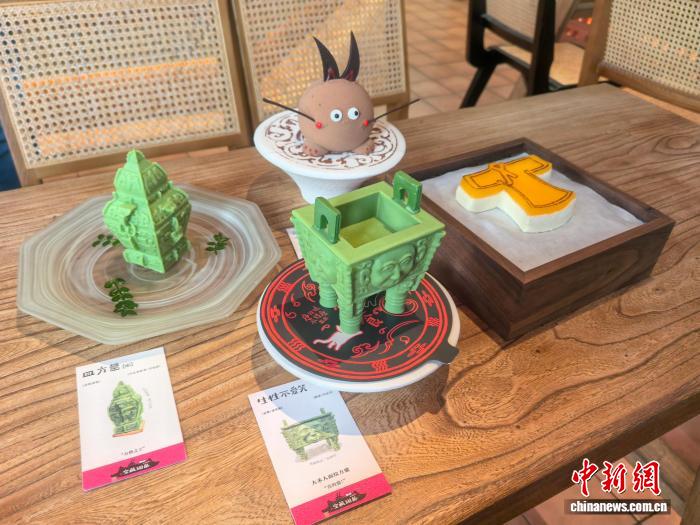
Core Viewpoint - Museums in China are creatively combining serious history with everyday food experiences to attract young visitors, transforming the museum experience from a purely visual one to an engaging sensory and social activity [1][3][5] Group 1: Museum Experience - The integration of food and cultural artifacts allows visitors to engage with history in a more relaxed and interactive manner, enhancing social interactions among young people [1][3] - Unique food items, such as "甲骨文面条" (Oracle Bone Script Noodles) and "长信宫灯板面" (Changxin Palace Lantern Noodles), are designed to be visually appealing and serve as conversation starters [1][3] Group 2: Cultural and Social Impact - The introduction of "文创甜点" (cultural creative desserts) in museums serves not only as a culinary experience but also as a cultural ritual, fostering a shared cultural memory among visitors [5] - The affordability of these museum food items, typically around 25 RMB, makes them more accessible compared to trendy cafes, thus broadening the social dining experience [5] - The phenomenon of sharing food experiences on social media is becoming a new trend, contributing to the museums' visibility and engagement with a wider audience [5]
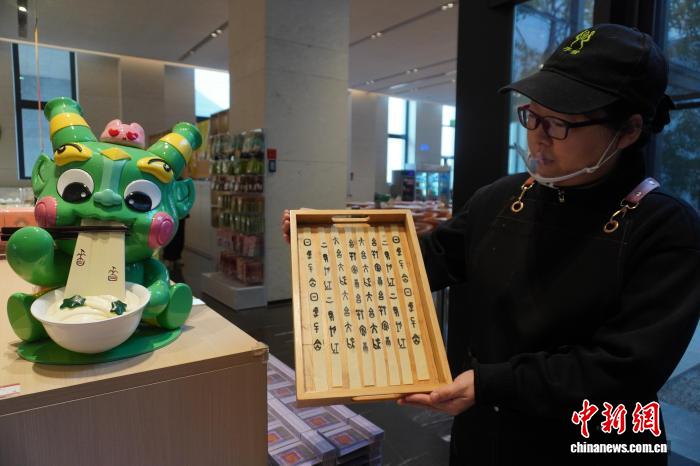
(文化中国行)“甲骨文面条”走红 游客吃面“沾福气”
Zhong Guo Xin Wen Wang· 2025-12-11 05:20
Core Viewpoint - The "Oracle Bone Noodles" have gained popularity among tourists at the Yinxu Museum's Zixiang Restaurant, combining cultural heritage with culinary creativity, allowing visitors to experience ancient Chinese culture in a modern context [1][4]. Group 1: Product Overview - The "Oracle Bone Noodles" are made using edible squid ink to print oracle bone characters on the noodles, which are then cooked with vegetables and beef sauce, priced at 38 RMB per serving [4]. - This dish is the best-selling item at the restaurant, with sales reaching 500 to 600 servings during peak times [4]. Group 2: Cultural Significance - The Yinxu Museum aims to modernize and express the ancient Yinxu culture through innovative food products, allowing visitors to connect with 3,000-year-old civilization in a casual manner [4]. - Other popular food items include "Yazhang Niu Zun" rice set, oracle bone "Fu" character meat sandwiches, oracle bone coffee, and bronze-shaped cakes, all of which have also seen significant sales [4]. Group 3: Market Trends - The trend of cultural food products has been rising, with various museums across China introducing similar offerings, such as the "Bianzhong Beef Noodles" from Hubei Museum and "Lunyu Cake" from Henan Museum [5]. - The integration of cultural elements into food products is seen as a way to create unique visitor experiences and memories, making cultural heritage more accessible and relatable to modern society [5].
当高冷文物遇上人间烟火 “文化+美食”创新跨界藏着多少惊喜?
Yang Shi Wang· 2025-11-30 08:23
Core Insights - Recent trend of museums in China opening cafeterias featuring creative dishes has attracted many visitors, enhancing the cultural experience [1][5][10] Group 1: Museum Cafeteria Offerings - The Anyang Yin Ruins Museum in Henan has introduced "Oracle Bone Noodles," achieving daily sales of 500 to 600 portions on weekends and holidays since its opening [5][8] - The Hebei Museum's "Changxin Palace Lantern" noodle dish, made with steamed egg, has become a popular item, drawing long queues of visitors [3][10] - Hubei Museum's "Bell Beef Noodles," featuring a replica bell-shaped egg, has quickly sold out its initial daily limit of 200 bowls since launch [10] Group 2: Cultural Integration and Visitor Experience - The integration of cultural elements into food offerings, such as the use of oracle bone characters on noodles, enhances visitors' understanding of ancient cultures [8][14] - The Hunan Museum has collaborated with cultural and culinary institutions to create desserts inspired by artifacts, such as the "Mifan" mousse cake and "Su Sha Can Yi" dessert, which are visually appealing and flavorful [12][14] - Advanced technologies like high-precision scanning and 3D modeling are used to create food items that reflect cultural heritage while appealing to modern aesthetics [16]
博物馆拓展“舌尖上”的新空间 “文化内核+烟火气”深度融合激活消费新体验
Yang Shi Wang· 2025-11-30 04:46
Core Insights - The integration of dining experiences in museums across China is gaining popularity, with various museums introducing unique food items inspired by cultural artifacts, enhancing visitor engagement and experience [1][5][11] Group 1: Museum Dining Innovations - Museums like the Henan Anyang Yin Xu Museum and Hubei Provincial Museum have launched themed dishes such as "Oracle Bone Noodles" and "Bells Beef Noodles," which have become popular among visitors [1][9] - The "Oracle Bone Noodles" at the Yin Xu Museum have achieved significant sales, reaching 500 to 600 servings on weekends and holidays [7] - The "Bells Beef Noodles" features a unique egg shaped like a bell, attracting visitors specifically for this experience, with initial daily sales limited to 200 bowls [9] Group 2: Cultural and Culinary Fusion - In Hunan Province, museums are collaborating with cultural and culinary institutions to create desserts and dishes that incorporate traditional elements, receiving positive feedback from visitors [11][14] - The Hunan Museum offers a variety of creative dishes, including a mousse cake inspired by ancient artifacts and a dessert presented in a traditional wooden box, showcasing a blend of aesthetics and taste [14][17] - The Sichuan Museum features a "blind box coffee" experience, where coffee designs reflect historical patterns, and offers a selection of small dishes reminiscent of ancient dining practices, enhancing the cultural experience [18][20] Group 3: Visitor Engagement and Popularity - The dining experiences in museums have become popular "check-in" spots, with the Sichuan Museum's dining center attracting 600 to 800 visitors daily, and over 800 during peak times [22] - The variety of affordable dishes, with prices ranging from 3 to 12 yuan, contributes to the high foot traffic and engagement in museum dining areas [20][22]
这届干饭人,已经把博物馆吃成了食堂
3 6 Ke· 2025-11-05 04:52
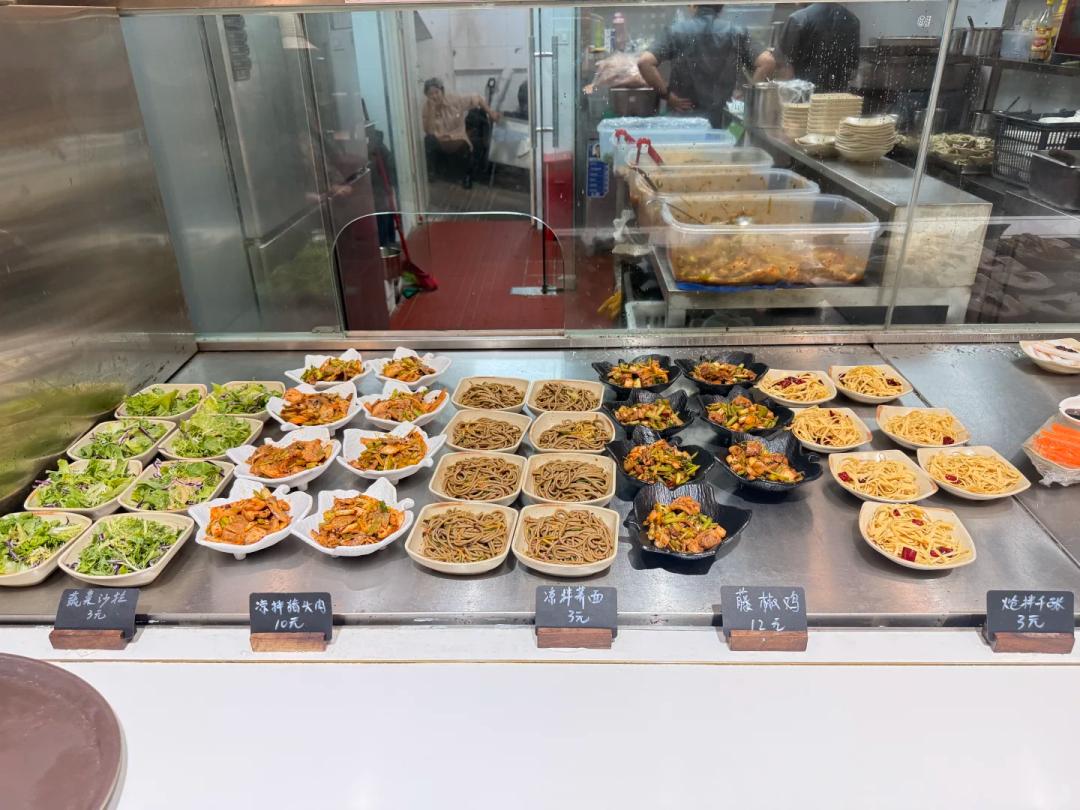
Core Viewpoint - The trend of museum cafeterias becoming popular dining spots among young visitors highlights a shift in how people experience cultural institutions, with food becoming a significant attraction alongside exhibitions [1][49]. Group 1: Museum Cafeteria Highlights - Sichuan Museum offers over 30 Sichuan dishes, with prices ranging from 3 to 12 yuan, making it an affordable dining option for visitors [3][5]. - Hubei Provincial Museum features two dining options: a cafeteria serving local dishes and a restaurant with creative dishes related to artifacts, providing a unique culinary experience [12][13]. - Shanghai Museum's cafeteria, operated by a well-known local hotel, offers a substantial boxed meal for 58 yuan, which includes generous portions of chicken and vegetables, appealing to visitors looking for quality [20][22]. - Hunan Museum's dining area includes five local restaurants, offering a variety of popular dishes and unique cultural-themed desserts, enhancing the visitor experience [24][29]. - Liaoning Museum's cafeteria is noted for its affordability, with meals priced around 10 to 22 yuan, providing excellent value for visitors [31][35]. Group 2: Cultural and Social Aspects - The integration of food with cultural experiences allows visitors to "eat history," as dishes are often themed around local heritage and artifacts, enhancing the educational aspect of museum visits [49][51]. - The social media appeal of visually appealing dishes and unique dining experiences encourages visitors to share their experiences online, turning meals into a form of social currency [51][52]. - The trend indicates that museums can attract more visitors by enhancing their food offerings, suggesting a potential strategy for cultural institutions to increase foot traffic and engagement [52][53].
活力中国调研行丨古都秀出新玩法
He Nan Ri Bao· 2025-08-07 23:51
Group 1: Cultural and Tourism Development - The "Vibrant China Research Tour" has been exploring historical cities like Kaifeng and Anyang, offering immersive experiences through light shows, VR displays, and performances that bring history to life [1][2] - Kaifeng has developed a rich array of night economy products, with 2 national-level and 8 provincial-level night tourism consumption clusters, and 12 scenic spots open for night tours, contributing to the "Song Dynasty Night City" concept [2] - The Kaifeng Museum features archaeological displays combined with light technology, showcasing the historical layers of the city from the Five Dynasties to the Qing Dynasty, enhancing visitor engagement [3] Group 2: Educational Tourism and Experience - The Yin Ruins Museum in Anyang is focusing on educational tourism, utilizing immersive experiences and interactive teaching to enhance cultural confidence among students [4] - The number of students participating in educational trips in Anyang is projected to reach approximately 1.6 million in the first half of 2025, marking a 20% increase compared to the previous year [4] - The integration of educational travel with industrial economy, consumer travel, and historical culture is expanding the appeal and influence of Anyang's cultural tourism [4]