中华民族

Search documents
王延中:深刻认识中华民族共同体的形成和发展是历史必然
Bei Jing Ri Bao Ke Hu Duan· 2026-01-14 03:07
Core Viewpoint - The speech by General Secretary Xi Jinping at the National Ethnic Unity and Progress Commendation Conference emphasizes the historical and cultural significance of the Chinese nation and the importance of building a unified multi-ethnic state, highlighting the inevitability of the formation and development of the Chinese national community [1][10]. Group 1: Conceptual Understanding - The terms "Chinese nation" and "Chinese national community" represent new concepts that reflect a multi-dimensional understanding of ethnicity, differing from Western views that see ethnicity as a stable, singular cultural group [2][3]. - The understanding of "Chinese nation" and "Chinese national community" encompasses all ethnic groups and individuals within China, recognizing the dynamic nature of ethnic identity and cultural characteristics [2][3]. Group 2: Historical Development - The Chinese nation has historically embraced the idea of unity, with the concept of "one family under heaven" becoming widely accepted since the pre-Qin period, leading to the establishment of a unified multi-ethnic state [3][4]. - The historical trajectory of the Chinese nation includes significant interactions and integrations among various ethnic groups, fostering a sense of shared identity and cultural exchange [4][5]. Group 3: Modern Context and Party's Role - The Communist Party of China has prioritized ethnic work, promoting unity and cooperation among all ethnic groups, which has led to unprecedented progress in the socio-economic development of ethnic minority regions [6][7]. - Since the 18th National Congress, Xi Jinping has emphasized the importance of the Chinese national community, integrating historical, political, and cultural dimensions into the party's ethnic policies [7][8]. Group 4: Future Directions - The ongoing development of the Chinese national community is seen as a process that requires continuous interaction and integration among ethnic groups, which is essential for national unity and the realization of the great rejuvenation of the Chinese nation [12][13]. - The promotion of a harmonious ethnic relationship is crucial for maintaining social cohesion and addressing both domestic and international challenges related to ethnic issues [13][14].
4个字令赖清德破防,海基会董事长请辞内幕曝光,英系人马将接任
Sou Hu Cai Jing· 2025-12-22 08:35
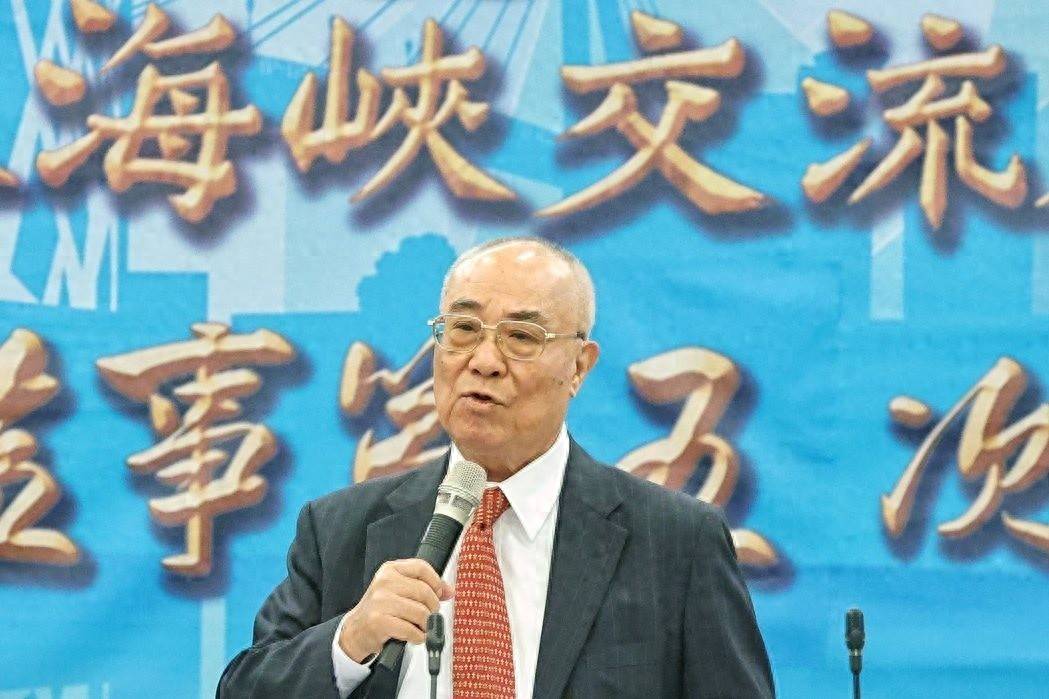
Core Viewpoint - The resignation of Wu Fengshan as the chairman of the Straits Exchange Foundation (SEF) is linked to his proposal for restarting cross-strait dialogue, which included terms that were unacceptable to Taiwan's ruling party leader, Lai Ching-te [1][3][5]. Group 1: Resignation Context - Wu Fengshan's resignation comes after only one year in the position, which is unusual and suggests underlying issues rather than a routine personnel change [1]. - His proposal included phrases like "Chinese nation" and "establishing the current status of 'brotherly separation' between the two sides," which reportedly displeased Lai Ching-te [1][3]. - Wu expressed a desire for peace and mutual benefit in cross-strait relations, indicating that he sought a common national identity to ease tensions [5]. Group 2: Implications for Leadership - Following Wu's resignation, it is speculated that Su Jia-chyuan, a strong political figure within the ruling party, may take over the SEF chairmanship [5][7]. - Su's potential appointment is surprising given his strong political stance and alignment with the party's hardline faction, which may indicate a shift in the SEF's role under his leadership [7]. - The current state of cross-strait relations is described as extremely rigid, suggesting that the SEF's function may be limited, and Lai's intention appears to be to use the SEF as a tool against mainland China rather than to foster dialogue [8].

“中华民族”这四个字,我们重新读懂!
Xin Hua Wang· 2025-09-02 01:34
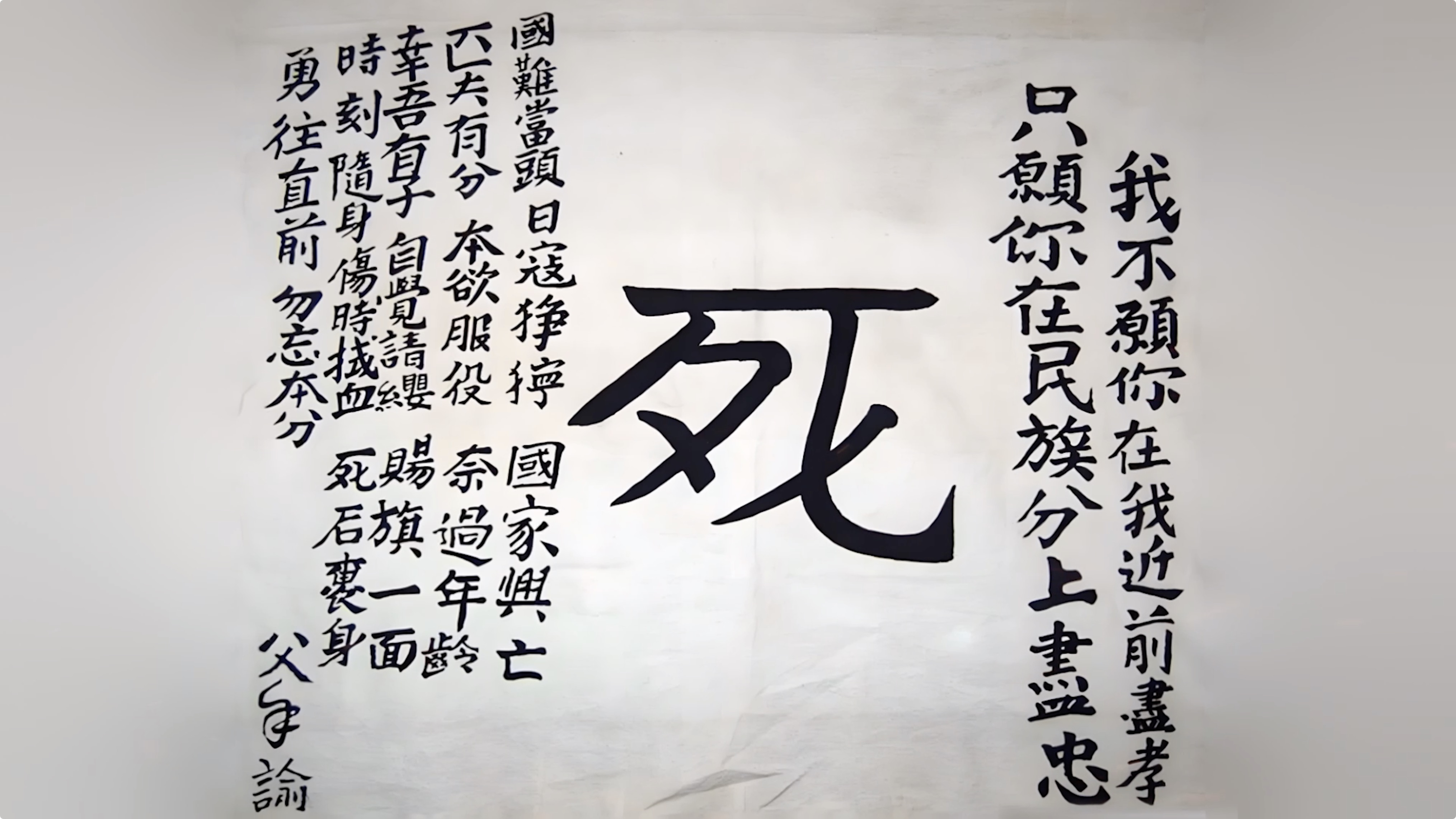
Group 1 - The article highlights the historical significance of the name "Chinese Nation," which has united the Chinese people since its first mention by Liang Qichao in 1902, transforming their identity and collective consciousness [4] - It emphasizes the resilience and awakening of the Chinese people in the face of foreign aggression, particularly during the Japanese invasion, where the name became a rallying point for unity and resistance [2][7] - The piece commemorates the 80th anniversary of the victory in the Chinese People's War of Resistance Against Japanese Aggression and the global anti-fascist war, showcasing the enduring spirit of the nation [7][8] Group 2 - The narrative reflects on the transition from a period of crisis to one of revival, likening China's journey to that of a phoenix rising from the ashes, symbolizing hope and renewal [7] - The documentary "Awakening the Chinese Name" is introduced as a significant project by Xinhua News Agency to honor this historical milestone and educate the public about the importance of national identity [7]