中国市场战略调整

Search documents
深度|外资美妆,正在重新梳理“中国故事”
FBeauty未来迹· 2026-03-13 13:39
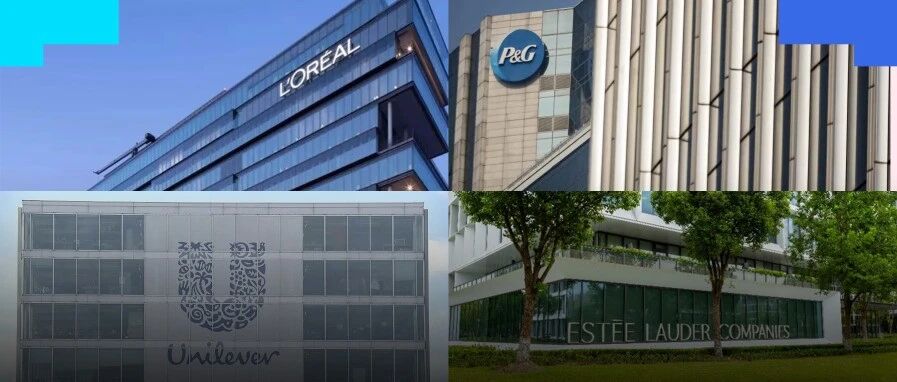
Core Viewpoint - The global beauty industry remains dominated by foreign giants, but in the Chinese market, local brands are rapidly gaining market share, indicating a shift in competitive dynamics [2][21]. Group 1: Global Market Overview - In 2025, L'Oréal leads the global beauty industry with revenue exceeding 356.36 billion RMB, significantly larger than its closest competitors, Unilever and Procter & Gamble, whose revenues are approximately 205.87 billion RMB and around 100 billion RMB respectively [5]. - The top ten companies in the beauty sector show a slowdown in growth, with nearly half experiencing revenue declines due to global consumption slowdowns and inventory adjustments [7]. - Puig and Galderma are notable exceptions, with Puig achieving a 5.3% growth and Galderma a remarkable 17.7% growth, highlighting the resilience of specialized beauty companies [9]. Group 2: Regional Insights - Japanese beauty companies are undergoing structural adjustments, with Shiseido focusing on core brands and improving profitability, while Kao is also seeing growth in its cosmetics business due to a recovery in the Chinese market [10][17]. - Korean beauty companies show a split performance; Amorepacific grew by 8.5% driven by emerging markets, while LG Household & Health recorded a 6.7% decline, reflecting challenges in the Greater China region [10][11]. Group 3: Chinese Market Dynamics - By 2025, domestic brands have captured 57.37% of the Chinese beauty market, a significant increase from less than 30% a decade ago, indicating a structural shift in market dynamics [2][21]. - International beauty companies are increasingly viewing the Chinese market as a critical battleground for testing organizational and innovative capabilities, rather than just a growth engine [23]. - L'Oréal's revenue in North Asia, including China, was approximately 100.75 billion euros, while Estée Lauder reported 27.41 billion USD in China, showing the competitive landscape between foreign and local brands [20]. Group 4: Strategic Adjustments - Estée Lauder has upgraded China to an independent reporting region, reflecting its strategic importance and allowing for more localized decision-making [23]. - Procter & Gamble has established a "Brand Growth Department" in China to enhance agility and responsiveness to market changes [25]. - Companies are adapting to the unique Chinese market ecosystem, with a focus on digital marketing and e-commerce channels, as seen with L'Oréal and SK-II's performance on platforms like Douyin [28].



欧莱雅、雅诗兰黛中国销量复苏,高端消费者又回来了?
2 1 Shi Ji Jing Ji Bao Dao· 2026-02-15 10:56
Core Insights - L'Oréal reported a sales revenue of €44.05 billion (approximately ¥360 billion) for 2025, marking a 4% year-on-year growth, with the North Asia region, including China, showing signs of recovery after two years of decline [1] - Estee Lauder also demonstrated strong performance, with a 6% increase in sales to $4.229 billion for the second fiscal quarter of 2026, and a significant turnaround in net profit from a loss of $590 million to a profit of $162 million [1][2] - The recovery in the beauty industry reflects not only a cyclical rebound but also the resilience and potential of the Chinese consumer market [1] Company Performance - L'Oréal's professional hair products segment led with a comparable growth of 7.5%, surpassing €5 billion, while the skincare segment grew by 5.5% to €7.2 billion [2] - Estee Lauder's net sales for the first half of the 2026 fiscal year reached $7.71 billion, a 5% increase, with a net profit turnaround from a loss of $746 million to a profit of $209 million [2] - Both companies attribute their recovery to improved consumer confidence and proactive adjustments in product structure and channel efficiency [1][2] Market Trends - The high-end beauty segment is showing signs of recovery, with L'Oréal's sales in China increasing from 1% growth in the first half to 5% in the second half of 2025 [3] - The overall Chinese cosmetics market reached a total transaction value of ¥1.104245 trillion in 2025, growing by 2.83%, solidifying its position as the largest cosmetics market globally [7] - Domestic brands have increased their market share to 57.37%, indicating a shift in consumer preferences towards local products [7] Strategic Adjustments - Estee Lauder has restructured its organization to treat the Chinese market as a strategic core, reporting a full-year sales figure of $2.741 billion (approximately ¥19.6 billion) for mainland China [6][7] - L'Oréal is focusing on enhancing its digital and direct-to-consumer (D2C) strategies, with e-commerce sales surpassing 30% of total revenue for the first time in 2025 [7] - The competitive landscape is shifting, with international brands needing to solidify their high-end offerings while adapting to local consumer demands [8]