
修丽可

Search documents
深度|外资美妆,正在重新梳理“中国故事”
FBeauty未来迹· 2026-03-13 13:39
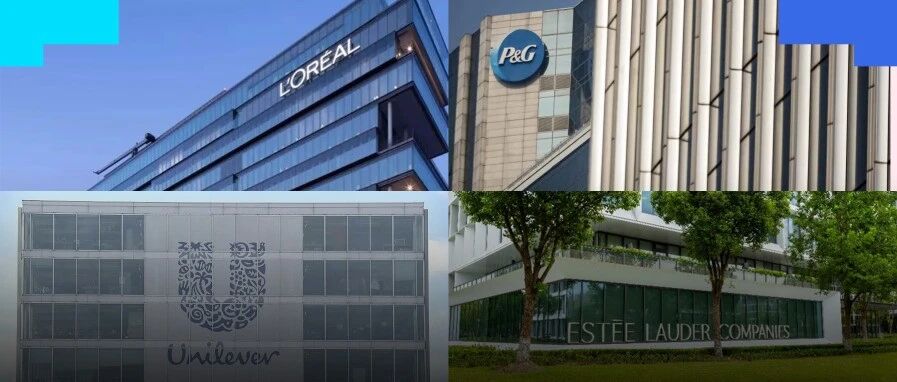
Core Viewpoint - The global beauty industry remains dominated by foreign giants, but in the Chinese market, local brands are rapidly gaining market share, indicating a shift in competitive dynamics [2][21]. Group 1: Global Market Overview - In 2025, L'Oréal leads the global beauty industry with revenue exceeding 356.36 billion RMB, significantly larger than its closest competitors, Unilever and Procter & Gamble, whose revenues are approximately 205.87 billion RMB and around 100 billion RMB respectively [5]. - The top ten companies in the beauty sector show a slowdown in growth, with nearly half experiencing revenue declines due to global consumption slowdowns and inventory adjustments [7]. - Puig and Galderma are notable exceptions, with Puig achieving a 5.3% growth and Galderma a remarkable 17.7% growth, highlighting the resilience of specialized beauty companies [9]. Group 2: Regional Insights - Japanese beauty companies are undergoing structural adjustments, with Shiseido focusing on core brands and improving profitability, while Kao is also seeing growth in its cosmetics business due to a recovery in the Chinese market [10][17]. - Korean beauty companies show a split performance; Amorepacific grew by 8.5% driven by emerging markets, while LG Household & Health recorded a 6.7% decline, reflecting challenges in the Greater China region [10][11]. Group 3: Chinese Market Dynamics - By 2025, domestic brands have captured 57.37% of the Chinese beauty market, a significant increase from less than 30% a decade ago, indicating a structural shift in market dynamics [2][21]. - International beauty companies are increasingly viewing the Chinese market as a critical battleground for testing organizational and innovative capabilities, rather than just a growth engine [23]. - L'Oréal's revenue in North Asia, including China, was approximately 100.75 billion euros, while Estée Lauder reported 27.41 billion USD in China, showing the competitive landscape between foreign and local brands [20]. Group 4: Strategic Adjustments - Estée Lauder has upgraded China to an independent reporting region, reflecting its strategic importance and allowing for more localized decision-making [23]. - Procter & Gamble has established a "Brand Growth Department" in China to enhance agility and responsiveness to market changes [25]. - Companies are adapting to the unique Chinese market ecosystem, with a focus on digital marketing and e-commerce channels, as seen with L'Oréal and SK-II's performance on platforms like Douyin [28].



3年砸12亿,这家女版“茅台”图什么?
虎嗅APP· 2026-03-13 10:18
Core Viewpoint - The article discusses the dual nature of AI in the collagen protein industry, highlighting both opportunities and challenges for companies like Jinbo Biological, which is heavily investing in AI to enhance product development and maintain competitive advantage [15]. Group 1: Company Overview - Jinbo Biological is recognized as an "invisible champion" in China's recombinant collagen protein industry, with annual revenues exceeding 1 billion yuan and a market capitalization that once reached 50 billion yuan [3]. - The company has achieved over 100% net profit growth for four consecutive years, but recently reported a decline in net profit for the first time since 2015, indicating a significant shift in performance [6][12]. Group 2: Market Dynamics - The collagen protein market is experiencing a cooling period after years of rapid growth, with projections indicating that the global collagen raw material market could reach $3.815 billion by 2030, with recombinant type III collagen accounting for 41.6% of that market [4]. - Jinbo Biological's product development advantages are notable, having three products certified as Class III medical devices, including the innovative "Wei Yimei" injection [5][6]. Group 3: Financial Performance - Jinbo Biological's revenue for 2025 was reported at 1.595 billion yuan, a year-on-year increase of 10.57%, but net profit fell by 10.09%, marking a stark contrast to previous years of growth [6][12]. - The company is under pressure to find new blockbuster products, as its flagship product "Wei Yimei" has seen a slowdown in growth, necessitating a shift in focus towards new product development [9][10]. Group 4: AI Investment and R&D - Jinbo Biological plans to invest 1.15 billion yuan in AI-related platform construction, which is expected to enhance the efficiency of product development and reduce research and development cycles [2][13]. - The integration of AI has reportedly reduced the R&D cycle from 18 months to 12 months, indicating a 33% increase in efficiency [13]. Group 5: Competitive Landscape - The competitive landscape for recombinant collagen protein is intensifying, with at least 18 products having obtained Class III medical device certification, making it harder for any single product to dominate the market [16]. - The article notes that the marketing and consumer expectations have shifted, with visible results becoming increasingly important for product success [16][19]. Group 6: Future Directions - Jinbo Biological is exploring applications of recombinant human collagen beyond aesthetic medicine, including wound care and orthopedic implants, which could redefine the industry [14][22]. - The company aims to leverage the current market cooling period to focus on research and product refinement, potentially leading to innovations that extend beyond traditional cosmetic applications [22].
高德美营收50亿美元,全球美妆十强要重排座次?
FBeauty未来迹· 2026-03-07 13:13
Core Viewpoint - In a slowing global beauty industry, Galderma, a skin-focused company, has achieved significant growth, with net sales surpassing $5 billion for the first time, reaching $5.207 billion (approximately 358.92 billion RMB), a year-on-year increase of 17.7% [3][4]. Financial Performance - Galderma's record financial performance in 2025 includes growth across all product categories and major regional markets, driven by a clear strategic positioning and a science-based innovation approach [4]. - The company projects a net sales growth of 17%-20% for 2026 at constant exchange rates, with core EBITDA margin expected to reach approximately 26% [4]. Market Position - Galderma ranks 11th among global beauty groups with a revenue of $5.207 billion, closing the gap with the 10th place Coty, which is only about $500 million ahead [7]. - The company's growth is attributed to the success of its three main business segments, which complement each other in revenue contribution, profit margins, innovation potential, and resilience [7]. Business Segments - The Injectable Aesthetics segment is the largest revenue source, with net sales of $2.572 billion, showing a year-on-year growth of 11.5% [8]. - The Dermatological Skincare segment generated net sales of $1.449 billion, with a year-on-year increase of 9.3%, driven by strong performances from brands like Cetaphil and Alastin [8]. - The Therapeutic Dermatology segment experienced the fastest growth, with net sales of $1.185 billion, a remarkable year-on-year increase of 50.2%, largely due to the performance of the Nemluvio brand [8]. Strategic Execution in China - China has become a key testing ground for Galderma's strategic execution, with a focus on integrating global products, cross-segment collaboration, and local research to build a comprehensive health management system [9]. - The brand Cetaphil has been a significant driver of growth in China, particularly during promotional events like Double Eleven, outperforming the overall skincare market [9]. Product Innovations - In 2025, Galderma introduced several key products to the Chinese market, including the globally recognized regenerative aesthetic product Sculptra, marking a strategic move into the Chinese regenerative aesthetic market [11]. - The launch of the innovative perioperative skincare brand Alastin further extends the company's offerings from treatment to pre- and post-procedure care, creating a complete "injection + care" loop [11]. Research and Development - Galderma is advancing its R&D investments in China, with a clinical study focusing on the biological impacts of lifestyle and environmental factors on sensitive skin populations [13]. - The company has established a robust R&D network with over 650 personnel across 33 global research bases, emphasizing clinical validation and efficacy in product development [20]. Competitive Landscape - The global beauty industry is witnessing a shift towards medical aesthetics, with major players like L'Oréal and Estée Lauder increasing their focus on this high-growth segment [14][15]. - Galderma's unique vertical integration model allows it to meet diverse consumer needs across different skin conditions and life stages, creating a competitive moat that traditional beauty brands find hard to replicate [21].
欧莱雅告别高增长
Bei Jing Shang Bao· 2026-02-24 13:45
Core Viewpoint - L'Oréal is experiencing a slowdown in its previously high growth model, with sales growth and net profit declining, particularly impacted by increased competition in the Chinese market and market saturation [1][3]. Sales Performance - In 2025, L'Oréal's sales reached €44.05 billion, a year-on-year increase of 1.3%, while net profit was €6.13 billion, down 4.4% [3]. - The sales figures for previous years show a gradual decline in growth: €43.48 billion in 2024 (5.1% growth) and €41.18 billion in 2023 (11% growth) [3]. - L'Oréal emphasizes a "recovery" narrative, highlighting strong performance in North America and China in the latter half of the year [3]. Market Challenges - The North Asia market, including China, saw a reported sales decline of 2.2% in 2025, but a year-on-year growth of 0.5% [4]. - The competitive landscape is intensifying, with local brands gaining market share and the overall beauty market in China facing saturation [4][9]. - The Chinese beauty market is projected to reach ¥1.104245 trillion in 2025, growing by 2.83% year-on-year, maintaining its position as the largest cosmetics market globally [8]. Strategic Initiatives - L'Oréal is actively seeking growth through strategic acquisitions, such as increasing its stake in Galderma to 20% to enhance its presence in the aesthetic market [6][7]. - The company is also expanding its high-end beauty brand portfolio, including a long-term strategic partnership with Kering Group for luxury beauty and fragrance brands [7]. Competitive Landscape - Competitors like Estée Lauder are also focusing on the Chinese market, reporting a 13% organic net sales growth in the second quarter of 2026 [8]. - Domestic brands are gaining a significant market share, with local brands holding 57.37% of the market, posing challenges for L'Oréal in the mid-to-low-end segments [9].
食饮吾见 | 一周消费大事件(2.9-2.13)
Cai Jing Wang· 2026-02-13 08:34
Regulatory Changes - The State Administration for Market Regulation (SAMR) has introduced new regulations for the bulk transportation of key liquid foods to enhance food safety oversight [1][2] - A comprehensive regulatory framework has been established, including a directory of key liquid foods, management methods for transportation permits, and standards for sanitary requirements [1][2] Food Safety Measures - The new regulations include a directory that categorizes 14 subtypes of liquid foods, specifying the use of dedicated transport containers [2] - A management method for transportation permits has been developed, detailing strict conditions and procedures for obtaining permits [2] - A traceability system has been implemented, requiring all parties involved in the transportation process to maintain accurate records [2] Industry Developments - Nestlé has been prompted to recall specific batches of infant formula due to the detection of Bacillus cereus toxins, with no confirmed cases of poisoning reported in China [3] - The revised Food Recall Management Measures emphasize the responsibilities of food producers and regulatory bodies, enhancing the framework for food recall processes [4] Corporate Strategies - The founder of Pang Donglai has announced that the company will never go public and aims to maintain a youthful management team [5] - Yonghui Supermarket has reported a significant turnaround with a dual increase in same-store sales and customer traffic after a strategic transformation [6][7] Financial Performance - L'Oréal reported a 4% increase in sales to €44.05 billion, with all business sectors showing growth, particularly in professional products [9] - Kraft Heinz announced a pause on its spin-off plans, focusing on returning to profitable growth amid a 3.5% decline in net sales [10] - Coca-Cola's Q4 net profit rose by 5% to $2.316 billion, driven by a 13% increase in sales of its no-sugar products [11][12] - Budweiser APAC reported a 6.1% decrease in revenue to $5.764 billion, with a focus on enhancing non-immediate and O2O channels to improve sales performance [13]


欧莱雅在中国市场遭遇“滑铁卢”,反应慢了?
Xi Niu Cai Jing· 2025-12-16 01:24
Core Insights - 2024 is expected to be a challenging year for L'Oréal, particularly in the Chinese market, which has become a significant concern for the company [2] Group 1: Financial Performance - L'Oréal achieved a record sales figure of €43.48 billion in 2024, representing a year-on-year growth of 5.1% [2] - The operating profit reached €8.688 billion, with a year-on-year increase of 6.7%, resulting in an operating margin of 20% [2] - The North Asia market, which includes China, reported a sales decline of €10.3 billion, down 3.2% year-on-year, making it the only region with negative growth among L'Oréal's five major markets [2] Group 2: Market Dynamics - The growth rate of L'Oréal in the Chinese market has been declining, with previous growth rates exceeding 20% from 2019 to 2021, but dropping to low single-digit growth from 2022 onwards [2] - The first quarter of 2024 showed decent performance, but the second quarter experienced negative growth, which continued into the third and fourth quarters [2] - Factors contributing to the negative growth in the North Asia market include weak selective channels and pressure on travel retail sales [2] Group 3: Competitive Landscape - L'Oréal's revenue in China is primarily driven by mass-market and premium cosmetics, with brands like L'Oréal Paris and Lancôme being significant contributors [3] - The mass-market segment faces intense competition from local skincare brands that are gaining popularity due to the "national trend" and high cost-performance ratios [3] - In the premium segment, consumers are becoming more discerning, often opting for "alternative" products instead of high-end offerings, which diminishes L'Oréal's previous pricing advantages [3][4] Group 4: Adaptability Challenges - Local brands are quicker to respond to market changes and consumer demands due to their advantages in channels and supply chains, putting L'Oréal at a disadvantage [4] - The beauty market's dynamics have shifted, requiring brands to adopt more agile and flexible strategies to keep pace with rapid changes [4] Group 5: Future Outlook - In the first three quarters of 2025, the North Asia market reported sales of €7.35 billion, with a slight year-on-year growth of 0.5%, indicating a low growth state [5] - The Chinese market remains a crucial revenue source for L'Oréal, necessitating a focus on market trends and consumer demand changes to potentially restore high growth in the future [5]
海外美妆龙头财报跟踪:高端是否率先复苏?
2025-11-12 02:18
Summary of Conference Call Records Industry Overview - The high-end beauty market in mainland China is showing signs of recovery, with several foreign beauty brands such as La Perla, L'Oréal, and Estée Lauder reporting performance growth, reversing previous declines. This recovery is primarily driven by high-end consumer demand rather than currency fluctuations [1][2][4]. Key Insights and Arguments - **Market Recovery**: LVMH achieved mid-single-digit growth in mainland China for the first time in the third quarter, exceeding market expectations. La Perla reported double-digit growth, a performance not seen in years [2][3]. - **Long-term Trends**: Despite short-term uncertainties, companies like Shiseido and L'Oréal expect the trend of high-end beauty market recovery to continue. Shiseido has adjusted its business metrics to reflect double-digit growth when combining travel retail and domestic sales [1][4]. - **Consumer Demand**: The demand for beauty and health remains strong, with companies like L'Oréal and Puig seeing significant performance in medical-grade skincare and fragrance categories [1][5][6]. - **E-commerce Growth**: Online channels are crucial for sales growth, with L'Oréal's e-commerce channel in China experiencing double-digit growth. Offline sales in high-end malls are also showing signs of recovery [8]. Additional Important Points - **Promotional Strategies**: During the recent Double Eleven shopping festival, foreign brands like Lancôme and Helena Rubinstein achieved significant online growth, primarily through discount strategies, which impacted profit margins [9]. - **Local Brand Advantage**: Chinese local brands have advantages in supply chain responsiveness and understanding rapidly changing consumer demands. This positions them well for long-term market share growth [13][15]. - **Market Sentiment**: The overall market sentiment in 2024 is low, but the beauty sector shows resilience. Companies like L'Oréal have begun to recover after experiencing negative growth in previous quarters [5][11]. - **Competitive Landscape**: The competition between foreign and local brands is characterized by foreign brands leveraging online discounts while local brands focus on supply chain agility and consumer responsiveness. This dynamic is expected to continue without significantly hindering local brands' growth [15]. Conclusion - The high-end beauty market in China is on a recovery path, driven by strong consumer demand and effective sales strategies across various channels. While the overall market sentiment remains cautious, the resilience of the beauty sector and the competitive advantages of local brands suggest a promising outlook for future growth.
部分海外龙头中国业务持续回暖
HTSC· 2025-11-11 08:48
Investment Rating - The report maintains an "Overweight" rating for the consumer discretionary and commercial trade sectors [7]. Core Insights - Several leading overseas beauty and luxury brands are experiencing a recovery in their business in China, with notable growth in Q3 2025 [1][2]. - The overall consumption in mainland China is expected to continue its gradual recovery, supported by positive macroeconomic signals [1]. Summary by Sections Company Performance - LVMH's revenue in the Asia-Pacific region, excluding Japan, returned to positive growth after six consecutive quarters of decline, with Q3 2025 showing a recovery [1]. - L'Oréal's revenue in mainland China grew by approximately 3% year-on-year in Q3 2025, driven by a 4.7% increase in North Asia [2]. - Hermès reported strong growth in the Greater China region, while Estée Lauder achieved a 9% year-on-year increase in its China business [1][2]. - Unilever's business segments in China, excluding ice cream, also showed signs of recovery [1]. Channel Insights - Online channels have seen significant growth, with L'Oréal and Beiersdorf reporting year-on-year increases of 12% and 19.2% respectively in Q3 [3]. - Travel retail remains under pressure but has shown marginal improvements, with L'Oréal and Kering noting slight revenue recovery [3]. Category Insights - The medical aesthetics segment, particularly high-demand products like Sculptra, has seen a year-on-year revenue increase of 11.8% in Q3 2025 [4]. - Skin science skincare products, including brands like Cetaphil and Alastin, reported double-digit growth, contributing to a 9.3% year-on-year increase in the skincare segment [4]. - Fragrance categories also performed well, benefiting from new product launches by L'Oréal and LVMH [4]. Performance Guidance - Galderma has raised its full-year revenue growth guidance for FY25 to 17.0%-17.7%, up from a previous estimate of 10%-12% [5]. - Procter & Gamble expects a revenue growth rate of 1%-5% for FY26, maintaining its guidance for Q4 2025 [5]. - Unilever anticipates a potential sales growth rate of 3%-5% for FY25, with Q2 revenue growth expected to exceed that of H1 2025 [5].
百元喷雾只有水,是智商税?有回应了
Sou Hu Cai Jing· 2025-09-02 14:46
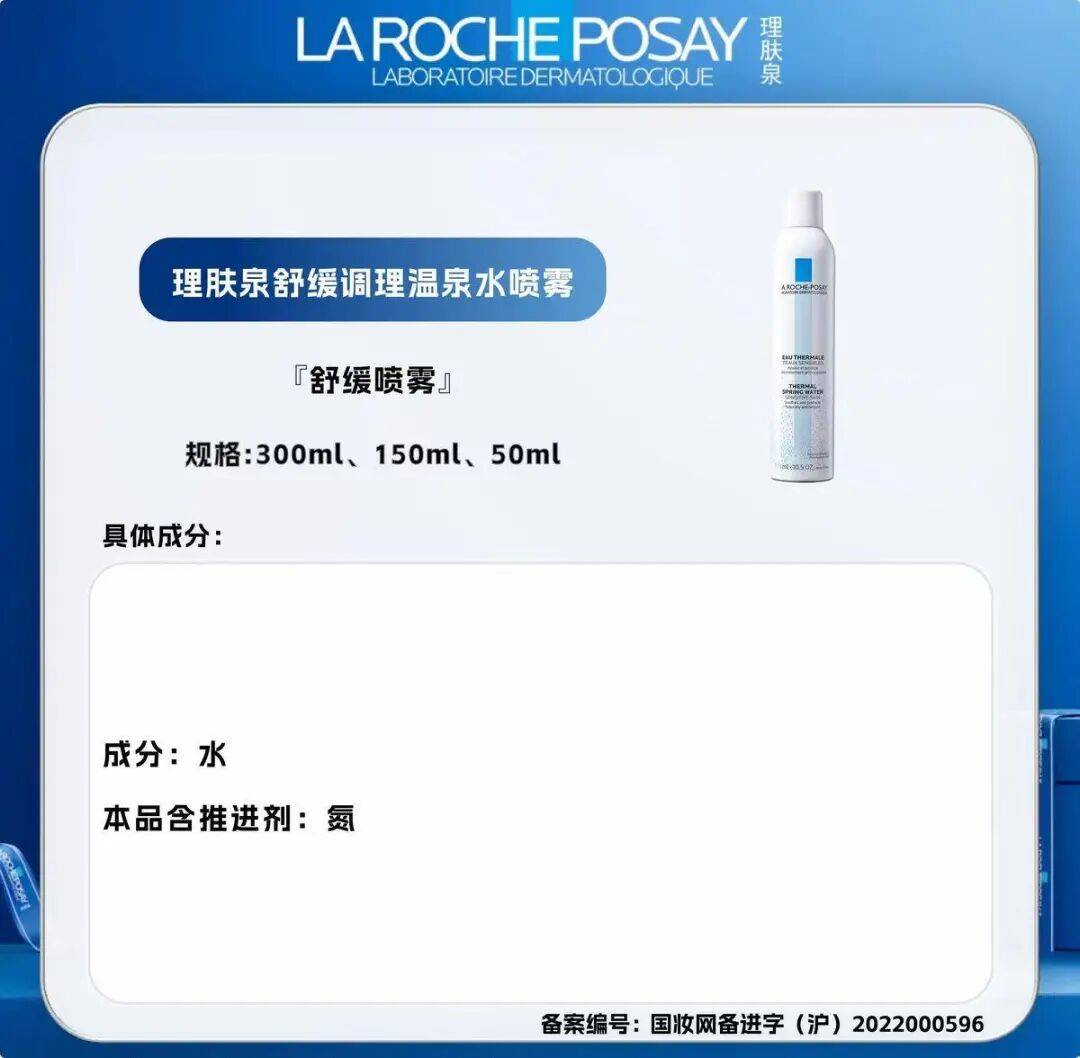
Core Insights - The recent controversy surrounding La Roche-Posay's "Soothing Thermal Water Spray" has sparked discussions on social media, with critics labeling it as a "smart tax" due to its ingredient list primarily consisting of water, questioning its high price point [1] - L'Oréal Group reported a sales revenue of €22.473 billion (approximately ¥186.19 billion) for the first half of the year, reflecting a year-on-year growth of 3%, while operating profit reached approximately €4.74 billion (around ¥39.28 billion), also up by 3.1% [1] - Compared to the double-digit growth seen in the past three years, L'Oréal's growth rate for the first half of 2024 has noticeably slowed, with sales and operating profit both reverting to single-digit growth [1] Financial Performance - In the first half of 2024, L'Oréal's sales amounted to €22.12 billion, marking a year-on-year increase of 7.5%, while operating profit grew by 8% to €4.599 billion, accounting for 20.8% of sales, which is a 10 basis points increase year-on-year [1] - Net profit for the same period reached €3.65 billion, reflecting an 8.8% year-on-year growth [1] Segment Performance - L'Oréal's four major divisions experienced growth in the first half of the year, but with significant differences in growth rates. The Professional Products Division led with a 6.5% year-on-year growth, achieving sales of €2.55 billion (approximately ¥21.16 billion), driven by brands like Kérastase and Color Wow, which saw a second-quarter growth of 11.5% [2] - The Consumer Products Division reported sales of €8.41 billion (around ¥69.78 billion), with a year-on-year growth of 2.8% [2] - The Active Cosmetics Division generated sales of €3.86 billion (approximately ¥32.03 billion), with a year-on-year growth of 3.1%, supported by double-digit growth from brands like La Roche-Posay, SkinCeuticals, and CeraVe [2]
国泰海通:国际美护品牌二季度增速回暖 中国区市场全面增长
智通财经网· 2025-08-03 05:59
Group 1: Market Overview - Recent financial reports from international beauty leaders like L'Oréal and Procter & Gamble indicate a sequential improvement in growth rates for overseas brands in the Chinese market, particularly in functional skincare and medical aesthetics [1] - The beauty sector is experiencing significant changes, with a notable rise in domestic brands, highlighting a clear growth trend and increasing brand differentiation [1] Group 2: L'Oréal Performance - L'Oréal reported a sales figure of €22.47 billion for 1H25, reflecting a year-on-year growth of 3.0%, with Q1 and Q2 growth rates of 2.6% and 3.7% respectively [2] - The net profit for L'Oréal reached €3.783 billion, showing a 1.0% year-on-year increase [2] - The professional hair division led growth with a 6.5% increase, while mass skincare, premium cosmetics, and skin science segments grew by 2.8%, 2.0%, and 3.1% respectively [2] - The Chinese market showed a 3% year-on-year growth in Q2, with skin science and professional hair products performing particularly well [2] Group 3: Procter & Gamble Performance - Procter & Gamble's Q2 sales amounted to $20.889 billion, a 2% year-on-year increase, with net profit rising by 15% to $3.626 billion [3] - The beauty segment saw a slight increase of 0.2% year-on-year, while net profit in this division grew by 4% [3] - The skincare business in China continued to grow, although this was offset by a decline in North America, resulting in flat overall sales for the skincare segment [3] Group 4: Galderma Performance - Galderma reported a net sales figure of $2.448 billion for 1H25, marking a 12.2% year-on-year increase, with Q2 growth at 15.8% [4] - The company raised its full-year sales guidance to 12-14%, up from the previous 10-12% [4] - The injection aesthetics, daily skincare, and skin treatment segments grew by 9.8%, 7.7%, and 26.9% respectively, with botulinum toxin sales increasing by 14.7% [4] - Strong performance was noted in key markets such as Brazil, Canada, and mainland China, particularly in the injection aesthetics business [4]
