中国车企技术出海

Search documents
雷诺,打不过就加入中国队
汽车商业评论· 2025-11-19 23:08
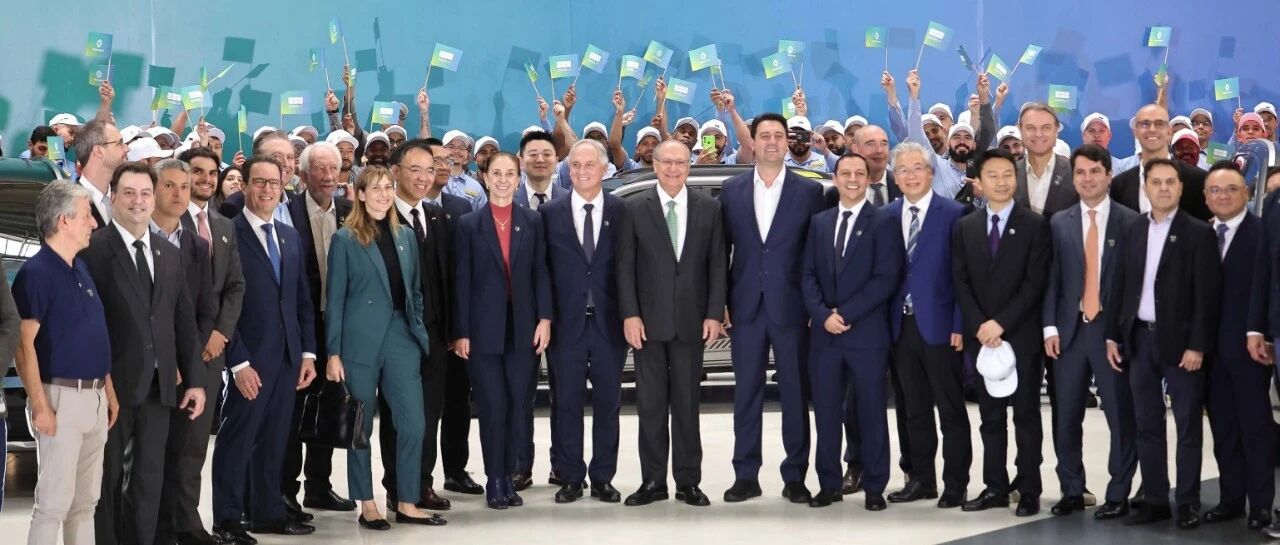
Core Viewpoint - The collaboration between Geely and Renault in Brazil represents a strategic move to enhance their positions in the South American automotive market, focusing on electric and low-emission vehicles while leveraging each other's strengths in distribution and technology [4][5][17]. Investment and Development - Geely and Renault announced a joint investment of 3.8 billion Brazilian Reais (approximately 714 million USD) to establish a new industrial park in Brazil for developing new vehicle models [4][8]. - Part of the investment will support the development of Geely's new zero-emission and low-emission vehicle platform, with mass production expected in the second half of 2026 [8]. - The remaining funds will be used to upgrade existing Renault models and launch another new model by 2027 [9]. Strategic Partnership - Geely will acquire a 26.4% stake in Renault's Brazilian operations, while Renault will maintain control, allowing Geely to integrate Renault's established distribution and local R&D resources [9]. - This partnership aims to enhance local production, supply chain operations, sales, and after-sales service capabilities to support long-term market development [14]. Market Dynamics - The collaboration is seen as a response to the increasing competition from Chinese brands in the automotive sector, with Renault aiming to expand its business beyond Europe into South America [17]. - Brazil is identified as a key market for both companies, with significant potential for growth, especially in the electric vehicle segment, which saw a doubling of exports from China last year, reaching 152,000 units [18]. Historical Context and Future Outlook - This partnership builds on previous collaborations, including a framework agreement signed in January 2022 and a stake acquisition in Renault Korea, which has already shown positive results in sales growth [20][22]. - The establishment of a new powertrain technology company, HORSE Powertrain Limited, is expected to generate nearly 15 billion Euros in annual revenue, further solidifying the partnership's technological foundation [24]. Industry Trends - The collaboration reflects a broader trend where international brands are increasingly seeking partnerships with Chinese manufacturers to gain competitive advantages in electric vehicle technology [28][29]. - The shift in dynamics indicates that Chinese companies are now seen as leaders in technology and efficiency, prompting traditional automakers to explore joint ventures for market entry and technological exchange [29].