中小酒企生存困境

Search documents
名酒价格渠道全方位下沉!中小酒企打响生存博弈战
Sou Hu Cai Jing· 2026-01-12 07:25
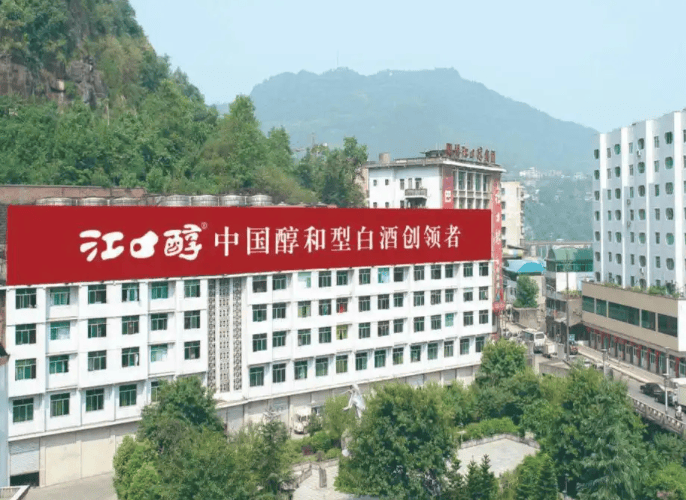
Core Insights - The Chinese liquor industry is undergoing an unprecedented structural transformation by 2025, characterized by intensified consumption stratification, price inversion of famous brands, and high inventory pressure, significantly impacting small and medium-sized liquor enterprises [1][2][5] Industry Overview - The auction of raw liquor at a low price of 1.25 yuan per jin reflects the severe depreciation of excess production capacity, with some companies struggling under debt crises and others seeking capital support through mergers and acquisitions [1][9] - Analysts indicate that the current situation of small and medium-sized liquor companies can be summarized by the "three lacks": lack of brand strength, lack of funds, and lack of talent, leading to rising inventory and declining prices [13][15] Mergers and Acquisitions - Recent mergers and acquisitions, such as the acquisition of Jiangkou Chun and Xiao Jiao Lou by Chengdu state-owned liquor company, highlight a trend of "trustee-style mergers," where state or industrial capital first manages the company before acquiring it at a discounted price [3][5] - The failure of some anticipated acquisitions, like Luzhou Laojiao's attempt to acquire Xiantan, indicates hidden risks and valuation discrepancies within the industry [7] Market Dynamics - The aggressive market penetration by national brands like Moutai and Wuliangye into lower-tier markets has severely impacted the survival of regional liquor companies, as consumers can easily choose between national and local brands [15][21] - The shift in consumer preferences, particularly among Generation Z, is reshaping the liquor market, leading to a contraction in regional brands and a need for adaptation [15][21] Survival Strategies - Small and medium-sized liquor companies are advised to consider mergers as a viable survival strategy, while also exploring opportunities in regional markets through digital tools and localized branding [17][18] - Companies are encouraged to focus on "light bottle liquor" products priced between 40 to 100 yuan to meet the rational consumption demands of the market [18][19] - The industry is shifting its focus from aggressive competition against giants to finding valuable niches within the larger ecosystem, emphasizing survival over growth [21]

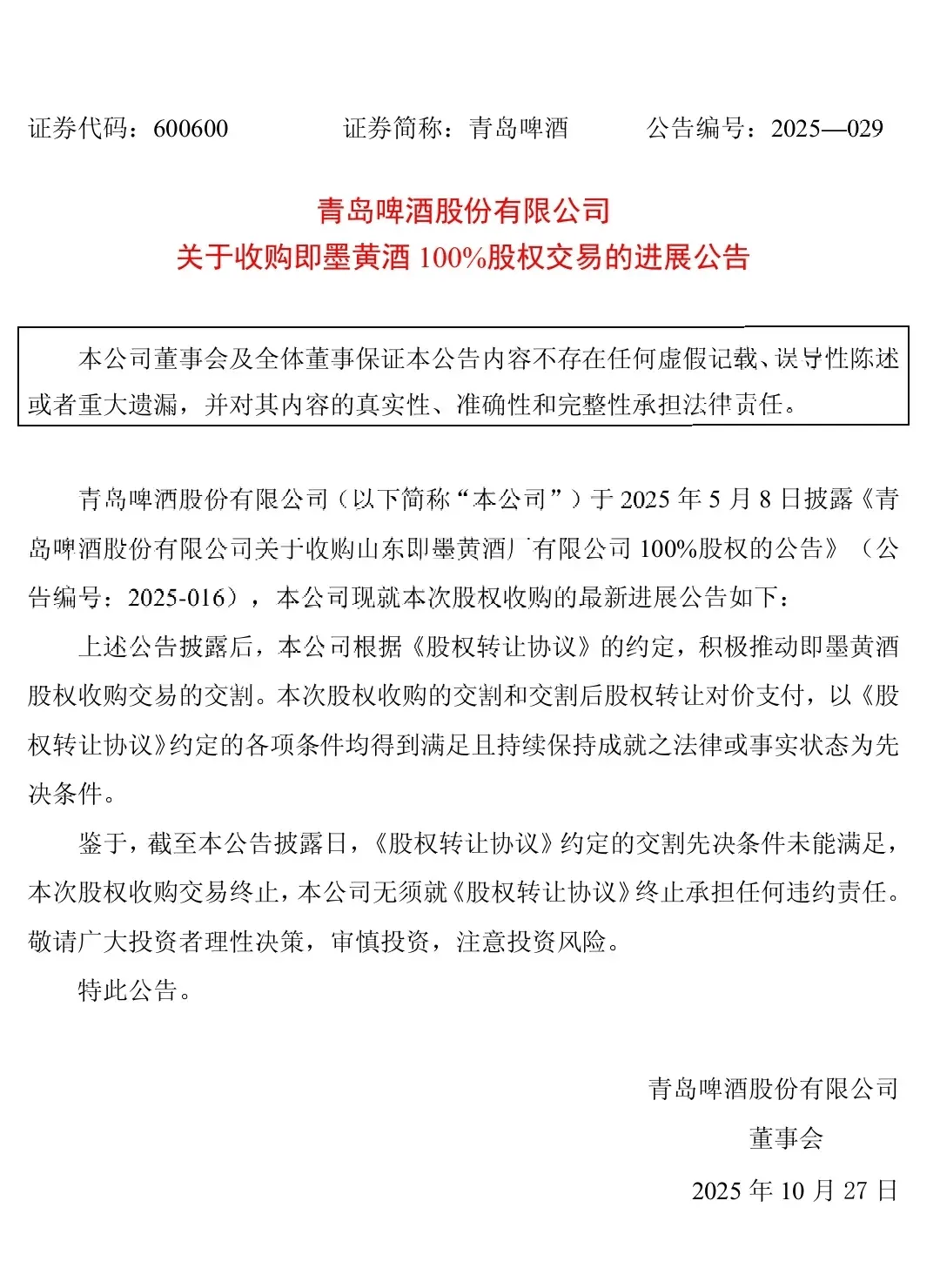
2025,中小酒企“渡劫”之年
Sou Hu Cai Jing· 2026-01-08 09:37
Core Viewpoint - The year 2025 is characterized by significant adjustments in the liquor industry, particularly affecting small and medium-sized enterprises (SMEs), which face survival challenges amid industry-wide turmoil and transformation [1][2]. Industry Overview - The survival crisis for SMEs in the liquor industry has escalated from individual operational difficulties to a collective industry-wide predicament, with a noticeable acceleration in market clearing [2]. - Capital activity in the sector has been marked by frequent mergers and acquisitions, with state-owned enterprises actively consolidating quality regional assets during this downturn [2]. - Conversely, some companies are witnessing capital withdrawal, as evidenced by Qingdao Beer terminating its acquisition of a yellow wine company and a tech firm divesting its stake in a liquor business due to underperformance [2]. Financial Strain - Many SMEs are under increased pressure due to cautious capital, with some previously rumored acquisition deals failing to materialize, indicating hidden risks within these companies [5]. - The industry is experiencing a surge in financial distress, with companies like Guizhou Wuyou Liquor facing significant debt issues, including a total of 62.55 million yuan in execution orders [5][6]. - The overall inventory pressure in the liquor industry remains high, with total inventory exceeding 300 billion yuan and an average turnover period of 900 days, reflecting a 10% year-on-year increase [7]. Market Dynamics - The competitive landscape has shifted, with national brands dominating local markets, leading to diminished sales for regional liquor brands [8]. - SMEs are struggling to maintain their market presence as larger brands penetrate deeper into local markets, eroding the competitive advantages that SMEs once held [8][9]. - The rapid expansion of production capacity during previous market booms has left many SMEs with excess inventory and financial burdens as demand wanes [9]. Strategic Responses - To survive, SMEs are advised to focus on their core markets and avoid blind expansion, emphasizing product quality and differentiation [13][15]. - Some SMEs are adopting strategies to target specific consumer segments and exploring innovative business models, such as integrating tourism with liquor production [13][15]. - The current industry reshuffle is seen as an opportunity for capable SMEs to carve out niches in the market, emphasizing the importance of recognizing their new roles within the industry ecosystem [15].