中小银行风险

Search documents
中小行半年报:有银行房地产不良率超21%
Di Yi Cai Jing· 2025-09-11 12:52
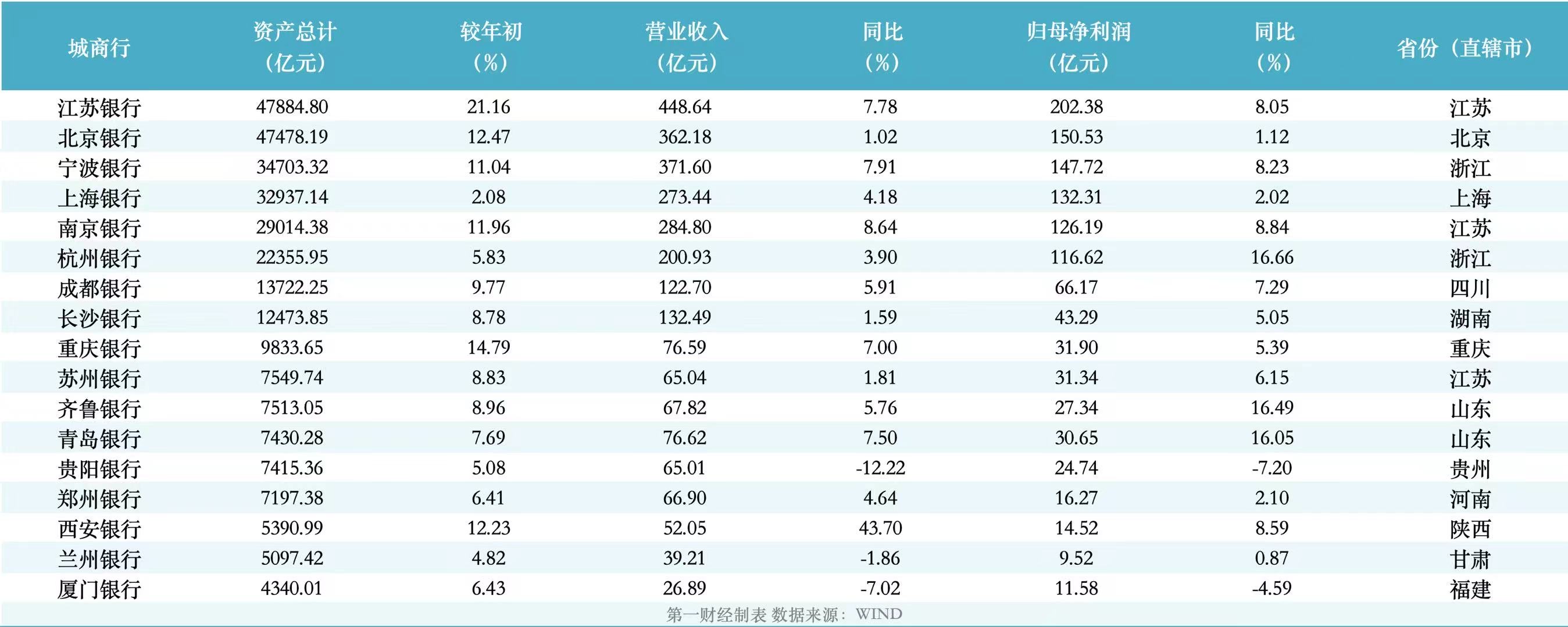
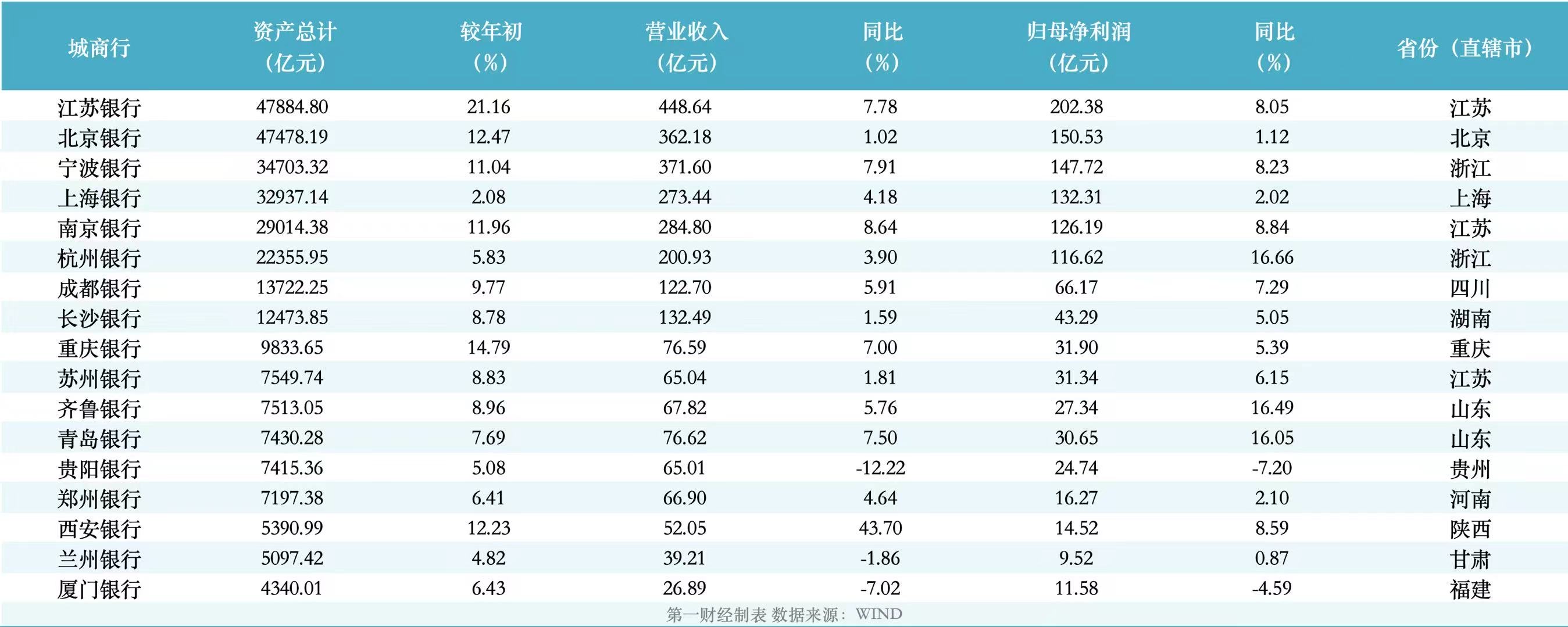
Core Insights - The operating conditions of small and medium-sized banks in China have shown significant differentiation and competition, with new changes emerging in their performance during the first half of the year [2][5]. Group 1: Performance of Listed Banks - As of mid-2023, the total asset scale of 42 A-share listed banks reached approximately 321 trillion yuan, with 27 city commercial banks and rural commercial banks accounting for about 36 trillion yuan, an increase of over 3 trillion yuan compared to the end of last year [3]. - City and rural commercial banks have seen their share of total assets among listed banks rise from less than 11% at the end of last year to approximately 11.21% [4]. - Jiangsu Bank has overtaken Beijing Bank to become the new leader among city commercial banks, with an asset scale of 4.79 trillion yuan, growing at a rate of 21.16%, the highest among all listed banks [5][6]. Group 2: Financial Metrics - Jiangsu Bank reported revenue of 448.64 billion yuan and a net profit of 202.38 billion yuan for the first half of the year, with growth rates of 7.08% and 8.05% respectively, while Beijing Bank's revenue and net profit growth were only 1.02% and 1.12% [5][6]. - The net interest margin (NIM) among listed banks shows significant variation, with the highest being 2.58% for Changshu Bank and the lowest at 1.08% for Xiamen Bank [9][10]. - The overall NIM for commercial banks was reported at 1.42%, with city commercial banks at 1.37% and rural commercial banks at 1.58% [9]. Group 3: Asset Quality and Risks - The non-performing loan (NPL) ratio for city and rural commercial banks remains a critical risk factor, with the highest NPL ratio reported at 1.81% for Lanzhou Bank, and several banks exceeding 1.7% [10][12]. - Qingnong Bank's NPL ratio for real estate loans surged from 7.17% to 21.32%, indicating significant risk exposure in this sector [12][13]. - The report highlights that personal loans and loans to the real estate sector are primary areas of risk exposure for banks [12]. Group 4: Non-Listed Banks - Non-listed small and medium-sized banks have also experienced changes, with some rural commercial banks seeing significant declines in asset scale, such as Ningbo Yinzhou Rural Commercial Bank, which dropped by 15.45% [14]. - The reliance on financial investments has increased among banks, particularly rural commercial banks, with some reporting financial investments constituting over 45% of their total assets [14][15].








中小行半年报:有银行房地产不良率超21%
第一财经· 2025-09-11 12:23
Core Viewpoint - The article discusses the operational performance of small and medium-sized banks in the first half of the year, highlighting the ongoing differentiation and competitive landscape among these banks, as well as some new developments in the sector [3]. Group 1: Performance of Listed Banks - As of mid-2023, the total asset scale of 42 A-share listed banks reached approximately 321 trillion yuan, with 27 city commercial banks and rural commercial banks accounting for about 36 trillion yuan, an increase of over 3 trillion yuan compared to the end of last year [4]. - City and rural commercial banks have seen their share of total assets among listed banks rise from less than 11% at the end of last year to around 11.21% [5]. - Jiangsu Bank has overtaken Beijing Bank to become the new "leader" among city commercial banks, with an asset scale of 4.79 trillion yuan, while Beijing Bank has 4.75 trillion yuan [6][7]. - Jiangsu Bank's revenue and net profit for the first half of the year were 448.64 billion yuan and 202.38 billion yuan, respectively, with growth rates of 7.08% and 8.05%, while Beijing Bank's figures were 362.18 billion yuan and 150.53 billion yuan, with growth rates of 1.02% and 1.12% [6][8]. Group 2: Profitability and Asset Quality - The net interest margin (NIM) among listed city and rural commercial banks varies significantly, with the highest NIM at 2.58% for Changshu Bank and the lowest at 1.08% for Xiamen Bank [12]. - The overall NIM for commercial banks was reported at 1.42%, with city commercial banks at 1.37% and rural commercial banks at 1.58% [12]. - The article notes that the asset quality remains a critical factor affecting the risks of small and medium-sized banks, with several banks reporting high non-performing loan (NPL) ratios, particularly in the real estate sector [14][15]. - Qingnong Bank's real estate loan NPL ratio surged from 7.17% at the end of last year to 21.32%, indicating significant risk exposure in this area [15]. Group 3: Changes in Non-Listed Banks - Non-listed small and medium-sized banks have also experienced notable changes, with some rural commercial banks seeing significant declines in asset scale, such as Ningbo Yinzhou Rural Commercial Bank, which saw a decrease of 15.45% [16]. - The reliance on financial investments has increased among banks, particularly rural commercial banks, with some banks reporting financial investments accounting for over 45% of their total assets [16].


盘点中小行半年报:净息差普遍承压 有银行房地产不良率超21%
Di Yi Cai Jing· 2025-09-11 09:57
Core Viewpoint - The operational performance of most small and medium-sized banks in the first half of the year shows a continued trend of differentiation and competition, with notable changes emerging in the landscape [1] Group 1: Performance of Listed Banks - The total asset scale of 42 A-share listed banks reached approximately 321 trillion yuan, with 27 city commercial banks and rural commercial banks accounting for about 36 trillion yuan, an increase of over 3 trillion yuan compared to the end of last year [2] - City and rural commercial banks have seen their asset share in listed banks rise from less than 11% at the end of last year to approximately 11.21% [3] - Jiangsu Bank has overtaken Beijing Bank to become the new leader among city commercial banks, with an asset scale of 4.79 trillion yuan, reflecting a growth rate of 21.16%, the highest among all listed banks [3][4] - The top six city commercial banks achieving over 10 billion yuan in net profit include Jiangsu Bank, Ningbo Bank, Beijing Bank, Nanjing Bank, Shanghai Bank, and Hangzhou Bank [5] Group 2: Financial Metrics and Risks - The net interest margin (NIM) among listed city and rural commercial banks shows significant differentiation, with a gap of 150 basis points between the highest and lowest [7] - Some banks have reported non-performing loan (NPL) ratios exceeding 21%, particularly in the real estate sector, with individual banks experiencing extreme cases of low NIM and high NPL ratios [1][7] - As of the end of the first half, the NPL ratio for listed banks showed that four city commercial banks and one rural commercial bank had the highest ratios, with Lanzhou Bank at 1.81% [8][10] Group 3: Non-Listed Banks and Overall Trends - Non-listed small and medium-sized banks have also shown varied performance, with some experiencing significant asset declines, such as Ningbo Yinzhou Rural Commercial Bank, which saw a 15.45% drop [12] - The reliance on financial investments has increased among banks, particularly rural commercial banks, with some having over 45% of their assets in financial investments [12] - The overall trend indicates that while many banks maintain positive growth, challenges remain in asset quality and profitability, with only one-fifth of banks achieving an increase in NIM [13]
盘点中小行半年报:净息差普遍承压,有银行房地产不良率超21%
Di Yi Cai Jing· 2025-09-11 09:33
Core Insights - The operational performance of most small and medium-sized banks in the first half of the year shows a continued trend of differentiation and competition among them [1] - The overall asset scale of listed city and rural commercial banks has expanded rapidly, with three new members joining the "500 billion club" [2][5] - The net interest margin (NIM) among listed city and rural commercial banks varies significantly, with some banks experiencing a sharp increase in non-performing loans (NPLs) in the real estate sector [1][7] Group 1: Asset Growth and Rankings - As of mid-2023, the total asset scale of 42 A-share listed banks is approximately 321 trillion yuan, with 27 city and rural commercial banks accounting for about 36 trillion yuan, an increase of over 3 trillion yuan from the end of last year [2] - Jiangsu Bank has overtaken Beijing Bank to become the new leader among city commercial banks, with an asset scale of 4.79 trillion yuan, reflecting a growth rate of 21.16%, the highest among all listed banks [3][4] - The number of city and rural commercial banks with assets exceeding 500 billion yuan has increased by three, including Xi'an Bank, Lanzhou Bank, and Qingnong Bank [5] Group 2: Profitability and Performance Metrics - Jiangsu Bank reported revenue of 44.864 billion yuan and a net profit of 20.238 billion yuan in the first half of the year, while Beijing Bank's figures were 36.218 billion yuan and 15.053 billion yuan, respectively [3] - Six city and rural commercial banks achieved over 10 billion yuan in net profit, with Jiangsu Bank leading at 20.238 billion yuan [5] - The net interest margin for city commercial banks averages 1.37%, while for rural commercial banks it is 1.58%, with significant disparities among individual banks [7] Group 3: Asset Quality and Non-Performing Loans - The highest non-performing loan rate among listed banks is 1.81% for Lanzhou Bank, with several other banks exceeding 1.7% [8][10] - Qingnong Bank's non-performing loan rate in the real estate sector surged from 7.17% to 21.32%, indicating a significant risk exposure [11] - Overall, the asset quality remains a critical factor affecting the risk profile of small and medium-sized banks, with some banks experiencing a rise in overdue loans [12][14]