中德文化交流

Search documents
何马可的欧亚书简|白雪公主vs.牛郎织女:中德童话的不对称传播
Xin Lang Cai Jing· 2026-02-25 05:21
Core Insights - The article discusses the cultural significance and impact of the Brothers Grimm's fairy tales, particularly in the context of their reception and adaptation in China, highlighting the ongoing relevance of these stories in cross-cultural exchanges [2][19][26]. Group 1: Historical Context of the Brothers Grimm - The Brothers Grimm, Jacob and Wilhelm, collected folk tales in the early 19th century, driven by a desire to preserve German cultural heritage [6][7]. - Their work began in Kassel, where they were influenced by the Romantic movement and prominent literary figures like Goethe, who encouraged the collection of German folklore [8][9]. - The tales were initially not bestsellers and underwent numerous revisions before gaining popularity, reflecting a slow but significant cultural achievement in German Romanticism [7][10]. Group 2: The Journey of Fairy Tales to China - The first English translation of the Brothers Grimm's tales by Edgar Taylor in 1823 marked the beginning of their global dissemination, leading to translations into various languages, including Japanese and Chinese [19][21]. - The introduction of these tales to China began in the early 20th century, with significant contributions from translators like Sun Yuxiu, who is regarded as the "father of fairy tales" in China [22][28]. - The tales resonated with Chinese readers due to their themes of good triumphing over evil and moral lessons, aligning with Confucian values [24][26]. Group 3: Cultural Exchange and Modern Relevance - The success of Grimm's fairy tales in China, particularly in Shanghai, has led to a lasting impact on Chinese children's literature, with millions of copies sold [26][29]. - The article emphasizes the need for greater translation efforts of Chinese folk tales into German and other European languages to foster cultural exchange and understanding [37][38]. - The ongoing popularity of these stories in China, as evidenced by recent exhibitions, highlights their role in bridging cultural gaps and shaping the imaginations of children across different cultures [2][38].

德国波恩孔子学院举办2026春节晚会
Ren Min Wang· 2026-02-10 06:16
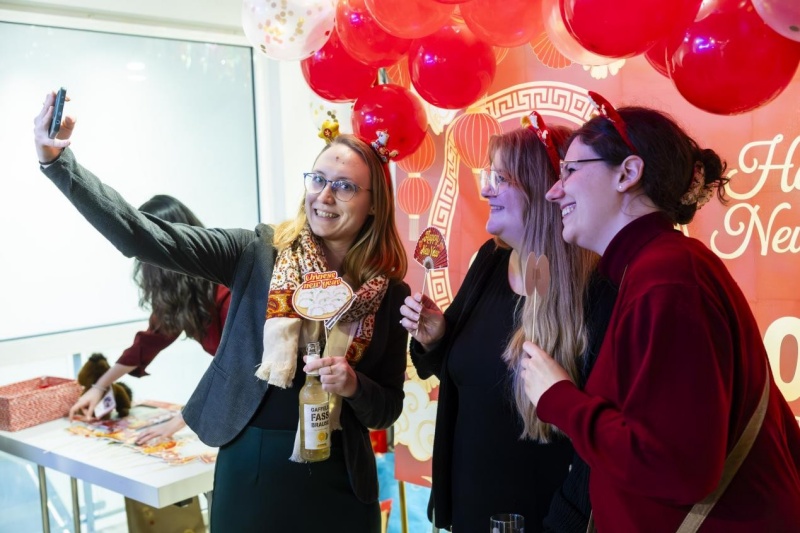
Core Viewpoint - The event organized by the Bonn Confucius Institute celebrated the Chinese Lunar New Year, highlighting the importance of cultural exchange between China and Germany through language education and cultural activities [1][4]. Group 1: Event Overview - The 2026 Lunar New Year celebration attracted nearly 400 guests from various sectors in China and Germany [1]. - The atmosphere was festive, with decorations and performances that showcased both traditional and modern Chinese culture [5]. Group 2: Institutional Significance - The Bonn Confucius Institute serves as a crucial link for Sino-German higher education cooperation and is integral to Bonn University's internationalization strategy [4]. - It is recognized as one of the most active Confucius Institutes in Germany, playing a significant role in Chinese language teaching and cultural activities [4]. Group 3: Contributions to Cultural Exchange - The institute has provided a valuable platform for local residents to understand Chinese language and culture, enhancing Sino-German cultural exchange and educational cooperation [4]. - The performances by the Wuhan University student art troupe added to the festive atmosphere and received enthusiastic applause from the audience, further deepening the friendship between the peoples of China and Germany [5].
中德嘉宾喜迎马年,共庆“欢乐春节”
Xin Lang Cai Jing· 2026-02-06 17:54
Core Viewpoint - The "Happy Spring Festival" celebration in Berlin highlights the cultural exchange between China and Germany, emphasizing the importance of understanding and appreciating Chinese traditions in a multicultural context [1][2]. Group 1: Event Overview - The "Happy Spring Festival" celebration took place on February 5 in Berlin, organized by the Berlin Chinese Cultural Center in collaboration with the Berlin government and Hubei Provincial Department of Culture and Tourism [1]. - Over 300 guests from various sectors, including politics, economy, and culture, attended the event, marking the twelfth occurrence of this cultural brand in Berlin [1]. Group 2: Cultural Significance - The event has become a significant cultural brand for the Berlin government and the Berlin Chinese Cultural Center, contributing to the multicultural life of the city [1]. - The Vice Secretary of the Berlin government highlighted the importance of celebrating the Chinese New Year in Berlin, which strengthens the friendship between Beijing and Berlin [1]. Group 3: Artistic Presentation - Artists from Hubei Province showcased traditional Chinese culture through various art forms, including opera, folk songs, dance, and martial arts, allowing German audiences to experience the unique charm of Chinese culture [2]. - The performance concluded with a lively song and dance titled "Happy Chinese New Year," elevating the atmosphere of the event [3].
“中国味道”中德美食节在柏林举行
Xin Lang Cai Jing· 2026-01-17 03:18
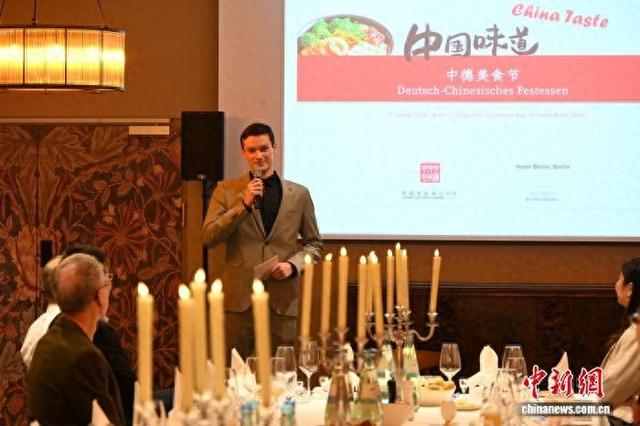
Core Viewpoint - The "Taste of China" Sino-German Food Festival was held in Berlin, showcasing the cultural exchange between China and Germany through culinary arts [1][3]. Group 1: Event Overview - The event was organized by the Berlin Chinese Cultural Center in collaboration with Hotel Berlin, Berlin, and attended by guests from various sectors including politics, economics, culture, and media [1]. - Attendees watched a themed video titled "Canal Flavors of Thousands of Families," highlighting Chinese culinary wisdom and cultural heritage [3]. Group 2: Cultural Significance - Chinese Ambassador to Germany, Zeng Fanhua, emphasized that food carries deep cultural memories and values, serving as a direct and intimate means of communication between different civilizations [3]. - The festival is seen as a new exploration of cultural exchange, with chefs from both countries showcasing their culinary skills and sharing insights on their dishes [5]. Group 3: Culinary Exchange - The event featured a culinary demonstration by Chef Long Wei from the Berlin Chinese Cultural Center and Executive Chef Mario Herrl from Hotel Berlin, Berlin, highlighting the unique charm of Sino-German culinary culture [5]. - The chefs discussed their cooking inspirations, ingredient choices, and the cultural significance of their dishes, fostering a friendly atmosphere for guests to enjoy the culinary offerings [5].
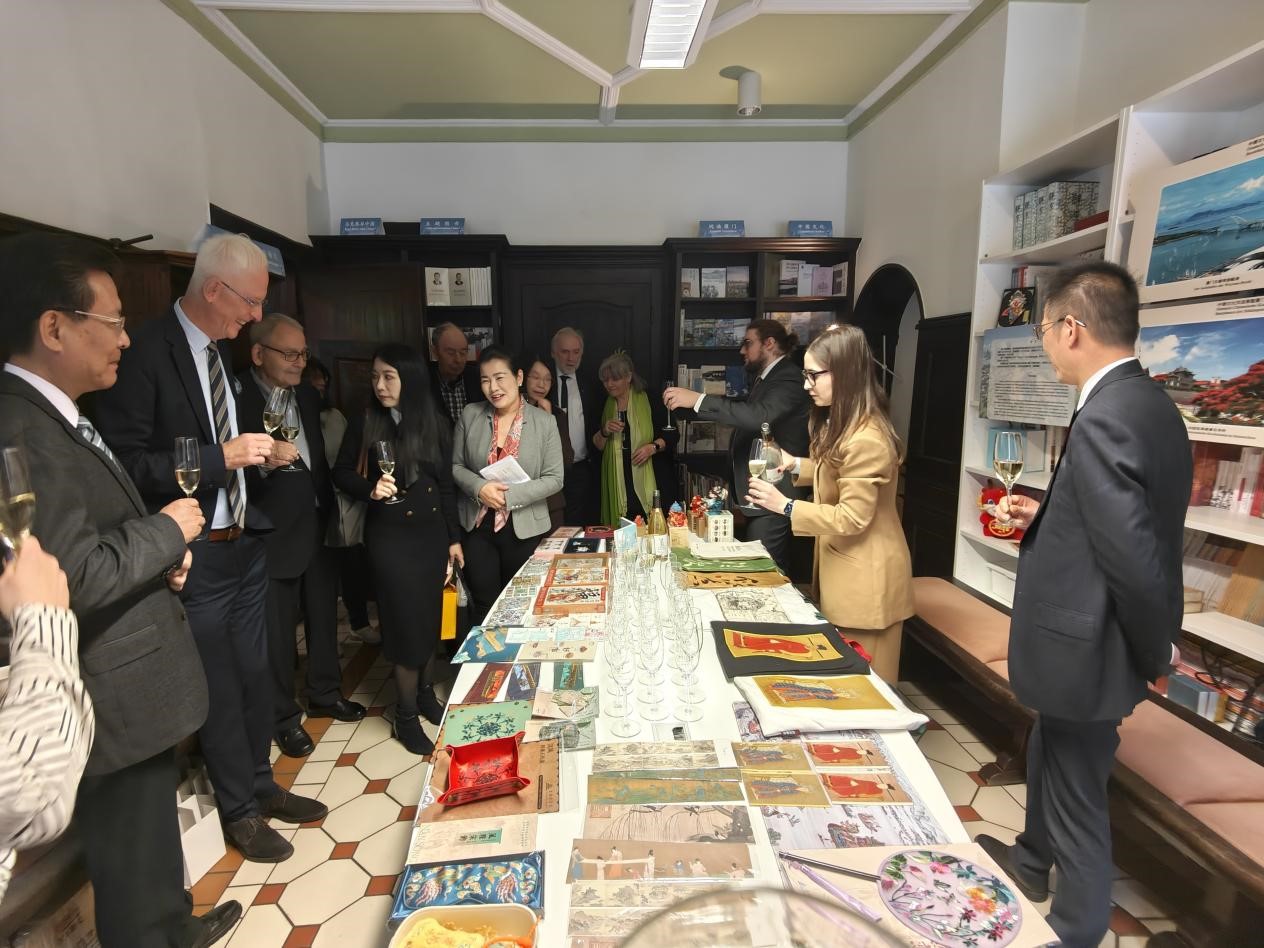
中德文化交流展走进德国特里尔
人民网-国际频道 原创稿· 2025-11-21 03:01
Group 1 - The China-Germany Cultural Exchange Exhibition and the 15th Anniversary of the Friendship between Xiamen and Trier opened in Trier, Germany, highlighting the importance of cultural exchange and cooperation between the two cities [1][3] - Xiamen's Deputy Director of the Standing Committee of the Municipal People's Congress, Li Weihua, emphasized that the exhibition serves as a platform for enhancing mutual understanding and trust between the two regions [1] - Trier's Mayor, Wolfram Leibe, expressed appreciation for the friendship with Xiamen, noting reliable cooperation over the past 15 years and the desire to continue strengthening this relationship [1] Group 2 - The exhibition featured over 300 diverse Chinese cultural products, including books, creative cultural items, and photographs, showcasing various aspects of Chinese culture [3] - A significant portion of the displayed books, over 70%, were in German, English, and bilingual formats, focusing on themes such as Chinese development and traditional culture [3] - The event was organized by the Xiamen Municipal Foreign Affairs Office and the Trier City News and Communication Bureau, with support from various local organizations, and will run until November 24 [3]
第十三届慕尼黑华语电影节开幕
Xin Hua Wang· 2025-11-07 03:21
Core Viewpoint - The 13th Munich Chinese Film Festival, organized by the Confucius Institute in Munich, aims to promote cultural exchange between China and Germany through film, showcasing a variety of Chinese cinematic works from November 6 to November 20, including 16 films across different genres [1]. Group 1: Event Overview - The festival features a diverse lineup of 16 outstanding Chinese films, including feature films, documentaries, and short films [1]. - The opening film is the classic "Spring in a Small Town," directed by Fei Mu in 1948 [1]. - The festival is a non-competitive event focused on the overseas dissemination of Chinese culture and contemporary film art [1]. Group 2: Cultural Significance - The festival serves as an important platform for cultural exchange and mutual understanding between China and Germany, as highlighted by the remarks of Gao Fangfang, the German director of the Confucius Institute [1]. - The Munich City Library representative emphasized the festival's role as a significant part of the library's cultural activities, showcasing the richness of Chinese social life and culture [1]. Group 3: Interactive Activities - In addition to film screenings, the festival will include interactive activities such as karaoke and tea art experiences, providing an immersive cultural experience for the audience [1].
写下我看到的中国(大地风华)
Ren Min Ri Bao· 2025-10-02 22:13
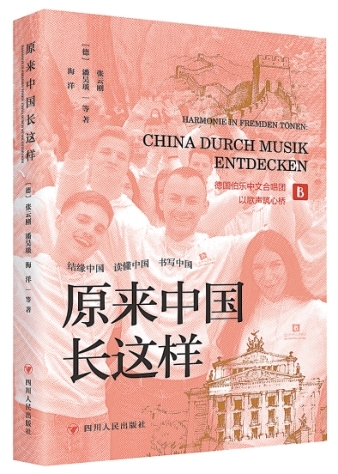
Core Perspective - The publication "This is What China Looks Like" showcases the experiences of members of the German Bole Chinese Choir, highlighting their journey of learning Chinese and understanding Chinese culture through personal stories and reflections [2][3][4]. Group 1: Cultural Exchange and Learning - The choir was established to encourage children to learn Chinese through singing, marking a significant cultural exchange initiative [2]. - Members share their experiences of overcoming language barriers and cultural differences, emphasizing the importance of genuine understanding and integration into Chinese society [4]. - The book captures the vibrant interactions of the choir members with local communities, showcasing their enthusiasm and the challenges they faced while adapting to life in China [3]. Group 2: Personal Experiences and Insights - Individual stories include experiences from studying at prestigious universities, such as Tsinghua University and Sichuan University, and engaging with local cultures [3]. - The narratives reflect on various aspects of Chinese life, including travel experiences, local customs, and the impact of modern technology like electronic payments [3]. - The collective experiences of the choir members serve as a lens to understand contemporary China, bridging historical and modern perspectives [4].
“从黄浦江到易北河:中德艺术家的交响”展览亮相汉堡
人民网-国际频道 原创稿· 2025-09-24 03:32
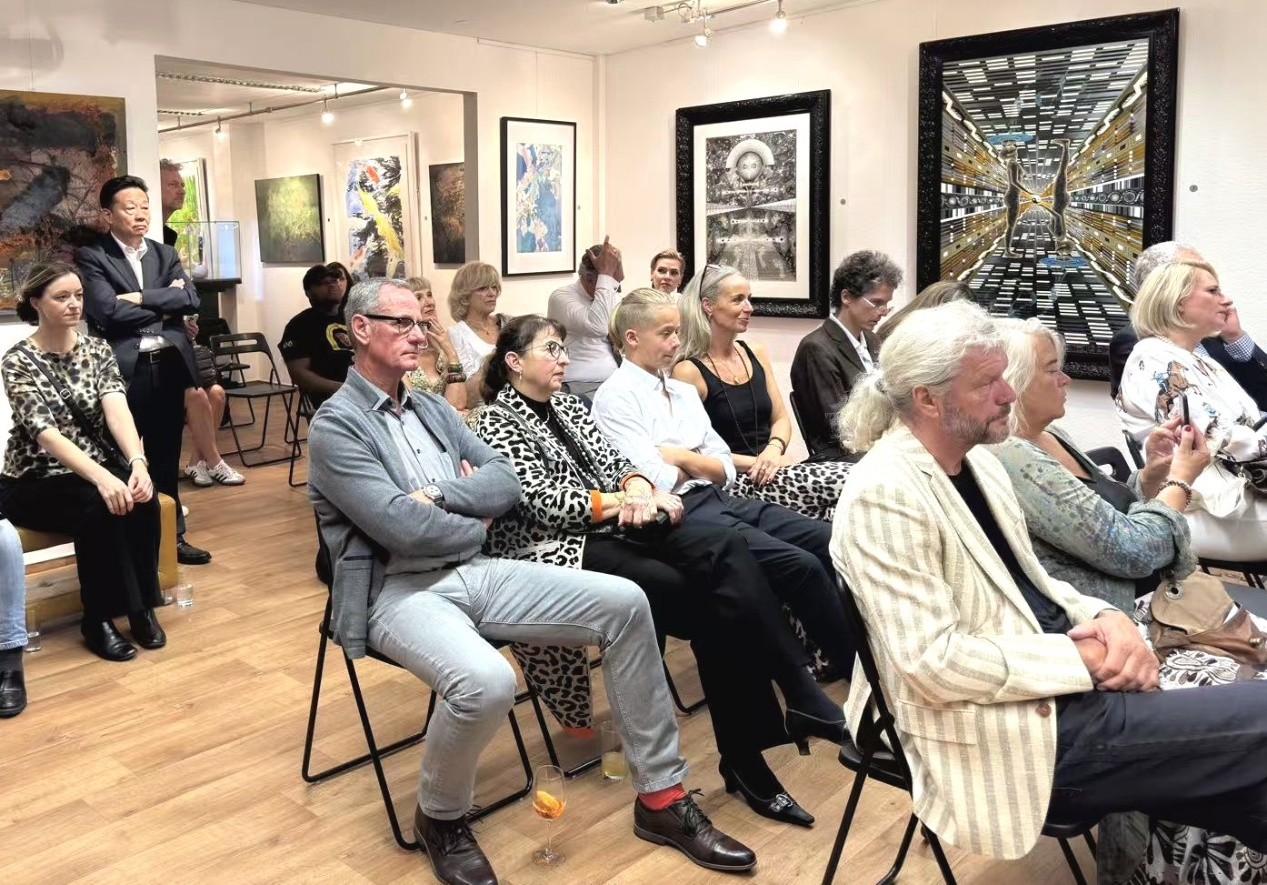
Core Viewpoint - The exhibition "From Huangpu River to Elbe River - A Symphony of Chinese and German Artists" opened in Hamburg, showcasing the unique charm of Chinese and German art and promoting cultural cooperation between the two countries [1][3]. Group 1: Exhibition Details - The exhibition features works from over 300 guests and includes representative pieces from artists such as Li Lei, Lu Lan, Jiang Haicang, and others [1]. - The exhibition is open to the public from September 22 to October 4 [1]. Group 2: Cultural Significance - The exhibition serves to deepen cultural cooperation between Shanghai and Hamburg, which have been sister cities since 1986, marking their 40th anniversary in 2026 [1][3]. - The event emphasizes that art is a vital path for understanding and dialogue between peoples, as stated by Hamburg's international cooperation department representative [3]. Group 3: Artist Perspectives - Participating artist Li Lei expressed the importance of using art to convey cultural resonance between the two countries, blending Chinese ink painting with German artistic rationality [3]. - Nova Nuri, founder of the Hamburg Pasmin Art Alliance, highlighted the dialogue between artists and the cultural resonance reflected in each artwork, aiming to introduce European art to China and vice versa [3].
“中国明代金器特展”在德国哥达公爵博物馆开幕
Zhong Guo Xin Wen Wang· 2025-06-22 11:21
Core Viewpoint - The "Chinese Ming Dynasty Gold Artifacts Exhibition" opened at the Duke of Gotha Museum in Germany, celebrating the 50th anniversary of diplomatic relations between China and Europe, as well as the 1250th anniversary of the city of Gotha [1][2] Group 1: Exhibition Details - The exhibition features 79 selected pieces from the Ming Dynasty, showcasing the historical, artistic, and cultural significance of high-grade gold artifacts [1] - The exhibition serves as a platform for dialogue between Eastern and Western art, aligning with the museum's long-standing collection philosophy [1][2] Group 2: Cultural Exchange and Cooperation - The exhibition is seen as an opportunity to deepen the friendly relations between Thuringia and Shaanxi Province, with hopes for future economic cooperation [1] - The Chinese Embassy in Germany emphasized the exhibition's role in enhancing cultural exchange and invited German citizens to visit China [1] - The curator from the Xi'an Qujiang Art Museum expressed the importance of mutual cultural exchange and looks forward to showcasing Gotha treasures in Xi'an next year [2] Group 3: Institutional Background - The Duke of Gotha Museum, established between 1864 and 1879, is the largest museum in the Gotha region and a significant cultural institution in Germany and Europe [2] - The city of Gotha is historically rich and located in the central region of Germany, known as the "Land of Castles" [2] - The friendly province-state relationship between Shaanxi Province and Thuringia has been in place since 1997 [2]
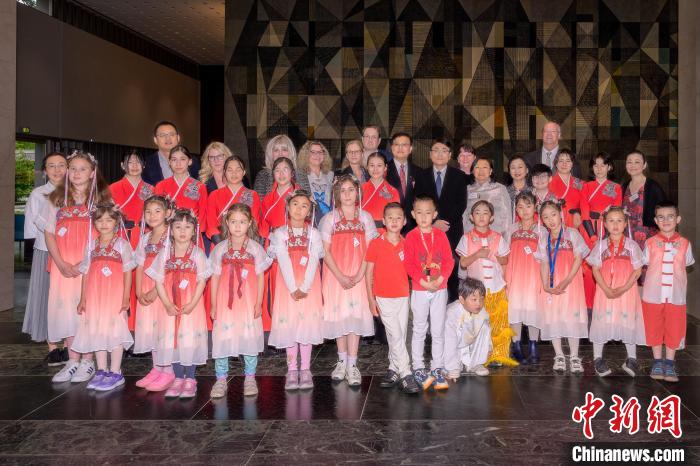
德国纽伦堡中文学校庆祝建校30周年
Zhong Guo Xin Wen Wang· 2025-05-27 06:47
Core Viewpoint - The Nuremberg Chinese School celebrated its 30th anniversary, highlighting its contributions to promoting Chinese culture and enhancing Sino-German relations through education [1][2][5]. Group 1: School Achievements - Over the past 30 years, the Nuremberg Chinese School has developed into a well-structured educational institution with systematic courses, professional teachers, and a stable student base [2]. - The school currently has 14 classes with a total of 230 students, making it one of the largest Chinese language schools in Germany [7]. Group 2: Community and Cultural Impact - The school has played a significant role in promoting Chinese language education and cultural exchange in the Nuremberg region, supporting the development of the local Chinese community and enhancing mutual understanding among residents [5]. - Local officials, including the Nuremberg city councilor and the Bavarian state governor, acknowledged the school's contributions to cultural exchange and education, emphasizing its importance in fostering a vibrant relationship between Nuremberg and its sister city, Shenzhen [5]. Group 3: Future Plans - The school aims to continue deepening educational reforms, enriching course content, and strengthening cultural exchanges between China and Germany to create a more dynamic and engaging learning environment for students [2].