主题性机会

Search documents
中加基金固收周报︱贸易战烈度增加,市场在缩量中趋向防守
Xin Lang Ji Jin· 2025-10-24 07:52
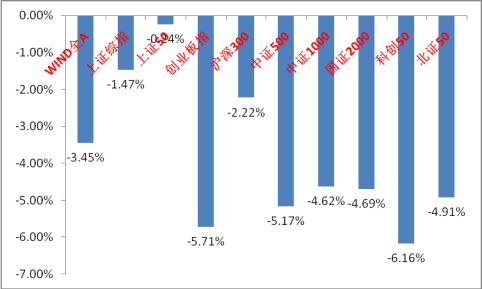
Market Overview - The A-share market experienced a decline across major indices last week, with trading volume continuing to decrease amid divergent market performance [1] - Among the 31 Shenwan first-level industries, banking, coal, and food and beverage sectors performed relatively well [1] Macro Data Analysis - In September, the new social financing scale was 35,338 billion yuan, with new RMB loans amounting to 12,900 billion yuan; the year-on-year growth rate of social financing stock was 8.7%, slightly down from 8.8% [5] - M1 new caliber stock year-on-year growth rate was 7.2%, up from 6.0% last month; M2 stock year-on-year growth rate was 8.4%, down from 8.8% [5] - The main contributors to new social financing were short-term loans to enterprises (increased by 0.25 trillion yuan year-on-year), corporate bonds (increased by 0.20 trillion yuan), and off-balance-sheet notes (increased by 0.19 trillion yuan) [5] - The consumer price index (CPI) in September was -0.3%, a slight improvement from -0.4% the previous month; the producer price index (PPI) decreased by 2.3% year-on-year, with a narrowing decline [6] Stock Market Strategy Outlook - The market experienced wide fluctuations last week, with trading volume and margin financing continuing to decline, dropping below 2 trillion yuan [8] - The upcoming period until early November is expected to be filled with macro events, leading to a prevailing cautious sentiment in the market [8] - The technology sector's long-term logic remains intact, and its high valuations have seen some digestion during recent adjustments [8] - Defensive dividend sectors may see an increase in allocation in the short term, while attention should be paid to stocks with catalysts in the dividend sector [8] - The long-term outlook indicates that the ongoing U.S.-China struggle has set a baseline, with international capital markets beginning to question U.S. governance and institutional credibility [8] - The current liquidity environment remains supportive, with a potential influx of funds into the equity market as the wealth effect increases among residents [8]