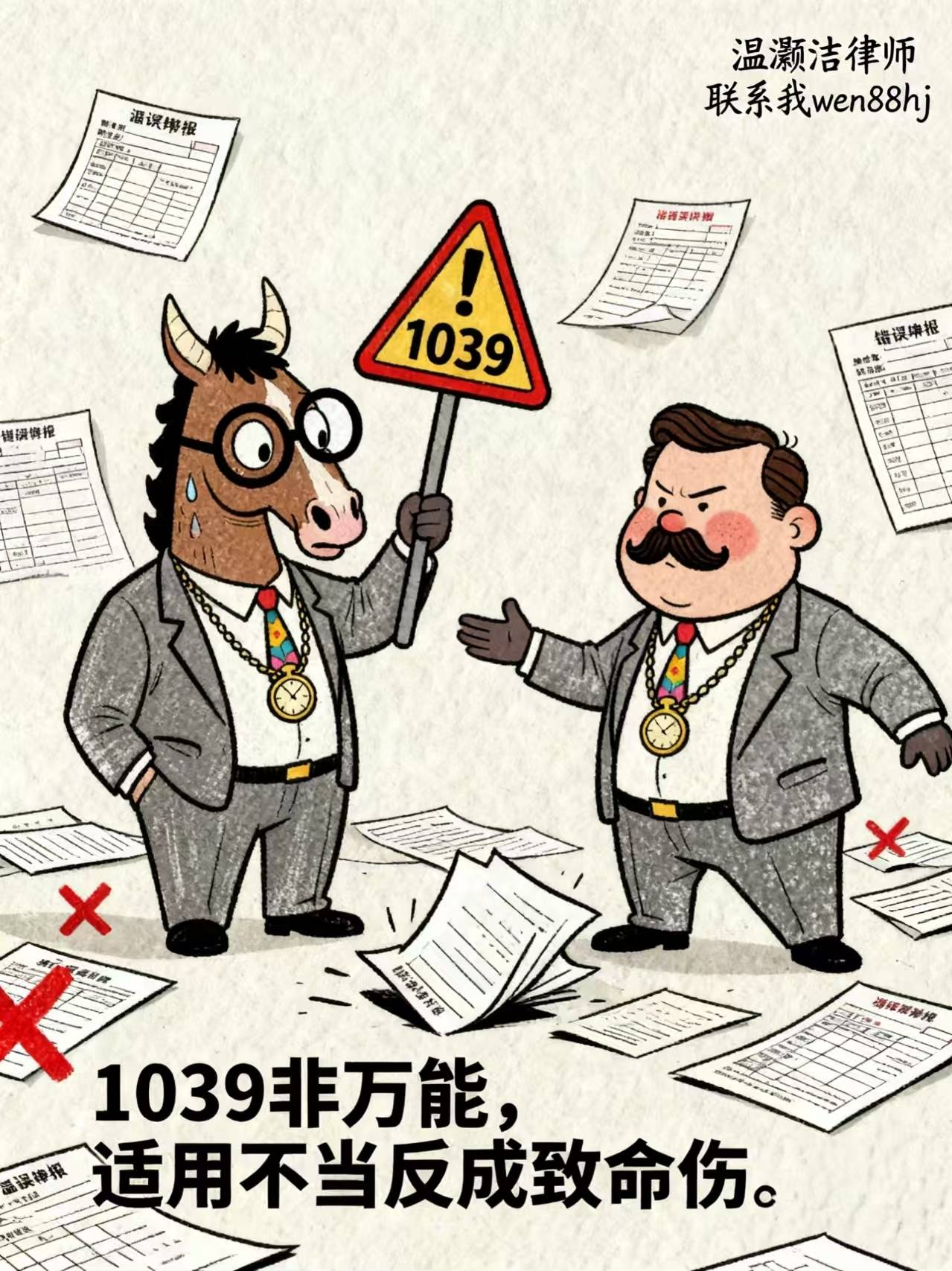
买单出口

Search documents
买来的出口数据:耗费地方财政,对经济无实质带动
第一财经· 2025-12-29 10:25
Core Viewpoint - The article highlights the emergence of fraudulent "buying export" schemes in China's foreign trade sector, where companies create shell entities to manipulate export data and obtain government subsidies, revealing a gray area in export data statistics [3][4][8]. Group 1: Overview of "Buying Export" Schemes - Numerous cases of "buying export" fraud have surfaced across various regions, where foreign trade companies set up shell companies to purchase export data from customs brokers, leading to inflated export figures and substantial government subsidies [3][4][6]. - In one case, individuals in an inland province were prosecuted for establishing over 90 shell companies to fraudulently claim more than 200 million RMB in government export subsidies [5][7]. - The process involves shell companies using the names of legitimate exporters to report exports, generating false data in the customs system, which is then used to claim government rewards [6][8]. Group 2: Government Involvement and Policy Implications - Local governments have been found to support or even lead these fraudulent activities, driven by a desire to boost local export figures and economic performance [7][8][9]. - The rewards for these fraudulent exports are based on a system where local governments provide subsidies for reported export values, creating a financial incentive for companies to engage in such practices [8][10]. - Evidence suggests that local business departments are aware of these practices and may even encourage them to meet performance targets [9][10]. Group 3: Legal and Regulatory Responses - Recent regulations from various government departments aim to curb these fraudulent practices by enforcing stricter compliance and accountability measures for export data reporting [18][19]. - New tax regulations will hold companies accountable for accurate reporting of export data, significantly reducing the profit margins for those engaged in "buying export" schemes [19][20]. - Legal interpretations of these cases vary, with some courts viewing the actions as fraud while others classify them under different offenses, indicating inconsistencies in enforcement [14][15]. Group 4: Economic Impact and Future Considerations - The financial burden of these fraudulent schemes on local governments is substantial, as they lead to inflated export figures without real economic activity, undermining the integrity of trade statistics [8][10]. - Experts argue that the focus on achieving export growth through subsidies distorts market dynamics and may not contribute to sustainable economic development [20]. - There is a call for a reevaluation of export reward policies to ensure they align with genuine market conditions and do not promote artificial growth [20].

买来的出口数据:耗费地方财政,对经济无实质带动
Di Yi Cai Jing· 2025-12-29 05:26
Core Viewpoint - The article highlights the emergence of fraudulent practices in foreign trade export data statistics, particularly the "buying export" scheme, where companies create shell firms to manipulate export data for government subsidies, with local government departments often complicit in these actions [1][2][3]. Group 1: Fraudulent Practices - Numerous cases have revealed that local business departments not only tolerate but also lead such fraudulent activities [1]. - In a recent case, foreign trade practitioners were prosecuted for establishing shell companies to purchase export data from other provinces, resulting in over 100 million yuan in fraudulent government export rewards [2]. - The "buying export" scheme has been ongoing for years, with some localities previously investigating similar cases, yet others do not intervene [3]. Group 2: Government Involvement - Local governments have implemented policies to reward export activities, which have been exploited by individuals who set up numerous shell companies to claim these rewards [4]. - The defendants in these cases often claim that their actions were in cooperation with government objectives, suggesting a tacit approval from local authorities [4][8]. - Evidence indicates that local business departments were aware of the "buying export" practices and may have even encouraged them to meet performance metrics [7][12]. Group 3: Economic Impact - The issuance of subsidies for "buying export" not only strains local finances but also distorts export data, failing to contribute to actual economic growth [5][6]. - The fraudulent activities create a facade of export growth without any real economic activity, undermining the integrity of trade statistics [6]. Group 4: Legal and Regulatory Responses - Recent regulations from national authorities aim to curb the "buying export" practices by enforcing stricter compliance and accountability measures for export data [14][15]. - Legal interpretations of similar cases have varied, with some courts not recognizing the actions as fraud due to perceived government endorsement [13]. - Experts suggest that a more robust legal framework and better information sharing among departments are necessary to combat these fraudulent practices effectively [16].
“亿元骗补案”背后的出口数据灰色地带
第一财经· 2025-11-27 13:39
Core Viewpoint - The article highlights a significant fraud case involving over 100 million yuan in government export subsidies, revealing systemic issues in the "buying export data" practice that has persisted across various regions in China [3][6][7]. Group 1: Fraud Case Overview - In January 2024, multiple foreign trade practitioners in Wuhan were prosecuted for establishing shell companies to purchase export data from other provinces, thereby defrauding local governments of substantial export rewards [3][4]. - The case involves nine defendants, with the lead defendant, identified as Shi, having extensive experience in cross-border logistics and connections to several logistics and e-commerce companies [5][6]. - The defendants allegedly defrauded local governments of approximately 105 million yuan in export rewards, with the total export value corresponding to hundreds of billions of yuan [7][8]. Group 2: Mechanism of Fraud - The defendants registered over 90 shell companies in various cities, applying for export qualifications without actual business operations, and used these companies to generate false export data through customs [6][9]. - They paid intermediaries for "export buying" services and submitted applications to local business departments to receive subsidies based on inflated export values [6][7]. - The fraudulent activities were facilitated by local government policies that incentivized export growth, with evidence suggesting that some local business departments were aware of these practices [10][11]. Group 3: Government Involvement and Policy Issues - Local government officials reportedly had knowledge of the "buying export data" scheme, with some providing implicit or explicit support to the defendants [11][12]. - The article discusses the disparity in how different regions handle export subsidy policies, with some areas allowing for "automatic" subsidy disbursement based solely on customs data without requiring proof of actual business operations [17]. - There are indications that the practice of "buying export data" has been ongoing for years, with previous cases highlighting similar fraudulent activities and varying legal outcomes across different jurisdictions [16][18]. Group 4: Legal and Regulatory Implications - The article notes that while some defendants have been charged with fraud, others have faced different charges, indicating inconsistencies in legal interpretations of such practices [19][20]. - Legal experts suggest that the lack of transparency in government subsidy policies and the reliance on customs data without thorough verification contribute to the perpetuation of these fraudulent schemes [19][20].

“亿元骗补案”背后的出口数据灰色地带
Di Yi Cai Jing· 2025-11-27 12:08
Core Viewpoint - The article highlights the issue of "buying export" practices in China, where companies exploit government subsidy policies by creating shell companies to falsely report export data, leading to significant financial fraud involving over 1 billion yuan in subsidies [1][4][5]. Group 1: Case Overview - A major fraud case in Wuhan involved multiple defendants who established shell companies to purchase export data from legitimate businesses, resulting in the fraudulent acquisition of government export subsidies [1][3]. - The case, which began in January 2024, has revealed that similar fraudulent activities have been occurring across various regions in China for years, with local governments often turning a blind eye [1][4][5]. Group 2: Mechanism of Fraud - The defendants registered over 90 shell companies in various cities, using these entities to apply for export qualifications and generate false export data through customs [4][5]. - The fraudulent scheme involved paying intermediaries for "export buying" and subsequently applying for government subsidies based on inflated export values, with the defendants quickly dissolving the companies to evade tax scrutiny [5][6]. Group 3: Government Involvement - Evidence suggests that local government officials were aware of the "buying export" practices, with some even encouraging such activities to meet export performance targets [9][10]. - The article indicates that the issuance of export subsidies was often based solely on customs data, with little to no verification of the actual business operations of the companies involved [14]. Group 4: Legal and Regulatory Context - The article discusses the varying interpretations and enforcement of laws regarding "buying export" practices across different regions, leading to inconsistent legal outcomes for similar cases [13][15]. - Some defendants in past cases have faced different charges, such as providing false documentation, rather than fraud, highlighting the complexities in legal interpretations of these practices [16].
你的外贸利润,可能正被这9个税务陷阱吞噬
Sou Hu Cai Jing· 2025-11-23 10:06
Core Viewpoint - The article emphasizes the importance of compliance in cross-border e-commerce, highlighting that various practices, such as misreporting and improper tax handling, can lead to significant legal and financial repercussions for businesses [2][5][11]. Group 1: Compliance and Taxation - The 1039 regulation is not a tax haven but a strict channel for approved small-scale exports, and misusing it for tax evasion is illegal [2]. - "Buying orders" to export goods can sever the tax compliance chain, leading to risks such as inability to claim legitimate export tax refunds and potential tax liabilities [5]. - Compliance extends beyond customs declarations; the method of fund repatriation can determine the legality of transactions, with risks of tax evasion and money laundering if done improperly [9]. Group 2: Export Tax Refunds - Export tax refunds are both a right and a responsibility; any false declarations can constitute tax fraud [11]. - Misunderstanding the "deemed domestic sales" concept can lead to tax liabilities, as not all exports are automatically exempt from tax [14]. - Incorrect classification of goods for tax purposes can result in severe penalties, including tax recovery and potential smuggling charges [19]. Group 3: Policy and Compliance Dynamics - The cross-border e-commerce comprehensive pilot zone policies provide benefits but come with strict applicability requirements; exceeding these can lead to loss of benefits and tax liabilities [22]. - Compliance is a dynamic process that must evolve with changing policies; reliance on outdated practices can lead to violations [27].