外贸出口

Search documents
特朗普凌晨突袭!关税一夜暴涨,猛增至15%,贸易战又来了?
Sou Hu Cai Jing· 2026-02-27 04:51
Group 1 - Trump's announcement to raise global tariffs from 10% to 15% indicates a significant shift in his approach, reflecting an unprecedented urgency in his policy stance [1][3] - The increase in tariffs is politically motivated, aimed at reinforcing Trump's image as a strong leader and appealing to his core supporters ahead of the upcoming elections [3][4] - The 5% increase in tariffs could lead to substantial disruptions in various industries, particularly affecting low-margin sectors that may struggle to absorb the cost increase [4][6] Group 2 - The essence of tariffs is to impose taxes on imported goods, which will likely result in higher prices for American consumers and businesses, adding pressure on the Federal Reserve's efforts to combat inflation [6][10] - The potential for retaliatory measures from other countries, including traditional allies, suggests a looming escalation in trade tensions that could undermine the post-World War II international trade framework [6][10] - The anticipated actions from Trump may lead to increased volatility in global stock markets, particularly for companies closely tied to international trade, and could result in a downward adjustment of global economic growth expectations [10]

于烟火中现活力 在开放中向未来
Xin Lang Cai Jing· 2026-01-18 17:24
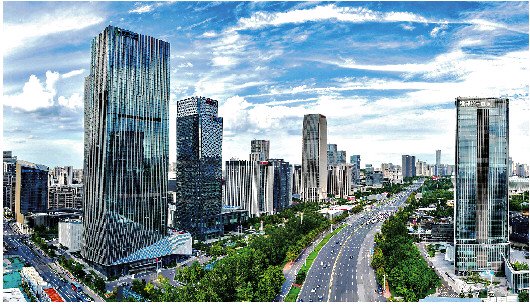
Core Insights - Jinan's consumption market is thriving, with a significant increase in import and export value, reaching 258.1 billion yuan in January-November 2025, a year-on-year growth of 24.9%, leading both the province and other sub-provincial cities [2][10] - The city has implemented a dual approach of "policy + activities" to stimulate consumption, issuing nearly 6 billion yuan in consumer vouchers and subsidies over five years, directly boosting consumption by over 50 billion yuan [3][4] - Jinan's retail sales of consumer goods are expected to exceed 550 billion yuan in 2025, marking a significant increase compared to the end of the 13th Five-Year Plan [4] Consumption Potential - The expansion of the "old for new" subsidy program from 8 to 12 categories has significantly boosted consumer spending [2] - The "泉城购" consumption brand has been innovatively developed, with over 3,000 promotional events held in the past five years [3] - New retail landmarks and commercial complexes have emerged, enhancing the shopping experience and diversifying consumer choices [5] Trade and Logistics - Jinan has built a modern commercial circulation system, establishing 21 county-level logistics distribution centers and 56 township commercial service centers, ensuring comprehensive coverage [6] - The city has been recognized as a national pilot for modern commercial circulation systems and has developed a robust recycling network [6] E-commerce and Exhibition - Jinan has established a thriving e-commerce ecosystem, with approximately 24,000 e-commerce companies and over 250,000 online stores, maintaining double-digit growth in online retail for three consecutive years [8] - The city has hosted over 600 exhibitions in five years, enhancing its reputation as a competitive exhibition city [8] Foreign Trade Growth - Jinan's foreign trade has shown resilience, with a projected total import and export value exceeding 280 billion yuan for the year, doubling from the end of the 13th Five-Year Plan [10] - The city has developed a comprehensive support system for foreign trade, including a directory of quality foreign trade service companies and the establishment of overseas warehouses [9][10] Future Outlook - The Jinan Municipal Bureau of Commerce aims to enhance domestic and international circulation, focusing on consumption, trade innovation, and high-quality development in the upcoming 15th Five-Year Plan [11]
以实际行动推动高质量发展取得新成效——中央经济工作会议激励广大干部群众踔厉奋发开新局
Shang Hai Zheng Quan Bao· 2025-12-14 19:43
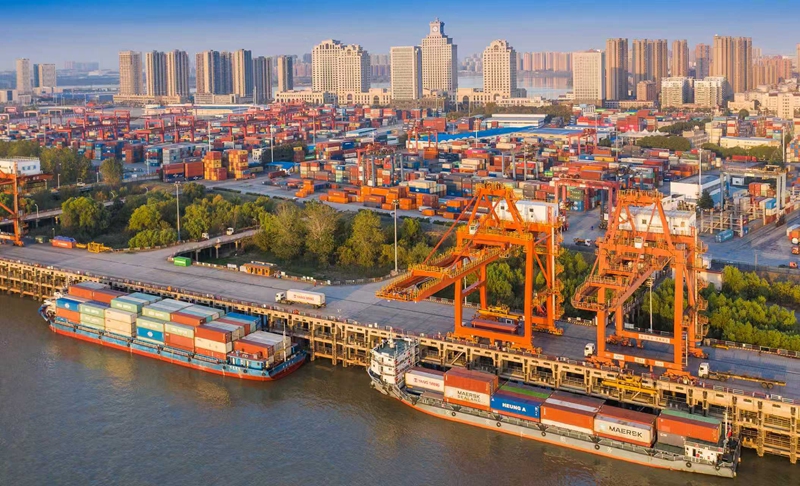
Group 1: Economic Development Initiatives - The Central Economic Work Conference emphasized the importance of high-quality development and the need for various sectors to convert advantages into practical outcomes for economic stability and growth [1][3] - The conference highlighted the necessity of enhancing the county economy's quality, with specific focus on extending industrial chains and increasing added value in local specialties like lemons in An'yue County, which accounts for 70% of China's lemon planting area [3][4] - The construction of the Pinglu Canal, a significant infrastructure project, is set to enhance multi-modal transport systems and support high-level foreign trade [2] Group 2: Employment and Education - The conference outlined measures to stabilize employment for key groups such as college graduates and migrant workers, emphasizing the need for educational resource adjustments to increase high school and university enrollment [6][7] - Initiatives are being taken to align educational institutions with market demands, including partnerships with leading companies like Huawei and BYD to create practical training centers [7] Group 3: Innovation and Technology - The conference called for the establishment of international technology innovation centers in major urban areas, aiming to enhance regional collaboration and innovation [5] - Companies are encouraged to adopt low-carbon technologies and optimize energy consumption, as seen in the case of Jin Control Power's efforts to reduce coal consumption through technological upgrades [5] Group 4: Trade and Investment - The Hainan Free Trade Port is set to officially commence operations, with plans to optimize foreign investment regulations and participate in international trade standards [6] - The conference stressed the importance of supporting major economic provinces to lead national economic growth, with a focus on technological innovation and regional development [6]
“亿元骗补案”背后的出口数据灰色地带
Di Yi Cai Jing· 2025-11-27 12:08
Core Viewpoint - The article highlights the issue of "buying export" practices in China, where companies exploit government subsidy policies by creating shell companies to falsely report export data, leading to significant financial fraud involving over 1 billion yuan in subsidies [1][4][5]. Group 1: Case Overview - A major fraud case in Wuhan involved multiple defendants who established shell companies to purchase export data from legitimate businesses, resulting in the fraudulent acquisition of government export subsidies [1][3]. - The case, which began in January 2024, has revealed that similar fraudulent activities have been occurring across various regions in China for years, with local governments often turning a blind eye [1][4][5]. Group 2: Mechanism of Fraud - The defendants registered over 90 shell companies in various cities, using these entities to apply for export qualifications and generate false export data through customs [4][5]. - The fraudulent scheme involved paying intermediaries for "export buying" and subsequently applying for government subsidies based on inflated export values, with the defendants quickly dissolving the companies to evade tax scrutiny [5][6]. Group 3: Government Involvement - Evidence suggests that local government officials were aware of the "buying export" practices, with some even encouraging such activities to meet export performance targets [9][10]. - The article indicates that the issuance of export subsidies was often based solely on customs data, with little to no verification of the actual business operations of the companies involved [14]. Group 4: Legal and Regulatory Context - The article discusses the varying interpretations and enforcement of laws regarding "buying export" practices across different regions, leading to inconsistent legal outcomes for similar cases [13][15]. - Some defendants in past cases have faced different charges, such as providing false documentation, rather than fraud, highlighting the complexities in legal interpretations of these practices [16].
数据背后,一个比肩楼市的红利出现了?
大胡子说房· 2025-08-02 04:14
Group 1 - The core viewpoint of the article is that despite an increase in the money supply (M2), there is no corresponding rise in consumer prices (CPI) or asset prices, leading to questions about the flow of this new money [1][3] - M2 increased by 8.3% year-on-year, reaching 330.29 trillion yuan, while CPI rose slightly to 0.1% and PPI fell to -3.6% [1][3] - The majority of the new money is not reaching consumers directly, as only 7% of the M2 increase is reflected in household loans, indicating a disconnect between money supply and consumer spending [4][5] Group 2 - Approximately 30% of the new money is directed towards government financing through bonds, which is used for debt servicing and infrastructure investments [4] - About 60% of the new money flows to enterprises, primarily for production expansion, but this leads to overproduction and price deflation, preventing price increases [5] - The phenomenon of "capital outflow" occurs as export companies do not convert their foreign currency earnings back to RMB, instead investing abroad, which further complicates domestic monetary conditions [9][11] Group 3 - The article emphasizes the need for these funds to return to the domestic market, suggesting that enhancing the capital market, particularly in Hong Kong, could attract these funds back [10][12] - The Hong Kong market is positioned as a key area for attracting both foreign investment and repatriated funds, especially with the anticipated easing of monetary policy by the Federal Reserve and expectations of RMB appreciation [10][12] - The article suggests that investors should consider allocating funds to quality assets in the Hong Kong market as a long-term investment strategy [12]

数据背后,一个比肩楼市的红利出现了?
大胡子说房· 2025-07-22 12:22
Group 1 - The core viewpoint of the article is that despite an increase in the money supply (M2) and a slight recovery in CPI, there is no corresponding rise in commodity and asset prices, leading to questions about where the excess money is going [1][2] - M2 increased by 8.3% year-on-year, reaching 330.29 trillion yuan, while CPI rose to 0.1% and PPI fell to -3.6%, indicating a disconnect between money supply and price levels [1][2] - The majority of the new money supply is not reaching households, as only 1.17 trillion yuan in new loans were taken by residents, representing about 7% of the M2 increase [2] Group 2 - Approximately 30% of the new money is directed to the government through bond financing, with some funds used for debt refinancing and infrastructure investments [2] - About 60% of the new money flows to enterprises, which primarily use it to expand production [2][3] - The current phase of production expansion is leading to overcapacity, causing price reductions and hindering price increases in both consumer goods and assets [3] Group 3 - The influx of new money is primarily directed towards production, resulting in supply exceeding demand, which contributes to deflationary pressures [3][4] - Exporting companies are retaining foreign currency earnings overseas instead of converting them to RMB, leading to a significant increase in foreign currency deposits in domestic banks [4] - The trade surplus reached 586.7 billion USD in the first half of the year, while foreign currency deposits increased by 146.3 billion USD, indicating that a substantial amount of foreign currency is not returning to the domestic economy [4] Group 4 - The challenge is to encourage the repatriation of these foreign funds, with past methods like mandatory currency conversion being less viable due to the large trade volume [4] - The strategy now focuses on enhancing the capital market, particularly the Hong Kong stock market, to attract these funds back [4][5] - The rise of digital assets and stablecoin regulations in Hong Kong aims to create a more attractive environment for both foreign and repatriated funds [4] Group 5 - Anticipation of interest rate cuts by the Federal Reserve and expectations of RMB appreciation may drive funds away from USD assets towards Hong Kong stocks, particularly quality enterprises [5] - For investors, there is a long-term opportunity in Hong Kong stocks, and it is advised to align asset allocation with market trends rather than against them [5]

连平:当下亟需出台更有力度的针对性举措
和讯· 2025-07-18 09:47
Group 1 - The overall economic performance in China is stable with improvements in exports and consumption growth, while facing challenges from the real estate market and external uncertainties [1][2] - The real estate market remains a significant negative factor for economic performance, with sales declining over 10% year-on-year in major cities and liquidity pressures on developers [3][4][5] - Real estate investment is expected to fluctuate around -10%, contributing to a decline in nominal GDP growth by 0.75 percentage points [5][6] Group 2 - Private investment growth is weak, with a continuous decline in fixed asset investment since 2023, primarily due to the downturn in the real estate market [6][7] - Structural issues, including market access restrictions and increased regulatory scrutiny, are contributing to the low enthusiasm for private investment [6][7] - Consumer spending may face challenges due to potential resource shortages in policy support and a conservative consumption attitude among residents [7][8] Group 3 - Export performance is under pressure from U.S. tariffs and trade barriers, particularly affecting labor-intensive industries [8][9] - Domestic demand remains weak, leading to structural deflationary pressures, with CPI and PPI showing declines [10][11] - Local government finances are strained due to declining land sales and high debt repayment pressures, limiting infrastructure investment capabilities [11][12] Group 4 - Monetary policy needs to improve coordination with fiscal policy to effectively support economic growth [12][13] - There is a need for targeted measures to support the real estate sector and enhance liquidity for developers [14][15] - Increased support for private enterprises and consumer spending is essential to stimulate economic activity [16][17] Group 5 - Recommendations include expanding fiscal support for trade enterprises and enhancing capital market stability through various financial tools [20][21][22] - The government should implement measures to alleviate the financial burden on local governments and improve their investment capabilities [23][24] - A proactive monetary policy approach is necessary to address deflationary pressures and stabilize the economy [24][25]

广交会南美洲采购商增多,中央汇金增持四大沪深ETF | 财经日日评
吴晓波频道· 2025-04-22 16:04
点击上图 ▲立即报名 三部门延续失业保险稳岗惠民措施 4月22日消息,人力资源社会保障部、财政部、税务总局三部门联合印发《关于延续实施失业保险稳岗惠民政策措施的通知》,支持企业稳定岗 位,助力提升职业技能,兜牢失业保障底线。其中提到,对不裁员少裁员的参保企业继续实施稳岗返还政策至2025年底。 |点评| 受关税政策影响,今年广交会的境外采购商出现了明显变化。采购商的构成更加多元,直观反映出中国出口商品对美国的依赖度正不 断下降。去年底钱凯港投入运营,南美洲与亚洲的货物运输时间大幅缩短,货运上减少了对巴拿马运河航线的依赖。加上部分南美洲国家的去 美元化进程加快,进一步带来了对外经济往来的空间。关税壁垒下,南美市场在我国出口的占比有望提升,南美洲采购商的参展数也显著增 加。 不过,南美市场带来的出口增长有限,开拓市场同样需要时间。面对充满不确定性的关税政策,出口转内销成为当下不少外贸企业积极求生的 方式。从长期来看,凭借供应链优势,我国在国际贸易体系中的地位较难被撼动。只是对于企业来说,渡过眼下难关更为迫切。在这一特殊时 期,也需要政策发力扶持,以内需托举起外贸企业。 自贸区提升战略意见发布 4月22日消息,近日 ...
外贸人的B计划:转舵新市场、灵活调价
21世纪经济报道· 2025-04-20 05:17
Core Viewpoint - The article discusses the impact of the current international trade environment, particularly the U.S. tariff policies, on Chinese export companies, highlighting their adaptive strategies and market shifts. Group 1: Market Reactions and Adjustments - Many foreign trade companies have paused shipments to the U.S. and are adopting a wait-and-see approach due to the uncertain market conditions [1][2] - The Shanghai Export Container Freight Index showed a slight increase of 0.1%, but there has been a noticeable reduction in bookings for North American routes, indicating a decrease in immediate shipping demand [2] - Companies that heavily relied on the U.S. market are fewer, with many diversifying their operations into emerging markets such as Southeast Asia and the Middle East [3][4] Group 2: Shifts to Emerging Markets - The trend of shifting focus to emerging markets is becoming a primary strategy for many companies, with regions like Latin America, the Middle East, Africa, and Southeast Asia being key targets [4] - In the first quarter of this year, China's trade with Belt and Road Initiative countries reached 5.26 trillion yuan, a year-on-year increase of 2.2%, continuing to rise as a proportion of total foreign trade [4][6] Group 3: Domestic Market Opportunities - Exporting to the domestic market is also a viable path, with major companies like JD.com and Hema opening their platforms to foreign trade enterprises to help them tap into domestic demand [7] - However, companies must consider significant differences in consumer habits and market environments when entering new markets, as products designed for the U.S. may not meet the needs of other markets [7] Group 4: Cross-Border E-commerce Resilience - Cross-border e-commerce is showing greater resilience compared to traditional foreign trade, allowing businesses to adjust prices and manage costs more flexibly in response to market changes [8][9] - Some e-commerce businesses have already raised prices by 20% to 30% in anticipation of increased costs due to tariff adjustments, while also strategically reducing advertising budgets [10] Group 5: Long-term Opportunities and Challenges - The current market adjustments may create new opportunities for companies with strong product differentiation and supply chain advantages, as reduced competition could lead to improved profit margins [11] - Despite uncertainties from U.S. tariffs, demand for Chinese products remains strong, as evidenced by the rising download rates of Chinese e-commerce apps in the U.S. [11]