
外贸

Search documents
【宏观快评】:国常会专题部署服务业——政策周观察第73期
Huachuang Securities· 2026-03-30 04:44
Group 1: Policy Focus - The State Council meeting emphasized the importance of the service industry as a key component of the modern industrial system, highlighting its relation to high-quality development and modernization[2] - The upcoming Digital China Summit will feature nearly 400 companies showcasing the latest technologies and products related to digital transformation, scheduled for April 29-30 in Fuzhou, Fujian Province[2] - The Ministry of Industry and Information Technology announced plans for hydrogen energy applications, aiming for an average hydrogen price below 25 yuan per kilogram by 2030, with a target of 100,000 fuel cell vehicles by 2025[3] Group 2: Economic Development Initiatives - The government aims to enhance the service sector by promoting specialized and high-value production services, as well as improving the quality and diversity of life services[9] - A new long-term care insurance system is set to be established nationwide within three years, ensuring coverage for all workers and residents, with principles of fairness and sustainability[14] - The government is focusing on reducing trade barriers with the U.S., launching investigations into practices that hinder green product trade and disrupt global supply chains[10] Group 3: Risk and Monitoring - There is a risk of delayed policy updates, which could impact the effectiveness of the initiatives discussed[4] - The report includes a call for a comprehensive evaluation system for service industry development to mobilize various stakeholders effectively[9]
美伊冲突后,结汇潮还会持续吗?
Orient Securities· 2026-03-19 04:14
Group 1: Exchange Rate Trends - The RMB entered a sustained appreciation channel in the second half of 2025, driven by a wave of currency settlement from foreign trade enterprises[6] - By December 2025, the RMB appreciated approximately 0.36% month-on-month against the USD, accelerating from a previous rate of about 0.15%[10] - The net settlement volume of enterprises significantly increased, with the settlement rate dropping to -4.8% in December, indicating a heightened willingness to settle currencies to mitigate exchange rate risks[10] Group 2: Impact of Geopolitical Events - The outbreak of the US-Iran conflict in late February 2026 led to a rise in global risk aversion, causing the USD index to rebound, but the appreciation of the USD against the RMB was limited to 0.7%[6][30] - China's lower dependence on energy imports (24%) compared to other regions (e.g., Japan and Korea at over 65%) helped maintain the RMB's strength during geopolitical tensions[30] - The China-Europe Railway Express has effectively mitigated trade pressures from the Red Sea situation, enhancing China's trade resilience compared to other Asian countries[30] Group 3: Corporate Behavior and Profitability - The rapid appreciation of the RMB has led to a situation where enterprises face "increased revenue but no profit," prompting a surge in currency settlements[6][15] - Approximately 30% of enterprises engage in foreign exchange hedging, leaving the majority exposed to exchange rate fluctuations, which supports the continuation of the settlement wave[26] - The critical threshold for triggering settlement behavior is when the RMB appreciates beyond the "foreign trade settlement balance point," which is influenced by the yield differential of US-China two-year government bonds plus a minimum profit margin of 2%[18]
富饶的中东突然“生意断崖”
第一财经· 2026-03-17 15:35
Core Viewpoint - The escalation of the Middle East conflict has significantly impacted global supply chains, including those in China, leading to factory shutdowns, order delays, and cancellations of trade exhibitions [3][4]. Group 1: Impact on Manufacturing and Supply Chains - Manufacturers are experiencing a halt in production and order acceptance due to skyrocketing raw material prices, which have increased by approximately 40% since March [4][6]. - Companies are prioritizing existing orders from long-term clients while new orders are on hold, as suppliers are unable to provide stable pricing for raw materials [4][6]. - The uncertainty in raw material pricing is causing manufacturers to consider price increases for their products if the situation does not stabilize by the end of March [4][6]. Group 2: Trade Exhibitions and Market Expansion - Trade exhibitions in the Middle East have been largely canceled or postponed due to safety concerns and logistical challenges, affecting companies' market expansion efforts [8][9]. - Many businesses are opting to redirect their focus to other markets, such as Southeast Asia, instead of pursuing opportunities in the Middle East [9][10]. - The cancellation of exhibitions has led to a significant increase in requests to withdraw from Middle Eastern events, with companies seeking alternatives in markets like Vietnam and Poland [9][10]. Group 3: Strategic Responses from Companies - Some companies are proactively increasing their inventory levels to mitigate the impact of supply chain disruptions, allowing them to maintain a buffer for new orders [11][12]. - Manufacturers are exploring new markets and adjusting their sales strategies to adapt to the changing landscape, with some shifting focus to trial sales in Southeast Asia [13][10]. - The recent increase in shipping costs, particularly for routes to the Persian Gulf, has been noted, with the Shanghai export container freight index rising by 14.9% due to geopolitical tensions [13][14].


21社论丨三大动能齐增,为实现全年目标打下基础
21世纪经济报道· 2026-03-17 01:44
Group 1 - The core viewpoint of the article emphasizes a strong start for the national economy in the first two months of the year, with key indicators showing significant recovery and exceeding market expectations, laying a solid foundation for achieving annual targets [1][3] - From the demand side, three major growth drivers have shown improvement, particularly in foreign trade, with exports increasing by 21.8% year-on-year in January-February, benefiting from improved global demand and enhanced competitiveness of Chinese products [1][2] - Consumer demand has rebounded moderately, with total retail sales of consumer goods growing by 2.8% year-on-year, significantly higher than the previous month's growth of 0.9%, driven by a long holiday period that boosted service consumption [1][2] Group 2 - Investment has reversed its previous downward trend, with fixed asset investment increasing by 1.8% year-on-year, compared to a decline of 3.8% for the entire previous year, supported by new special bonds and major projects [2][3] - Industrial production has accelerated, with the industrial added value growing by 6.3% year-on-year, reflecting a recovery in domestic demand and enhanced exports, alongside significant growth in the computer and electronic equipment manufacturing sectors [2][3] - The government has set a more modest annual growth target of 4.5-5.0%, down from the previous target of around 5.0%, to allow for structural adjustments and risk prevention, aligning with long-term economic growth potential [3][4] Group 3 - Monetary policy is expected to be flexibly and efficiently implemented, with an emphasis on structural monetary policy tools to support economic stability and growth [4] - The government plans to expand domestic demand as a primary focus, with measures including a special bond of 250 billion yuan to support consumption and increased central budget investments [4] - Despite facing challenges, the long-term supportive conditions for the economy remain intact, with expectations for steady progress throughout the year [4]

国内高频指标跟踪(2026年第9期):地缘催化能化涨价
GUOTAI HAITONG SECURITIES· 2026-03-09 01:09
Economic Overview - The macroeconomic policy aims for a GDP growth target of 4.5% to 5% for the year, with a focus on stabilizing growth and enhancing technology and industry[4] - The issuance of special bonds has slowed down, but construction activity has seen a slight increase, indicating a mixed response in the investment sector[4] Consumption and Production - Post-holiday consumption has been generally flat, with seasonal declines in both goods and services consumption observed[4] - Production recovery is mild, with overall performance remaining weak compared to previous years[9] Price Trends - CPI has shown a marginal decline, while PPI has surged significantly due to geopolitical influences, particularly in energy and chemical products[10] - Brent and WTI crude oil prices increased by 17.5% and 19.0% respectively, leading to substantial price hikes in downstream products[10] Market Dynamics - The real estate market has seen a decline in sales, with new and second-hand home transactions dropping, while land market activity has shown signs of recovery[9] - The construction sector's operational indicators have seasonally rebounded, although absolute values remain low compared to historical data[9] International Trade - Strong overseas demand is noted, with South Korea's exports growing by 29% year-on-year, while Vietnam's exports have significantly declined from 34% to 6%[9] - International shipping rates have risen sharply due to geopolitical tensions, impacting domestic freight rates[9] Financial Market - After the month-end, funding rates have decreased, with the central bank net withdrawing 12,474 billion yuan in funds[10] - The 10-year government bond yield rose by 0.6 basis points to 1.78%, while the one-year yield fell by 3.1 basis points to 1.29%[10] Risk Factors - Uncertainties in geopolitical situations and domestic demand recovery not meeting expectations pose significant risks to the economic outlook[15]
人社部:正在研究人工智能创造新岗位相关政策
21世纪经济报道· 2026-03-07 03:39
Core Viewpoint - The article emphasizes the implementation of an employment-first strategy by the Ministry of Human Resources and Social Security, focusing on high-quality and sufficient employment through various measures and policies in response to the rapid development of artificial intelligence and its impact on the job market [1][4]. Group 1: Employment Strategy - The Ministry is working on the "14th Five-Year" employment special plan, aiming to create effective employment policies and action plans that enhance the employment-driving capacity of development [4]. - The rapid advancement of artificial intelligence is acknowledged as having a profound impact on employment, prompting the Ministry to explore policies that leverage AI for job creation and traditional job enhancement [4]. Group 2: Collaborative Efforts - The Ministry plans to support labor-intensive industries such as foreign trade, construction, and hospitality to stabilize jobs while also exploring employment potential in digital economy, high-end manufacturing, and modern services to expand job capacity [5]. - Quality improvement measures include enforcing minimum wage standards, regulating the labor market, and ensuring the payment of wages to migrant workers [5]. Group 3: Targeted Employment Initiatives - An estimated 12.7 million college graduates are expected this year, with efforts to tap into various employment channels and expand grassroots job opportunities [5]. - Initiatives will include large-scale employment internships and skills training for older workers, as well as ongoing employment assistance for vulnerable groups to help stabilize their income [5]. Group 4: Employment Market Status - Since the beginning of the year, 31,000 recruitment events have been held, with 22 million job postings made available, indicating a strong start to the labor market [6]. - The Ministry aims to maintain continuous recruitment efforts throughout the year, utilizing policies such as wage subsidies and entrepreneurial loan interest subsidies to enhance public service and support for employment [6].
中国外贸商在伊朗战火中的48小时:货在仓库,客户失联了
凤凰网财经· 2026-03-02 13:18
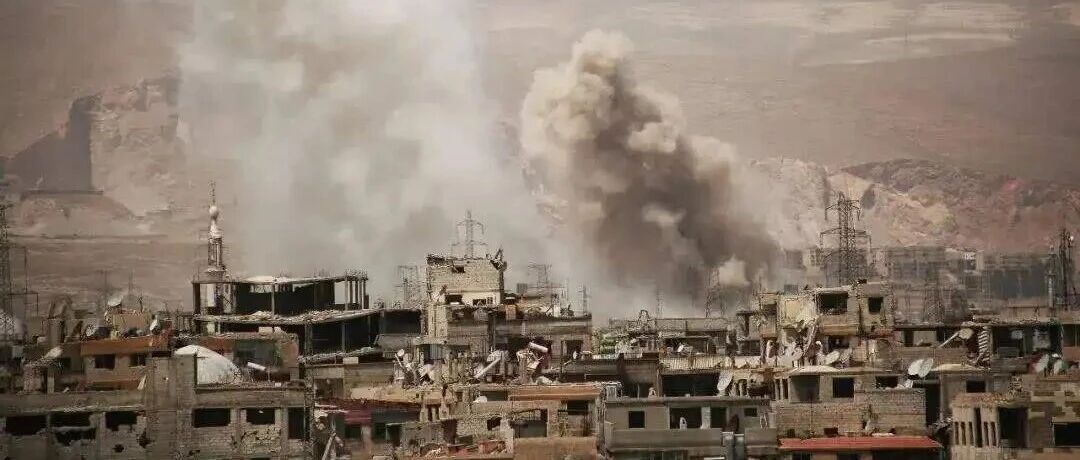
Core Viewpoint - The article discusses the significant turmoil in Iran following a military strike by the US and Israel, which has disrupted trade and communication, leading to a shift in market dynamics from profit-seeking to risk-averse behavior among traders and businesses [3][19]. Group 1: Market Dynamics - Despite ongoing turmoil, Iran was previously viewed as a vibrant market, with local consumers actively purchasing goods in response to currency devaluation [1][2]. - The trade volume between China and Iran is nearly $10 billion, with significant exports including machinery, vehicles, and precision instruments [6]. - The recent military actions have led to a complete halt in shipping operations, with major shipping companies suspending services to the region [7][8]. Group 2: Impact on Trade Operations - Traders like Wei Xiaodong are facing significant challenges, with goods stuck in warehouses due to the inability to contact clients, as internet access has been disrupted [6][5]. - Shipping routes have been severely affected, with the closure of the Hormuz Strait and airspace restrictions, leading to a 80% impact on business operations for logistics companies [9][18]. - Increased shipping costs have been reported, with freight rates for containers to the Red Sea region skyrocketing from $2,200 to $7,000, alongside additional war surcharges [17][18]. Group 3: Risk Management and Business Strategy - The current environment has forced businesses to prioritize risk avoidance over profit, with many clients halting orders and shipments due to safety concerns [14][19]. - Companies are now more cautious, with a significant drop in shipping volumes from 120 containers a day to just 20 [15]. - The uncertainty has led to a reevaluation of business strategies, with many traders opting to hold inventory rather than risk shipping [20].
山东青岛:外贸企业干劲足 冲刺开门红
Xin Lang Cai Jing· 2026-02-27 00:49
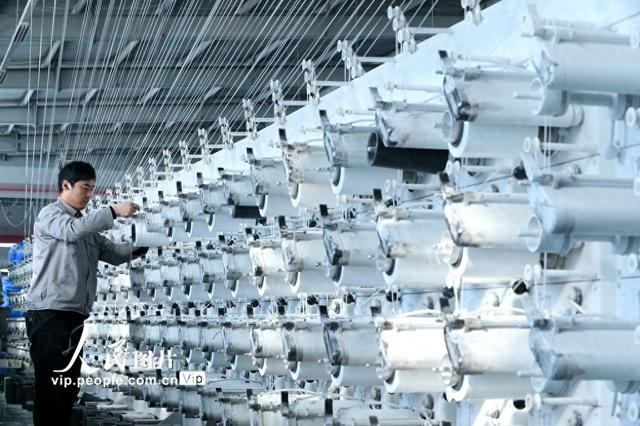
Group 1 - The foreign trade enterprises in the Jiaozhou District of Qingdao City, Shandong Province, are experiencing a busy production scene at the beginning of the new year, with employees working hard to fulfill orders and striving for a strong start to the year [2]
一些企业“随意”的PK制度引发争议
Xin Lang Cai Jing· 2026-02-25 18:56
Core Viewpoint - The article highlights the problematic implementation of internal PK (Player Killing) systems in various industries, where companies impose unreasonable performance targets and harsh penalties on employees, effectively reducing their wages through mandatory PK fees [1][4]. Group 1: PK System Implementation - Many companies in industries such as foreign trade and beauty services have adopted PK systems, which can be categorized into "competitive" and "self-challenge" models, often leading to high-pressure environments for employees [1][2]. - Employees are subjected to unrealistic performance targets, such as a minimum sales target of $500,000 for experienced staff and $200,000 for new hires, with only about one-third of employees able to meet these goals [2]. Group 2: Punishment Mechanisms - The PK system often includes punitive measures such as group penalties, where all team members suffer consequences if one fails to meet targets, leading to humiliating tasks as punishment [2][3]. - Legal experts indicate that such punitive measures may violate labor rights, including the right to rest and dignity, and could lead to criminal liability for company managers [3][6]. Group 3: Financial Exploitation - Companies have been reported to charge employees PK fees, which are often non-refundable, raising concerns about the legality of such practices as they effectively amount to wage deductions [4][5]. - Legal cases have emerged where courts ruled that the collection of PK fees constitutes a violation of labor laws, mandating the return of such fees to employees [5][6]. Group 4: Recommendations for Improvement - Experts suggest that companies should abandon unreasonable PK systems and instead foster a positive competitive environment through reasonable performance targets and adequate support for employees [8]. - It is recommended that companies establish fair and transparent rules regarding performance assessments and ensure that any penalties are proportionate to the severity of the infractions [7][8].
人民币汇率再创新高,外贸企业继续“向内求”
Di Yi Cai Jing· 2026-02-25 09:13
Core Viewpoint - The appreciation of the RMB against the USD poses challenges for export companies, leading to profit erosion and difficulties in raising prices amidst competitive pressures [2][3]. Group 1: Impact of RMB Appreciation on Export Companies - Export companies are struggling to maintain profits due to RMB appreciation, making it difficult to raise prices in a competitive market [2]. - Companies are focusing on cost-cutting measures within their supply chains to mitigate the impact of currency fluctuations [2][3]. - The need for precise policy support is emphasized, especially for small and medium-sized enterprises facing heightened survival challenges [3]. Group 2: Strategies for Enhancing Efficiency - Companies are investing in automation and lean manufacturing to improve production efficiency and reduce costs [3]. - Continuous investment in new equipment is planned to further enhance productivity [3]. - The ability to manage supply chains effectively and maintain financial strength is crucial for companies to navigate the current volatile environment [4]. Group 3: Market Dynamics and Pricing Strategies - Companies are cautiously testing price increases based on market feedback, indicating a need for strong product branding and market positioning [4]. - The design and market competitiveness of products directly influence a company's pricing power and survival [4]. - Establishing a comprehensive supply chain ecosystem and refining management practices are essential for enhancing competitiveness and addressing risks [4]. Group 4: External Economic Factors - The RMB's strength is attributed to improved external economic conditions and increased demand for currency settlement from exporters [6]. - The potential for RMB depreciation exists, influenced by external economic factors and domestic growth policies [6]. - The uncertainty surrounding U.S. tariff policies may impact China's export growth and currency dynamics in the coming year [7][8].