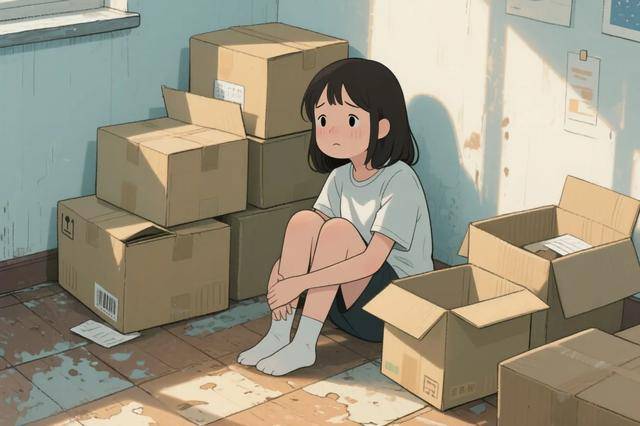
买房与租房选择

Search documents
月租2000和房贷2800,哪个更划算?你忽略了最重要的一笔“亏”!
Sou Hu Cai Jing· 2026-01-02 11:18
Core Viewpoint - The article discusses the evolving perception of home buying as an investment, contrasting traditional views with the current realities faced by young individuals and families in China, emphasizing the importance of personal choice and life goals over financial calculations [1][3][15]. Group 1: Changing Perspectives on Home Buying - Prior to 2025, buying a home was seen as a clear investment due to expected appreciation in property value and the dual benefits of investment and self-occupation [1][3]. - By 2025, the narrative shifted, highlighting not just falling property prices but also changing demographics and the financial burdens of home loans, leading to a reassessment of freedom, security, and happiness [3][5]. Group 2: Individual Stories Reflecting Broader Trends - The story of a 26-year-old, referred to as Water Otter A, illustrates the conflict between traditional views of home ownership and modern aspirations, where he perceives a mortgage as a constraint on his dreams and opportunities [5][7]. - Water Otter A's perspective emphasizes the opportunity cost of home buying, suggesting that investing in personal growth or side ventures could yield better financial returns than paying a mortgage [7][9]. Group 3: Family Dynamics and Educational Aspirations - Another narrative focuses on a middle-aged couple who consider buying a home for their child's education, reflecting the societal pressure to secure a good school district, despite the potential financial strain it imposes on their lives [9][11]. - The wife challenges the assumption that owning a home in a good school district guarantees educational success, highlighting the risks of equating property ownership with security and opportunity for their child [11][13]. Group 4: The Cost of Home Ownership - The article argues that home ownership can create a false sense of security, as it often leads to significant financial obligations that may jeopardize a family's future stability [13][15]. - It posits that renting can provide flexibility and preserve personal choice, allowing individuals to explore life opportunities without the burden of a mortgage [15][17]. Group 5: Personal Choice and Life Goals - Ultimately, the decision to buy a home should align with individual life goals and aspirations rather than purely financial considerations, emphasizing the importance of personal freedom and the ability to adapt to changing circumstances [15][17]. - The article concludes that the most valuable asset is not necessarily property, but the freedom to choose one's path in life, suggesting that the true cost of home ownership may be the loss of that freedom [17].

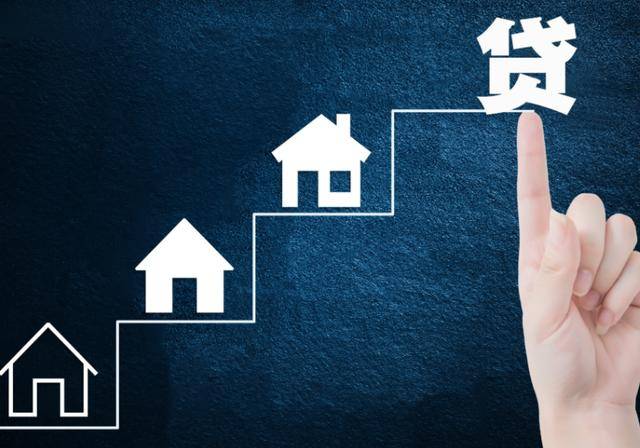
买房好还是租房好,终于找到了答案
Sou Hu Cai Jing· 2025-09-07 08:43
Group 1 - The article discusses the dilemma between buying and renting a house, emphasizing that the decision is personal and varies based on individual circumstances [3][4][5] - Initially, the preference was for renting due to the freedom it provided, especially during the single life stage [4][5] - After starting a family, the need for stability and a permanent home became more significant, leading to the consideration of buying a house [7][9] Group 2 - The process of buying a house involves saving for a down payment, visiting sales offices, and selecting the right property [9][10] - Homeownership brings a sense of security and belonging, contrasting with the uncertainties of renting [12][15] - Financial discipline is crucial, with advice to save money and avoid unnecessary spending before making a decision on homeownership [16][20][21]

有房贷和没房的谁更焦虑?太扎心了……
Sou Hu Cai Jing· 2025-07-13 11:55
Group 1 - The core issue revolves around the anxiety of individuals regarding home ownership versus renting, highlighting the financial burdens associated with mortgages and the lack of stability in renting [1][2] - Individuals with mortgages face constant pressure to meet monthly payments, leading to a lifestyle constrained by financial obligations, while renters experience instability and lack of asset accumulation [1][2] - The long-term implications of home ownership are discussed, suggesting that those who purchased homes may enjoy better social resources and community support in retirement, while renters may struggle to reintegrate into their hometowns [5] Group 2 - The emotional and psychological aspects of home ownership versus renting are emphasized, with many individuals desiring to buy homes but fearing the financial risks involved [2] - The narrative suggests that life choices, such as the decision to buy or rent, can significantly impact one's future and overall quality of life [5]
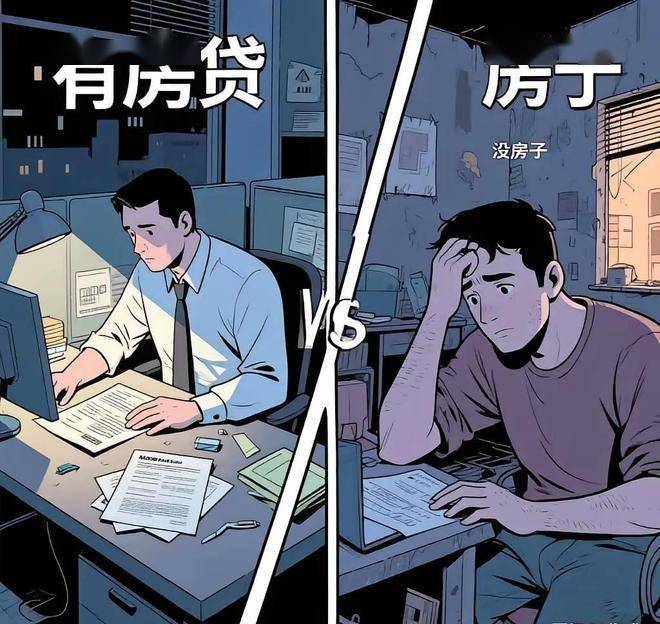
不买房租房住,感觉好不好?不买房就结婚,你可以接受吗?
Sou Hu Cai Jing· 2025-07-12 17:18
Group 1 - The debate on whether to buy or rent a house is currently popular, with many discussing the emotional and financial implications of each choice [2] - Renting can lead to a lack of stability and a sense of belonging, as individuals may feel like they are constantly moving without a permanent home [2] - The perspective that buying a house provides a sense of security and stability is emphasized, suggesting that the emotional value of having a home outweighs the financial burden [2] Group 2 - Borrowing money to buy a house can lead to a decrease in quality of life, as individuals may struggle financially and sacrifice basic needs [4] - The notion that marrying without owning a home is generally unacceptable unless it is a deeply committed relationship is discussed, highlighting the challenges faced after such decisions [4] - The importance of financial stability and realistic expectations in life choices is reiterated, suggesting that individuals should align their living situations with their economic capabilities [6]