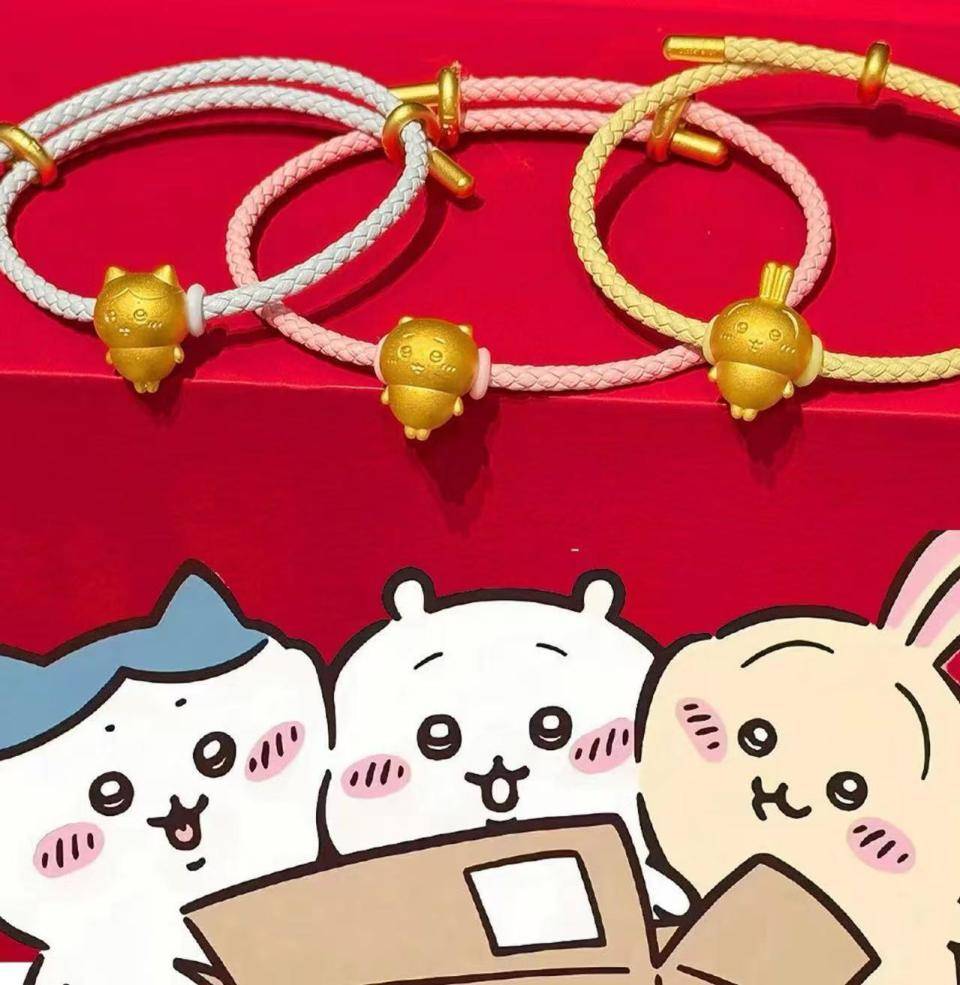
二次元与黄金融合

Search documents
当黄金“痛”上二次元:价格翻倍、有人包下生产线……但这波行情能持续多久
Sou Hu Cai Jing· 2025-08-23 02:35
Core Insights - The rise of "Pain Gold," a concept rooted in the "pain culture" of the anime community, is revitalizing the traditional gold industry, particularly among younger consumers [1][5][16] - The sales of IP-linked gold products have surged, with a reported year-on-year increase of 294%, indicating a strong market trend [3][16] - The high premiums associated with "Pain Gold" products have sparked debate about their true value and sustainability in the market [3][18] Industry Trends - Traditional gold retailers like Chow Tai Fook and Lao Feng Xiang are increasingly collaborating with popular anime and gaming IPs to create gold products, attracting a new demographic of young consumers [3][5][9] - The integration of emotional and cultural significance into gold products is driving sales, as younger consumers are willing to pay a premium for items that resonate with their interests [11][13][16] - The trend is reshaping the customer base of gold stores, with more young people visiting these shops, indicating a shift in consumer behavior [5][9] Market Dynamics - The average price of IP-linked gold items significantly exceeds the market price of gold, with some products priced at 1.8 times the standard gold price [7][9] - The phenomenon of "Pain Gold" is seen as a blend of investment and emotional purchase, with consumers viewing these items as both collectibles and a form of savings [11][13] - The industry is experiencing a transformation, with brands leveraging social media to enhance engagement and sales, moving away from traditional retail models [16][18] Future Outlook - There is uncertainty regarding the long-term sustainability of the "Pain Gold" trend, as market dynamics may shift once the initial excitement fades [18][19] - Experts suggest that while the current high premiums may not be sustainable, a moderate emotional and brand premium could persist in the market [19][21] - The industry faces challenges such as fluctuating IP licensing costs and the potential impact of unofficial products on the market [19][21]