温变苹果吊坠

Search documents
1克卖到2188元,再贵也要冲联名款!年轻人:比盲盒保值就行
Sou Hu Cai Jing· 2025-08-23 10:52
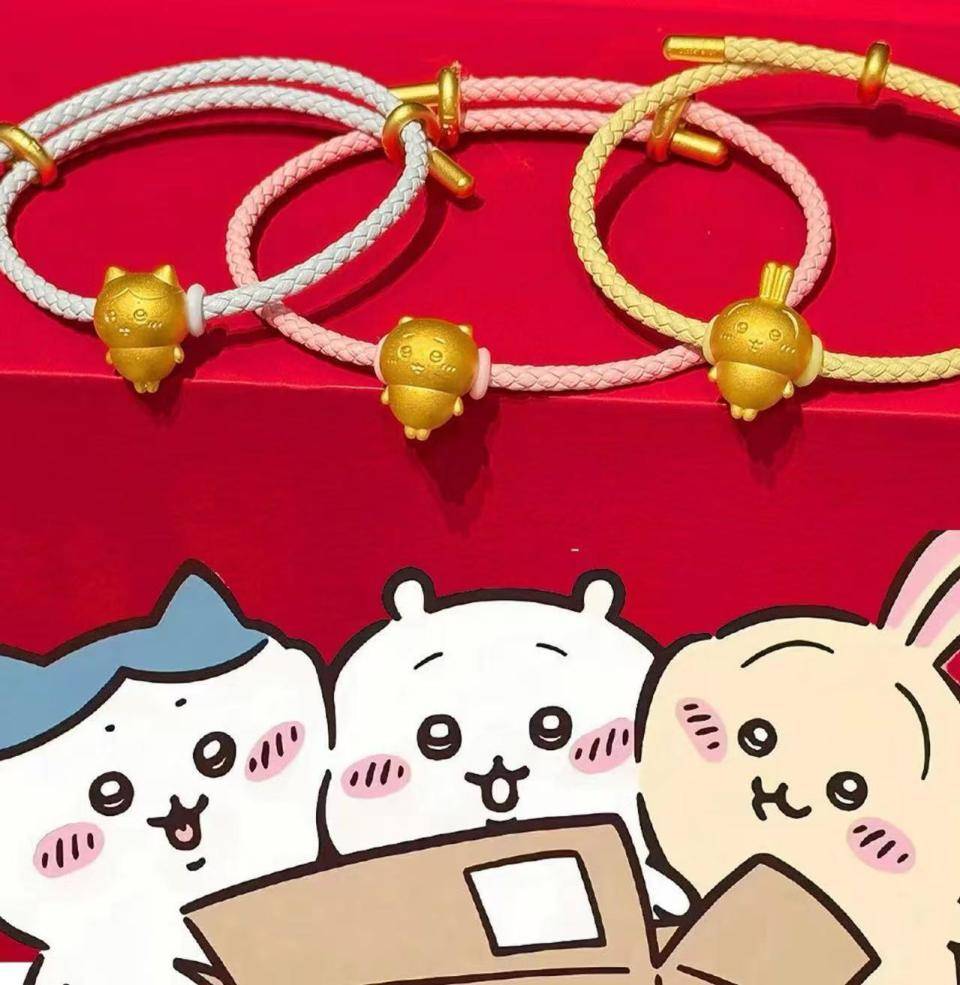
Core Viewpoint - The rise of "Pain Gold," a concept rooted in the "pain culture" of the anime community, is revitalizing the traditional gold industry, particularly among younger consumers, as they seek unique and emotionally resonant products amidst high gold prices and a sluggish traditional market [1][3][5]. Group 1: Market Trends - The transaction volume of IP gold products has increased by 294% year-on-year, with brands like Chow Tai Fook and Lao Feng Xiang collaborating with popular anime characters to create high-priced gold items [3][5]. - "Pain Gold" products, often weighing only 1-2 grams but priced in the thousands, are becoming a new form of "social currency" among young consumers [3][5]. - The trend is attracting a new demographic to traditional gold stores, with many young people who previously avoided such shops now actively purchasing these products [5][9]. Group 2: Consumer Behavior - Young consumers are drawn to "Pain Gold" not just for its material value but for its emotional and cultural significance, often associating their purchases with personal interests and community identity [11][13]. - The perception of gold as a stable investment is influencing purchasing decisions, with many young buyers viewing it as a form of savings despite high prices and market volatility [11][13]. - The emotional connection to the products, combined with their perceived value, encourages consumers to accept the high premiums associated with "Pain Gold" [13][18]. Group 3: Industry Impact - The popularity of "Pain Gold" is prompting traditional gold retailers to innovate and adapt their marketing strategies to engage younger consumers more effectively [17][18]. - The integration of IP collaborations is seen as a way to enhance brand loyalty and market presence among the new generation of buyers [17][18]. - The future of "Pain Gold" remains uncertain, with concerns about sustainability and the potential for market saturation as trends evolve [17][18].


当黄金“痛”上二次元:价格翻倍、有人包下生产线……但这波行情能持续多久
Sou Hu Cai Jing· 2025-08-23 02:35
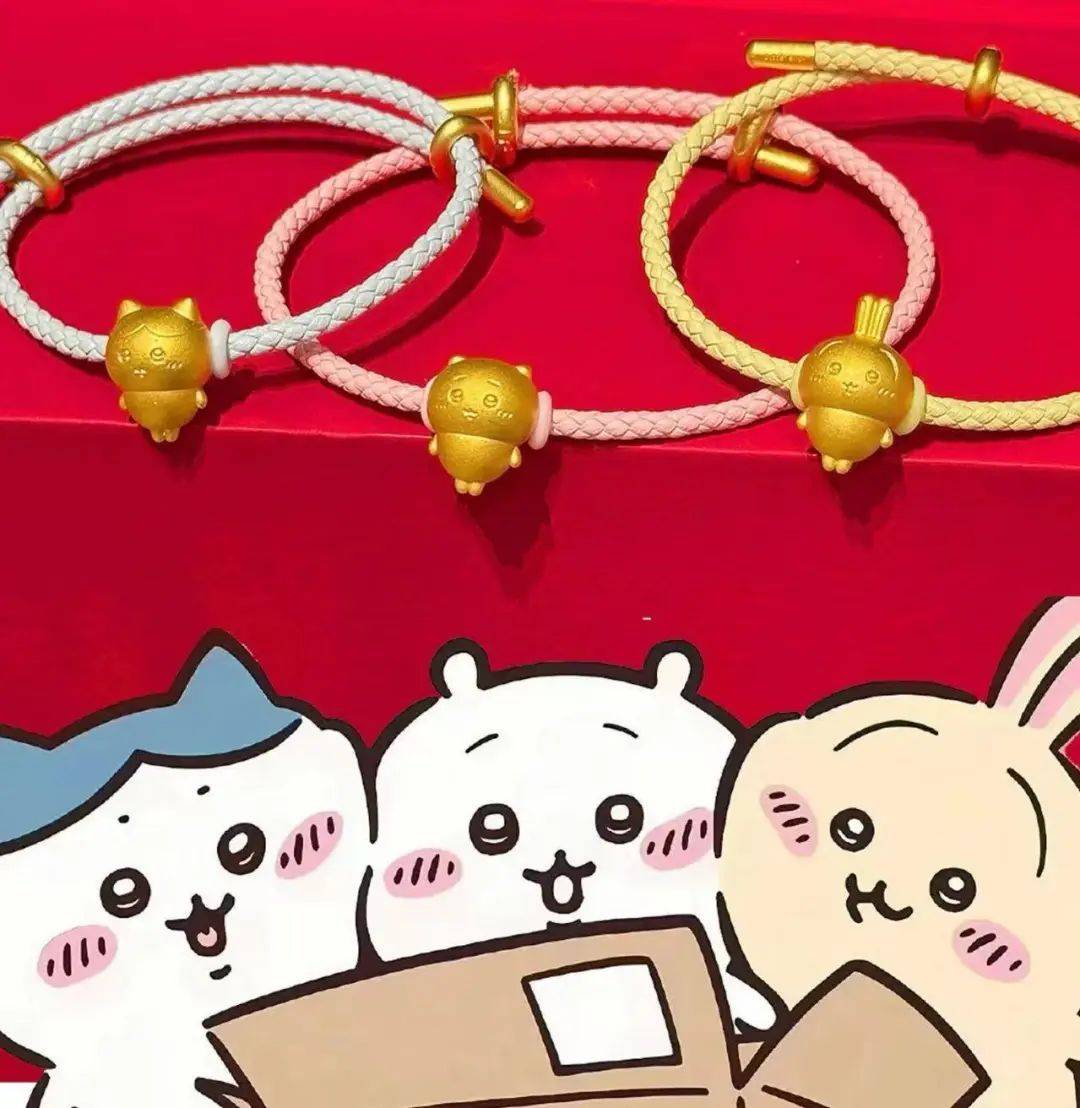
Core Insights - The rise of "Pain Gold," a concept rooted in the "pain culture" of the anime community, is revitalizing the traditional gold industry, particularly among younger consumers [1][5][16] - The sales of IP-linked gold products have surged, with a reported year-on-year increase of 294%, indicating a strong market trend [3][16] - The high premiums associated with "Pain Gold" products have sparked debate about their true value and sustainability in the market [3][18] Industry Trends - Traditional gold retailers like Chow Tai Fook and Lao Feng Xiang are increasingly collaborating with popular anime and gaming IPs to create gold products, attracting a new demographic of young consumers [3][5][9] - The integration of emotional and cultural significance into gold products is driving sales, as younger consumers are willing to pay a premium for items that resonate with their interests [11][13][16] - The trend is reshaping the customer base of gold stores, with more young people visiting these shops, indicating a shift in consumer behavior [5][9] Market Dynamics - The average price of IP-linked gold items significantly exceeds the market price of gold, with some products priced at 1.8 times the standard gold price [7][9] - The phenomenon of "Pain Gold" is seen as a blend of investment and emotional purchase, with consumers viewing these items as both collectibles and a form of savings [11][13] - The industry is experiencing a transformation, with brands leveraging social media to enhance engagement and sales, moving away from traditional retail models [16][18] Future Outlook - There is uncertainty regarding the long-term sustainability of the "Pain Gold" trend, as market dynamics may shift once the initial excitement fades [18][19] - Experts suggest that while the current high premiums may not be sustainable, a moderate emotional and brand premium could persist in the market [19][21] - The industry faces challenges such as fluctuating IP licensing costs and the potential impact of unofficial products on the market [19][21]