二级关税制裁

Search documents
川普专注俄罗斯没钱,欧洲关心援乌的口号不够响亮
Sou Hu Cai Jing· 2025-09-04 09:27
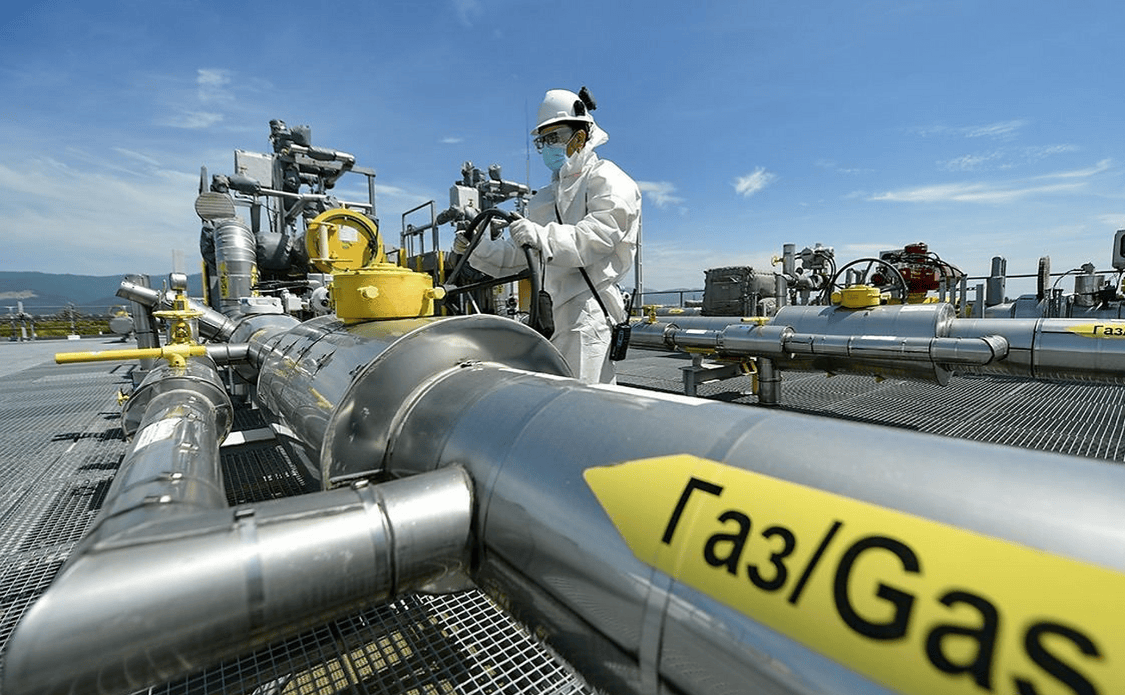
Core Insights - The European Union remains a significant importer of Russian energy products, despite efforts to reduce oil purchases, with EU's share of Russian oil exports at 6% compared to India's 38% [1] - The EU is still the largest buyer of Russian natural gas, with liquefied natural gas (LNG) purchases accounting for 51% of Russian exports, while pipeline gas makes up 37% [3] Group 1: EU Energy Imports - Hungary is the largest importer of Russian energy within the EU, purchasing €356 million worth of Russian petrochemical products in June, including €165 million in crude oil and €191 million in pipeline gas [4] - Belgium ranks second, importing €300 million worth of LNG from Russia in June, with a 12% increase in LNG imports compared to the previous month [4] - France is the third-largest importer, acquiring €232 million in LNG, with Germany sourcing significant amounts of Russian gas through France [4] Group 2: Changes in Energy Purchasing - Although the EU appears to have reduced pipeline gas purchases from Russia, it has increased LNG imports, effectively changing the channel of energy procurement [5] - The Trump administration previously pressured the EU to impose sanctions on Russia, demanding a complete halt to all oil and gas purchases from Russia [5] - The ongoing conflict has complicated Germany's plans to become a hub for Russian gas in Europe, as the Nord Stream 2 project has been halted [4][6]

美国财长很郁闷:要求欧洲配合制裁中国,欧洲人集体低头不语
Sou Hu Cai Jing· 2025-08-15 12:44
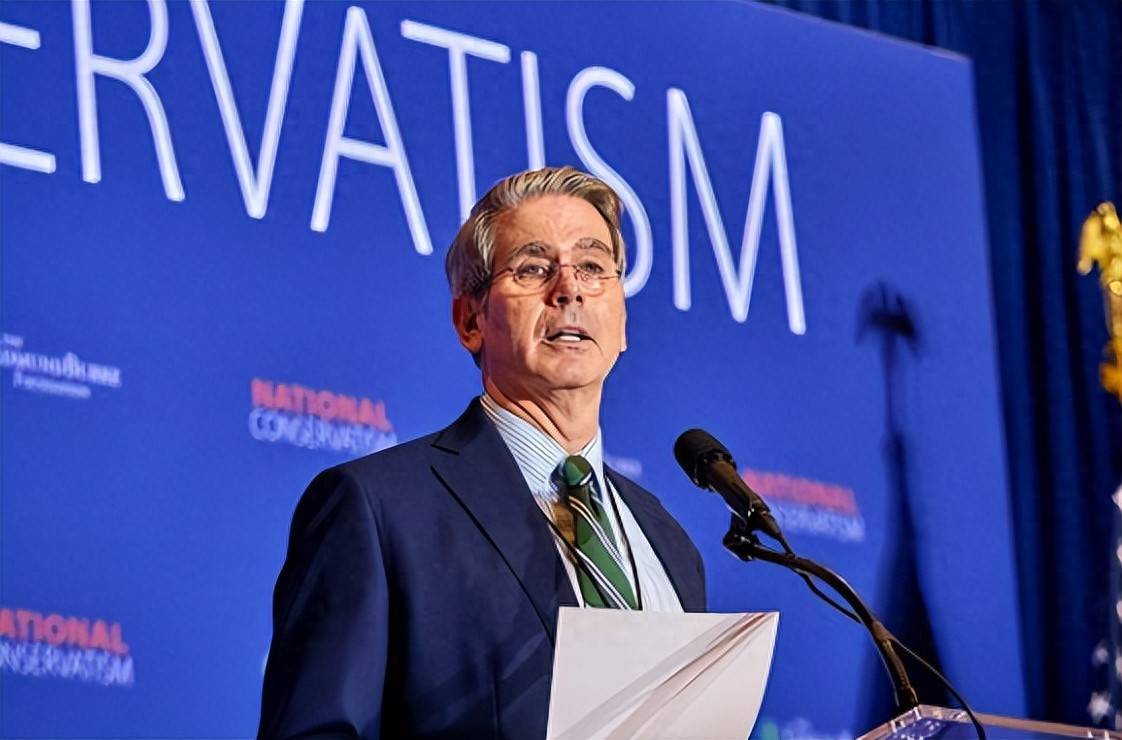
Group 1 - The core issue revolves around U.S. Treasury Secretary Scott Benset's frustration with European allies' lack of support in imposing secondary sanctions on countries buying Russian oil, particularly China and India [2][3] - The U.S. and G7 countries set a price cap of $60 per barrel on Russian oil in 2022 to limit Russia's oil revenue, but Russia has been circumventing these restrictions through a "shadow fleet" [2][3] - China has become the largest buyer of Russian oil, accounting for over 40% of Russia's oil exports, while India has also significantly increased its purchases [2][3] Group 2 - Benset has warned that China could face tariffs as high as 100% for continuing to purchase sanctioned Russian oil, with Congress potentially authorizing even higher tariffs [3][4] - The hesitance of European countries, particularly Germany and France, to support U.S. sanctions stems from their heavy energy dependence and the potential economic repercussions of high tariffs on India and China [3][4] - The G7 summit in June highlighted the divisions within the alliance, as European leaders were reluctant to commit to joint actions against China and India, reflecting their own economic interests [7][9] Group 3 - Benset's background includes experience in macro investing and a focus on using tariffs and sanctions as leverage in international relations [4] - The current situation illustrates the weakening of U.S. hegemony, as European nations are increasingly prioritizing their own economic considerations over U.S. directives [8][9] - The outcome of the upcoming Alaska summit between Trump and Putin could significantly impact the future of sanctions and the global energy landscape, with potential shifts in alliances and energy sourcing [8][9]
中印还没退缩,俄罗斯先妥协,普京提出让步方案,给特朗普献礼
Sou Hu Cai Jing· 2025-08-06 14:20
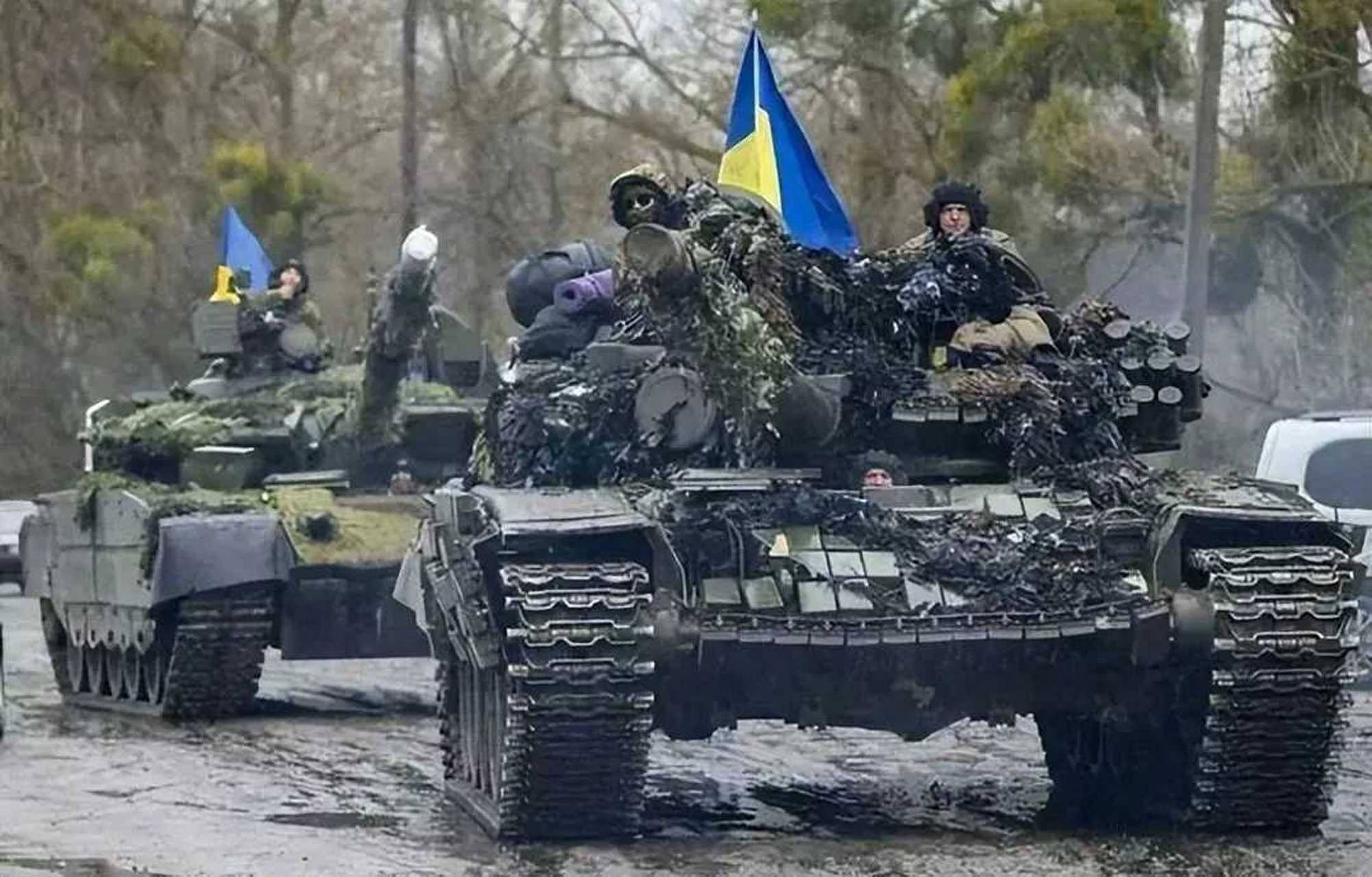
Group 1 - The core focus of the article is on Trump's shift from tariff disputes to addressing the Russia-Ukraine war, emphasizing his demand for a peace agreement within ten days or face secondary tariffs on Russia [1][3]. - Trump's proposed secondary tariffs are aimed not only at Russian goods but also at its major oil trading partners, with a potential 100% tariff to pressure Russia into negotiations [3][5]. - China has firmly opposed any unilateral sanctions and maintains its oil trade with Russia, asserting its right to make independent economic decisions [3][5][7]. Group 2 - India, despite its historically flexible stance, has also rejected U.S. pressure regarding Russian oil purchases, emphasizing that its energy policy is based on market pricing rather than political influence [5][7]. - The U.S. has already imposed significant tariffs on China, reaching a total of 145%, and any further escalation could jeopardize ongoing trade negotiations [7][9]. - Reports indicate that U.S. Middle East envoy will visit Russia to push for a peace agreement, with indications that Russia may be willing to compromise to avoid secondary sanctions [9][11]. Group 3 - The potential implementation of secondary sanctions could severely impact Russia's foreign trade, with estimates suggesting a possible halving or complete halt of trade activities [11]. - Despite the pressure, Russia's military operations in Ukraine are expected to continue, as the current situation shows steady but slow advances by Russian forces [11].