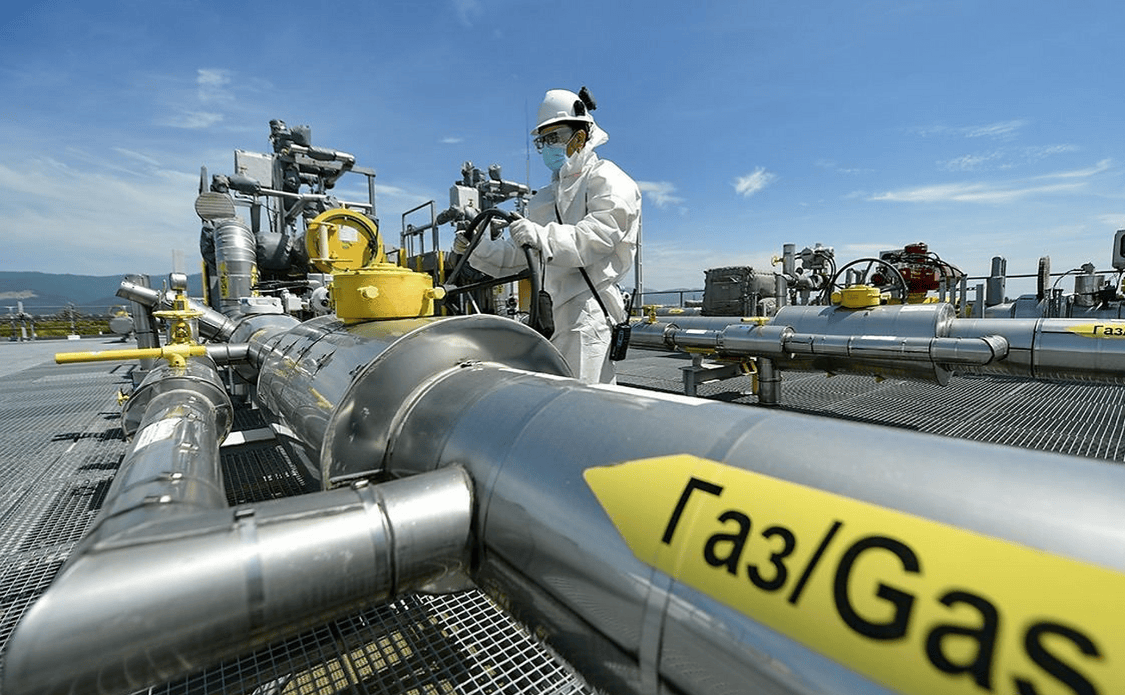
制裁俄罗斯能源

Search documents
反川越激烈,买俄能源越疯狂,泽连斯基:你们欧洲不如川普
Sou Hu Cai Jing· 2026-01-24 10:35
Group 1 - The core argument presented by Zelensky is that Europe has failed to take responsibility in defending the free world, particularly in its response to Russia, which he criticizes as weak and ineffective [2][4] - Zelensky highlights that Europe continues to purchase Russian oil, thereby funding a war against itself, and compares the severity of U.S. sanctions under Trump to those of Europe, suggesting that the U.S. has taken more decisive action [3][4] - The data from CREA indicates that the EU remains a significant buyer of Russian energy, purchasing approximately 1.4 billion euros worth of Russian energy in December 2025, with Slovakia and Hungary receiving exemptions from sanctions [6][8] Group 2 - France, Spain, and Belgium are noted as the top EU countries purchasing Russian LNG, with France increasing its LNG imports by 18% and Spain by 27% [7][8] - The EU is identified as the largest global buyer of Russian LNG, accounting for 49% of Russia's LNG exports, while also being the largest buyer of Russian pipeline gas, purchasing 35% of it [8] - The actions of Trump in initiating global efforts to capture shadow oil tankers are contrasted with Europe's more passive stance, suggesting that without such pressure, Europe would have remained inactive in enforcing sanctions [6]

富格林:曝光欺诈防范套路 经济疲软降息升温
Sou Hu Cai Jing· 2025-11-12 06:45
Core Viewpoint - The recent rise in gold prices is attributed to a series of weak economic data from the U.S., which has shifted market expectations towards a dovish stance from the Federal Reserve, thereby supporting gold as a safe-haven asset [3][4][7]. Economic Data Impact - Recent U.S. economic data has shown significant weakness, with private sector job cuts averaging about 11,250 per week and a notable decline in consumer confidence, dropping to 50.3, the lowest since June 2022 [3][4]. - The Challenger job report indicated over 150,000 layoffs in October, marking the largest monthly drop in over 20 years, further suggesting a cooling labor market [3]. Federal Reserve Expectations - Market expectations for a potential 25 basis point rate cut by the Federal Reserve in December have risen to approximately 67%, with nearly 80% likelihood for cumulative cuts by January [4]. - Internal divisions within the Federal Reserve regarding the timing and extent of rate cuts have emerged, with some officials advocating for caution while others push for more aggressive cuts [4]. Market Reactions - Despite a potential end to the U.S. government shutdown, which could release a backlog of economic data, gold prices have remained resilient, supported by ongoing concerns about economic slowdown and low interest rate expectations [5][7]. - Gold has seen a year-to-date increase of over 55%, with expectations for its best annual performance since 1979, driven by central bank gold purchases, declining inflation, and global policy easing [7]. Oil Market Insights - Oil prices have shown volatility, with WTI crude reaching above $61 before closing at $60.96, while Brent crude closed at $64.89, influenced by upcoming key reports from OPEC and the IEA [7][10]. - The impact of U.S. sanctions on Russian energy exports is causing uncertainty in supply chains, with Indian refiners hesitating to place orders for December, indicating potential supply disruptions [8][10].
贝森特要求日本停止进口俄罗斯能源
日经中文网· 2025-10-16 08:02
Core Viewpoint - The article discusses the ongoing discussions between Japan and the United States regarding Japan's energy imports from Russia, particularly liquefied natural gas (LNG), amidst increasing pressure from the U.S. to halt such imports due to geopolitical tensions [1][3]. Group 1: U.S.-Japan Financial Talks - U.S. Treasury Secretary Yellen expressed expectations for Japan to stop importing Russian energy during a meeting with Japan's Finance Minister Kato [1][3]. - The discussions included topics such as Japan's investment in the U.S. and measures to increase economic pressure on Russia as part of G7 initiatives [3][5]. - Kato emphasized the importance of stable exchange rates for the economy and national life, noting the recent depreciation of the yen [5]. Group 2: Energy Import Dynamics - Russia accounts for 9% of Japan's total LNG imports, and Japan maintains rights to the Sakhalin-2 project, which could be affected if U.S. sanctions target Russian gas [1][3]. - The potential cessation of Russian LNG imports could negatively impact Japan's energy supply stability [3]. Group 3: Broader Geopolitical Context - The article mentions that U.S. President Trump noted India's commitment to stop purchasing Russian crude oil, reflecting a broader international effort to reduce reliance on Russian energy [3]. - The European Commission has also announced plans to completely halt imports of Russian natural gas by the end of 2026 [3].

特朗普称普京让人失望,需进一步压低油价!原油盘中跌超1%
Hua Er Jie Jian Wen· 2025-09-19 00:08
Group 1 - The core viewpoint is that President Trump emphasizes the need to lower oil prices to end the Russia-Ukraine conflict, expressing disappointment in President Putin's actions [1][5] - Trump suggests that if oil prices drop, Putin will have no choice but to withdraw from the conflict, indicating that reducing oil prices is key to resolving the situation [5][6] - During the meeting, UK Prime Minister Starmer criticizes Europe's reliance on Russian energy and supports sanctions against Russia, highlighting the need for increased pressure on Putin to agree to a lasting peace [4][6] Group 2 - Trump is open to considering additional measures to punish Putin, contingent upon allies ceasing to purchase Russian oil, indicating a conditional approach to further U.S. intervention [8] - Starmer and Trump discussed enhancing defense support for Ukraine and increasing pressure on Putin, with Starmer asserting that Trump's involvement is crucial for any potential action from Putin [6][4] - The meeting reflects a broader concern regarding European countries' dependence on Russian energy, with Starmer labeling it a significant challenge for Europe [6]

川普专注俄罗斯没钱,欧洲关心援乌的口号不够响亮
Sou Hu Cai Jing· 2025-09-04 09:27
Core Insights - The European Union remains a significant importer of Russian energy products, despite efforts to reduce oil purchases, with EU's share of Russian oil exports at 6% compared to India's 38% [1] - The EU is still the largest buyer of Russian natural gas, with liquefied natural gas (LNG) purchases accounting for 51% of Russian exports, while pipeline gas makes up 37% [3] Group 1: EU Energy Imports - Hungary is the largest importer of Russian energy within the EU, purchasing €356 million worth of Russian petrochemical products in June, including €165 million in crude oil and €191 million in pipeline gas [4] - Belgium ranks second, importing €300 million worth of LNG from Russia in June, with a 12% increase in LNG imports compared to the previous month [4] - France is the third-largest importer, acquiring €232 million in LNG, with Germany sourcing significant amounts of Russian gas through France [4] Group 2: Changes in Energy Purchasing - Although the EU appears to have reduced pipeline gas purchases from Russia, it has increased LNG imports, effectively changing the channel of energy procurement [5] - The Trump administration previously pressured the EU to impose sanctions on Russia, demanding a complete halt to all oil and gas purchases from Russia [5] - The ongoing conflict has complicated Germany's plans to become a hub for Russian gas in Europe, as the Nord Stream 2 project has been halted [4][6]