
互联网运动产业平台

Search documents
韩伟反思乐刻十年:泡沫、漏洞,应更理性快跑
虎嗅APP· 2025-05-18 04:27
Core Viewpoint - The article discusses the growth and challenges faced by the fitness brand LeKe over the past decade, highlighting its expansion strategy, organizational evolution, and the competitive landscape of the fitness industry in China. Group 1: Company Expansion and Strategy - LeKe has expanded to nearly 2000 stores across over 40 cities in China, with a goal of reaching 10,000 stores in the next five years [1][2] - The company has faced challenges in its expansion pace, which has not met initial expectations, despite having the capacity to open 600 stores annually [30][65] - LeKe's strategy includes a multi-brand matrix, incorporating various fitness concepts to capture different market segments [2][32] Group 2: Industry Landscape and Competition - The fitness market in China is experiencing fragmentation, with competitors like Zhongtian Fitness and Super Monkey focusing on specific niches such as personal training [2][29] - LeKe remains the leader in the number of stores within the chain fitness sector, but faces increasing competition from both traditional and emerging fitness brands [2][6] Group 3: Organizational Development and Challenges - The company is transitioning from a "土八路" (informal) organization to a more structured and formalized entity, which has led to internal challenges and inefficiencies [6][52] - LeKe's management acknowledges the need for improved internal processes and oversight to address operational issues that have arisen during its growth [8][20] Group 4: Financial Performance and Metrics - LeKe's return on investment is approximately 2.5 years, which is significantly shorter than that of comparable hotel brands, indicating strong operational efficiency [19][20] - The company has a low store closure rate of under 5%, reflecting its effective business model and operational management [20][29] Group 5: Future Outlook and Goals - The company aims to enhance its training and operational capabilities to support its ambitious expansion plans, including the establishment of a training center for coaches [31][54] - LeKe's leadership believes the next decade will be a period of significant growth for the fitness industry, with ample opportunities for expansion [65]

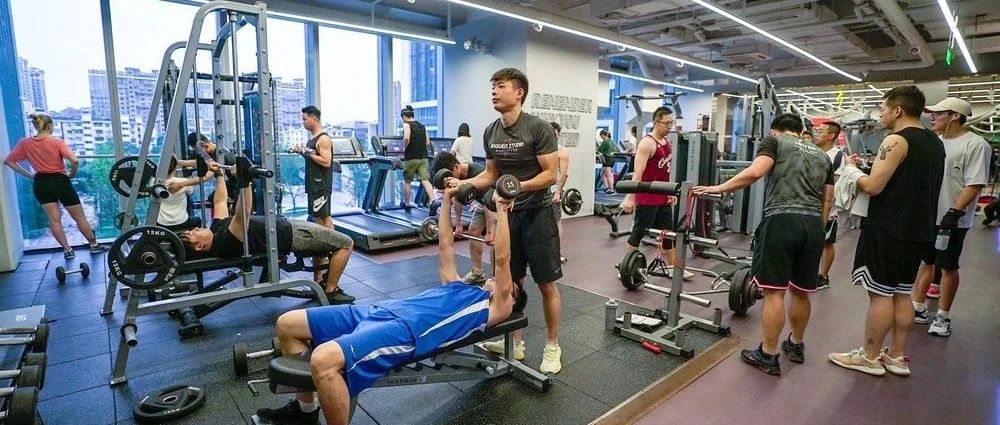
韩伟反思乐刻十年:泡沫、漏洞,应更理性快跑
Hu Xiu· 2025-05-17 23:22
Core Insights - The company has expanded to 1,800 stores across over 40 cities in China and signed more than 10,000 coaches in the past decade, but the growth rate has not met initial expectations [1][2] - The founder, Han Wei, views Huazhu as a reference point for growth, but acknowledges that the expansion pace of Lekke has been slower than anticipated [1][27] - Lekke is currently facing challenges in upgrading its organizational structure from a "土八路" (informal) to a more formalized organization, which has led to operational complexities [2][48] Company Expansion and Strategy - Lekke set an ambitious goal of reaching 100 cities and 10,000 stores within five years, but the current store count is close to 2,000, indicating a significant gap to the target [2][26] - The company has a multi-brand strategy that includes Lekke Fitness, FEELINGME, and others, but competition in the fitness market is intensifying with new entrants focusing on personal training [2][26] - Lekke's store opening capability is estimated at 600 stores per year, but challenges in supply chain and coach availability hinder this potential [27][28] Industry Challenges - The fitness industry in China is described as fragmented, with many smaller brands competing, which complicates the competitive landscape [4][2] - Lekke's operational efficiency is relatively high, with a closure rate below 5%, but the company recognizes internal weaknesses that need addressing [18][17] - The market is evolving, with increased competition from brands that previously did not offer monthly payment models, leading to a more crowded marketplace [48][2] Organizational Development - The transition from an informal to a formal organization has revealed various operational issues, including inefficiencies in internal processes [6][48] - Lekke's leadership acknowledges the need for a more structured approach to management and internal auditing to mitigate risks and improve operational integrity [6][7] - The company has invested in a training center to enhance coach training and improve service quality, which is critical for future growth [50][28] Future Outlook - Lekke aims to refine its operational model and enhance service delivery while maintaining competitive pricing to meet consumer demands [34][37] - The founder believes the next decade will be a period of significant growth for the fitness industry, suggesting a cautious yet aggressive expansion strategy moving forward [61][2] - Lekke's long-term vision includes becoming a comprehensive fitness ecosystem that effectively serves a wide range of consumer needs [37][38]