
五眼联盟

Search documents
中加已谈拢,王毅挂断电话,卡尼下令不惜一切代价,必须摆脱美国
Sou Hu Cai Jing· 2025-11-25 09:28
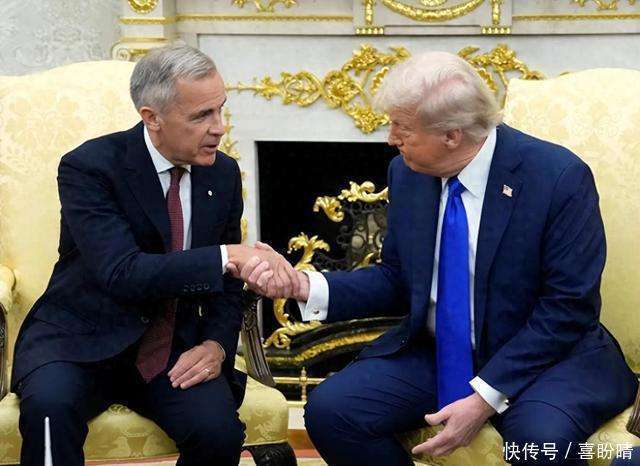
Core Viewpoint - The article discusses the significant shift in Canada's foreign policy and economic strategy in response to aggressive trade actions and rhetoric from the Trump administration, particularly focusing on the pivot towards China as a new strategic partner [1][3][5]. Group 1: Trade Relations and Economic Impact - In February 2025, the Trump administration imposed a 25% tariff on Canadian goods, which was later increased to 35% in August, severely impacting Canada's economy, particularly in sectors like lumber, automotive, and dairy [1][3]. - The tariffs led to factory shutdowns, rising unemployment, and a depreciating Canadian dollar, pushing the Canadian economy into recession [3]. - The Canadian government, under Prime Minister Carney, recognized the need to reduce reliance on the U.S. and began exploring new partnerships, particularly with China [5][18]. Group 2: Diplomatic Engagement with China - Following the change in leadership, Canada initiated diplomatic talks with China, with the Canadian Foreign Minister speaking to Chinese Foreign Minister Wang Yi, who expressed a willingness to enhance cooperation [9]. - A Canadian delegation led by the Minister of Agriculture visited China to discuss agricultural exports, particularly canola and other products, highlighting China's importance as a market for Canadian goods [7]. - The shift towards China is seen as a strategic move to mitigate the economic fallout from U.S. tariffs while signaling a desire to restore cooperative relations [7][9]. Group 3: Geopolitical Implications - The evolving relationship between Canada and China reflects a broader trend of Western allies reassessing their ties with the U.S., leading to fractures within alliances like the Five Eyes [11][13]. - Canada's pivot towards China is indicative of a global trend towards multipolarity, as countries seek to balance their foreign relations amid U.S. unilateralism [15][20]. - The Carney government's strategy aims to navigate between the U.S. and China, maximizing benefits from both while avoiding over-dependence on either [18].

英媒:英美80年情报关系现裂痕
Huan Qiu Shi Bao· 2025-11-18 23:05
Core Viewpoint - The article discusses the potential cessation of intelligence sharing between the UK and the US, particularly regarding drug trafficking in the Caribbean, marking a significant rift in their long-standing intelligence relationship of over 80 years [1]. Group 1: Intelligence Sharing Dynamics - The UK has suspended intelligence sharing with the US concerning drug trafficking in the Caribbean due to concerns over the legality of US military actions that have resulted in casualties [1]. - Historically, the UK has played a crucial role in combating drug smuggling in the Caribbean, with the Royal Navy seizing illegal drugs worth £750 million last year [1]. - Intelligence sharing disruptions within the "Five Eyes" alliance are not uncommon, but such occurrences are rare in the close UK-US partnership [2]. Group 2: Implications of Intelligence Disruption - The UK's intelligence interruption may pose risks to its own interests, as US leaders are highly sensitive to any implications that intelligence agencies might obstruct their agendas [3]. - There is a concern that the UK could face retaliatory actions from US intelligence agencies, reminiscent of past punitive measures taken during the 1970s [3]. - Despite the UK's limited role in providing intelligence on drug smuggling, the potential fallout from this disruption could provoke an angry response from US leaders [2].