交易所模式

Search documents
日销3000杯,把吃饭变“炒股”,年轻人集体上头
虎嗅APP· 2026-01-31 09:38
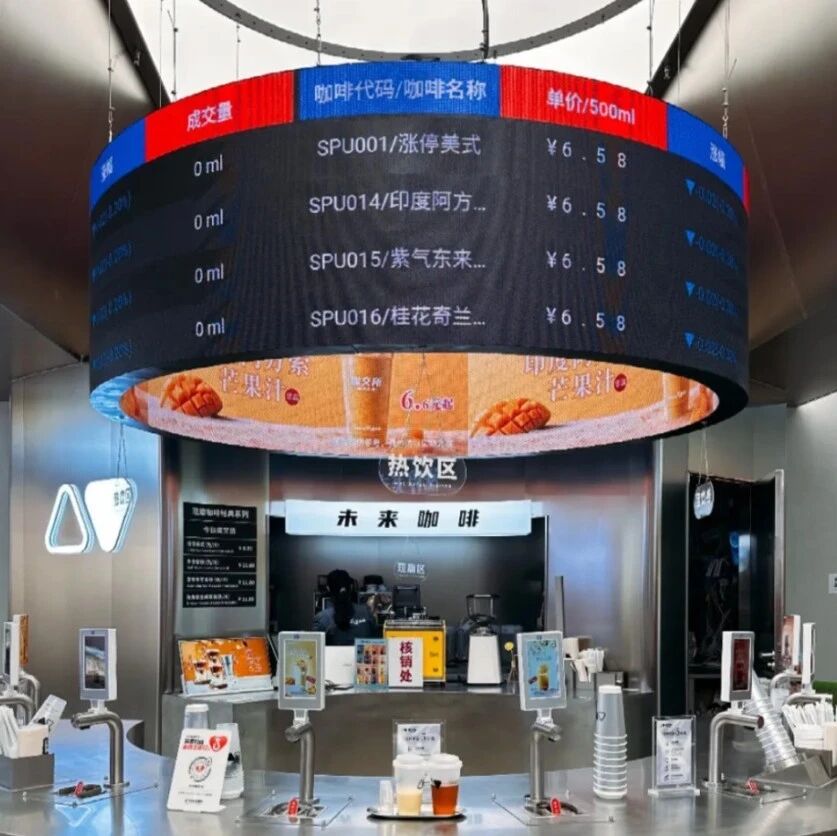
Core Viewpoint - The article discusses the emerging trend of "exchange-style" restaurants, where dining experiences are enhanced by real-time displays of product prices and sales, resembling stock trading environments. This trend is gaining popularity across various types of eateries, including beer and coffee shops, but raises questions about its sustainability and actual consumer engagement [4][5][6]. Group 1: Emergence of Exchange-Style Restaurants - The "exchange" trend began with beer trading venues, notably the Qingdao Beer Exchange, which became popular for its real-time display of beer prices and sales [6][7]. - Over the past six months, numerous beer exchanges have appeared in cities across China, with some attempting to establish chains [8][9]. - The popularity of these venues is evident, with related topics on social media platforms like Douyin garnering over 40 million views [10]. Group 2: Consumer Experience and Engagement - Consumers find the "exchange" concept intriguing and fun, often sharing positive experiences on social media [14][15]. - Initial customer traffic is high, but there are concerns about sustaining interest, especially as seasonal changes affect foot traffic [16][17]. - Some venues have already rebranded or changed their business model due to declining customer numbers after the novelty wore off [16][17]. Group 3: Operational Challenges - The initial investment in smart equipment for these venues is significant, with costs ranging from 35,000 to 400,000 yuan depending on the complexity of the setup [18][19]. - High usage rates lead to increased wear and tear on equipment, raising maintenance costs and operational challenges [20]. - Some establishments have opted for lower-cost solutions, which may compromise the "exchange" experience [21]. Group 4: Pricing Mechanism and Product Quality - The pricing mechanism mimics stock trading, with limited price fluctuations based on sales volume, typically ranging from 5% to 30% [22][23]. - The products offered are often simpler and may lack complexity in flavor, which could affect long-term customer loyalty once the novelty fades [25].