产业生态出海

Search documents
“新金砖”的山东选择
Jing Ji Guan Cha Wang· 2025-11-13 05:41
Group 1 - Shandong is becoming a significant hub for the two-way flow of global industrial factors, driven by the "New BRICS" cooperation framework, as highlighted during the "Dialogue on BRICS" event [1] - The event attracted over 400 guests, including representatives from more than 50 business associations and enterprises from over 30 countries and regions, facilitating deeper cooperation between foreign and local companies [1] - The BRICS nations account for nearly half of the world's population, approximately 30% of the global economy, and one-fifth of global trade, indicating substantial cooperation potential for Shandong enterprises [2] Group 2 - In the first three quarters of 2025, Shandong's trade with BRICS countries reached 550.6 billion yuan, accounting for 21% of the province's total imports and exports, with a year-on-year growth of 23% [2] - Shandong's enterprises are increasingly looking to expand overseas, with companies like Youbote focusing on upgrading core technologies and exploring new markets in BRICS countries [3] - The development of advanced manufacturing is a key task for Shandong, aiming to integrate into the global supply chain and support enterprises in their international expansion [4][9] Group 3 - Youbote is advancing its humanoid robot technology, aiming to enhance performance and stability while expanding applications in various sectors, including emergency response and inspection [3] - Fada Flour Group is focusing on expanding its export of noodle products due to restrictions on direct flour exports, targeting markets in the U.S., Japan, South Korea, and Arab countries [4] - The shift in Chinese enterprises' globalization strategy from "product export" to "industrial ecosystem export" reflects a broader trend in international business [4] Group 4 - Decathlon plans to deepen its market presence in Shandong, recognizing the province's industrial advantages and large consumer base, while also promoting sustainable consumption models [7] - Stora Enso, a leading environmental engineering company, has been active in Shandong for over 50 years, focusing on localizing environmental solutions and participating in significant projects [8] - The Shandong government aims to enhance cooperation with BRICS countries in various sectors, including modern agriculture, advanced manufacturing, and digital economy, to foster investment and trade [9]
当品牌走向世界(大地风华)
Ren Min Ri Bao· 2025-10-02 22:13
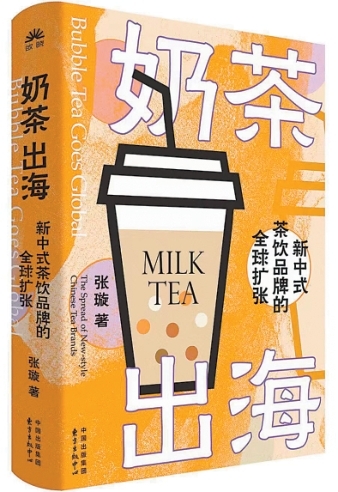
Core Insights - The globalization of Chinese brands is exemplified by the rise of new-style tea drinks, particularly bubble tea, which has gained popularity in various countries, showcasing a shift from merely affordable products to a broader cultural experience [2][3][4] Group 1: Market Expansion - New-style tea drink brands, such as Mixue Ice Cream & Tea, have expanded into 12 countries including Singapore, Thailand, Japan, and South Korea [2] - The brand Bawang Chaji has opened 200 stores in Malaysia, rapidly competing with local tea giants [2] - Heytea's first store in London saw over 4 hours of queueing on its opening day, highlighting the strong demand for Chinese tea brands abroad [2] Group 2: Cultural Impact - The story of bubble tea's global journey reflects the broader narrative of Chinese brand globalization, where supply chain capabilities and cultural expressions are intertwined [3][4] - Chinese brands are transitioning from merely exporting products to promoting brand culture and establishing an industrial ecosystem [3] - Bubble tea serves as a cultural bridge, enhancing global cultural exchange and reshaping perceptions of Chinese brands beyond just manufacturing [4]