
产业链主动权

Search documents
特朗普被耍了?投百亿开发稀土,中国突然放水,对美出口激增660%
Sou Hu Cai Jing· 2026-01-29 13:41
Core Viewpoint - The U.S. government's significant investment in rare earths aimed at reducing dependence on China has led to an unexpected surge of 660% in China's rare earth exports to the U.S., raising questions about the effectiveness of this strategy [1][8]. Group 1: U.S. Dependence on China - Over 70% of U.S. rare earths are imported from China, particularly critical heavy rare earths essential for military applications [3]. - The Trump administration's efforts to reduce this dependence have faced numerous challenges, including reliance on companies like MP Materials and the Mountain Pass mine [3][5]. Group 2: Challenges in Domestic Production - The U.S. lacks sufficient rare earth processing technology, with the Department of Energy exploring new methods like "digital twins" for separation [5]. - MP Materials initially depended on Chinese companies for refining, and even with plans for a new facility in Texas, production won't start until late 2026 [5]. Group 3: International Sourcing Difficulties - Attempts to source rare earths from Greenland and Ukraine have been met with logistical and economic challenges, making these alternatives less viable [7][8]. - Collaborations with countries like Australia and Pakistan have also faced obstacles, including local industry decline and geopolitical instability [8]. Group 4: Misinterpretation of Export Data - The reported 660% increase in exports from China is misleading, as it stems from a low base due to previous export restrictions, not a genuine increase in supply [11][13]. - The surge was primarily due to the release of previously delayed orders, not a change in China's export policy [13][16]. Group 5: China's Strategic Control - China maintains strict control over heavy rare earth exports, particularly for military use, while allowing some leeway for lighter rare earths used in consumer products [20][22]. - This strategy enables China to retain significant control over the rare earth supply chain, with over 90% of global processing capacity [20][24]. Group 6: Long-term Outlook for U.S. Rare Earths - The U.S. faces a long road ahead to reduce its reliance on Chinese rare earths, with domestic production and processing capabilities lagging significantly [24][26]. - Even with government investment, U.S. rare earth projects may not be operational until 2028, by which time China's advantages in high-end applications are expected to grow [26][28]. Group 7: Conclusion on the Rare Earths Battle - The ongoing rare earths competition highlights strategic considerations rather than overt conflict, with the U.S. unable to fundamentally alter its dependence on China [28][29].

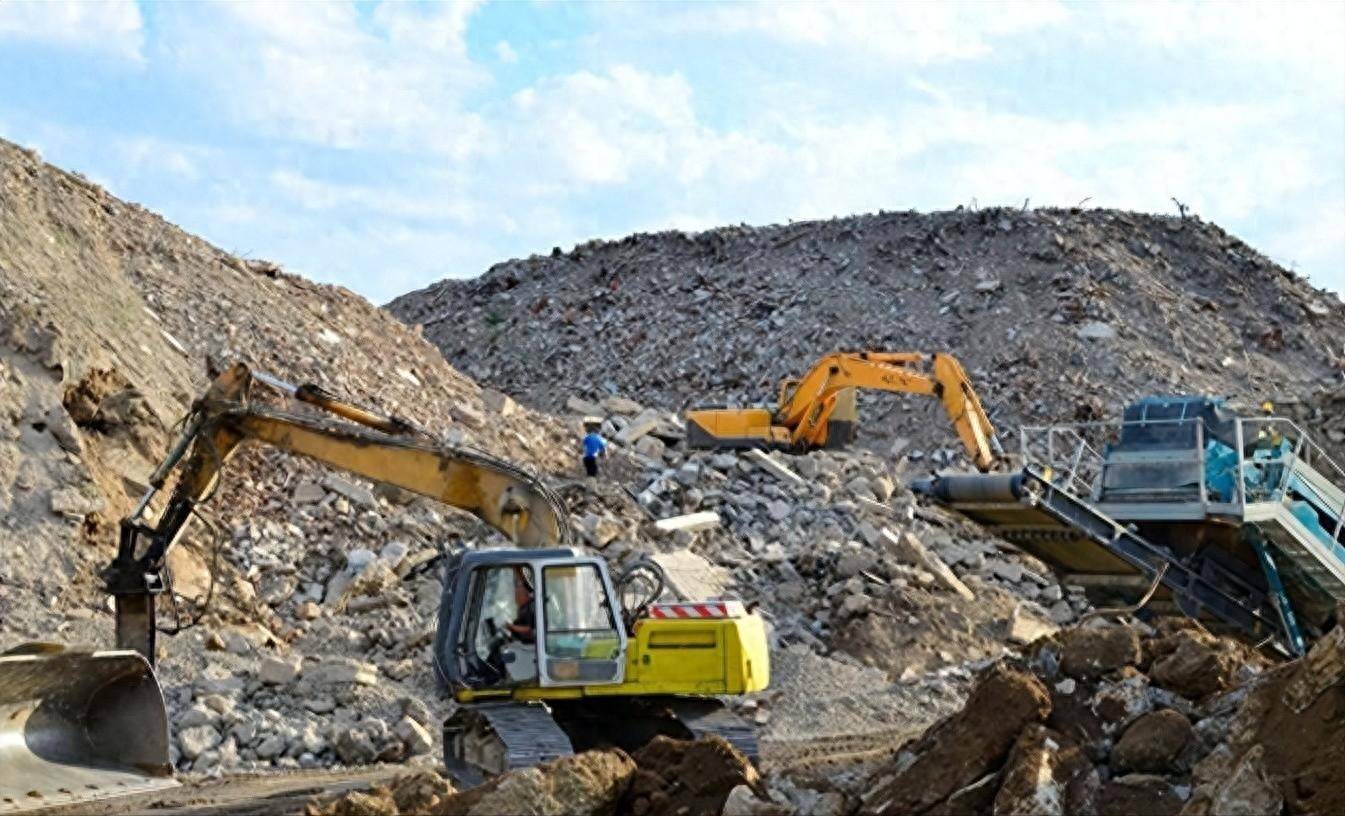
面对无解阳谋!美国的对策来了,美国地质调查局公布了全球冶炼铝的格局图,以及镓的应用分布图
Sou Hu Cai Jing· 2025-07-03 16:33
Group 1 - The U.S. Geological Survey has released a global aluminum smelting map and a gallium application distribution map, indicating a potential shift in gallium supply chains away from China, despite China currently controlling 95% of global gallium production [1] - The U.S. is actively seeking to diversify supply chains and strengthen alliances, but faces challenges such as rising aluminum prices and equipment demand, which may still require engagement with China to avoid high costs [3] - China's advancements in technology and industry, including 5G, automated mining, and metallurgical processes, have been built over decades, making it difficult for other countries to catch up quickly [3] Group 2 - The impact of export controls on domestic industries is acknowledged, but it is considered manageable, with past experiences in rare earths and photovoltaics showing resilience under pressure [4] - The ongoing geopolitical chess game suggests that the competition for resource control and industry leadership is far from over, with advantages becoming apparent in certain sectors [4]
