人工智能安全与伦理

Search documents
从世界体系聊到科幻想象,观察者网2026答案秀·思想者春晚火爆全网
Guan Cha Zhe Wang· 2026-01-22 09:54
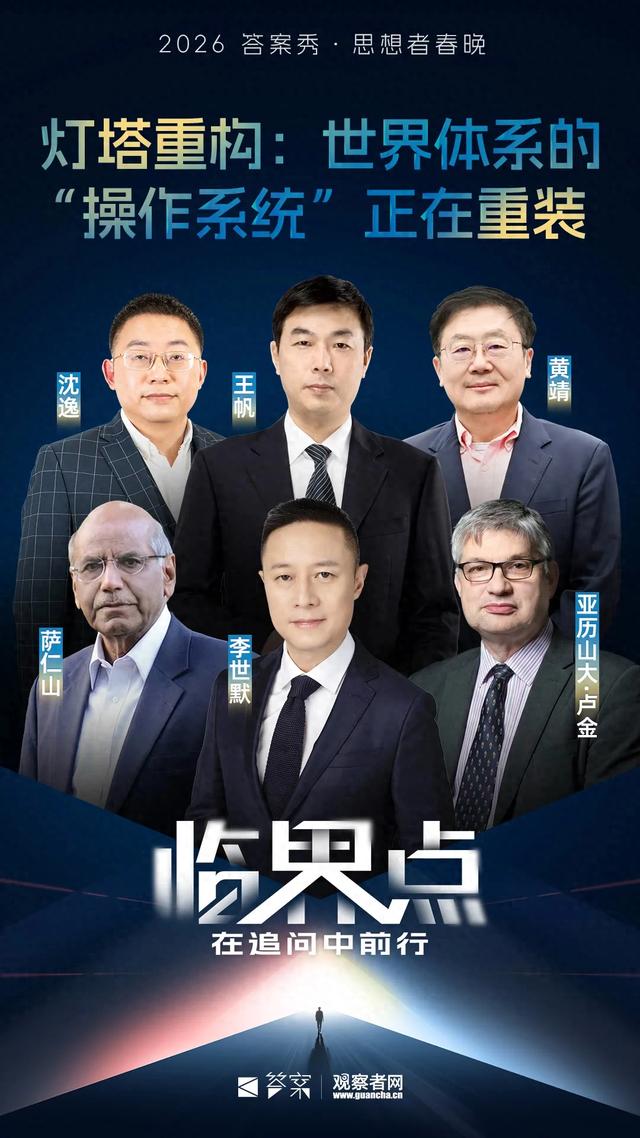
Group 1 - The event "2026 Answers Show" aims to address critical global issues and explore new narratives in a changing world [1][2] - The first segment focuses on the reconstruction of the world system, featuring discussions on US-China relations and the role of emerging countries in shaping a new international order [2][21] - Key speakers include Wang Fan, who discusses the evolution of US-China relations, and Indian diplomat Saran Singh, who emphasizes the importance of viewing the world beyond a binary perspective [2][21] Group 2 - The second segment centers on AI and politics, with experts discussing the reconfiguration of power in the AI era and China's position in global AI competition [7][8] - Notable contributions include Jin Canrong's insights on the intersection of technological advancements and international relations, and suggestions for maintaining China's competitive edge in AI [7][8] - The dialogue also addresses the ethical implications of AI and the need for governance frameworks in a rapidly evolving technological landscape [8] Group 3 - The third segment, "Industrial Fantasia," analyzes China's manufacturing transformation and technological innovation during the 14th Five-Year Plan period [11][12] - Eric Solheim highlights the significance of China's rise in the renewable energy sector for global green transitions, criticizing the previously established international order [11][12] - Discussions include the shift from "Made in China" to "Empowered Globally," showcasing various industry leaders' perspectives on China's role in global markets [11][12] Group 4 - The fourth segment, "Narrative Wars," explores how cultural narratives shape perceptions and the importance of reclaiming narrative control in the film and media industries [17][18] - Notable speakers discuss the challenges faced by Chinese filmmakers and the need for a global expression of Eastern narratives [17][18] - The segment concludes with reflections on the historical context of international relations and the potential for a new era of peace led by China [18] Group 5 - The final segment features discussions among scholars from China, the US, and Russia on the evolving dynamics of international relations and the potential for a multipolar world order [21][22] - Key insights include the recognition of the diminishing effectiveness of traditional international order rules and the emergence of a "jungle law" in global affairs [21][22] - The dialogue emphasizes the need for reform in the international system, with a consensus on the necessity for a new, multipolar approach to global governance [21][22]