人才画像

Search documents
高效招聘策略,做好这5点就足够了
3 6 Ke· 2026-02-02 00:16
Group 1 - The article emphasizes the importance of efficient interviewing and highlights that a clear talent profile is key to recruitment [1][2] - It discusses the significant costs associated with hiring unsuitable employees, which can amount to 15 times their salary [2] - The article provides insights into the recruitment practices of successful companies, such as ByteDance and Xiaomi, where founders personally conducted interviews for their early hires [3][4] Group 2 - The article outlines the process of creating a talent profile, which includes analyzing the company's current situation, talent reserves, and specific hiring needs based on the company's development stage [7][8] - It suggests using SWOT analysis to determine the quantity and quality of talent needed for the upcoming year [8] - The article stresses that the talent profile should be dynamic and involve collaboration between the CEO, business departments, and HR [11] Group 3 - The article details the interview process, recommending a structured approach that includes a brief introduction, an overview of the interview process, and a core questioning segment lasting 30-40 minutes [14][17] - It introduces three common interview methods: behavioral, situational, and stress interviews, each with specific applications and techniques [18][21][23] - The article emphasizes the importance of asking targeted questions and following up to ensure the accuracy and depth of candidates' responses [25][26] Group 4 - The article outlines principles for writing interview evaluations, including avoiding being misled by resumes, focusing on details, and assessing the problem-solving process rather than just the outcomes [30][31] - It suggests that evaluations should be based on the match between candidates' abilities and the job requirements, distinguishing between essential and discretionary behaviors [32] - The article recommends documenting candidates' responses and observations during interviews to maintain objectivity and provide a reference for future interviewers [34]
毁掉总监,只需要一个“兄弟团”
Hu Xiu· 2025-08-24 05:58
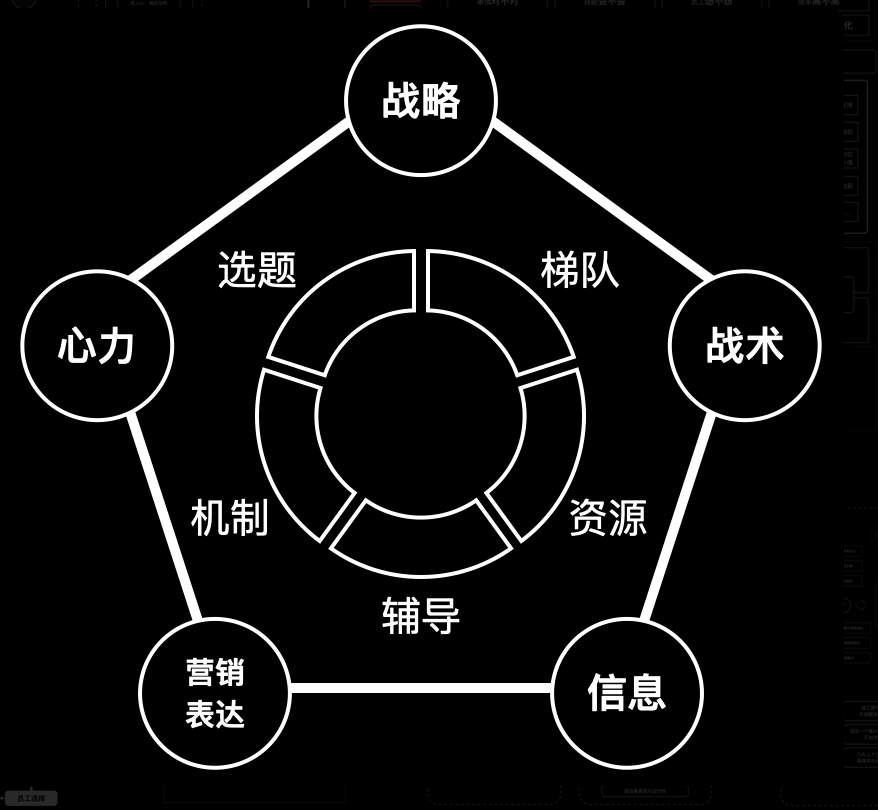
Core Insights - The essence of management is a governance framework that balances human governance and legal governance, aiming to cultivate more "heroes" while minimizing isolated issues through legal means [1][84]. Group 1: Director's Role and Responsibilities - The director's five-dimensional capability model emphasizes the importance of building a talent pipeline and ensuring that directors do not have to "catch" for managers [2][4]. - The evaluation of a director's effectiveness is linked to their ability to build a talent pipeline, which becomes a key performance indicator [5][6]. - Talent pipeline construction involves four main tasks: designing talent profiles, recruiting based on those profiles, training employees, and eliminating underperformers [7][8]. Group 2: Talent Pipeline Construction - Talent pipeline construction is a strategic action that involves identifying core capabilities needed for specific tasks [9][20]. - The first step in building a talent pipeline is top-level design, which includes resource planning and talent profiling [20][24]. - Resource planning requires determining the core capabilities needed and allocating resources accordingly, with examples provided for different industry roles [22][25]. Group 3: Value and Capability Models - The value model preferred by companies includes two combinations: YSP (Young Smart Poor) and SHD (Senior Hard-pressed Diligent), aiming for a balance between youthful energy and experienced stability [27][34]. - The general capability model highlights the importance of evaluating employees based on their roles, with specific emphasis on professional capabilities for frontline employees and project management for managers [38][39]. Group 4: Director's Mindset and Team Dynamics - Directors must understand the difference between teams and groups, focusing on effective division of labor and organizational structure to maximize team performance [52][53]. - A healthy team structure allows directors to focus on amplifying strengths and addressing weaknesses, which is crucial for long-term success [54][55]. - The concept of a "personal guard" team is vital for directors, providing support and enhancing their industry standing [58][60]. Group 5: Challenges of Close Relationships - Close relationships within teams can lead to a breakdown of fair evaluation systems, potentially causing dissatisfaction and undermining team dynamics [72][73]. - Directors must manage the balance between personal relationships and professional accountability to maintain team effectiveness [81][82]. - The reliance on close relationships can create challenges when performance expectations are not met, leading to potential conflicts within the team [78][80]. Group 6: Conclusion - The core of management lies in balancing human and legal governance, focusing on cultivating a self-sustaining talent pipeline rather than merely addressing immediate issues [86][87]. - A transparent evaluation system and a long-term talent pipeline mechanism are essential for avoiding resource depletion and relationship backlash within teams [87][88].