梯队建设

Search documents
伟星股份(002003) - 2026年1月20日投资者关系活动记录表
2026-01-23 04:00
Group 1: Industry Outlook and Market Position - The company maintains a cautious outlook on industry conditions due to the current international trade environment and consumer sentiment, despite improvements in order intake for winter apparel in Q4 2025 [2] - The company sees significant market potential in both buttons and zippers, with a stronger long-term growth outlook for zippers driven by increasing demand in sports, outdoor, and camping sectors [2] - The company's zipper market share is relatively small, with varying customer share percentages due to differences in customer compatibility and cooperation duration [3] Group 2: Competitive Landscape - Major competitors include international brands like YKK, which excel in brand recognition and global operations, while the company focuses on a "product + service" model to enhance customer experience [2] - The company has established strong competitive advantages in product diversity, fashionability, innovation, and supporting capabilities, responding to increasing demands from downstream apparel brands [2] Group 3: Marketing and Service Strategy - The company has over 50 sales subsidiaries and offices in key domestic markets, with design and R&D centers in cities like Shanghai and Shenzhen, enhancing its marketing and service capabilities [4] - Internationally, the company targets key markets in Europe and the U.S., as well as garment processing regions in Southeast Asia, creating a global marketing and service network [4] Group 4: Talent Development and Corporate Culture - The company emphasizes corporate culture and management team development as core competitive advantages, implementing various training programs to enhance employee skills and professional qualities [5] - Initiatives like mentorship and training programs are expected to elevate young talents to significant roles within the company [5] Group 5: Capital Expenditure and Financial Policies - Future capital expenditures will focus on projects related to fundraising, improving smart manufacturing levels, and expanding overseas production capacity, with a strong emphasis on risk control [6] - The company adheres to a sustainable development philosophy in its dividend policy, considering annual profits, future development needs, and shareholder interests when formulating profit distribution plans [7]

毁掉总监,只需要一个“兄弟团”
Hu Xiu· 2025-08-24 05:58
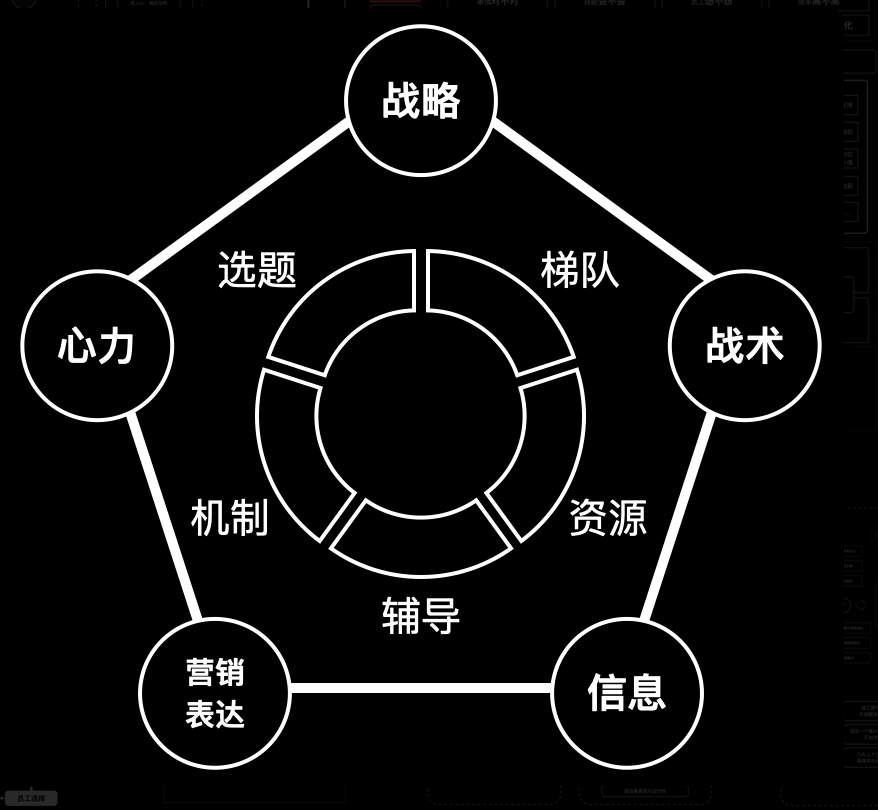
Core Insights - The essence of management is a governance framework that balances human governance and legal governance, aiming to cultivate more "heroes" while minimizing isolated issues through legal means [1][84]. Group 1: Director's Role and Responsibilities - The director's five-dimensional capability model emphasizes the importance of building a talent pipeline and ensuring that directors do not have to "catch" for managers [2][4]. - The evaluation of a director's effectiveness is linked to their ability to build a talent pipeline, which becomes a key performance indicator [5][6]. - Talent pipeline construction involves four main tasks: designing talent profiles, recruiting based on those profiles, training employees, and eliminating underperformers [7][8]. Group 2: Talent Pipeline Construction - Talent pipeline construction is a strategic action that involves identifying core capabilities needed for specific tasks [9][20]. - The first step in building a talent pipeline is top-level design, which includes resource planning and talent profiling [20][24]. - Resource planning requires determining the core capabilities needed and allocating resources accordingly, with examples provided for different industry roles [22][25]. Group 3: Value and Capability Models - The value model preferred by companies includes two combinations: YSP (Young Smart Poor) and SHD (Senior Hard-pressed Diligent), aiming for a balance between youthful energy and experienced stability [27][34]. - The general capability model highlights the importance of evaluating employees based on their roles, with specific emphasis on professional capabilities for frontline employees and project management for managers [38][39]. Group 4: Director's Mindset and Team Dynamics - Directors must understand the difference between teams and groups, focusing on effective division of labor and organizational structure to maximize team performance [52][53]. - A healthy team structure allows directors to focus on amplifying strengths and addressing weaknesses, which is crucial for long-term success [54][55]. - The concept of a "personal guard" team is vital for directors, providing support and enhancing their industry standing [58][60]. Group 5: Challenges of Close Relationships - Close relationships within teams can lead to a breakdown of fair evaluation systems, potentially causing dissatisfaction and undermining team dynamics [72][73]. - Directors must manage the balance between personal relationships and professional accountability to maintain team effectiveness [81][82]. - The reliance on close relationships can create challenges when performance expectations are not met, leading to potential conflicts within the team [78][80]. Group 6: Conclusion - The core of management lies in balancing human and legal governance, focusing on cultivating a self-sustaining talent pipeline rather than merely addressing immediate issues [86][87]. - A transparent evaluation system and a long-term talent pipeline mechanism are essential for avoiding resource depletion and relationship backlash within teams [87][88].