
代码审查

Search documents
AI写70%,剩下30%难得要命?Google工程师直言:代码审查已成“最大瓶颈”
猿大侠· 2025-11-26 04:24
Core Insights - The article discusses the increasing productivity of coding due to AI tools like GitHub Copilot, but highlights the growing burden on code reviewers, particularly senior engineers, as code review becomes a new bottleneck [1][2][16] - AI can generate 70% of code quickly, but the remaining 30% involves complex issues that require human intervention, leading to a cycle of bugs and increased review time [8][9][16] Group 1: AI's Impact on Coding - AI tools are enhancing productivity, allowing junior developers to create functional code with minimal input, but this often results in technical debt and poorly structured code [4][5] - Senior engineers are facing increased pressure during code reviews as they must address the inadequacies of AI-generated code, which can lead to a significant increase in review workload [2][16] Group 2: Developer Trust and Skills - Developer trust in AI-generated code has declined, with only 60% expressing confidence compared to 70% two years ago, and 30% indicating a lack of trust [11] - There is a concern that over-reliance on AI may erode developers' ability to understand code and learn from mistakes, potentially impacting their coding skills [10] Group 3: Recommendations for Improvement - To mitigate the challenges posed by AI, teams are encouraged to implement "AI Free Sprint Days" to maintain problem-solving skills and create decision documentation to track key choices and pitfalls [12] - Emphasizing the importance of context in AI coding, developers should provide comprehensive information to improve code quality and ensure thorough testing of AI-generated outputs [13] Group 4: Real-World Productivity - Despite claims of AI boosting productivity by 5 to 10 times, evidence suggests that the actual efficiency gain is closer to 2 times, particularly when maintaining existing systems [14][16] - The increase in code review demands is primarily shouldered by senior engineers, whose limited availability exacerbates the bottleneck created by the influx of AI-generated code [16][17]



GitHub 工程师揭底:代码审查常犯这 5 个错,难怪你改到崩溃!网友:差点全中了
程序员的那些事· 2025-11-04 09:09
Core Insights - The article discusses common mistakes engineers make during code reviews, particularly in the context of increasing AI-generated code and the challenges of reviewing it effectively [3][5]. - It emphasizes the importance of understanding the entire codebase rather than just focusing on code differences (diff) and provides practical advice to improve review efficiency [3][5]. Group 1: Common Mistakes in Code Reviews - Engineers often focus solely on the code differences (diff), missing out on significant insights that come from understanding the broader system [6][7]. - Leaving too many comments during a review can overwhelm the reviewer, making it difficult to identify the most critical feedback [8]. - Using personal coding preferences as a standard for reviews can lead to unnecessary comments and conflicts, as there are often multiple valid solutions to a problem [9][11]. Group 2: Recommendations for Effective Code Reviews - Reviewers should prioritize understanding the context of the code changes rather than just the diff, considering what might be missing from the code [18]. - It is advisable to leave a limited number of well-considered comments instead of a large volume of superficial ones [18]. - Clearly marking reviews as "blocking" when there are significant issues helps clarify the status of the review and prevents confusion about whether changes can be merged [12][13]. Group 3: Review Culture and Practices - Most reviews should ideally result in an approval status, especially in fast-paced environments like SaaS, to avoid bottlenecks in development [13][14]. - High rates of blocking reviews may indicate structural issues within teams, such as over-cautiousness or misalignment of goals between teams [14]. - The article suggests that code reviews should also serve as learning opportunities, fostering knowledge sharing and team growth [17][22].
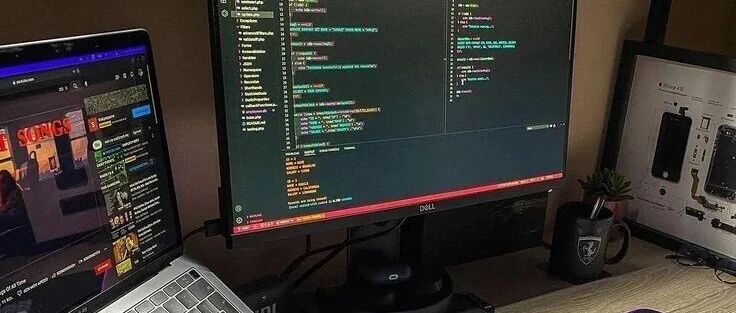
“为什么我拒绝AI生成的代码请求?”
3 6 Ke· 2025-08-27 13:26
Core Viewpoint - The article discusses the challenges and considerations surrounding the use of AI-generated code in programming, emphasizing the need for clear boundaries on when such code should be accepted or rejected [1]. Group 1: AI Code Acceptance Criteria - AI-generated code can be accepted if it is temporary or for one-time analysis, and if the submitter clearly explains the use of AI and any additional validations performed [11]. - Code that is poorly written, lacks understanding of the programming language, or introduces unnecessary complexity should be rejected [6][10]. - The importance of maintaining project style consistency and ensuring that every change genuinely improves the project is highlighted [7][8]. Group 2: Code Review Importance - Code reviews (CR) are essential for learning, improving code quality, and reducing cognitive load on team members [4][5]. - The article stresses that the submitter should take responsibility for their code and articulate the reasoning behind their choices [8]. Group 3: Challenges in AI Code Usage - There is a dilemma for team leaders on how to address the reliance on AI-generated code by newcomers, balancing support for effective AI use with the need to reject harmful practices [12]. - The long-term impact of AI-generated code on technical debt and team growth remains uncertain, necessitating careful consideration by team leaders [12].